
Can a dog travel a long distance in one day? Yes, a dog can travel a significant distance in a day, but the exact mileage varies greatly depending on the dog’s breed, age, fitness level, health, and the conditions of the journey.
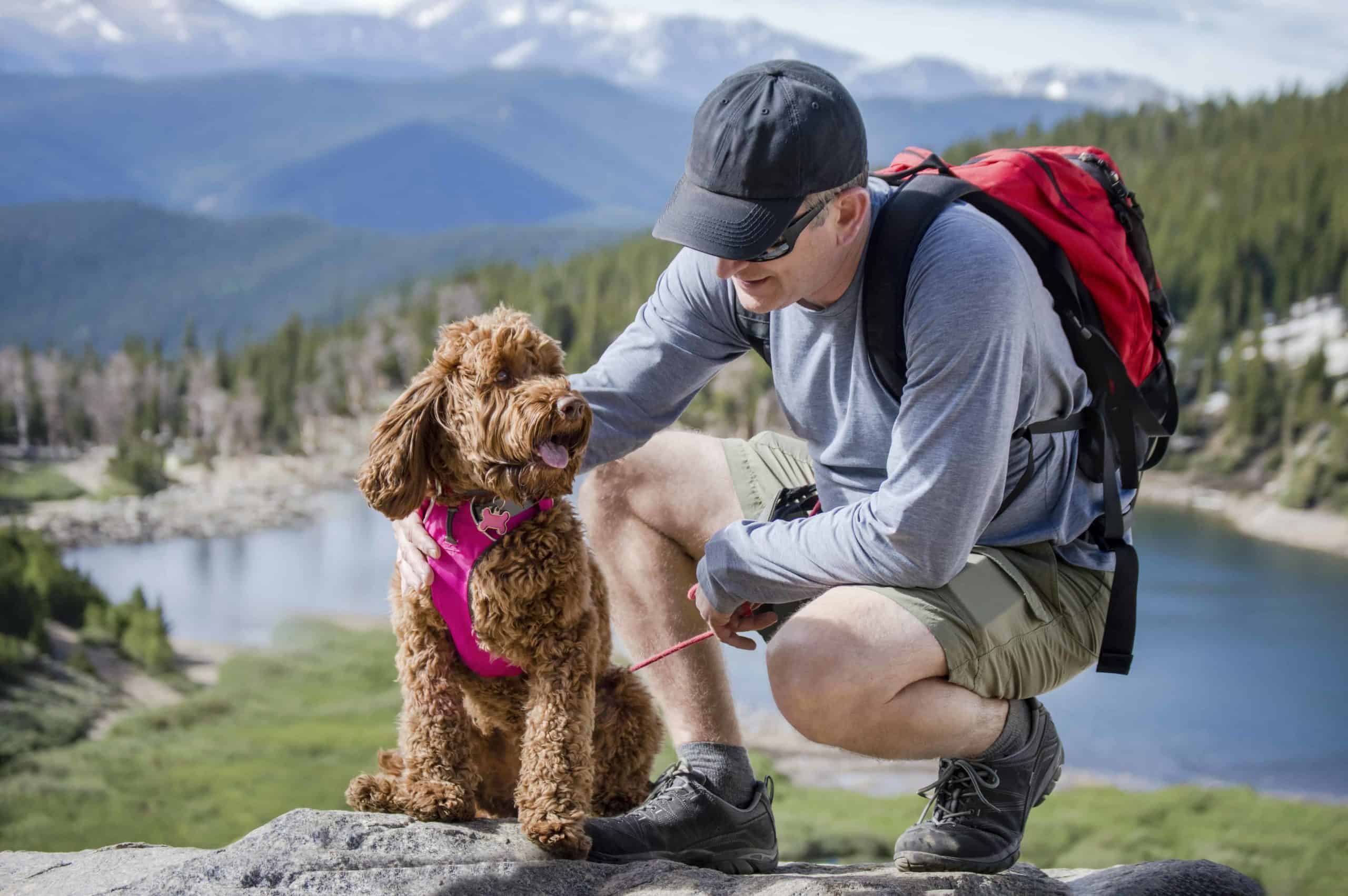
Image Source: dogsbestlife.com
Deciphering Canine Endurance: Setting Realistic Travel Goals
When planning any adventure with your furry friend, a common question arises: “How far can a dog travel in a day?” This isn’t a one-size-fits-all answer, as canine endurance is a complex tapestry woven from genetics, training, and individual well-being. Understanding these factors is crucial for ensuring your dog’s safety and enjoyment on any journey, whether it’s a casual stroll around the block or a more ambitious long-distance dog trekking expedition.
Breed and Its Impact on Travel Distance
Different breeds were developed for distinct purposes, and this history deeply influences their physical capabilities.
Sighthounds and Their Stamina
Breeds like Greyhounds, Whippets, and Salukis are built for speed and bursts of energy. While they can cover ground quickly, their endurance for sustained, long-distance travel might be less than that of breeds bred for herding or sledding. Their lean build is optimized for acceleration rather than prolonged exertion.
Herding and Working Breeds: Natural Travelers
Dogs like Border Collies, Australian Shepherds, German Shepherds, and Huskies often possess remarkable dog walking distance capabilities. Bred to work for extended periods, they typically have the stamina for longer treks. Their strong builds and good cardiovascular systems allow them to maintain a steady pace for many miles.
Brachycephalic Breeds: Special Considerations
Breeds with short snouts, such as Pugs, Bulldogs, and Boxers, have unique physiological challenges. Their facial structure can lead to breathing difficulties, especially in warm weather or during strenuous activity. This means their dog travel limitations are more pronounced, and they require shorter walks and frequent breaks. Overheating is a significant risk for these breeds.
Giant Breeds: Strength and Pace
Large breeds like Great Danes, Mastiffs, and Bernese Mountain Dogs have impressive strength but may not have the same sustained endurance as medium-sized working breeds. Their sheer size can also put more stress on their joints, making very long distances or strenuous terrain less suitable. Their daily mileage for dogs should be carefully managed.
Age Matters: From Puppy Adventures to Senior Strolls
A dog’s age is a primary determinant of how far they can comfortably travel.
Puppy Travel Distance: Building the Foundation
Puppy travel distance should be approached with extreme caution. Young puppies are still developing physically, and their bones and joints are not yet fully formed. Overexertion can lead to serious, long-term joint problems like hip dysplasia.
- The 5-Minute Rule: A commonly recommended guideline for walking puppies is 5 minutes per month of age, twice a day. So, a 4-month-old puppy could handle about 20 minutes of walking per session.
- Focus on Socialization and Exploration: Puppy walks are more about gentle exploration, socialization with the environment, and positive experiences than covering distance.
- Avoid Overheating: Puppies have less ability to regulate their body temperature.
Adult Dogs: The Prime of Canine Travel
Adult dogs, typically from around 1 to 7 years old (depending on breed), are generally at their peak physical condition. Their canine endurance is at its highest, allowing for more substantial travel distances.
- Active vs. Sedentary Adults: Even within the adult category, fitness levels vary dramatically. An actively trained dog will have far greater dog hiking distance capabilities than a dog that spends most of its time indoors.
- Gradual Increase: If your adult dog is not accustomed to long distances, gradually increase their daily mileage for dogs over several weeks to build stamina.
Senior Dogs: Adjusting the Pace
As dogs age, their energy levels and physical capabilities naturally decline. Senior dogs may develop arthritis, heart conditions, or other age-related issues that affect their ability to travel long distances.
- Shorter, More Frequent Outings: Senior dogs often benefit from shorter, more frequent walks to keep them mobile without causing undue stress.
- Monitor for Fatigue: Pay close attention to signs of fatigue, such as lagging behind, panting excessively, or stiffness after a walk.
- Consult Your Veterinarian: Always discuss exercise plans for senior dogs with your vet, especially if they have pre-existing health conditions.
Health and Fitness: The Cornerstone of Long-Distance Travel
A dog’s overall health and current fitness level are paramount when considering travel distances.
Pre-Existing Conditions: Navigating Challenges
Any underlying health issues, such as heart murmurs, respiratory problems, or orthopedic conditions, will significantly impact how far a dog can travel.
- Veterinary Consultation: Before embarking on any significant journey, it’s wise to have your dog examined by a veterinarian, especially if they have a known health condition or are entering their senior years. They can provide specific recommendations regarding safe dog travel distances.
- Medication and Management: If your dog requires medication, ensure you have an adequate supply and a plan for administering it during the trip.
Building Dog Fitness for Travel
Dog fitness for travel isn’t something that happens overnight. It requires consistent, appropriate exercise leading up to the planned trip.
- Cardiovascular Health: Regular aerobic exercise, like jogging or brisk walking, improves a dog’s heart and lung capacity.
- Muscular Strength: Strength training, which can include activities like navigating varied terrain or even controlled stair climbing, helps build the muscles needed for sustained effort.
- Joint Health: Maintaining a healthy weight is crucial for reducing stress on joints. Consider joint supplements if recommended by your vet.
- Acclimatization: If your trip involves different altitudes or temperatures, gradually expose your dog to these conditions beforehand to allow them to acclimatize.
Environmental Factors: The Unseen Travelers
The conditions under which your dog travels can drastically alter their capacity and comfort.
Temperature Extremes: A Major Factor
- Heat: Dogs are susceptible to heatstroke. On hot days, dog travel limitations are significantly reduced. Travel during cooler parts of the day, provide ample water, and watch for signs of overheating (excessive panting, drooling, lethargy, red gums).
- Cold: While some breeds are built for cold, others can quickly suffer from hypothermia. If your dog isn’t accustomed to cold, consider protective gear like a dog coat and booties. Their ability to travel long distances in extreme cold will be limited.
Terrain: Paving the Way or Presenting Hurdles
The type of terrain will influence the pace and distance a dog can comfortably cover.
- Paved Surfaces: Can be tough on paw pads, especially in hot weather, and may offer less shock absorption for joints.
- Soft Trails (Dirt, Grass): Generally more comfortable and easier on paws and joints.
- Rocky or Uneven Terrain: Requires more agility and can increase the risk of sprains or injuries. It also slows down the pace, impacting overall daily mileage for dogs.
- Snow and Ice: Can be challenging, potentially causing frostbite on paws or making footing insecure.
Weather Conditions: Beyond the Temperature
- Rain: Can make trails muddy and slippery, increasing the risk of falls. It can also make dogs uncomfortable.
- Wind: Strong winds can be disorienting and tiring for dogs.
Gauging Dog Walking Distance: Practical Estimates
So, how far can a dog actually travel? Here are some general guidelines, keeping in mind these are estimates and your individual dog’s needs come first.
Typical Dog Walking Distance Estimates
| Dog Type/Activity | Estimated Daily Distance (Miles) | Notes |
|---|---|---|
| Puppy (under 1 yr) | 1-3 Miles (total) | Highly variable, focus on short, frequent outings. |
| Small Breed Adult | 3-6 Miles | Can vary greatly by energy level and breed (e.g., Terrier vs. Chihuahua). |
| Medium Breed Adult | 5-10 Miles | Many active medium breeds are capable of this. |
| Large/Working Breed | 8-15+ Miles | Highly conditioned individuals can go much further. |
| Long-Distance Trekker | 15-25+ Miles | Requires extensive training, proper conditioning, and ideal conditions. |
Understanding Leash Walking Limits
Leash walking limits refer to the practical constraints of walking a dog on a leash.
- Owner Fatigue: The primary limit is often the human walker’s endurance and comfort.
- Dog Behavior: Even if physically capable, a dog might be distracted, pull excessively, or become anxious in certain environments, limiting the effective distance.
- Collar/Harness Fit: An ill-fitting leash system can cause discomfort or chafing over long distances, creating a physical limitation.
- Paw Health: Over many miles, paw pads can become sore, blistered, or cut, necessitating breaks or the use of protective booties.
Long-Distance Dog Trekking: Pushing the Boundaries Safely
Long-distance dog trekking is an ambitious pursuit that demands careful planning and preparation. It’s not just about how far your dog can go, but how far they can go safely and comfortably.
Factors for Successful Long-Distance Travel
- Gradual Conditioning: As mentioned, building up to multi-day treks takes time. Start with longer day hikes and gradually incorporate overnight or multi-day trips.
- Nutrition: Dogs undertaking strenuous activity need a diet higher in calories and protein. Consult your vet for appropriate performance dog food.
- Hydration: Carrying sufficient water for yourself and your dog is critical. Water sources on the trail may be unreliable or require purification.
- Paw Protection: Regular checks of paw pads are essential. Consider canine booties for rough terrain or prolonged distances.
- Rest and Recovery: Adequate rest periods during the day and proper sleep at night are vital for muscle repair and preventing exhaustion.
- Route Planning: Choose routes that are dog-friendly and consider the terrain, water availability, and potential hazards.
Interpreting Your Dog’s Signals During Extended Travel
Your dog will communicate their comfort level through body language. Learning to read these signals is key to preventing injury and overexertion.
Signs of Fatigue
- Lagging behind the pack or walker
- Slowing pace, becoming sluggish
- Excessive panting or drooling
- Stiff gait or limping
- Reduced responsiveness or interest in surroundings
- Lying down frequently
Signs of Overheating
- Excessive, rapid panting
- Thick, ropey saliva
- Bright red gums or tongue
- Lethargy, weakness, stumbling
- Vomiting or diarrhea
- Collapse (severe sign)
Signs of Paw Discomfort
- Limping or favoring a paw
- Licking or chewing at paws
- Visible cuts, blisters, or redness on paw pads
Puppy Travel Distance: A Gentle Beginning
As touched upon earlier, puppy travel distance needs a special approach. Their developing bodies require a more conservative strategy.
Key Principles for Puppy Excursions
- Short and Sweet: Focus on quality over quantity. A few short, positive outings per day are far better than one long, potentially harmful one.
- Controlled Environments: Start in quiet, familiar areas before venturing into busier or more challenging environments.
- Leash Manners: Use these early outings to practice loose-leash walking. This improves the overall experience for both of you.
- Vaccination Status: Ensure your puppy is fully vaccinated before exposing them to public areas where they might encounter unvaccinated dogs.
- Supervision is Crucial: Always keep a close eye on your puppy for signs of tiredness or distress.
Safe Dog Travel Distances: Setting Your Dog’s Limits
Fathoming safe dog travel distances involves a holistic assessment of your dog and the planned journey.
A Decision Tree for Distance
Ask yourself these questions:
- What is my dog’s breed, age, and known health status? (This is your primary filter.)
- What is my dog’s current fitness level? (How often do they get walked/exercised? What kind of exercise?)
- What are the environmental conditions? (Temperature, humidity, terrain, weather.)
- What is the duration and intensity of the planned travel? (Is it a single day hike, a multi-day trek, or travel by vehicle?)
- Do I have appropriate gear? (Water, food, first-aid kit, paw protection, appropriate leash/harness.)
Based on your answers, you can then set a realistic daily mileage for dogs.
Practical Tips for Safe Travel
- Always carry more water than you think you’ll need.
- Bring a portable water bowl.
- Pack a basic canine first-aid kit.
- Know your route and potential exit points.
- Inform someone of your plans and expected return time.
- Never leave your dog unattended in a vehicle, especially in warm weather.
- Be prepared to turn back if your dog shows signs of distress.
Frequently Asked Questions (FAQ)
Q1: How far can my dog walk on a leash in a day?
A1: For most healthy adult dogs, a comfortable leash walk can range from 3 to 10 miles, depending on their breed, fitness, and the terrain. Puppies and senior dogs will have much shorter limits.
Q2: Can I take my dog on a hike that’s 15 miles long?
A2: This depends entirely on your dog’s conditioning and breed. A fit, large breed dog used to hiking might manage 15 miles, especially with breaks. A small, less active dog or a brachycephalic breed would likely find this too much. Always build up gradually.
Q3: My dog loves to run. Can they run further than they can walk?
A3: While some dogs can cover more ground quickly when running, sustained running can also be more taxing on their bodies than a steady walk. Endurance for running versus walking can differ. A dog might be able to “run” 5 miles in an hour but might only be able to “walk” 10 miles comfortably over the same period due to less overall strain.
Q4: What are the main dog travel limitations I should be aware of?
A4: Key limitations include breed-specific physical traits (like brachycephaly), age (puppies and seniors have lower endurance), health conditions, fitness level, environmental factors (heat, cold, terrain), and paw health.
Q5: How do I improve my dog’s fitness for travel?
A5: Improve your dog’s fitness for travel through consistent, progressive exercise. Start with regular walks, gradually increasing duration and intensity. Incorporate activities that build cardiovascular health and muscular strength. Consult your veterinarian for a personalized fitness plan.
Q6: What is considered a safe dog travel distance for a day?
A6: A safe distance is one that your specific dog can comfortably complete without showing signs of excessive fatigue or distress. This can range from a couple of miles for less active dogs to 15-20+ miles for highly conditioned endurance breeds under ideal conditions. Always err on the side of caution.
Q7: How much should I walk my puppy? What is the puppy travel distance limit?
A7: A common guideline for puppy travel distance is the “5-minute rule”: approximately 5 minutes of walking per month of age, twice a day. For example, a 6-month-old puppy should have about 30 minutes of walking per session. This is to protect their developing joints.
Q8: Are there specific types of dog food that help with travel endurance?
A8: Yes, dogs undertaking strenuous activities like long hikes or treks often benefit from performance-focused dog foods. These typically have higher calorie counts and increased protein and fat content to support energy needs and muscle repair. Always consult your veterinarian before making significant dietary changes.