
A dog’s decay process, from death to the complete disintegration of its animal remains, typically takes several weeks to several months, depending heavily on environmental factors. This fascinating and complex process, studied scientifically as decomposition, involves a series of distinct decomposition stages.
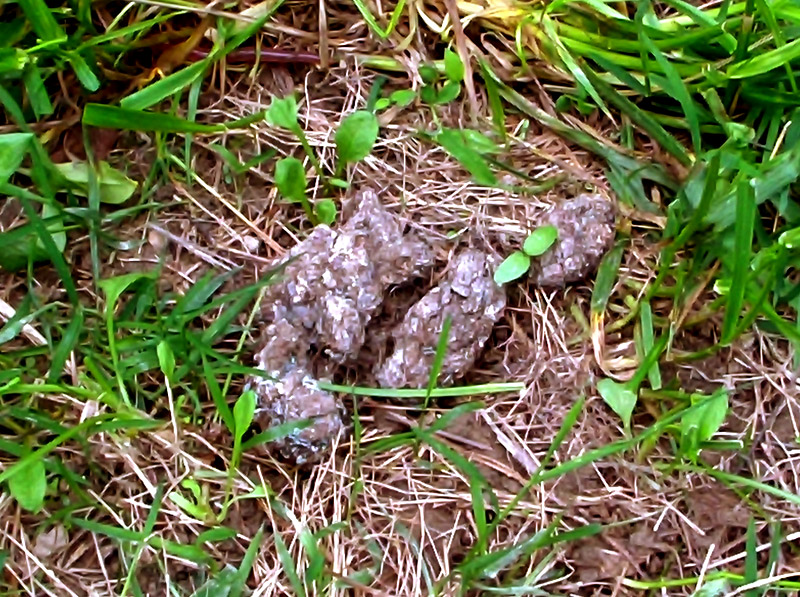
Image Source: www.petpooskiddoo.com
The Science of Animal Remains Disintegration
The disintegration of animal remains is a natural and inevitable biological process. It begins the moment an organism dies and continues until all organic material has broken down. This body breakdown rate is influenced by a multitude of variables, making it impossible to give a single, definitive timeline for how long it takes for a dog to decay. However, by examining the various stages and influencing factors, we can gain a comprehensive understanding of the timeline.
Post-Mortem Changes: The Initial Steps
Immediately after death, several internal processes begin. The most significant of these is autolysis.
Autolysis: The Body’s Own Breakdown
Autolysis is the process where cells break down due to their own enzymes. After circulation stops, oxygen is no longer delivered to tissues. This lack of oxygen causes cellular membranes to rupture, releasing digestive enzymes within the cells. These enzymes then begin to break down the surrounding cellular components, including proteins and carbohydrates. This is a crucial initial step in the decay process, often preceding the activity of external organisms.
The Decomposition Stages
While the exact timing varies, the decomposition of a dog generally follows these stages:
1. Fresh Stage (0-3 Days)
- Pallor Mortis: This refers to paleness of the skin due to blood loss to the capillaries, occurring within minutes to a couple of hours after death.
- Algor Mortis: The cooling of the body to match the ambient temperature. This happens gradually.
- Rigor Mortis: Stiffening of the muscles due to chemical changes. It typically starts within 2-6 hours after death, peaks around 12-18 hours, and dissipates within 24-48 hours.
- Livor Mortis (Lividity): Blood settles in the lowest parts of the body due to gravity, causing purplish discoloration. This becomes noticeable within 1-2 hours of death.
- Early Autolysis: The internal digestive enzymes start to work, leading to bloating and the early signs of skin discoloration.
2. Bloat Stage (3-10 Days)
- Bacterial Activity: Bacteria present in the gut begin to multiply rapidly and break down tissues.
- Gas Production: This bacterial activity produces gases like hydrogen sulfide and methane. These gases accumulate within the body cavities, causing significant swelling and bloating, particularly in the abdomen.
- Purging: The build-up of pressure can lead to the rupture of skin or the expulsion of fluids from body orifices. The characteristic odor of decomposition becomes more pronounced.
3. Active Decay Stage (10-25 Days)
- Liquefaction: As gases continue to build and tissues break down, the softer tissues of the body begin to liquefy. This is often referred to as “putrefaction.”
- Insect Colonization: In outdoor environments, insects like blowflies are attracted to the odors and lay eggs in orifices and wounds. Maggots hatch and consume the soft tissues, accelerating the decomposition process.
- Dispersal: Body parts may start to detach as the connective tissues weaken.
4. Advanced Decay Stage (25-50 Days)
- Further Liquefaction: Most of the soft tissues have been liquefied and consumed by maggots or bacteria.
- Bone Exposure: As tissues disappear, bones and cartilage become more visible.
- Skeletalization: In favorable conditions, only the skeleton may remain by this stage, though significant soft tissue decomposition is still occurring.
5. Dry Remains Stage (50+ Days)
- Skeletalization: The majority of soft tissue has decomposed, leaving behind the skeleton.
- Desiccation: Any remaining tissues, such as dried skin or cartilage, will further desiccate and break down over time.
- Bone Decomposition: Even bones will eventually break down, though this process takes a much longer time, influenced by soil acidity and other environmental factors.
Factors Affecting Decomposition
The timeline for each stage, and the overall decay of a dog, is heavily influenced by several factors. This is why scientific study of decay focuses on isolating and understanding these variables.
Environmental Factors
- Temperature: Higher temperatures accelerate bacterial activity and insect activity, speeding up decomposition. Conversely, cold temperatures slow down or halt decomposition. Freezing can preserve remains for extended periods.
- Moisture: Moisture is essential for bacterial and insect activity. Dry environments will lead to desiccation and slower decomposition compared to humid environments.
- Oxygen Availability: Aerobic bacteria thrive in oxygen-rich environments, leading to faster decomposition. In anaerobic conditions (e.g., deep burial), decomposition can be slower and may involve different microbial communities.
- Insects and Scavengers: The presence of insects, particularly blowflies and their larvae (maggots), can significantly speed up the breakdown of soft tissues. Scavengers like rodents or birds can also remove or disperse remains.
- Soil Type and Conditions: For buried dog decay, the type of soil plays a crucial role.
- pH: Acidic soils can accelerate bone dissolution. Alkaline soils can slow it down.
- Drainage: Well-drained soils allow for better aeration, which can influence bacterial activity. Waterlogged soils can slow decomposition due to lack of oxygen.
- Soil Microbes: The microbial population in the soil also contributes to decomposition.
- Clothing and Wrapping: The presence of clothing or other coverings can protect the body from insects and scavengers, potentially slowing down decomposition, or it can trap moisture and heat, accelerating it.
Body Factors
- Body Size and Fat Content: Larger dogs or those with higher fat content may decompose slightly differently, with fat potentially undergoing a process called “adipocere formation” in wet, anaerobic conditions, creating a waxy substance.
- Cause of Death: Certain causes of death, like widespread infection, might introduce more bacteria into the system, potentially speeding up initial decomposition.
- Pre-existing Medical Conditions: Conditions affecting the immune system or gut flora could theoretically influence the rate of decay.
Buried Dog Decay vs. Surface Decay Time
The location of the remains dramatically impacts the decay rate.
Surface Decay Time
When a dog’s body is left on the surface, decomposition is generally faster due to:
- Unrestricted Insect Access: Blowflies and other carrion insects can easily locate and colonize the body.
- Exposure to Elements: Sun, rain, and wind can all play a role. Sun can aid in desiccation, while rain can promote bacterial activity and the spread of liquefaction.
- Scavenger Activity: Surface remains are readily accessible to scavengers.
Under ideal warm and humid conditions with abundant insect activity, a dog’s soft tissues could be significantly broken down within a few weeks. Skeletalization might occur within a few months. However, complete disintegration of the skeleton can take years or even decades.
Buried Dog Decay
The process of buried dog decay is typically slower:
- Limited Insect Access: Burial depth significantly restricts insect access. Shallow burials might still experience some insect activity.
- Reduced Oxygen: Soil layers, especially compacted or waterlogged soil, limit oxygen availability, slowing down aerobic bacterial decomposition.
- Temperature Moderation: Soil acts as an insulator, moderating temperature fluctuations. This can slow decomposition in colder climates but also preserve remains longer in warmer ones by preventing extreme drying.
- Soil Moisture: Soil moisture content is critical. Very dry soil will lead to desiccation, while very wet, anaerobic soil can slow bacterial activity.
In shallow, well-drained soil in a temperate climate, significant decomposition might take several months. In deeper burials or in colder climates, the process could extend to years for the complete breakdown of soft tissues and significant decay of bone.
The Role of Pet Cremation Timeline
For pet owners seeking a quicker resolution and a way to handle their beloved companion’s remains, pet cremation timeline is a relevant consideration. Cremation is a process that uses high temperatures to reduce the body to bone fragments and ashes.
- Process Duration: The actual cremation process for a dog typically takes 1-3 hours, depending on the size of the animal and the specific crematorium’s equipment.
- Overall Timeline: When considering the entire process from the time of death to receiving the ashes, the pet cremation timeline can range from a few days to a week or two, depending on the services chosen, such as veterinary pick-up, the crematorium’s schedule, and whether communal or private cremation is selected. This is a stark contrast to natural decay.
Environmental Impact on Decay
The environmental impact on decay is substantial. The byproducts of decomposition, such as gases and liquefied tissues, can be absorbed by the soil. Nutrient cycling occurs as organic matter breaks down, returning vital elements to the ecosystem. Understanding these processes is crucial in forensic science and environmental studies.
Scientific Study of Decay
The scientific study of decay, particularly in forensic entomology and taphonomy, aims to reconstruct events surrounding death and estimate time since death. Forensic entomologists study the insect succession on a corpse, as different insect species colonize remains at different stages of decomposition. Taphonomy focuses on the processes that affect an organism after death, including decay, fossilization, and the condition of remains.
Interpreting Decay Rates: A Comparative View
To illustrate the variability, consider these hypothetical scenarios:
| Scenario | Primary Environment | Estimated Soft Tissue Decomposition Time | Estimated Skeletalization Time |
|---|---|---|---|
| Warm, Humid, Insect-Rich Surface | Open field | 1-3 weeks | 2-4 months |
| Dry, Arid, Scavenger-Exposed Surface | Desert | 2-4 weeks (desiccation prominent) | 3-6 months |
| Cool, Damp, Limited Insect Exposure | Shaded forest floor | 3-6 weeks | 4-8 months |
| Shallow Burial (Temperate Climate) | Garden soil | 1-3 months | 6 months – 1 year |
| Deep Burial (Cold Climate/Waterlogged) | Dense clay soil | 6 months – 1 year+ | 1-3 years+ |
| Refrigerated/Frozen Conditions | Veterinary clinic/lab | Indefinite (process halted) | Indefinite (process halted) |
Note: These are generalized estimates. Actual times can vary significantly.
Fathoming the Body Breakdown Rate
The body breakdown rate is a complex interplay of numerous biological and environmental factors. There isn’t a single “average” time, as the variables are too numerous and dynamic. For instance, a small terrier left on a sunny, exposed hillside during summer will decay much faster than a large Great Dane buried deep in frozen ground in winter.
The role of chemical processes in decay
Beyond bacterial action and insect predation, chemical processes also contribute to the breakdown. Autolysis, as mentioned earlier, is the initial chemical breakdown from within. Over time, chemical reactions in the environment, like oxidation and hydrolysis, further break down remaining organic molecules.
Microorganisms and their contribution
A vast array of microorganisms, primarily bacteria and fungi, are the workhorses of decomposition. They consume organic matter, breaking complex molecules into simpler ones. The type and abundance of these microbes, influenced by temperature, moisture, and oxygen, significantly dictate the body breakdown rate.
Frequently Asked Questions (FAQ)
Q1: How long does it take for a dog to fully decompose?
A dog’s soft tissues can decompose within weeks to months. However, the complete disintegration of the skeleton can take many years, or even decades, depending heavily on environmental conditions like soil type, moisture, and temperature.
Q2: Can I bury my dog in my backyard?
Many local ordinances have regulations regarding the burial of pets on private property. It’s crucial to check with your local animal control or municipal office for specific rules and guidelines. Factors like water table levels and proximity to water sources are often considered.
Q3: What happens to a dog’s body in winter?
In winter, freezing temperatures significantly slow down or halt most decomposition processes. Bacteria and insect activity are greatly reduced. If a dog dies in winter and is exposed to the cold, preservation can occur until warmer temperatures return, at which point decomposition will resume.
Q4: Does a dog’s fur affect how fast it decays?
Fur can offer some protection from the elements and insects initially, potentially slowing down the very early stages of surface decay slightly. However, once insects and bacteria breach the skin, the fur has a minimal impact on the overall body breakdown rate.
Q5: How is the time of death estimated in dogs if remains are found after a long period?
Forensic scientists use a combination of factors, including insect life stages found on the remains (forensic entomology), the degree of decomposition, environmental data (temperature, humidity), and the condition of the skeletal remains, to estimate the time since death.
The journey of a dog’s decay is a testament to nature’s powerful recycling processes. From the initial spark of autolysis to the final return of elemental components to the earth, each stage is a critical part of the cycle. Understanding the dog decay timeline involves appreciating the intricate interplay of biology, chemistry, and the environment. Whether through natural animal remains disintegration or a carefully managed pet cremation timeline, the end of a dog’s life is met with processes that, while poignant, are fundamental to the natural world.