
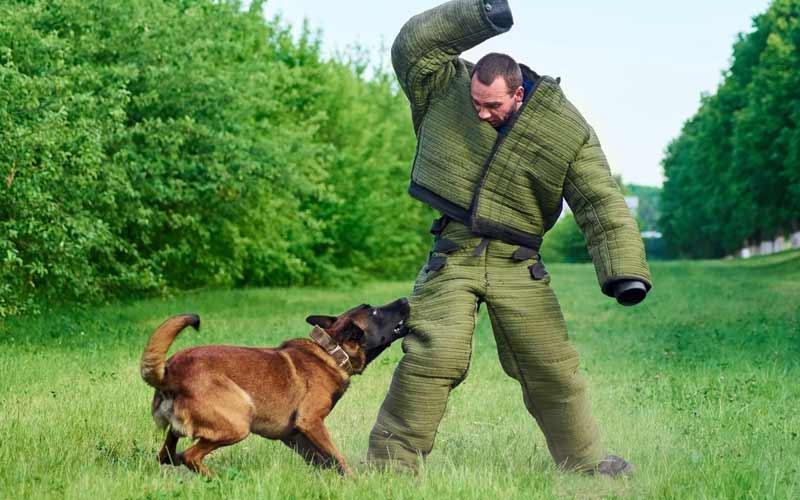
Image Source: leerburg.com
How Much Is A Trained Protection Dog?
A trained protection dog can cost anywhere from $5,000 to $75,000 or more. The price varies greatly depending on the breed, level of training, the dog’s pedigree, the training facility, and the specific skills the dog possesses.
Deciphering the Investment: The True Cost of a Trained Protection Dog
Investing in a trained protection dog is a significant decision, both financially and emotionally. Many people wonder, “How much does a protection dog cost?” The answer isn’t a simple figure. It’s a spectrum, influenced by a multitude of factors that contribute to the overall protection dog cost. From the initial acquisition of a high-quality puppy to the intensive, specialized training involved, the journey to owning a capable canine guardian is an involved one. This comprehensive guide aims to break down these costs, helping you make an informed decision about whether a protection dog is the right fit for your security needs and lifestyle.
Fathoming the Factors Influencing Protection Dog Price
Several key elements dictate the trained guard dog price. It’s crucial to understand these components to appreciate the investment required.
Breed as a Cost Determinant
Certain breeds are naturally predisposed to guarding and protection work due to their temperament, intelligence, and physical capabilities. These breeds often command a higher price tag.
-
German Shepherd Protection Dog Price: Known for their loyalty, intelligence, and versatility, German Shepherds are a popular choice. The German Shepherd protection dog price can range from $7,000 to $20,000. This is due to their suitability for various roles, from family protection to law enforcement and military applications. Their trainability and strong protective instincts make them highly sought after.
-
Belgian Malinois Protection Dog Price: Often considered the elite of protection breeds, Belgian Malinois are renowned for their drive, athleticism, and unwavering focus. The Belgian Malinois protection dog price typically starts at $8,000 and can easily reach $25,000 or more. Their intensity and suitability for high-level security work justify this higher cost.
-
Other Breeds: While German Shepherds and Belgian Malinois are common, other breeds like Doberman Pinschers, Rottweilers, and even some large Terriers can be trained for protection. The price for these breeds will also vary based on the same factors.
The Value of Comprehensive Training
The most significant contributor to the protection dog cost is the level and quality of training. A dog that can simply bark at an intruder is very different from one trained in advanced protection techniques.
Foundational Obedience and Socialization
Every protection dog must have a solid foundation in obedience. This includes:
- Basic commands (sit, stay, come, down, heel)
- Leash manners
- House manners
- Proper socialization with people and other animals
This foundational training can take several months and is the bedrock upon which advanced protection skills are built.
Specialized Protection Training
This is where the bulk of the training investment lies. This specialized training can include:
- Apprehension Work: Training the dog to bite and hold a threat on command. This involves controlled scenarios with protective gear for both the dog and the decoy.
- Alerting: Teaching the dog to bark and alert its owner to potential dangers or intruders.
- Controlled Aggression: Developing the dog’s ability to display aggression only when necessary and on command, without being overly aggressive in everyday situations.
- Building Search and Area Patrol: Training the dog to search enclosed spaces or perimeters for threats.
- Personal Defense: Teaching the dog to defend its handler from attacks.
- Vehicle Defense: Training the dog to protect against threats originating from or targeting a vehicle.
The duration and intensity of this specialized training can range from several months to over a year. The more advanced and refined the skills, the higher the personal protection dog price.
The Cost of Elite Training and Specific Skill Sets
When considering an elite protection dog price, you’re looking at dogs trained to an exceptionally high standard, often by world-renowned trainers. These dogs possess:
- Impeccable Control: The ability to disengage from a target instantly on command.
- Discrimination: The skill to differentiate between a threat and a non-threat.
- Psychological Strength: A calm and confident demeanor, even under pressure.
- Specialized Scenarios: Training for specific environments or threat types.
The executive protection dog price is often at the higher end of the spectrum. These dogs are trained for individuals who require a high level of security, often facing more sophisticated threats. This can involve training for public appearances, travel, and close-quarters protection. The bodyguard dog cost reflects this specialized and intensive training.
The Investment in a Trained K9
When we talk about a trained K9 cost, it’s important to distinguish between dogs trained for law enforcement/military use and those for personal protection. While the core principles are similar, the applications and specific legal requirements can differ. Law enforcement and military K9s often undergo even more rigorous and specialized training, which can further influence their price. The canine security cost can also encompass the ongoing training and maintenance of the dog’s skills.
Pedigree and Genetics: The Foundation of Excellence
The quality of a protection dog starts with its lineage. Dogs from reputable breeders who focus on working lines, health clearances, and sound temperaments will naturally be more expensive.
- Health Clearances: Responsible breeders invest in genetic testing for common issues in their breed (e.g., hip and elbow dysplasia in German Shepherds). This ensures the dog has a better chance of a long, healthy working life.
- Temperament: A stable, confident, and fearless temperament is crucial for a protection dog. Breeders specializing in working lines often select dogs with these inherent qualities.
- Working Aptitude: Dogs from lines that have a history of success in protection work, schutzhund (IPO), or other dog sports are more likely to possess the drive and aptitude for this demanding role.
A dog with exceptional genetics and a proven pedigree will contribute to a higher purchase price, but it also significantly increases the likelihood of a successful and reliable protection partner.
The Role of the Trainer and Training Facility
The reputation and expertise of the trainer and the training facility play a crucial role in the protection dog cost.
- Experienced Trainers: Trainers with years of experience, certifications, and a proven track record in protection dog training command higher fees. Their knowledge of canine behavior, training methodologies, and ethical practices is invaluable.
- Training Methodology: Positive reinforcement, balanced training, and specialized protection techniques are employed. The rigor and effectiveness of the methods used impact the outcome and, therefore, the price.
- Facility Resources: Well-equipped training facilities with appropriate areas for obedience, agility, and protection work (e.g., bite suits, padded sleeves) contribute to the overall cost.
Age and Availability
- Puppies vs. Trained Dogs: Purchasing a fully trained protection dog is significantly more expensive than acquiring a puppy and training it yourself or sending it to a trainer. The price of a trained dog reflects the time, effort, and expertise invested in its development.
- Dog’s Experience: A dog that has already proven its capabilities in real-world scenarios or has competed in protection sports may command a premium.
Breaking Down the Total Protection Dog Cost
Let’s consider a breakdown of the typical expenses involved when purchasing a protection dog from a reputable source.
Initial Purchase Price
This is the upfront cost of acquiring the dog itself.
| Dog Type | Estimated Price Range |
|---|---|
| Basic Obedience Trained Dog (Good Temperament) | $3,000 – $7,000 |
| Intermediate Protection Trained Dog | $7,000 – $15,000 |
| Advanced Protection Trained Dog | $15,000 – $30,000 |
| Executive/High-Level Protection Dog | $30,000 – $75,000+ |
| German Shepherd Protection Dog Price | $7,000 – $20,000 |
| Belgian Malinois Protection Dog Price | $8,000 – $25,000+ |
These are general estimates and can fluctuate significantly based on the specific provider.
Ongoing Costs of Ownership
Beyond the initial purchase, responsible ownership of a protection dog involves ongoing expenses.
High-Quality Nutrition
Protection dogs are highly active and require premium nutrition to maintain their health, energy levels, and coat condition.
- Cost: Expect to spend $100-$250+ per month on high-quality dog food.
Veterinary Care
Regular check-ups, vaccinations, parasite prevention, and potential unforeseen medical issues are part of owning any dog, but a working dog may require more.
- Annual Check-ups & Vaccinations: $200 – $500
- Flea, Tick, Heartworm Prevention: $30 – $70 per month
- Potential for Injuries: Working dogs can sometimes sustain injuries requiring specialized veterinary care, which can be costly. Pet insurance can help mitigate these costs.
Training and Maintenance
The skills of a protection dog need to be maintained and potentially refined over time.
- Refresher Training Courses: $500 – $2,000 annually, depending on the intensity and focus.
- Specialized Workshops: For advanced skills or specific scenarios.
Equipment
Protection dogs require specific, durable equipment.
- High-Quality Leashes and Collars: $50 – $200
- Working Harnesses: $100 – $300
- Bite Suits and Protective Gear (for training): While you might not purchase these yourself, trainers use them extensively. If you plan to participate in club training, these can be a significant investment.
- Kennels and Crates: $200 – $1,000+
Grooming
Depending on the breed, grooming needs can vary.
- Professional Grooming: $75 – $200 per session, every 6-12 weeks for certain breeds.
Licensing and Registration
- Local Dog Licenses: $10 – $50 annually.
- Registration with Protection Dog Organizations (Optional): Costs vary.
What You Get for Your Investment: The Value Proposition
When you invest in a trained protection dog, you’re not just buying an animal; you’re acquiring a highly skilled partner dedicated to your safety and security.
- Deterrence: A well-trained protection dog acts as a powerful visual deterrent to potential intruders or threats.
- Early Warning System: The dog can alert you to unusual sounds or presences long before you might notice them.
- Active Defense: In a dangerous situation, the dog can actively defend you and your family.
- Companionship and Loyalty: Beyond their protective capabilities, these dogs form deep bonds with their owners, offering unwavering loyalty and companionship.
- Peace of Mind: Knowing you have a capable guardian by your side can significantly enhance your sense of security and peace of mind.
Making the Right Choice: Considerations Before You Buy
Before you commit to purchasing a protection dog, thorough research and careful consideration are essential.
Assess Your Lifestyle and Needs
- Are you prepared for the commitment? Protection dogs require significant time for training, exercise, and interaction.
- Do you have the space? Many protection breeds need ample room to run and play.
- What is your living situation? Do you live in an apartment, a house with a yard, or a rural property?
- Do you have children or other pets? A protection dog needs to be well-socialized and managed appropriately around family members.
Research Reputable Trainers and Kennels
This is arguably the most critical step. Look for:
- Proven Track Record: Ask for references, testimonials, and videos of their dogs in action.
- Ethical Training Methods: Ensure they use humane and effective training techniques.
- Transparency: A reputable trainer will be open about their methods, pricing, and the dogs they offer.
- Health Guarantees: They should provide health clearances for their breeding stock and the dogs they sell.
- After-Sales Support: Good trainers offer ongoing advice and support.
Meet the Dog and the Trainer
Never purchase a protection dog sight unseen.
- Visit the Facility: Observe the training environment and the condition of the dogs.
- Interact with the Dog: Spend time with the dog you are considering. Does it have a good temperament? Does it respond well to the trainer?
- Meet the Trainer: Ask questions and assess their expertise and communication style.
Understand the Legalities
In some areas, there may be breed-specific legislation or regulations regarding owning a protection dog. Ensure you are compliant with local laws.
Frequently Asked Questions (FAQ)
Q1: Can I train my existing dog to be a protection dog?
A1: While some dogs have natural protective instincts, transforming a pet into a fully trained protection dog is a highly specialized process that requires expert guidance and specific temperamental traits. Not all dogs are suitable for this demanding role, and attempting to train a dog beyond its capabilities or without proper knowledge can be dangerous.
Q2: What are the ongoing costs of owning a protection dog?
A2: Ongoing costs include high-quality food, regular veterinary care, parasite prevention, potential grooming, training maintenance, and specialized equipment. These can range from several hundred to over a thousand dollars annually, depending on the dog’s needs and your location.
Q3: How long does it take to train a protection dog?
A3: Training a dog for advanced protection work can take anywhere from 6 months to over a year, depending on the dog’s age, aptitude, and the complexity of the skills being taught. Foundational obedience typically takes a few months, followed by specialized protection training.
Q4: Is a protection dog suitable for a family with young children?
A4: Yes, but with extreme caution and careful selection. A protection dog for a family must be impeccably trained, exceptionally well-socialized, and possess a very stable temperament. The owner must also be highly skilled in handling and managing the dog. Not all protection dogs are suitable for homes with young children, and the dog’s primary role should never be compromised by its family integration. Professional guidance is paramount.
Q5: What is the difference between a guard dog and a protection dog?
A5: A guard dog is trained to deter intruders by barking and alerting to their presence. A protection dog, however, is trained to actively defend its handler or property, which can include apprehension (biting and holding) on command. Protection dogs have a higher level of specialized training and control.
Q6: Are protection dogs aggressive?
A6: A properly trained protection dog is not inherently aggressive. They are trained to be calm, confident, and controlled, exhibiting aggression only when necessary and on command. They should be socialized and well-behaved in their everyday environment. The goal is controlled power, not indiscriminate aggression.
Q7: How much does an executive protection dog price typically involve?
A7: The executive protection dog price is generally at the higher end of the spectrum, often starting from $30,000 and potentially exceeding $75,000. This reflects the highly specialized training, often for high-threat environments, and the exceptional level of control and reliability required.
Q8: What makes a Belgian Malinois protection dog price higher than a German Shepherd?
A8: While both are excellent protection breeds, Belgian Malinois are often favored for certain elite security roles due to their exceptional drive, athleticism, and intensity. The higher demand for this specific breed for demanding tasks, coupled with the rigorous training they often undergo, contributes to a higher Belgian Malinois protection dog price compared to many German Shepherds.
In conclusion, the protection dog cost is a reflection of the immense dedication, skill, and resources that go into creating a highly capable canine guardian. It’s an investment in security, peace of mind, and a loyal partnership, but one that requires careful research and a deep commitment to responsible ownership.