
Can you train a dog to hunt sheds? Yes, absolutely! Training your dog to hunt sheds is a rewarding experience that taps into their natural instincts. This comprehensive guide will walk you through the entire process, from the absolute shed hunting dog basics to advanced techniques for retrieving shed antlers. We’ll cover everything you need to know to get started, ensuring a successful and enjoyable journey for both you and your canine companion.
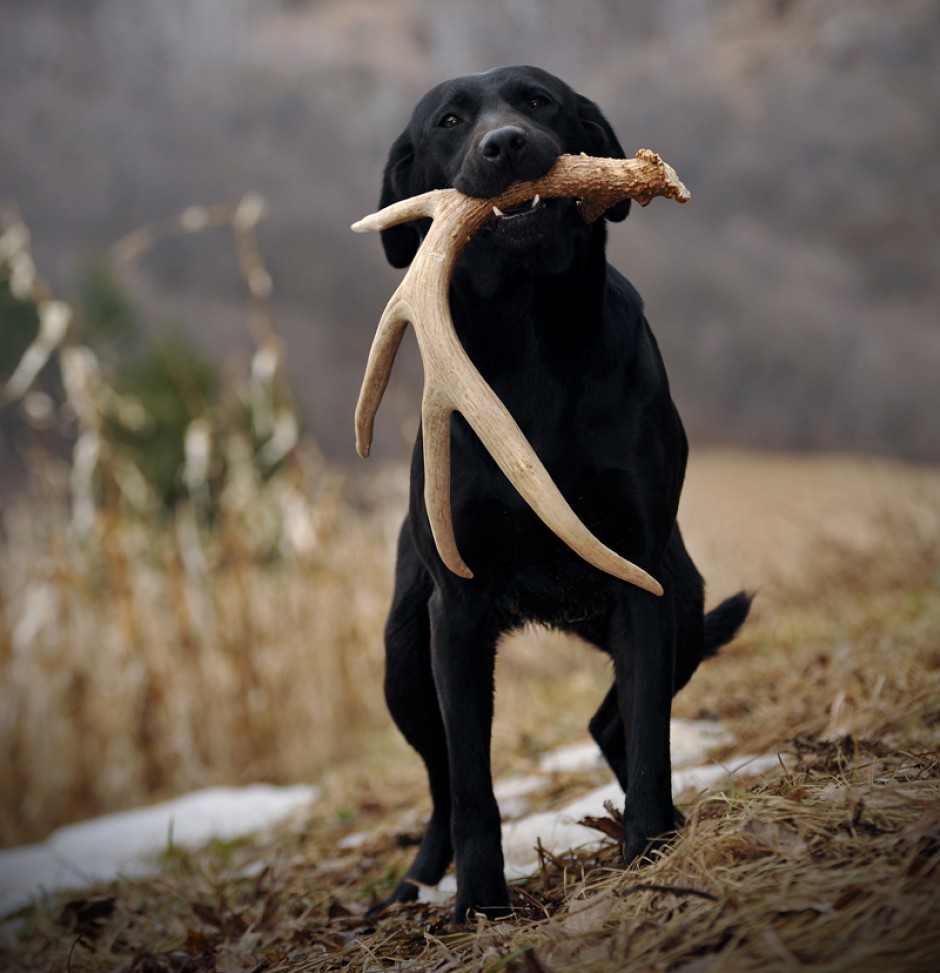
Image Source: dogbonehunter.com
Why Train Your Dog for Shed Hunting?
Shed hunting, the practice of searching for shed antlers left behind by deer and other cervids, has grown in popularity. Dogs possess an incredible sense of smell, making them ideal partners for this pursuit. Training your dog not only enhances your shed hunting success but also provides excellent mental and physical stimulation for your dog. It strengthens your bond and offers a fantastic way to spend time outdoors together.
The Power of Scent: Why Dogs Excel
Dogs’ olfactory capabilities are astounding. They have hundreds of millions more scent receptors than humans, allowing them to detect and differentiate a vast array of smells. Antlers, even old ones, retain a unique scent profile that dogs can learn to identify. This scent includes the animal’s natural oils, minerals absorbed from the ground, and even lingering pheromones. When you embark on dog training for antler hunting, you are essentially teaching your dog to isolate and follow this specific scent.
Getting Started: Essential Preparations
Before you begin any formal training, there are a few key things to consider.
Choosing the Right Breed
While many breeds can learn to hunt sheds, some are naturally better suited due to their scent drive and retrieving instincts.
Popular Breeds for Shed Hunting
- Labrador Retrievers: Known for their eagerness to please, intelligence, and strong retrieving drive.
- Golden Retrievers: Similar to Labs, they are intelligent, trainable, and have a natural love for retrieving.
- German Shorthaired Pointers: Possess a strong nose and a high energy level, making them excellent scent trackers.
- Brittany Spaniels: Energetic and eager, with a good scenting ability.
- Beagles: While primarily scent hounds, their dedication to following a scent can translate well to shed hunting with proper guidance.
- Any breed with a strong natural retrieving instinct and a good nose can be a successful shed hunting partner.
Gathering Your Supplies
You’ll need a few key items to begin your training:
- Shed Antlers: Start with clean, dry shed antlers. You can purchase these from online retailers or find them yourself if you have access to areas where deer shed.
- High-Value Treats: Small, tasty treats your dog absolutely loves are crucial for positive reinforcement shed training.
- A Scent Article (Optional but Recommended): A small piece of cloth or leather that has been rubbed on a shed antler can be used to introduce the scent.
- Leash and Collar/Harness: For control during initial training and especially for leash training for shed hunting.
- A Crate or Designated Training Area: A safe space for your dog to relax and for focused training sessions.
Shed Hunting Dog Basics: Building a Solid Foundation
The journey of shed hunting dog basics starts with building a strong foundation of obedience and scent awareness.
Obedience Training: The Cornerstone
A well-behaved dog is easier to train for any task. Ensure your dog has a solid grasp of basic commands like:
- “Sit”
- “Stay”
- “Come”
- “Leave It”
These commands are not just for good manners; they are essential for controlling your dog in the field and ensuring safety. For example, “Leave It” can prevent your dog from picking up something undesirable or dangerous.
Introducing the Shed Scent
The first step is to make the shed antler a positive and exciting object for your dog.
Scent Introduction Method
- Positive Association: Start by showing your dog the shed antler. When they show interest, praise them enthusiastically and offer a high-value treat. Repeat this several times, making the antler a source of good things.
- The “Find It” Game: Once your dog associates the antler with positive rewards, you can introduce a simple “Find It” game.
- Hold the antler in front of your dog. Say, “Find it!” or “Shed!”
- When your dog sniffs or mouths the antler, praise and reward them.
- Gradually increase the distance you hold the antler away.
Creating a Scent Article
To help your dog understand the specific scent you want them to find, you can create a scent article.
Creating a Scent Article
- Take a clean cloth or a small piece of leather.
- Rub it thoroughly on a shed antler until it carries the antler’s scent.
- Store this scent article in a sealed bag or container to preserve the scent. You can use this to introduce the specific scent you want your dog to focus on.
Teaching Your Dog to Find Antlers: Step-by-Step
Now, let’s move on to teaching your dog to actively search for and retrieve shed antlers. This stage is where teach dog to find antlers truly begins.
Phase 1: Introducing the Search
This phase focuses on getting your dog to actively search for a hidden antler.
Hidden Antler Game
- Simple Hides: Start in a controlled environment, like your backyard.
- Visibility First: Place the antler where your dog can see you hide it, but they are not directly looking.
- The Cue: Say, “Find it!” and encourage them to go to the spot.
- Reward and Praise: When they find it, offer enthusiastic praise and a reward.
- Gradual Difficulty: As your dog gets better, start hiding the antler when they aren’t watching.
- Increasing Distance: Hide the antler further away.
- Varying Terrain: Introduce different textures and surfaces where the antler is hidden.
Phase 2: Scent Detection for Sheds
This is where you refine your dog’s ability to use their nose to locate the antler, even when it’s not immediately visible. This is key for effective scent detection for sheds.
Enhancing Scent Work
- Blind Hides: Hide the antler completely out of sight.
- Using the Scent Article: You can initially lead your dog to the general area where you’ve hidden the antler, perhaps by letting them sniff the scent article first.
- Encourage Sniffing: Encourage your dog to use their nose to investigate the area. Watch for tail wags, nose down, and active sniffing.
- Rewarding Investigation: When your dog starts sniffing intently in the right direction, praise them.
- The “Find It” Command: Continue using your chosen cue (“Find it!” or “Shed!”).
- Rewarding the Find: When they locate the antler, a jackpot of praise and treats is in order!
Phase 3: Shed Antler Retrieval Training
Once your dog is consistently finding hidden antlers, the next step is to teach them to bring it back to you. This is the core of shed antler retrieval training.
Teaching the Retrieve
- Introduce the “Take It” Command: Hold the antler out to your dog. When they mouth it, say “Take it!” and reward them.
- The “Hold” Command: Encourage them to hold the antler for a few seconds before rewarding.
- The “Drop It” Command: Teach them to release the antler on command. Start by offering a treat in exchange for the antler.
- Short Retrieves: Once they reliably take, hold, and drop, start with very short retrieves. Place the antler a few feet away.
- Encourage Bringing It Back: When they pick it up, encourage them to come back to you. Use a happy, inviting tone. You can back away slightly to encourage them to follow.
- Reward the Return: When they bring the antler to you, praise them and ask for a “Drop it!” Reward them immediately after they drop it.
- Increasing Distance and Duration: Gradually increase the distance and the time you expect them to hold the antler before returning.
Incorporating Positive Reinforcement Shed Training
Throughout all these phases, positive reinforcement shed training is paramount.
Key Principles of Positive Reinforcement
- Reward Desired Behavior: Always reward your dog when they do what you want, whether it’s sniffing, finding, or retrieving.
- Timing is Crucial: Deliver rewards immediately after the desired behavior so your dog makes the connection.
- Keep Sessions Short and Fun: Dogs have short attention spans. Aim for 5-10 minute training sessions several times a day.
- End on a High Note: Always try to end your training sessions with a successful action and plenty of praise.
- Never Punish Mistakes: If your dog doesn’t find the antler or drops it prematurely, don’t scold them. Simply redirect them and try again, perhaps making it easier. This builds confidence.
Advanced Shed Hunting Dog Training Techniques
Once your dog has mastered the basics, you can introduce more complex scenarios to improve their skills.
Honing Scent Discrimination
This is about teaching your dog to distinguish the shed antler scent from other smells in the environment.
Scent Discrimination Drills
- Distractor Scents: Place the shed antler alongside other objects that have mild scents (e.g., a clean tennis ball, a piece of wood).
- Focus on the Shed: Reward your dog only when they choose the shed antler.
- Increase Distractions: Gradually introduce more distracting objects and stronger scents.
- Vary the Antler: Use different types of antlers (elk, deer, moose) to expose them to variations in scent.
Working in Different Environments
The real test is in the field. You’ll want to prepare your dog for various conditions.
Environmental Training
- Open Fields: Practice in large, open areas where the scent can be easily dispersed.
- Wooded Areas: Introduce thicker vegetation and more complex ground cover.
- Water Retrieves: If your dog enjoys water, practice retrieving antlers from shallow water.
- Varying Weather: Train in different weather conditions (wind, rain, sun) as these can affect scent.
Leash Training for Shed Hunting Success
While off-leash hunting is the ultimate goal, leash training for shed hunting is crucial for controlled environments and early stages.
Leash Training Tips
- Comfortable Fit: Ensure the collar or harness is comfortable and fits properly.
- Positive Association: Let your dog wear the leash and collar/harness around the house for short periods, pairing it with treats and praise.
- Gentle Guidance: When you start walking, use gentle leash pressure to guide them, rewarding them when they walk beside you nicely.
- Link to Scent Work: Use the leash to guide them to areas where you’ve hidden antlers, teaching them to follow your direction while still engaging their nose. This helps them learn to work in proximity to you.
- Gradual Freedom: As they become more proficient, you can practice with a long line, gradually increasing the freedom they have while still maintaining control.
What to Expect and When to Go Professional
Most dogs will respond well to consistent training. However, some may require a little extra help.
Recognizing Progress and Challenges
- Fast Learners: Some dogs will pick up on the “Find It” command and retrieving very quickly.
- Scent-Focused Dogs: Dogs that are naturally driven by scent may need more direction on the retrieving aspect.
- Distractible Dogs: Dogs that are easily distracted may need more reinforcement and shorter, more focused training sessions.
- If your dog struggles to stay focused or shows a lack of interest, reassess your training methods and ensure you are using high-value rewards.
When to Seek Professional Help
If you’re facing significant challenges or your dog isn’t progressing as you’d hoped, don’t hesitate to consult a professional dog trainer who specializes in scent work or retrieval. They can provide personalized guidance and help you overcome specific hurdles.
Best Breeds for Shed Hunting: A Closer Look
While many breeds can learn, some have inherent qualities that give them an edge in shed hunting.
Understanding Breed Strengths
| Breed | Key Strengths for Shed Hunting | Considerations |
|---|---|---|
| Labrador Retriever | Eagerness to please, strong retrieve drive, good nose, high trainability. | High energy, needs consistent exercise and mental stimulation. |
| Golden Retriever | Intelligent, trainable, gentle mouth, excellent retrieving ability. | Can be sensitive, requires positive reinforcement, needs regular grooming. |
| German Shorthaired Pointer | Excellent nose, natural pointer instinct, high stamina, eager to work. | Very high energy, requires significant exercise and mental challenges. |
| Brittany Spaniel | Energetic, keen nose, good stamina, loves to work with handler. | Can be prone to barking, needs consistent training and socialization. |
| Beagle | Driven by scent, tenacious, good nose. | Can be prone to baying/howling, may require more patience to redirect focus. |
The Shed Hunting Season: Preparing Your Dog
As shed season approaches, you’ll want to ensure your dog is in peak condition and their training is sharp.
Pre-Season Tune-Up
- Reinforce Basic Obedience: Run through your basic commands to ensure they are still sharp.
- Practice Retrieves: Do regular retrieving drills with shed antlers to keep their skills honed.
- Longer Sessions: Gradually increase the length of your training sessions to build stamina.
- Simulate Field Conditions: If possible, train in environments similar to where you’ll be shed hunting.
Frequently Asked Questions (FAQ)
Q1: How long does it take to train a dog to hunt sheds?
A1: The timeframe varies greatly depending on the individual dog’s age, breed, previous training, and the consistency of your training. Some dogs might grasp the basics in a few weeks, while others may take several months to become proficient. Patience and consistency are key.
Q2: Can I train an older dog to hunt sheds?
A2: Yes, you absolutely can! While puppies may have more energy and learn quickly, older dogs can also be excellent shed hunters, especially if they have a good foundation in obedience and a strong retrieving drive. You might need to adjust training intensity to accommodate their age.
Q3: What if my dog chews the antler instead of retrieving it?
A3: This is common, especially with younger dogs. When they mouth the antler, immediately redirect them with an excited “Bring it here!” or “Come on!” and reward them when they bring it to you. You can also try using a more “hard-mouthed” retrieve approach initially, focusing on them carrying it back, and then refine the “gentle mouth” later. Using a slightly larger or more awkward-to-chew antler can also help.
Q4: How do I introduce my dog to the smell of shed antlers without them becoming obsessed with just one?
A4: Start by having a variety of shed antlers available. When you introduce the scent, don’t make one specific antler the “holy grail.” Rotate them and use your scent article sparingly to focus the scent rather than making one object the sole focus of their desire. Always keep training sessions varied and engaging.
Q5: Is it okay to use a long line for training in the field?
A5: Yes, a long line is an excellent tool for leash training for shed hunting and for building confidence in a larger area. It allows your dog more freedom to explore and use their nose while ensuring you maintain control and can intervene if needed.
Q6: What are the essential commands for shed hunting?
A6: Key commands include “Find it” (or your chosen shed cue), “Come,” “Stay,” “Leave it,” and “Drop it.” These commands are crucial for managing your dog effectively and ensuring safety in the field.
By following this comprehensive guide, you’ll be well on your way to training a capable and enthusiastic shed hunting partner. Enjoy the process, celebrate the successes, and embrace the incredible bond you’ll build along the way!