
Why is my dog so stubborn? Your dog might seem stubborn because they are not motivated by your current rewards, they don’t fully comprehend what you’re asking, or they might have underlying emotional or physical issues affecting their behavior. Sometimes, what appears as stubbornness is actually a lack of clear communication, inconsistent training, or even a health problem.
Navigating the world of dog training can often feel like a puzzle, especially when your furry friend appears to be deliberately ignoring your commands or exhibiting behaviors that seem to stem from pure defiance. This common dog disobedience can be frustrating, leading many owners to label their canine companions as “stubborn.” However, labeling a dog as stubborn is often an oversimplification of complex behavioral dynamics. Fathoming why your dog resists training requires looking beyond the surface and exploring various factors that influence canine behavior. This in-depth guide aims to shed light on the common reasons behind perceived stubbornness and provide actionable training tips to overcome these dog training challenges.
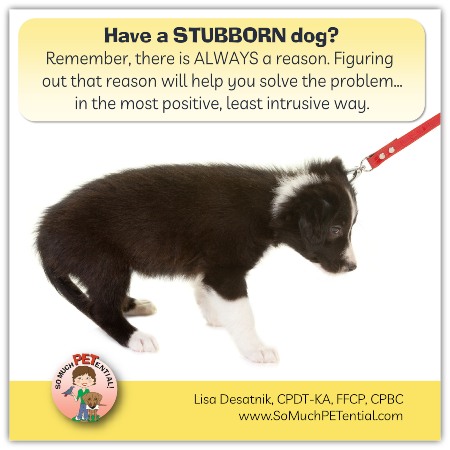
Image Source: somuchpetential.com
Decoding Perceived Stubbornness: More Than Just a Willful Spirit
The term “stubborn” implies a conscious decision to defy. In reality, a dog’s behavior is rarely driven by malicious intent. Instead, it’s often a response to their environment, their breed predispositions, their emotional state, or a lack of clear understanding. Deciphering these underlying causes is the first step towards effective training.
Breed Predispositions and Instincts
Certain breeds were historically developed for tasks that require independent thinking and a strong will. For instance, hounds were bred to track scent on their own, and terriers were bred to hunt vermin with determination.
- Herding Breeds: Dogs like Border Collies and Australian Shepherds are intelligent and energetic. If not adequately stimulated mentally and physically, they can find their own “jobs,” which might involve herding family members or household objects, often in ways you don’t approve of. This can be mistaken for stubbornness when they are simply trying to fulfill their innate drive.
- Scent Hounds: Breeds like Beagles and Basset Hounds are driven by their noses. Once a scent captures their attention, it can be incredibly difficult to break their focus, leading to what appears as selective hearing dog behavior. They might ignore your calls because the scent is simply more compelling at that moment.
- Terriers: Known for their tenacity and prey drive, terriers can be independent and persistent in pursuing what they want. This can manifest as digging, chasing, or resisting commands if their drive isn’t channeled appropriately.
Lack of Motivation or Unclear Rewards
One of the most frequent reasons for dog disobedience is that the reward offered for performing a command isn’t valuable enough to the dog. What motivates one dog might not motivate another.
- Value of Rewards: Are you using treats your dog truly loves? High-value treats (like small pieces of cheese, cooked chicken, or specific dog training treats) are often more effective than kibble, especially in distracting environments.
- Timing of Rewards: Rewards need to be delivered immediately after the desired behavior occurs. If you wait too long, your dog might not connect the reward with the action they performed.
- Over-Reliance on One Reward: Dogs can get bored. Varying the rewards (treats, praise, toys, a game of fetch) can keep them engaged and motivated.
Insufficient or Inconsistent Training
Puppyhood is a critical period for socialization and basic obedience. However, training doesn’t stop there; it’s an ongoing process.
- Puppy Training Difficulties: Young puppies are still learning about the world and developing impulse control. They have short attention spans and are easily distracted. What seems like stubbornness in a puppy might be a developmental stage.
- Inconsistency: If rules and commands are applied inconsistently, dogs become confused. For example, if your dog is allowed on the couch sometimes but not others, they will struggle to learn the “no couch” rule. This leads to dog not responding to commands as reliably.
- Unclear Cues: Ensure your verbal cues are clear and consistent. Avoid changing commands or using too many words. A simple, distinct cue is best.
Environmental Distractions and Overstimulation
The world is full of exciting smells, sounds, and sights for a dog. In a distracting environment, a dog’s natural instincts and immediate sensory input can easily override learned behaviors.
- Leash Pulling: Leash pulling is a classic example. A dog might be excited about sniffing something ahead or seeing another dog. If pulling gets them closer to what they want, they learn that pulling works. Consistent training with positive reinforcement for loose-leash walking is key.
- Distracting Environments: A dog might sit perfectly in your quiet living room but completely ignore commands at the dog park. This isn’t stubbornness; it’s a sign that the training needs to be generalized to different environments with increasing levels of distraction.
Emotional and Physical Well-being
A dog’s emotional and physical state significantly impacts their ability to learn and respond.
- Dog Anxiety Issues: Anxiety can manifest as fearfulness, avoidance, or even aggression. A dog experiencing anxiety might appear resistant to training because they are too preoccupied with their fear. For example, a dog with separation anxiety might refuse to go into their crate.
- Pain or Discomfort: Physical pain can make a dog unwilling to perform certain actions, like jumping or running. If your dog suddenly seems “stubborn” about activities they previously enjoyed, a veterinary check-up is essential to rule out underlying medical conditions.
- Fear of Correction: A dog experiencing dog resistance to correction, especially harsh punishment, may shut down and become unwilling to engage in training. They might associate the training process with punishment, leading to avoidance. This is why positive reinforcement methods are highly recommended.
Age-Related Changes
Even well-trained dogs can exhibit changes in behavior as they age.
- Puppy Training Difficulties: As mentioned, puppies are learning. Their cognitive abilities are still developing, and their impulse control is low.
- Senior Dogs: Older dogs might experience cognitive decline (similar to dementia in humans), hearing loss, or arthritis, all of which can affect their responsiveness. What appears as stubbornness could be a sign of age-related issues.
Effective Training Strategies to Counter Stubbornness
Overcoming perceived stubbornness in your dog requires patience, consistency, and a positive approach. The focus should always be on building a strong bond and clear communication.
1. Build a Strong Foundation with Positive Reinforcement
Positive reinforcement is the cornerstone of effective and humane dog training. It involves rewarding desired behaviors, making them more likely to occur again.
- High-Value Rewards: Identify what truly motivates your dog. This could be tiny pieces of cooked chicken, bits of string cheese, or special training treats. Rotate rewards to keep your dog engaged.
- Timing is Crucial: Deliver the reward within 1-2 seconds of the desired behavior. A clicker can be a useful tool to precisely mark the moment the dog does the right thing, followed by the reward.
- Keep Sessions Short and Fun: Dogs, especially puppies, have short attention spans. Aim for 5-10 minute training sessions multiple times a day, rather than one long, tedious session. End on a positive note.
2. Master Basic Obedience Commands
Ensuring your dog reliably responds to fundamental commands is essential. If a dog consistently exhibits dog not responding to commands, it often means the initial training wasn’t robust enough or hasn’t been generalized well.
- “Sit,” “Stay,” “Come,” “Down”: These are foundational. Practice them in various environments with increasing distractions.
- “Leave It”: Crucial for preventing ingestion of harmful items and for managing leash pulling (e.g., teaching them to leave squirrels or other dogs alone).
- “Drop It”: Useful for preventing resource guarding and safely ending play.
Table: Basic Obedience Command Training Progression
| Command | Initial Stage (Low Distraction) | Intermediate Stage (Moderate Distraction) | Advanced Stage (High Distraction) |
|---|---|---|---|
| Sit | Lure with a treat, say “Sit,” reward when rear touches the ground. | Practice in different rooms, outdoors in a quiet yard, with mild distractions. | Practice at the park, on a walk (briefly), with other dogs present. |
| Come | Call name and “Come” with excitement, reward enthusiastically upon arrival. | Practice in a fenced yard, with a long line, with mild distractions. | Practice in open, safe areas, with increasing distractions (e.g., other people). |
| Stay | Ask for “Sit,” then “Stay.” Reward for holding position for a few seconds. | Increase duration, distance, and add distractions gradually. | Practice with significant distractions, asking for longer stays. |
3. Address Specific Behavioral Challenges
Many issues that appear as stubbornness are specific problems that need targeted solutions.
- Leash Pulling:
- Reward Loose Leash: Stop walking the moment the leash becomes taut. Only resume when the leash slackens. Reward the dog with a treat when the leash is loose.
- Front-Clip Harnesses: These can help reduce pulling by redirecting the dog’s forward momentum.
- “Heel” Command: Teach your dog to walk beside you, rewarding them for staying in position.
- Selective Hearing Dog Behavior:
- Get Attention First: Before giving a command, ensure you have your dog’s attention. Use their name or a specific attention-getting sound.
- Practice “Watch Me”: Teach your dog to make eye contact with you on command.
- Increase Reward Value: If your dog is ignoring you, the reward for compliance might not be high enough compared to what they are currently focused on.
- House Training Regression:
- Identify Triggers: Has there been a change in routine? New pets? New people? Dog anxiety issues can cause regression.
- Revisit Basics: Increase potty breaks, reward frequently for successful outdoor elimination, and clean accidents thoroughly with an enzymatic cleaner.
- Supervise Closely: When unsupervised, use crates or baby gates to prevent accidents.
4. Socialization and Environmental Exposure
Proper socialization, especially during puppyhood, is crucial. It helps dogs become well-adjusted and less prone to fear-based behaviors that can be mistaken for stubbornness.
- Positive Experiences: Expose your puppy to a wide variety of sights, sounds, people, and other well-behaved dogs in a positive and controlled manner.
- Desensitization and Counter-Conditioning: For dogs that exhibit fear or reactivity to certain stimuli, these techniques can help change their emotional response. This is key for dogs with dog anxiety issues.
5. Manage the Environment
Sometimes, managing the environment is the most effective short-term solution while you work on long-term training.
- Prevent Opportunities for Undesired Behavior: If your dog tends to snatch food off counters, keep counters clear. If they dig in the garden, supervise them closely outdoors or limit their access.
- Create a “Safe Space”: Ensure your dog has a comfortable den-like area where they can retreat if feeling overwhelmed.
6. Know When to Seek Professional Help
If you’re struggling with persistent dog behavioral problems or if your dog’s behavior is impacting their quality of life or yours, don’t hesitate to consult a professional.
- Certified Professional Dog Trainer (CPDT-KA/SA): They can assess your dog’s behavior, identify the root cause, and create a customized training plan.
- Veterinary Behaviorist: For complex issues, especially those related to anxiety, aggression, or compulsive disorders, a veterinary behaviorist can provide specialized diagnosis and treatment, which may include medication.
Frequently Asked Questions (FAQ)
Q1: My dog only listens to me when I have treats. Is this normal?
A1: It’s common for dogs to be highly motivated by treats, especially in the early stages of training or in distracting environments. The goal is to gradually fade the reliance on treats by phasing in other rewards like praise, petting, or play. However, high-value treats remain an important tool for challenging situations.
Q2: Why does my dog seem to have selective hearing?
A2: This is often due to a lack of attention or a perceived lack of reward for responding. Ensure you have your dog’s focus before giving a command, use clear cues, and make sure the reward for obeying is more appealing than the distraction.
Q3: Can punishment make my dog more stubborn?
A3: Yes, harsh punishment can lead to dog resistance to correction. Instead of learning, the dog may become fearful, anxious, or shut down, associating the training with negative experiences. Positive reinforcement builds trust and a willingness to work with you.
Q4: My puppy is having house training regression. What should I do?
A4: House training regression can be caused by various factors, including dog anxiety issues, changes in routine, or medical problems. Revisit your house-training schedule, increase supervision, reward successful potty breaks, and consult your veterinarian to rule out any health concerns.
Q5: Is it possible to train an older dog who has always been “stubborn”?
A5: Absolutely! While older dogs may have established habits, they are still capable of learning. Patience, consistent positive reinforcement, and identifying the right motivators are key. Be mindful of any age-related health issues that might affect their mobility or cognitive function.
Q6: What’s the difference between stubbornness and a lack of understanding?
A6: Stubbornness implies a willful refusal. A lack of understanding means the dog genuinely doesn’t comprehend what is being asked, or the reward system isn’t clear. Most of the time, what appears as stubbornness is actually a communication breakdown or a lack of clear motivation for the dog.
Q7: How do I stop leash pulling effectively?
A7: Stopping leash pulling requires consistent management and training. Reward your dog for walking on a loose leash. If they pull, stop moving forward until the leash slackens. Consider using a front-clip harness and practicing consistent “heel” commands with positive reinforcement.
By delving into the root causes of behaviors often labeled as stubbornness and implementing these positive, science-based training strategies, you can foster a stronger bond with your dog and achieve a more cooperative and enjoyable relationship. Remember, every dog is an individual, and patience and persistence are your greatest allies.