
Can you take your dog to the beach? Yes, many beaches welcome dogs, but it’s crucial to ensure their safety and comfort in the sun and heat. Taking your dog to the beach is a fantastic way to bond and enjoy the outdoors, but the sun, sand, and water can pose risks if you’re not prepared. This guide will equip you with everything you need to know to keep your canine companion safe, happy, and cool.
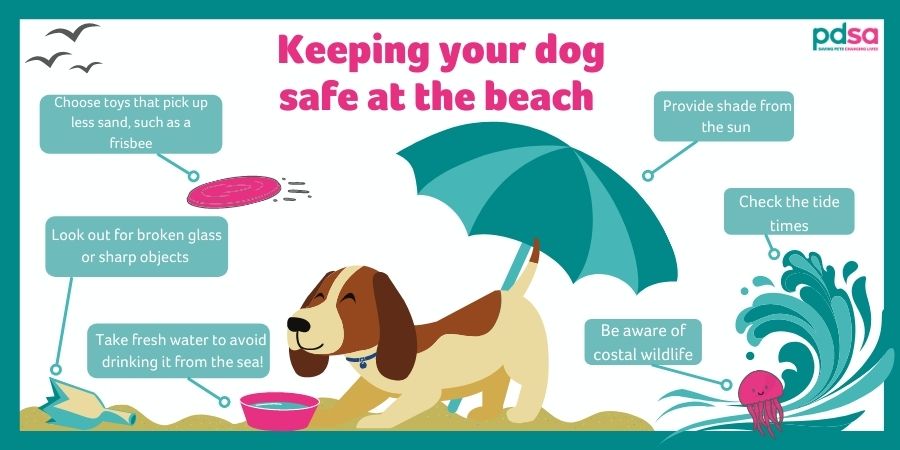
Image Source: www.pdsa.org.uk
Preparing for Your Beach Trip
A little planning goes a long way when heading to the beach with your dog. Think of it like packing for a human beach trip, but with specific needs for your furry friend.
Essential Beach Gear for Your Dog
Having the right equipment is key. Don’t leave home without these items:
- Plenty of Fresh Water: This is non-negotiable. Dogs can dehydrate quickly in the heat.
- Collapsible Water Bowl: Lightweight and easy to carry.
- Shade Shelter: A beach umbrella, pop-up tent, or canopy.
- Dog Cooling Mats: Provide a cool surface for your dog to lie on.
- Portable Dog Pools: A shallow pool filled with water can be a lifesaver.
- Wet Dog Towels: For drying off and keeping them cool.
- Dog Sunscreen: For dogs with thin fur or light-colored skin on their nose and ears.
- Dog Sun Hats or Visors: Protect sensitive faces from the sun.
- Leash and Collar/Harness: Ensure it’s visible and comfortable.
- Waste Bags: For responsible cleanup.
- First-Aid Kit: Include items for minor cuts or scrapes, especially paw injuries.
- Life Vest (if swimming): Essential for dogs who aren’t strong swimmers or for boating.
Choosing the Right Time to Go
When you visit the beach can make a huge difference in your dog’s comfort and safety.
- Early Morning or Late Afternoon: These times offer cooler temperatures and less intense sunlight, significantly reducing the risk of heatstroke.
- Avoid Midday Sun: Between 10 AM and 4 PM, the sun is at its strongest. This is the most dangerous time for dogs to be exposed to direct heat.
Beach Dog Safety Considerations
Beach dog safety is paramount. Always keep an eye on your dog and be aware of potential hazards.
- Supervision: Never leave your dog unattended, even for a moment.
- Water Safety: Not all dogs are natural swimmers. Introduce them to the water gradually and always supervise them, especially in waves or currents. A dog life vest is a great safety addition.
- Sand Temperature: Hot sand can burn your dog’s paws. Check the sand temperature with your own hand. If it’s too hot for you, it’s too hot for them.
- Seawater Ingestion: Encourage your dog to drink fresh water. Drinking too much saltwater can lead to dehydration and digestive upset.
- Wildlife and Hazards: Be aware of jellyfish, sharp shells, or marine life that could harm your dog.
- Crowds: If the beach is crowded, your dog might get stressed. Choose less busy times or locations if your dog is anxious.
Keeping Your Dog Cool: The Core Strategies
Now, let’s dive into the practical ways to keep your furry friend from overheating.
Ensuring Canine Hydration
Hydration is the cornerstone of keeping your dog cool.
- Constant Access to Fresh Water: Carry more water than you think you’ll need. Don’t rely on your dog finding a water source at the beach, as most natural water sources are not safe for them to drink.
- Encourage Drinking: Offer water frequently, especially after they’ve been active or playing.
- Frozen Dog Treats: These are a fantastic way to provide hydration and a cool treat.
Popular Frozen Dog Treats
- Frozen Yogurt Bites: Plain, unsweetened yogurt mixed with a bit of water and frozen in ice cube trays.
- Broth Cubes: Low-sodium chicken or beef broth frozen into cubes.
- Fruit Ice Pops: Blend dog-safe fruits like blueberries, watermelon (seeds and rind removed), or bananas with a little water and freeze.
- Frozen Peanut Butter Kongs: Fill a Kong toy with peanut butter and freeze for a long-lasting cool treat.
Providing Shade and Shelter
Direct sun exposure is a major contributor to overheating.
- Shaded Areas for Dogs: Look for natural shade from trees or lifeguard stations. If none are available, bring your own.
- Beach Umbrellas: A classic and effective way to create a shaded spot.
- Pop-Up Tents or Canopies: These offer more substantial shade and protection from the elements. They are perfect for creating a designated cool-down zone for your dog.
- Tarp or Sheet Shelter: Rig a tarp or large sheet between chairs or driftwood to create a makeshift shaded area.
Cooling Techniques and Products
Beyond shade and water, specific cooling aids can be very beneficial.
- Dog Cooling Mats: These are designed to absorb heat from your dog’s body and dissipate it, providing a cool surface to lie on. They can be placed under your dog in their shaded spot.
- Portable Dog Pools: Fill a shallow, portable pool with cool water. Let your dog splash and lie down in it. This is an excellent way for them to regulate their body temperature.
- Wet Dog Towels: Soak towels in cool water and drape them over your dog, focusing on their belly, groin, and neck. Ensure they don’t overheat themselves with a wet towel. Alternating wet and dry towels is a good strategy.
- Spritzing with Water: Use a spray bottle filled with cool water to mist your dog periodically.
Protecting Your Dog from the Sun’s Rays
While keeping cool is essential, protecting your dog from sunburn and sunstroke is equally important.
Paw Protection Beach
The sand can get incredibly hot, leading to painful burns on your dog’s paws.
- Check Sand Temperature: As mentioned, if it’s too hot for your feet, it’s too hot for their paws.
- Walk on Wet Sand: The sand closer to the water is usually cooler and damper.
- Paw Wax or Booties: Apply a pet-safe paw wax or use dog booties for extra protection on extremely hot sand.
- Avoid Paved Areas: Paths or boardwalks near the beach can become scorching hot.
Sunburn Prevention
Dogs can get sunburned too, especially those with thin fur, light coats, or pink skin.
- Sunscreen for Dogs: Use a sunscreen specifically formulated for dogs. Apply it to their nose, ears, and any other exposed areas of skin. Avoid sunscreens containing zinc oxide or PABA, which can be toxic to dogs if ingested.
- Shade is Key: This cannot be stressed enough. Limit direct sun exposure.
- Dog Sun Hats or Visors: These can protect your dog’s face and eyes from harmful UV rays. Ensure they are comfortable and your dog tolerates them.
Recognizing and Preventing Heatstroke in Dogs
Heatstroke is a serious, life-threatening condition that can affect dogs very quickly. Knowing the signs and how to prevent it is critical.
Signs of Heatstroke Dogs
Be vigilant. If you notice any of these symptoms, act immediately.
- Excessive Panting: Much more panting than usual, with the tongue hanging out far.
- Drooling: Thick, sticky saliva.
- Gastrointestinal Upset: Vomiting or diarrhea, sometimes with blood.
- Red Gums and Tongue: Gums may appear bright red or bluish.
- Weakness or Lethargy: Your dog may seem unusually tired or unable to stand.
- Dizziness or Stumbling: Loss of coordination.
- Rapid Heart Rate: You might feel their heartbeat increase.
- Collapse: In severe cases, your dog may collapse.
Steps to Take if You Suspect Heatstroke
Immediate action is crucial.
- Move to a Cool Area: Get your dog out of the sun and into a shaded or air-conditioned space immediately.
- Cool the Dog Gradually: Use cool (not ice-cold) water to wet your dog, focusing on their belly, groin, paws, and armpits. You can use wet dog towels or a hose on a gentle setting.
- Offer Small Amounts of Water: If your dog is alert and able to drink, offer small amounts of cool water. Do not force them to drink.
- Seek Veterinary Care: Even if your dog seems to recover, it is essential to contact your veterinarian or an emergency vet clinic immediately. Internal damage can occur even if external signs improve.
How to Prevent Heatstroke Dogs
Prevention is always better than cure.
- Avoid Peak Heat: Never take your dog out during the hottest parts of the day.
- Constant Hydration: Always have fresh, cool water available.
- Provide Ample Shade: Ensure your dog has a shaded resting spot.
- Limit Exercise: Avoid strenuous activities like running or vigorous play when it’s hot.
- Use Cooling Aids: Dog cooling mats and portable dog pools can help maintain a safe body temperature.
- Never Leave in a Car: Even for a few minutes, a car can become an oven very quickly.
Activities for a Cool Beach Day
Enjoying the beach with your dog doesn’t have to be all about strenuous activity. Here are some calmer, cooler options.
Gentle Play and Relaxation
- Shallow Water Play: Let your dog paddle in the shallow water where they can easily stand. Supervise them closely.
- Digging in the Sand: Some dogs love to dig. Ensure they don’t ingest too much sand.
- Relaxing in the Shade: Provide them with their dog cooling mat and let them nap in the shade.
- Gentle Fetch with a Floating Toy: If your dog enjoys fetch, use a toy that floats and can be retrieved from shallow water.
Post-Beach Care
When you get home, there are a few things to do to ensure your dog remains comfortable and healthy.
Cleaning and Rinsing
- Rinse Off Saltwater: Saltwater can dry out your dog’s skin and coat and may cause irritation. Rinse your dog thoroughly with fresh water.
- Clean Paws: Gently rinse or wipe down their paws to remove any sand, salt, or debris. Check for any small cuts or abrasions.
- Dry Thoroughly: Use a towel to dry your dog, especially in areas where skin folds may trap moisture, which can lead to irritation.
Checking for Issues
- Paw Inspection: Carefully check your dog’s paw pads for any redness, blisters, or cuts.
- Skin Check: Look for any signs of sunburn on their ears, nose, or any thinly haired areas.
Traveling to the Beach Safely
Your journey to and from the beach is also important.
Car Safety
- Secure Your Dog: Use a pet seat belt, carrier, or crate to keep your dog safe during travel.
- Ventilation: Ensure your car is well-ventilated. Never leave your dog unattended in a parked car.
- Breaks: If it’s a long drive, stop regularly to allow your dog to stretch, relieve themselves, and drink water.
Table: Beach Essentials Checklist
| Item | Importance | Notes |
|---|---|---|
| Fresh Water | Critical | Carry more than you think you’ll need. |
| Water Bowl | Essential | Collapsible ones are convenient. |
| Shade Shelter | Highly Recommended | Umbrella, tent, or canopy. |
| Dog Cooling Mats | Recommended | Provides a cool resting surface. |
| Portable Dog Pools | Highly Recommended | Great for cooling off and play. |
| Wet Dog Towels | Recommended | For cooling and drying. |
| Dog Sunscreen | Recommended | For exposed skin and noses. |
| Dog Sun Hats | Optional | For extra face protection. |
| Leash & Collar/Harness | Essential | Secure and visible. |
| Waste Bags | Essential | Responsible cleanup. |
| First-Aid Kit | Recommended | For minor injuries. |
| Life Vest | Essential (if swimming) | For safety in the water. |
| Paw Protection | Recommended | Wax or booties for hot sand. |
Frequently Asked Questions (FAQ)
Can my dog drink seawater?
No, dogs should not drink seawater. While a small accidental lick might not be harmful, ingesting significant amounts of saltwater can lead to dehydration, vomiting, diarrhea, and other serious health issues like salt poisoning. Always provide your dog with fresh, clean drinking water at the beach.
How often should I offer my dog water at the beach?
You should offer your dog water frequently, especially after they have been active or spent time in the sun. Aim to offer water every 15-20 minutes or whenever they seem thirsty. Don’t wait for them to show signs of thirst, as this can indicate they are already becoming dehydrated.
How can I tell if the sand is too hot for my dog’s paws?
A simple test is to place the back of your hand on the sand for seven seconds. If it’s too hot for you to comfortably hold your hand there, it’s definitely too hot for your dog’s paws. Opt for the wet sand near the water’s edge or use paw protection if you must walk on dry, hot sand.
What are the best cooling products for dogs at the beach?
Some of the most effective cooling products include dog cooling mats, portable dog pools filled with water, and wet dog towels that can be draped over your dog. A spray bottle filled with cool water is also great for misting your dog.
Is it safe for my dog to swim in the ocean?
For most dogs, swimming in the ocean can be a fun and safe activity, provided they are supervised and have adequate safety measures in place. Not all dogs are natural swimmers, so if your dog is inexperienced or a weak swimmer, ensure they wear a properly fitted dog life vest. Be mindful of currents, waves, and marine life, and always rinse your dog with fresh water after swimming to remove salt and sand.
By following these guidelines and being prepared, you can ensure your dog has a safe, enjoyable, and cool experience at the beach. Remember that your dog relies on you to keep them out of harm’s way, so a little extra preparation can make all the difference for their health and happiness.