
A swollen dog paw can be a worrying sign for any pet owner. What is the best way to treat a swollen dog paw? The best approach involves identifying the cause, providing immediate comfort, and seeking veterinary care when necessary. Can I treat a swollen dog paw at home? Some minor irritations can be managed with home remedies, but severe swelling or signs of pain require professional attention.
Seeing your beloved canine companion with a swollen paw can be distressing. This common ailment, known as dog paw inflammation or canine foot swelling, can stem from a variety of issues, ranging from minor scrapes to more serious infections or injuries. Prompt and appropriate dog paw care is crucial for your dog’s comfort and well-being. This comprehensive guide will delve into the common causes of swollen dog paw, effective dog paw injury treatment, swollen dog pad issues, dog paw infections, and offer practical solutions, including swollen dog paw home remedies and advice for dog limping treatment.
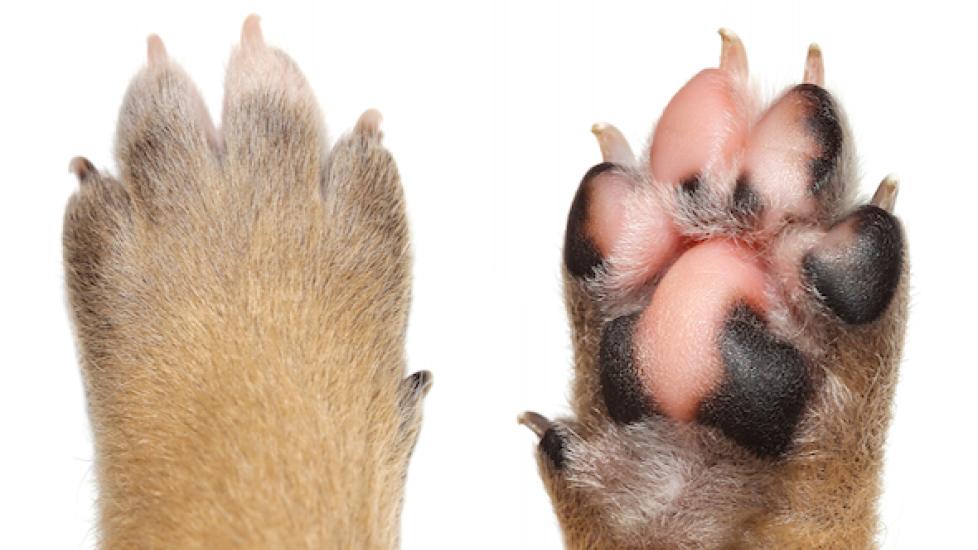
Image Source: image.petmd.com
Deciphering the Causes of Canine Foot Swelling
Before you can effectively treat a swollen paw, you need to understand what might be causing it. Many factors can lead to dog paw inflammation. Some are easily identifiable, while others may require a veterinarian’s expertise to diagnose.
Physical Trauma and Injury
Direct physical impact is a frequent culprit behind a swollen paw. This can occur during play, exercise, or even everyday activities.
- Cuts and Abrasions: A simple cut from a sharp object like glass, a rock, or even a rough surface can cause localized swelling and pain.
- Bruises: A direct blow to the paw can result in bruising and subsequent swelling.
- Sprains and Strains: Overexertion, jumping awkwardly, or twisting the paw can lead to ligament or tendon damage, causing significant canine foot swelling.
- Fractures: A broken bone in the paw, toe, or leg will almost always result in severe swelling, pain, and an inability to bear weight.
- Insect Bites and Stings: Bee stings, wasp stings, or bites from other insects can cause rapid and localized swelling around the site of the sting or bite. These can be particularly painful for dogs.
- Foreign Objects: Splinters, thorns, burrs, or even small pieces of debris lodged in the paw pad or between the toes can irritate the tissue, leading to inflammation and swelling.
Allergic Reactions
Just like humans, dogs can experience allergic reactions that manifest as paw swelling.
- Environmental Allergens: Contact with certain plants, pollens, molds, or even chemicals on sidewalks can trigger an allergic response, causing itchy and swollen paws. This is often referred to as contact dermatitis.
- Food Allergies: While less common for localized paw swelling, some dogs with food allergies may exhibit skin issues, including itchy and swollen paws, as part of a systemic reaction.
Infections
Infections are a serious concern and require prompt veterinary attention. They can occur on the surface of the paw or penetrate deeper tissues.
- Bacterial Infections: These can arise from open wounds, cuts, or even small abrasions that become contaminated. Symptoms can include redness, heat, pus, and increasing swelling.
- Fungal Infections: Certain fungal infections, such as those causing “interdigital cysts” or pododermatitis, can lead to inflamed, swollen, and painful areas between the toes.
- Parasitic Infections: Mites (like Demodex or Sarcoptes) can infest the paw, causing irritation, hair loss, and swelling.
Other Medical Conditions
Certain underlying health issues can also contribute to swollen paws.
- Arthritis and Joint Problems: Degenerative joint disease or other orthopedic conditions can cause inflammation in the paw joints, leading to swelling and stiffness.
- Circulatory Issues: Problems with blood flow, such as congestive heart failure or vein issues, can sometimes lead to edema (fluid accumulation) in the paws.
- Tumors or Cysts: Growths on or within the paw can cause localized swelling and discomfort.
Recognizing the Signs of a Swollen Paw
A swollen paw isn’t always obvious. It’s important to know what to look for:
- Visible Swelling: The most apparent sign is an enlarged paw or toe. The swelling might be generalized or localized to a specific pad or area.
- Limping or Lameness: Your dog may favor the affected paw, refuse to walk on it, or exhibit a noticeable limp. This is a key indicator of dog limping treatment needs.
- Licking or Chewing: Excessive licking or chewing at the paw is a common sign of irritation, pain, or itchiness, often accompanying dog paw inflammation.
- Redness and Heat: The affected area may appear redder than usual and feel warm to the touch, indicative of inflammation or infection.
- Discharge: Any oozing of pus or fluid from the paw can signal an infection.
- Behavioral Changes: A dog in pain might be less active, lethargic, irritable, or reluctant to play.
- Changes in Paw Pad: You might notice a swollen dog pad, a cut, a puncture wound, or a foreign object embedded in it.
Treating a Swollen Dog Paw: From Home Remedies to Veterinary Care
The approach to treating a swollen dog paw depends heavily on the underlying cause and the severity of the swelling.
Initial Home Care and First Aid
For minor issues or while waiting for veterinary advice, these swollen dog paw home remedies can provide temporary relief and prevent further irritation.
Important Note: Always consult your veterinarian before attempting any treatment, especially if your dog is in significant pain or the swelling is severe.
- Gentle Cleaning: If the swelling is due to a minor cut or abrasion, gently clean the area with warm water and a mild, pet-safe antiseptic solution (like diluted chlorhexidine or povidone-iodine). Avoid harsh chemicals or alcohol, which can sting.
- Soaking the Paw: A warm water soak can help reduce swelling and soothe discomfort. You can add Epsom salts (magnesium sulfate) to the water, as it can help draw out inflammation. Use about 1-2 tablespoons of Epsom salts per quart of warm water. Soak for 10-15 minutes, 2-3 times a day. Ensure the water is not too hot.
- Cool Compress: For acute swelling and pain, a cool compress (a clean cloth soaked in cool water and wrung out) can help reduce inflammation. Apply for 10-15 minutes at a time, several times a day.
- Protecting the Paw: Prevent your dog from licking or chewing the paw, as this can introduce bacteria and worsen the condition. An Elizabethan collar (cone of shame) is often necessary. You can also try bandaging the paw, but ensure it’s not too tight, as this can restrict blood flow and worsen swelling. Consult your vet on proper bandaging techniques.
- Rest and Restricted Activity: Limit your dog’s exercise and prevent strenuous activities, running, and jumping. Leash walks should be short and only for necessary potty breaks. This is a crucial part of dog limping treatment.
When to Seek Veterinary Attention Immediately
Certain signs indicate that your dog needs professional veterinary care as soon as possible:
- Severe Swelling: If the paw is excessively swollen and appears tense or shiny.
- Intense Pain: If your dog is yelping, crying, or showing extreme reluctance to move the paw.
- Inability to Bear Weight: If your dog cannot put any weight on the affected leg.
- Open Wounds or Punctures: Deep cuts, puncture wounds, or a bleeding paw require immediate medical attention.
- Signs of Infection: Pus, foul odor, extreme redness, or heat emanating from the paw.
- Rapidly Worsening Swelling: If the swelling increases dramatically in a short period.
- Signs of Systemic Illness: Lethargy, fever, vomiting, or diarrhea accompanying the paw swelling.
- Suspected Fracture or Broken Bone: If you suspect your dog has broken a bone.
Veterinary Diagnosis and Treatment Options
Your veterinarian will perform a thorough physical examination, ask about your dog’s history, and may recommend diagnostic tests to determine the cause of the swollen dog paw.
Diagnostic Tools
- Physical Examination: Palpating the paw to identify tenderness, heat, swelling, and any foreign objects.
- X-rays (Radiographs): Essential for detecting fractures, dislocations, or signs of arthritis.
- Blood Tests: To check for infection, inflammation, or underlying systemic diseases.
- Cytology or Biopsy: If an infection or tumor is suspected, samples may be taken for microscopic examination.
- Allergy Testing: If allergies are suspected, specific tests may be recommended.
Veterinary Treatment Strategies
The treatment plan will be tailored to the diagnosed cause:
- Wound Care and Bandaging: For cuts and abrasions, the vet will clean and dress the wound, potentially applying a sterile bandage.
- Antibiotics or Antifungals: If a dog paw infection is present, the vet will prescribe appropriate oral or topical medications.
- Pain Management: Prescription pain relievers and anti-inflammatory medications will be given to manage discomfort and reduce swelling.
- Surgery: May be required for severe injuries like fractures, dislocations, removal of foreign objects, or tumor excision.
- Anti-Allergy Medications: Antihistamines, steroids, or immunotherapy may be prescribed for allergic reactions.
- Joint Support: For arthritis, treatments may include joint supplements, physical therapy, and pain medication.
- Fluid Drainage: If an abscess or significant edema is present, the vet may need to drain the fluid.
- Splinting or Casting: For fractures or severe sprains, a splint or cast might be applied to immobilize the paw and promote healing.
Specific Scenarios and Treatments
Let’s delve deeper into specific common issues and their treatments.
Swollen Dog Pad
A swollen dog pad is a frequent complaint. It can be caused by anything that irritates or injures the pad itself.
- Causes: Burns from hot pavement, cuts from sharp objects, frostbite, insect stings, or even an embedded thorn.
- Treatment:
- Inspection: Carefully examine the pad for foreign objects, cuts, or punctures.
- Cleaning: Gently wash the pad with mild soap and water.
- Soaking: As mentioned, a warm Epsom salt soak can be beneficial.
- Topical Ointments: Your vet may recommend a soothing, antibiotic ointment to prevent infection and promote healing. Petroleum jelly can also be used to keep the pad moist and protected.
- Bandaging: If the pad is cut or very irritated, a light bandage can protect it.
- Paw Balm: Regular use of a good quality paw balm can help keep pads healthy and less prone to cracking and injury.
Dog Paw Infections
Dog paw infections require prompt and effective treatment to prevent them from spreading or causing more serious complications.
- Causes: Bacteria or fungi entering a wound, or developing in areas of chronic irritation like allergies.
- Symptoms: Redness, swelling, heat, pain, licking, chewing, discharge (pus), and potentially a foul odor.
- Veterinary Diagnosis: A veterinarian will diagnose the type of infection through visual inspection, culture, or cytology.
- Treatment:
- Antibiotics/Antifungals: Prescribed based on the identified pathogen. These can be oral, topical creams, or ointments.
- Wound Management: Cleaning the infected area thoroughly.
- Cone of Shame: Essential to prevent licking and re-infection.
- Surgical Debridement: In severe cases, infected tissue may need to be surgically removed.
- Soaks: Medicated soaks prescribed by the vet can help clear infections.
Dog Limping Treatment
When a dog is limping, it’s a clear signal of pain or discomfort in the leg or paw. Addressing the underlying cause is key to effective dog limping treatment.
- Diagnosis: The veterinarian will perform a gait analysis and physical exam to pinpoint the source of the lameness. X-rays are often crucial.
- Treatment:
- Rest: The most critical component for many limping issues. Strict rest is paramount.
- Pain Relief: Non-steroidal anti-inflammatory drugs (NSAIDs) specifically formulated for dogs. Never give human NSAIDs.
- Supportive Care: Bandaging, splinting, or bracing might be used to support injured ligaments or bones.
- Physical Therapy: For chronic issues or post-surgery, rehabilitation exercises can aid recovery.
- Surgery: For fractures, ligament tears (like CCL tears), or joint issues, surgery may be necessary.
- Weight Management: If obesity is a contributing factor to joint pain and limping, a weight loss plan is essential.
Prevention is Key: Proactive Dog Paw Care
While some injuries are unavoidable, good dog paw care practices can minimize the risk of swelling and other paw problems.
Regular Inspections
- After Walks: Get into the habit of checking your dog’s paws after every walk. Look for cuts, thorns, burrs, redness, or any signs of irritation.
- Between Toes: Pay special attention to the areas between the toes and around the nails, as debris and moisture can get trapped there.
Paw Protection
- Avoid Extreme Temperatures: Do not walk your dog on very hot pavement or during extreme cold. Consider protective booties in harsh weather.
- Keep Paws Dry: After walks in wet conditions, dry your dog’s paws thoroughly, especially between the toes, to prevent fungal or bacterial growth.
- Trim Paw Hair: Keep the hair between the paw pads trimmed, as it can trap dirt, moisture, and burrs, leading to irritation.
Nail Trimming
- Regular Trims: Overgrown nails can alter a dog’s gait, putting abnormal stress on the paw and potentially leading to injuries and swelling.
- Proper Length: Ensure nails are trimmed to the correct length, so they don’t touch the ground when the dog is standing.
Paw Balm and Moisturizers
- Healthy Pads: Using a natural, pet-safe paw balm regularly can keep the pads moisturized, supple, and less prone to cracking and injury.
Frequently Asked Questions (FAQ)
Q1: My dog has a slightly swollen paw, but no visible injury. What should I do?
A1: Start by gently examining the paw for any foreign objects, cuts, or embedded thorns. You can try a warm water soak with Epsom salts for 10-15 minutes a couple of times a day. Keep your dog quiet and prevent licking with a cone if necessary. Monitor the swelling closely. If it doesn’t improve within 24-48 hours, or if your dog shows signs of pain or worsening swelling, contact your veterinarian.
Q2: Can I use human pain relievers like ibuprofen or acetaminophen on my dog?
A2: Absolutely not. Human pain relievers are highly toxic to dogs and can cause severe gastrointestinal bleeding, liver damage, or kidney failure. Always use pain medication prescribed by your veterinarian.
Q3: How long does it typically take for a swollen dog paw to heal?
A3: The healing time varies greatly depending on the cause. Minor irritation or a small cut might heal within a few days to a week with proper care. More serious injuries like sprains, infections, or fractures can take several weeks or even months to heal fully, often requiring ongoing veterinary treatment and rehabilitation.
Q4: My dog keeps licking its swollen paw. What can I do?
A4: Excessive licking is a sign of discomfort and can lead to infection. The best solution is to use an Elizabethan collar (cone) to prevent access to the paw. You can also try a bitter-tasting, pet-safe spray designed to deter licking, but a cone is usually the most effective method.
Q5: What are some signs of infection in a dog’s paw?
A5: Signs of dog paw infections include increased redness, warmth, swelling, pus or discharge, a foul odor, and persistent pain or limping. If you notice any of these, seek veterinary care immediately.
Q6: Is it safe to bandage my dog’s swollen paw at home?
A6: While a light protective bandage can sometimes be helpful for minor abrasions, improper bandaging can worsen swelling by restricting blood flow or introduce infection. It’s best to consult your veterinarian for advice on whether bandaging is appropriate and how to do it correctly. They can also provide sterile materials if needed.
Q7: What if my dog has swelling in all four paws?
A7: Swelling in all four paws is less likely to be due to a localized injury. It often indicates a systemic issue, such as a heart condition, kidney disease, or a more generalized allergic reaction. This requires immediate veterinary attention for diagnosis and treatment.
By staying vigilant, providing proper dog paw care, and knowing when to seek professional help, you can effectively manage and treat a swollen dog paw, ensuring your furry friend gets back on their feet comfortably and quickly.