
When your furry friend is feeling sick, it’s natural to wonder, “Can I give my dog over-the-counter nausea medication?” Generally, it’s best to avoid giving your dog any human medications without explicit veterinary guidance, as many can be harmful. Instead, focus on supportive care at home.
Seeing your dog experience nausea can be distressing. Their discomfort is evident in their loss of appetite, lethargy, and sometimes, outright vomiting. This guide will explore common causes of dog nausea, how to identify the signs, and what steps you can take to help your canine companion feel more comfortable and recover. We’ll delve into various dog nausea remedies, address dog stomach upset, explore dog vomiting causes, and offer practical advice for dog home care for sickness.
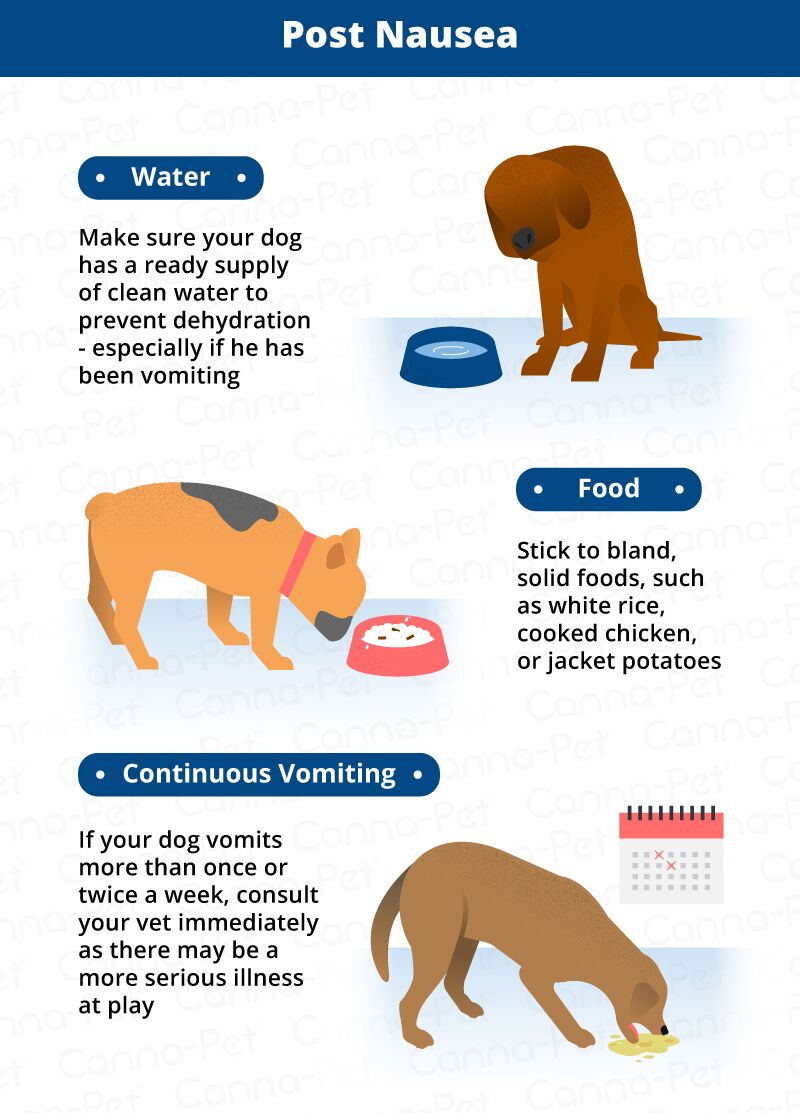
Image Source: cdn-ilbfemn.nitrocdn.com
Recognizing the Signs of Nausea in Dogs
Nausea in dogs isn’t always accompanied by vomiting. They might show subtle signs that indicate they’re not feeling well. Paying close attention to your dog’s behavior can help you intervene early.
Subtle Clues to Watch For
- Excessive Drooling: A sudden increase in drooling, beyond their usual amount, can signal discomfort in the mouth or stomach.
- Lip Smacking or Excessive Licking: Dogs often lick their lips or the air when they feel nauseous.
- Loss of Appetite or Picky Eating: A noticeable drop in interest in food or treats is a significant indicator. They might sniff their food and walk away.
- Restlessness or Pacing: Some dogs become agitated and can’t seem to get comfortable when they have an upset stomach.
- Changes in Water Intake: They might drink more or less than usual.
- Whining or Vocalizing: Discomfort can lead to increased vocalization.
- Yawning: While yawning can mean fatigue, frequent or prolonged yawning can sometimes be a sign of nausea.
- Hunching or Guarding the Abdomen: They may posture themselves as if to protect their belly.
When Vomiting Occurs
Vomiting is a more direct sign of dog stomach upset. However, the appearance of the vomit can offer clues to the underlying issue.
Types of Vomit and What They Might Mean
- Clear or White Frothy Vomit: Often indicates an empty stomach, possibly with bile. This can happen if your dog hasn’t eaten for a while or has eaten something irritating.
- Yellow or Green Vomit: This usually contains bile, which is produced by the liver and stored in the gallbladder. It means that bile has entered the stomach and been expelled. Often seen on an empty stomach.
- Vomit with Undigested Food: This suggests the food was ingested recently and the stomach couldn’t process it. It could be due to eating too quickly, eating something inappropriate, or a motility issue.
- Vomit with Blood: Fresh red blood indicates active bleeding higher up in the digestive tract. Dark, coffee-ground-like material suggests blood that has been digested, indicating bleeding lower down or in the stomach.
- Vomit with Foreign Objects: If you see pieces of toys, fabric, or other non-food items, it’s a clear sign of ingestion.
Investigating Causes of Dog Nausea
A dog’s nausea can stem from a wide range of issues, from simple dietary indiscretions to more serious medical conditions. Pinpointing the cause is crucial for effective treatment.
Common Triggers for Upset Stomachs
Dietary Indiscretions
This is perhaps the most frequent cause of a dog stomach upset. Dogs are curious and often eat things they shouldn’t.
- Eating Spoiled Food: Leftovers, garbage, or decomposing matter can harbor bacteria and toxins.
- Ingesting Non-Food Items: Grass, dirt, rocks, string, and even small toys can irritate the stomach lining or cause blockages.
- Sudden Diet Changes: Switching your dog’s food abruptly without a gradual transition can upset their digestive system.
- Eating Too Much or Too Fast: Overeating can overwhelm the stomach, and gulping air can contribute to discomfort.
- Food Sensitivities or Allergies: Certain ingredients can trigger inflammatory responses in the gut, leading to nausea and vomiting.
Gastrointestinal Issues
Various problems within the digestive tract itself can manifest as nausea.
- Gastritis: Inflammation of the stomach lining, often caused by irritants, infections, or dietary issues.
- Gastroenteritis: Inflammation of both the stomach and intestines, often associated with infections (viral or bacterial) or parasites.
- Inflammatory Bowel Disease (IBD): A chronic condition where the intestines become inflamed, leading to persistent digestive problems including nausea and vomiting.
- Pancreatitis: Inflammation of the pancreas, a critical organ for digestion. This is often very painful and can cause severe nausea, vomiting, and dog loss of appetite.
- Intestinal Blockages: When a foreign object or other obstruction prevents food or waste from passing through the intestines, it can cause severe nausea, vomiting, and pain. This is a medical emergency.
- Parasites: Intestinal worms can irritate the gut and lead to nausea, vomiting, and diarrhea.
Systemic Illnesses
Nausea can also be a symptom of diseases affecting other parts of the body, impacting the gastrointestinal system indirectly.
- Kidney Disease: When kidneys fail to filter waste properly, toxins build up in the bloodstream, which can cause nausea and vomiting.
- Liver Disease: Liver dysfunction can affect digestion and metabolism, leading to similar symptoms.
- Diabetes: Uncontrolled diabetes can cause various metabolic disturbances, including nausea.
- Certain Cancers: Tumors in the digestive tract or other organs can disrupt normal function and induce nausea.
Infections
- Viral Infections: Diseases like parvovirus (especially in puppies) or distemper can cause severe gastrointestinal distress.
- Bacterial Infections: Certain bacteria can contaminate food or water, leading to gastrointestinal infections.
Medications and Toxins
- Side Effects of Medications: Some drugs, particularly antibiotics, NSAIDs (non-steroidal anti-inflammatory drugs), and chemotherapy agents, can cause nausea as a side effect.
- Ingestion of Toxins: Household cleaners, certain plants, antifreeze, human medications, and spoiled human food (like chocolate or xylitol) can be toxic and cause severe nausea and vomiting.
Motion Sickness
Some dogs experience nausea during car rides or other forms of travel.
Stress and Anxiety
While less common as a primary cause of severe nausea, stress can exacerbate existing digestive sensitivities or lead to mild stomach upset in some dogs.
When to Seek Veterinary Care Immediately
While some instances of mild nausea resolve with home care, certain symptoms warrant an urgent trip to the veterinarian. Prompt professional attention is vital for a positive outcome.
Red Flags That Demand Immediate Veterinary Attention
- Severe or Persistent Vomiting: If your dog vomits more than once or twice in a short period, or if vomiting continues for more than 24 hours.
- Blood in Vomit or Stool: As mentioned earlier, this is a serious sign.
- Lethargy and Weakness: Extreme tiredness and lack of energy can indicate a more serious underlying issue.
- Diarrhea, especially if Bloody: While not always present with nausea, severe diarrhea can lead to dehydration and is often linked to similar gastrointestinal problems.
- Abdominal Pain or Swelling: If your dog cries out when their belly is touched, seems uncomfortable, or their abdomen appears distended or hard.
- Dehydration: Signs include sunken eyes, dry gums, loss of skin elasticity (when you gently pinch their skin, it doesn’t snap back quickly), and reduced urination.
- Suspected Toxin Ingestion: If you believe your dog has eaten something poisonous.
- Known Pre-existing Conditions: If your dog has chronic health issues like kidney disease, diabetes, or heart conditions, nausea can be a sign of their condition worsening.
- Puppies and Senior Dogs: Younger and older dogs are more vulnerable to dehydration and complications from illness.
Strategies for Soothing a Nauseous Dog at Home
Once you’ve ruled out an immediate emergency and have the go-ahead from your vet, or if symptoms are very mild and transient, there are several dog home care for sickness strategies you can employ. The goal is to provide dog gastrointestinal support and allow their stomach to rest.
1. Bland Diet and Rest
The cornerstone of helping a nauseous dog recover is to give their digestive system a break.
The BRAT Diet (or similar)
Your veterinarian might recommend a temporary bland diet. For dogs, this often consists of boiled, unseasoned white rice and boiled, plain lean protein like chicken breast or white fish (no skin, bones, or added fat).
-
How to Prepare:
- Boil boneless, skinless chicken breast or white fish until fully cooked.
- Boil plain white rice according to package directions.
- Once cooled, mix the protein and rice in a 1:2 or 1:3 ratio (protein to rice).
-
Feeding Schedule:
- Withhold Food for 12-24 Hours: This allows the stomach to settle. Only water should be offered during this period, in small, frequent amounts.
- Introduce Bland Diet in Small, Frequent Meals: After the fasting period, offer very small amounts (1-2 tablespoons for a medium-sized dog) of the bland diet every 2-3 hours.
- Gradually Increase Portions and Decrease Frequency: If your dog tolerates the small meals well with no further vomiting, you can slowly increase the amount per meal and space them out over time (e.g., every 4-6 hours).
- Transition Back to Regular Food: Once your dog has been symptom-free for at least 24-48 hours and is eating the bland diet well, gradually reintroduce their normal food over several days by mixing increasing amounts of their regular food with decreasing amounts of the bland diet.
Water Intake is Key
Dehydration is a significant concern when a dog is nauseous or vomiting.
- Offer Small Amounts of Water Frequently: Instead of leaving a large bowl of water available, offer a few tablespoons every hour. This prevents them from gulping too much at once, which can trigger more vomiting.
- Ice Chips: For dogs who refuse water or are reluctant to drink, offering ice chips can be a good way to provide hydration without overwhelming their system.
2. Natural Remedies and Supportive Measures
While veterinary consultation is paramount, some natural approaches can help in conjunction with medical advice.
Probiotics for Dogs
Probiotics introduce beneficial bacteria to the gut, which can help restore a healthy balance and aid digestion.
- What to Look For: Choose a probiotic specifically formulated for dogs. These often contain strains like Lactobacillus and Bifidobacterium.
- Consult Your Vet: It’s always wise to discuss probiotic use with your veterinarian, as they can recommend specific products and dosages.
Ginger
Ginger is traditionally used to soothe upset stomachs in humans and can also be beneficial for dogs.
- Forms of Ginger:
- Fresh Ginger: A tiny sliver of fresh, peeled ginger can be offered.
- Ginger Powder: A very small pinch of food-grade ginger powder can be mixed into their food.
- Ginger Supplements: These are available in chewable or capsule form, specifically made for dogs.
- Dosage: The amount is crucial. Too much can be irritating. A general guideline is very small amounts. Always consult your vet for appropriate dosage for your dog’s size and condition.
Peppermint
Peppermint can help relax digestive muscles and ease nausea.
- Methods of Administration:
- Peppermint Tea: Brewed peppermint tea, cooled completely, can be offered in small amounts.
- Peppermint Oil (Diluted): A single drop of therapeutic-grade peppermint oil diluted in a tablespoon of water and offered via syringe. Extreme caution is advised with essential oils; always use highly diluted therapeutic grade oils and consult your vet.
- Dosage: Start with very small amounts to gauge your dog’s reaction.
Slippery Elm Bark
This herb forms a soothing gel when mixed with water and can coat the stomach lining, offering relief.
- Preparation: Mix powdered slippery elm bark with a small amount of water to create a paste or gruel.
- Administration: Offer this paste in small amounts.
- Timing: It’s often recommended to give slippery elm bark an hour before or after giving other medications or supplements to avoid interference.
Digestive Enzymes
These can help break down food more efficiently, reducing the burden on a sensitive digestive system.
- Availability: Available as supplements, often in powder or capsule form.
- Veterinary Recommendation: Discuss the use of digestive enzymes with your vet, as they can advise on the best type and dosage.
3. Encouraging Appetite and Hydration
Once vomiting has stopped, the next step is to help your dog regain their appetite and stay hydrated.
Stimulating Interest in Food
- Warm the Food: Slightly warming the bland diet can enhance its aroma, making it more appealing.
- Add a Small Amount of Low-Sodium Broth: Unseasoned chicken or beef broth can add flavor and moisture.
- Hand Feeding: Sometimes, being hand-fed by their owner can encourage a reluctant dog to eat.
- Patience: Don’t force your dog to eat. Offer food and allow them to eat at their own pace.
Ensuring Adequate Hydration
- Electrolyte Solutions: For dogs recovering from significant vomiting or diarrhea, veterinarians might recommend special oral electrolyte solutions to replace lost fluids and minerals.
- Hydration via Subcutaneous Fluids: In more severe cases, a veterinarian may administer subcutaneous fluids (fluids given under the skin) to rehydrate your dog. This is a veterinary procedure.
4. Managing Vomiting Episodes
If your dog vomits, remain calm and assess the situation.
- Clean Up Safely: Wear gloves and clean the area thoroughly with an appropriate pet-safe cleaner to prevent reinfection or ingestion of contaminants.
- Observe the Vomit: Note the color, consistency, and any foreign objects. This information is valuable for your vet.
- Withhold Food and Water Temporarily: If vomiting occurs, stop offering food and water for a few hours, then reintroduce water in small amounts.
What to Expect During Recovery
The recovery process for a nauseous dog varies depending on the cause and severity of their condition.
Gradual Return to Normal
- Slow Introduction of Food: Be patient when reintroducing your dog’s regular food. A sudden return to their normal diet can trigger a relapse.
- Monitor Stool Consistency: Once your dog starts eating normally, keep an eye on their stools. They should gradually return to a firm, well-formed consistency.
- Activity Levels: Expect your dog to be a bit subdued initially. As they feel better, their energy levels should return.
Potential for Relapse
Some dogs may experience mild nausea or a single vomiting episode after initially seeming better. This is why a gradual reintroduction of food and careful observation are important. If symptoms reappear or worsen, contact your veterinarian immediately.
When Home Care Isn’t Enough: Professional Veterinary Intervention
There are times when home remedies are insufficient, and professional veterinary care is essential. Your veterinarian has the diagnostic tools and treatments to address the root cause of nausea.
Diagnostic Tools Used by Veterinarians
- Physical Examination: A thorough physical exam allows the vet to assess your dog’s overall health, check for abdominal pain, dehydration, and other vital signs.
- Blood Tests:
- Complete Blood Count (CBC): Can reveal infection, anemia, or other systemic issues.
- Biochemistry Panel: Assesses organ function (kidneys, liver), electrolytes, and blood sugar levels.
- Urinalysis: Helps evaluate kidney function and detect urinary tract infections.
- Fecal Examination: Checks for intestinal parasites.
- X-rays (Radiographs): Useful for identifying foreign objects, obstructions, or signs of organ enlargement or masses.
- Ultrasound: Provides detailed images of abdominal organs, allowing for a closer look at the stomach, intestines, pancreas, liver, and kidneys.
- Endoscopy: A minimally invasive procedure where a flexible tube with a camera is inserted into the digestive tract to visualize the lining and potentially take biopsies.
Veterinary Treatment Options
- Intravenous (IV) Fluids: Essential for rehydrating dogs with severe vomiting or diarrhea, and for administering medications directly into the bloodstream.
- Anti-nausea Medications (Antiemetics): Veterinarians can prescribe medications to effectively control vomiting and reduce nausea. Examples include maropitant (Cerenia) and ondansetron. These are much safer and more effective than human over-the-counter options.
- Medications for Stomach Acidity: If excess stomach acid is contributing to the problem, medications to reduce acidity might be prescribed.
- Antibiotics: If a bacterial infection is suspected or confirmed.
- Deworming Medications: If parasites are identified.
- Surgery: Required for intestinal blockages or the removal of foreign objects or tumors.
- Dietary Management: Veterinarians often recommend specific prescription diets designed for sensitive stomachs, gastrointestinal upset, or kidney/liver support. These are often highly digestible and formulated with specific nutrient profiles.
Prevention: Minimizing the Risk of Nausea
While not all cases of nausea can be prevented, many common triggers can be avoided.
Proactive Steps for a Healthy Gut
- Consistent Diet: Feed your dog a high-quality, balanced diet. Avoid frequent or abrupt changes. If you must switch foods, do so gradually over 7-10 days.
- Secure Your Trash: Keep garbage cans covered and out of reach to prevent your dog from scavenging.
- Pet-Proof Your Home: Remove potential hazards, toxic plants, and small objects your dog might ingest.
- Supervise Outdoor Time: Keep a close eye on your dog when they are outside to prevent them from eating things they shouldn’t.
- Leash Walks: Use a leash during walks to control what your dog eats from the environment.
- Avoid Table Scraps: Many human foods are not suitable for dogs and can cause digestive upset.
- Regular Vet Check-ups: Annual or semi-annual veterinary visits can help catch underlying health issues before they become severe.
- Flea and Tick Prevention: Parasites can contribute to digestive issues.
- Vaccinations: Ensure your dog is up-to-date on vaccinations, particularly for diseases like parvovirus that cause severe vomiting.
Frequently Asked Questions (FAQ)
Q1: My dog ate something he shouldn’t have, and now he’s nauseous. What should I do?
If your dog ate something potentially harmful, contact your veterinarian immediately. For minor indiscretions, your vet might advise monitoring, withholding food for a short period, and then offering a bland diet.
Q2: Can I give my dog Pepto-Bismol for nausea?
While some sources suggest small amounts of certain medications might be safe, it’s highly recommended not to give your dog any human medications without explicit veterinary instruction. Pepto-Bismol contains salicylates, which can be toxic to dogs in certain doses or if they have specific health conditions. Always consult your vet first.
Q3: How long does dog nausea typically last?
The duration of nausea depends entirely on the cause. Mild dietary indiscretions might resolve within 12-24 hours with appropriate home care. However, nausea caused by underlying illnesses or obstructions can persist and worsen without veterinary intervention.
Q4: My dog has a loss of appetite but isn’t vomiting. Is this still serious?
Yes, dog loss of appetite can be a significant sign of illness. While some dogs might skip a meal if they’re feeling a bit off, a persistent lack of interest in food warrants a veterinary check-up to determine the underlying cause.
Q5: What is a good dog appetite stimulant if my dog won’t eat?
Your veterinarian can prescribe safe and effective dog appetite stimulant medications if needed. For home remedies, warming food, adding appealing low-sodium broths, or hand-feeding can sometimes encourage eating. However, the focus should first be on addressing the cause of the nausea or dog digestive issues that are suppressing their appetite.
Q6: What are some safe remedies for dog vomiting?
Safe remedies for dog vomiting generally involve a period of fasting, followed by a bland diet (like boiled chicken and rice) offered in small, frequent meals, and ensuring adequate hydration with small sips of water. However, the safest and most effective approach is always to consult your veterinarian, as they can provide specific dog nausea remedies tailored to your dog’s condition.
Q7: My dog seems to have a really sensitive stomach. What can I do for ongoing dog digestive issues?
For chronic dog digestive issues, working closely with your veterinarian is essential. They may recommend diagnostic tests to identify the cause (e.g., food allergies, IBD, enzyme deficiencies) and can prescribe specialized prescription diets, probiotics, or medications to help manage the condition and provide dog gastrointestinal support.
By understanding the signs, causes, and appropriate care strategies, you can effectively help your furry companion when they are feeling nauseous. Remember, your veterinarian is your most valuable resource in ensuring your dog’s health and well-being.