
Can dogs have webbed feet? Yes, some dogs naturally have webbed feet due to their genetic makeup. This feature is a fascinating aspect of dog paw anatomy, often linked to specific breeds and their historical roles.
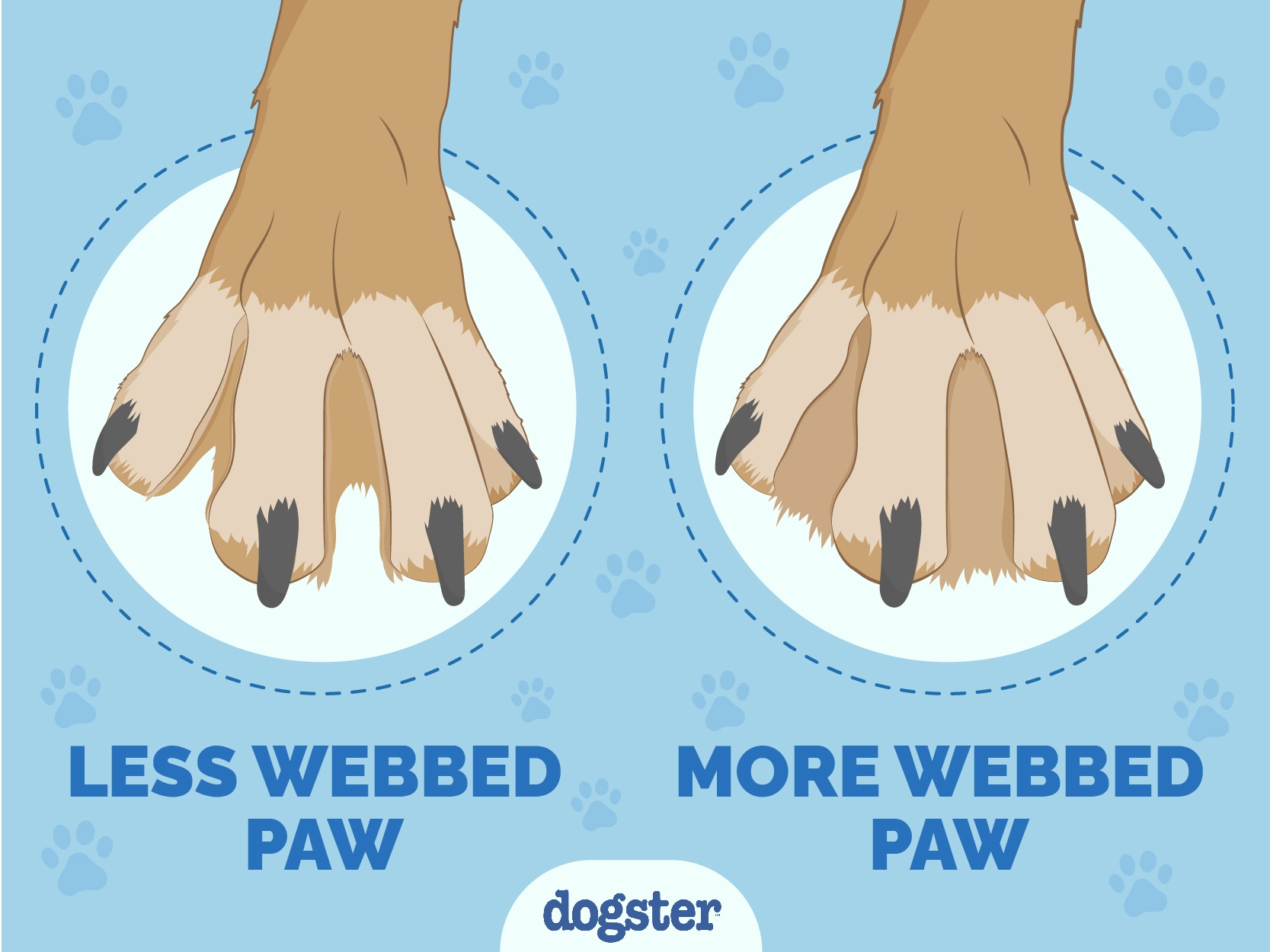
Image Source: www.dogster.com
Deciphering Your Dog’s Paws: A Guide to Webbed Feet
Have you ever looked closely at your dog’s paws and noticed something a bit different? Perhaps the skin between their toes seems more pronounced, like a tiny paddle. This isn’t just an oddity; it’s a specific characteristic known as webbed toes dog. Understanding this dog foot characteristics can shed light on your canine companion’s lineage and potential abilities, especially related to water. This guide will help you clearly identify if your dog possesses this unique trait.
Grasping Dog Paw Anatomy
To truly identify webbed toes dog, it’s essential to have a basic grasp of dog paw anatomy. A dog’s paw is a complex structure designed for support, locomotion, and sensory input. It consists of several key components:
- Pads: These are the thick, leathery cushions on the bottom of the paw that absorb shock and provide traction.
- Toes: Dogs typically have four weight-bearing toes and one dewclaw (which may or may not be fully functional and is often removed in certain breeds).
- Nails: These are the hard coverings on the tips of the toes, used for digging and providing grip.
- Interdigital Skin: This is the skin that lies between the individual toes. It’s this interdigital skin that forms the webbing when it’s more extensive and connects the toes more significantly.
The extent to which this interdigital skin connects the toes is the primary factor in determining the presence and degree of webbing.
Distinguishing Webbed Feet: What to Look For
Identifying webbed paws involves a careful examination of your dog’s feet, paying close attention to the skin between their toes. Unlike a cat’s paw, where the toes spread out independently, a dog with webbed feet will show a noticeable membrane of skin connecting them, often extending partway or nearly to the tip of each toe.
Here’s a breakdown of how to spot this feature:
- Gentle Examination: The best way to tell is to gently spread your dog’s toes apart when their paw is relaxed.
- Observe the Skin: Look for the presence of skin that connects the toes. The amount of skin connecting them will vary. Some dogs might have a slight webbing, while others will have significant webbing.
- Compare Between Paws: Check all four paws, as webbing can sometimes be more pronounced on the front paws than the rear, or vice-versa.
What is the Purpose of Webbed Feet in Dogs?
Webbed feet in dogs are primarily swimming adaptations. This unique paw structure provides an advantage in water, acting like natural paddles. The extra surface area created by the webbing helps dogs propel themselves through the water more efficiently, making them excellent swimmers. This trait is particularly common in breeds developed for water retrieval, hunting waterfowl, or living in aquatic environments.
Comprehending Canine Paw Variations
It’s crucial to recognize that canine paw variations are vast. Not all dogs with slightly more skin between their toes have “true” webbing in the same way a duck or a Labrador Retriever might. The degree of webbing can range from very subtle to highly pronounced.
- Subtle Webbing: Some breeds, and even individual dogs within a breed, might have slightly more supple or pronounced interdigital skin that offers a minor advantage in water or on soft, sandy terrain. This might not always be immediately obvious.
- Moderate Webbing: In these cases, the webbing is clearly visible and connects a significant portion of the toes.
- Pronounced Webbing: This is the classic example, where the webbing is substantial, clearly defining the paws as webbed.
Identifying Webbed Paws: A Step-by-Step Process
- Calm Your Dog: Ensure your dog is relaxed and comfortable. A nervous dog might pull their paws away, making examination difficult.
- Lift a Paw: Gently lift one of your dog’s paws.
- Gently Spread the Toes: Use your thumb and forefinger to gently spread the toes apart.
- Inspect the Skin: Look closely at the skin connecting the toes. Does it form a visible membrane? How far does it extend between the toes?
- Compare: Note the appearance of each paw and compare it to the others.
- Consider the Breed: Certain breeds are predisposed to having webbed feet. Knowing your dog’s breed can offer clues.
Breeds with Webbed Feet: A Closer Look
Many dog breeds are known for their webbed toes dog trait, a testament to their historical roles. These breeds were often developed for tasks that required strong swimming abilities.
Here are some prominent breeds known for having webbed feet:
| Breed | Primary Purpose | Typical Webbing Description |
|---|---|---|
| Labrador Retriever | Waterfowl retrieving, family companion | Pronounced webbing, often extending significantly between the toes, excellent for swimming. |
| Portuguese Water Dog | Assisting fishermen, retrieving nets | Highly webbed paws, creating very effective “paddles” for powerful swimming. |
| Newfoundland | Water rescue, draft work, fishing | Large, powerful dogs with significantly webbed feet, making them superb swimmers and capable of pulling people from water. |
| Irish Water Spaniel | Waterfowl hunting, retrieving | Distinctive dense, curly coat and webbed feet for working in water. |
| American Water Spaniel | Waterfowl retrieving, hunting in marshlands | Another water-loving spaniel breed with noticeably webbed feet. |
| Spanish Water Dog | Herding, water work, assistance | Versatile breed with webbed feet aiding in aquatic tasks and swimming. |
| Poodle (Standard) | Water retrieving, companion | While not as pronounced as some breeds, Poodles, especially Standards, often have good webbing, contributing to their swimming skill. |
| Chesapeake Bay Retriever | Waterfowl retrieving, hunting | Robust breed with a water-repellent coat and webbed feet for efficient swimming in cold waters. |
| Great Pyrenees | Livestock guarding | Often possesses partially webbed front paws, which can aid in traversing varied terrain, including snow and soft ground. |
| Keeshond | Barge dog, companion | While primarily a companion and guard dog, they often have partially webbed feet, useful for navigating wet environments. |
It’s important to note that even within these breeds, individual dogs can have varying degrees of webbing. Conversely, some dogs of non-traditional “webbed” breeds might exhibit mild webbing due to genetic variations.
Distinguishing Between Normal and Webbed Paws
The key difference lies in the extent of the interdigital skin connecting the toes.
Normal Paws:
* Toes spread easily and widely apart.
* Little to no visible skin connecting the toes.
* The skin is primarily present to protect the delicate areas between the toes.
Webbed Paws:
* The toes are held together more closely by a visible membrane of skin.
* When spread, the webbing is apparent, extending a noticeable distance between the toes.
* This paw structure is more robust and designed for propulsion in water.
The presence of webbing is a natural characteristic and not a defect. It’s a beneficial trait for dogs bred for aquatic activities.
Fathoming the Functionality of Webbed Feet
The swimming adaptations provided by webbed feet are significant:
- Increased Surface Area: The webbing increases the surface area of the paw, allowing the dog to push more water with each stroke.
- Improved Propulsion: This leads to more efficient and powerful movement through the water.
- Enhanced Maneuverability: Webbed feet can also improve a dog’s ability to turn and maneuver in the water.
- Stability: In some cases, webbing can provide a bit more stability on slippery surfaces.
While primarily associated with swimming, the extra skin can also be helpful for dogs that need to traverse soft or muddy terrain, as it can help distribute their weight and prevent them from sinking too deeply.
Observing Your Dog’s Behavior
Beyond visual inspection, your dog’s behavior can sometimes offer clues, especially if they have significant webbing.
- Enthusiasm for Water: Dogs with pronounced webbed feet often show a natural affinity for water and are typically strong, confident swimmers.
- Swimming Style: While many dogs swim with a “doggy paddle” that uses their whole leg, those with webbed feet might exhibit a more streamlined and efficient stroke.
However, many dogs without obvious webbing are excellent swimmers, and some dogs with webbing may not be enthusiastic about water. Behavior is an indicator, but direct observation of the paws is the most reliable method.
Is Webbing Present in All Paws?
Generally, if a dog has webbing, it will be present to some degree on all four paws. However, the extent of the webbing can vary. It’s common for the front paws to have more pronounced webbing than the hind paws, as the front legs often do the majority of the “paddling” and steering in the water. Conversely, some breeds might have more webbing on their hind feet to act as rudders.
Canine paw variations mean that you might find a dog with very prominent webbing on the front paws and only slight webbing on the hind paws, or vice versa. It’s not unusual for the dewclaws (if present) to also have a small connection of skin to the main paw.
When to Consult a Veterinarian
While webbing is a natural trait, there are instances where examining your dog’s paws warrants a veterinary visit.
- Sudden Changes: If you notice sudden changes in the appearance of your dog’s paw pads, such as swelling, redness, or the development of unusual growths between the toes, this is not related to natural webbing and should be checked by a vet.
- Discomfort or Lameness: If your dog seems to be in pain or is limping, and you suspect an issue with their paws (webbed or otherwise), a professional diagnosis is necessary.
- Deformities: If the webbing appears unusually thick, restrictive, or seems to cause discomfort, your vet can assess if there are any underlying issues.
However, for healthy, natural webbing, no veterinary intervention is needed. It’s simply a fascinating aspect of their dog foot characteristics.
Differentiating Webbing from Other Paw Conditions
It’s important not to confuse natural webbing with other paw conditions that might affect the interdigital skin.
- Interdigital Cysts/Furunculosis: These are painful lumps or sores that can form between a dog’s toes, often due to allergies or infections. They are inflamed and distinct from the normal membrane of webbing.
- Allergies: Skin allergies can cause redness, swelling, and itching between the toes, leading to a puffy appearance that might be mistaken for webbing by an untrained eye.
- Injuries: Cuts or tears to the skin between the toes can sometimes cause swelling or a temporary separation that might resemble altered webbing.
If there’s any sign of irritation, pain, or a change from your dog’s normal paw appearance, a vet’s assessment is crucial to rule out these conditions.
Frequently Asked Questions (FAQ)
Q1: Do all dogs with webbed feet love to swim?
No, not necessarily. While webbing is a strong indicator of good swimming ability and many breeds with webbing are water enthusiasts, individual temperament and training play a significant role. Some dogs might have webbing but prefer not to swim.
Q2: Can webbing be added or removed?
Natural webbing is a genetic trait and cannot be added. In rare cases, surgical removal of excess interdigital skin might be performed if it causes health issues, but this is uncommon and usually only for specific medical reasons, not for cosmetic purposes or to alter a dog’s natural swimming capabilities.
Q3: Are webbed feet a sign of a specific health problem?
No, webbed toes dog is a natural and often beneficial trait, especially for swimming. It is not indicative of a health problem.
Q4: How can I best care for my dog’s webbed feet?
Webbed feet typically require the same care as any other dog’s paws. Keep the areas between the toes clean and dry to prevent moisture buildup that can lead to skin irritation or infections. Trim nails regularly and check for any foreign objects or signs of irritation.
Q5: If my dog has webbing, does that mean they are a good swimmer?
It significantly increases their potential to be a good swimmer. The paw structure with webbing provides a natural advantage for propulsion in water. However, like any skill, practice and confidence are also important.
Q6: Can a dog develop webbed feet later in life?
No, webbing is a congenital trait determined by genetics. A dog is either born with webbed feet or they are not. Any new or sudden changes to the skin between the toes should be examined by a veterinarian.
By carefully observing your dog’s paws and considering their breed, you can confidently identify if your canine companion has the fascinating trait of webbed feet. This characteristic is a wonderful example of how evolution and selective breeding have shaped the diverse canine paw variations we see today.