
Can a dog have accidents after being neutered? Yes, a dog can indeed have accidents after being neutered, and it’s a more common concern for pet owners than many realize. While neutering often helps reduce certain behaviors, it doesn’t always eliminate all house-soiling issues. This article delves into the reasons behind post-neuter accidents and how to address them.
Neutering, or castration, is a surgical procedure where a male dog’s testicles are removed. For female dogs, it involves removing the ovaries and uterus (spaying). While primarily done for population control and health benefits, it can also influence a dog’s behavior. However, when house-training setbacks occur, it can be confusing and frustrating for owners. Let’s explore the various causes of dog accidents after neuter and how to rectify them.
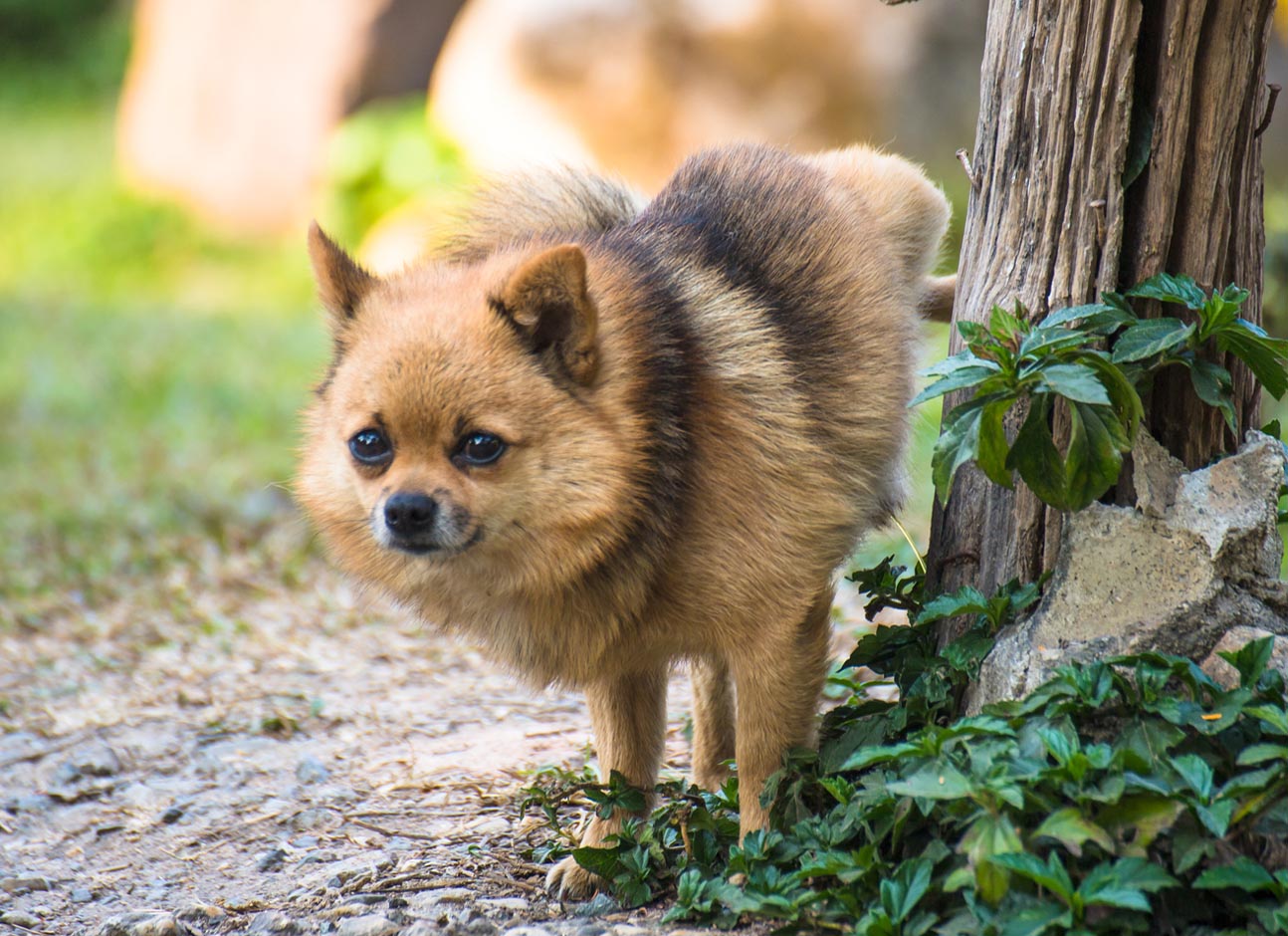
Image Source: modernvet.com
Deciphering Dog Accidents Post-Neuter
It’s crucial to recognize that neutering doesn’t magically reset a dog’s housetraining. If a dog wasn’t fully housetrained before the procedure, they might continue to have accidents. Furthermore, the hormonal shifts associated with neutering can sometimes lead to unexpected behavioral changes.
Hormonal Influences and Changes
Before neutering, testosterone plays a role in a male dog’s behavior, including territorial marking. After the procedure, testosterone levels drop significantly. This reduction can, in many cases, decrease urine marking after neutering. However, for some dogs, the habit of marking may persist, or they might develop new reasons for soiling.
For female dogs, spaying removes hormones that influence heat cycles. While this eliminates heat-related behaviors, it doesn’t directly cause accidents. The reasons for incontinence after neuter in females are often different and less common than marking behaviors in males.
Age and Maturity at Neutering
The age at which a dog is neutered can play a role. Dogs neutered at a younger age might still be in a crucial developmental stage of housetraining. Their cognitive abilities and bladder control are still maturing. If they haven’t fully grasped housetraining concepts before the surgery, the surgery itself won’t provide the missing foundation.
Medical Reasons for Accidents
It is imperative to rule out medical issues first. Any sudden change in a dog’s toileting habits, especially incontinence after neuter, warrants a visit to the veterinarian.
Urinary Tract Infections (UTIs)
UTIs are a common cause of frequent urination and accidents. The infection can irritate the bladder, causing a sudden urge to go.
Bladder Stones
These can obstruct urine flow or cause pain during urination, leading to accidents.
Kidney Disease
Impaired kidney function can result in increased thirst and urination, making it harder for a dog to hold it.
Diabetes Mellitus
Diabetes can lead to increased thirst and urination, similar to kidney issues.
Neurological Problems
Issues affecting the nerves that control the bladder can lead to loss of bladder control.
Age-Related Weakening of Sphincter Muscles
As dogs age, the muscles that control their bladder can weaken, leading to dribbling or incontinence. This can sometimes be exacerbated or become more noticeable after surgery, especially if there was a pre-existing mild weakness.
Behavioral Reasons for Accidents
Beyond medical concerns, behavioral factors are significant contributors to dog accidents after neuter.
Stress and Anxiety
The surgical procedure itself, the recovery period, and the changes in their environment can be stressful for dogs. Anxiety can manifest in various ways, including inappropriate urination. Changes in routine, pain medication side effects, or even the scent of other animals in the clinic can trigger stress.
Housetraining Regression
Sometimes, a dog that was previously well-housetrained might experience housetraining regression neutered dog. This could be due to the stress of the surgery, a change in their routine during recovery, or even a temporary decrease in their confidence.
Territorial Marking
While neutering often reduces dog spraying after neutering, it’s not a guaranteed fix. Some dogs continue to mark their territory for various reasons, even after hormone levels decrease. This can be a learned behavior or a response to perceived threats or new scents in their environment.
Incomplete Housetraining
If your dog was not fully housetrained before the neuter, the surgery won’t magically complete the process. They may still have the underlying issues with understanding where and when it’s appropriate to eliminate.
Learned Behavior
In some cases, dogs may have learned to eliminate indoors due to past experiences or lack of consistent training. Neutering doesn’t erase these learned behaviors.
Changes in Sensation or Comfort
Some dogs might experience a temporary change in how they feel after surgery, which could affect their awareness or control over their bladder. This is usually short-lived.
Addressing Dog Marking After Neutering
When urine marking after neutering becomes an issue, a multi-pronged approach is usually most effective.
Reinforce Housetraining Basics
Go back to square one with housetraining. This means:
- Frequent Potty Breaks: Take your dog outside very often, especially after waking up, after eating, and after playing.
- Positive Reinforcement: Lavishly praise and reward your dog immediately when they eliminate outside. Use high-value treats they only get for successful potty trips.
- Supervision: Keep a close eye on your dog indoors. If you can’t supervise them directly, confine them to a crate or a dog-proofed area where accidents are less likely.
- Interrupt and Redirect: If you catch your dog in the act of having an accident indoors, interrupt them with a sound (like a clap) and immediately take them outside to their designated potty spot. Praise them if they finish outside.
Clean Accidents Thoroughly
It’s vital to clean up accidents properly to eliminate the scent that might encourage future marking.
- Enzymatic Cleaners: Use a high-quality enzymatic cleaner specifically designed for pet accidents. These cleaners break down the organic matter that causes odors, rather than just masking them. Regular household cleaners may not be sufficient.
- Avoid Ammonia-Based Cleaners: Ammonia has a scent similar to urine, which can actually attract dogs to mark in the same spot.
Manage the Environment
Modify your dog’s environment to discourage marking.
- Limit Access: If your dog is marking specific furniture or areas, temporarily restrict their access to those places.
- Block Access to Marking Surfaces: For male dogs, consider using doggy diapers or belly bands indoors, especially during the initial adjustment period. These can also be helpful for older dogs with incontinence.
- Change Scent Markers: If your dog is marking over another animal’s scent, try cleaning the area thoroughly and introducing a new, neutral scent.
Address Underlying Anxiety
If stress or anxiety is contributing to the accidents, address the root cause.
- Maintain Routine: Stick to a consistent feeding, walking, and playtime schedule.
- Provide Enrichment: Offer puzzle toys, interactive feeders, and opportunities for mental stimulation to keep your dog engaged and reduce boredom or anxiety.
- Safe Space: Ensure your dog has a quiet, comfortable place where they can retreat when feeling overwhelmed.
- Calming Aids: Consult your veterinarian about calming supplements, pheromone diffusers, or even anxiety medication if the anxiety is severe.
Preventing Dog Accidents After Neutering
Prevention is always better than cure. For owners anticipating or experiencing post-neuter accidents, these strategies can be helpful:
Pre-Neutering Housetraining
Ensure your dog is fully housetrained before the neutering procedure. A solid foundation in housetraining makes the post-operative period much smoother.
Post-Operative Care and Routine
- Gradual Return to Normalcy: Don’t rush your dog back into their full pre-surgery routine. Gradually reintroduce activities as they recover.
- Monitor Behavior Closely: Pay attention to any changes in your dog’s behavior or toileting habits during the recovery period.
- Comfortable Recovery Area: Ensure your dog has a comfortable and clean space to rest.
Professional Guidance
- Consult Your Veterinarian: Always discuss any concerns about your dog’s health or behavior with your vet. They can rule out medical issues and offer personalized advice.
- Professional Trainer: If housetraining regression neutered dog is a persistent problem, or if marking behaviors are difficult to manage, consider working with a certified professional dog trainer or a veterinary behaviorist. They can assess your dog’s specific situation and provide tailored training plans.
Fathoming Behavioral Changes After Dog Neuter
It’s a common misconception that neutering will fundamentally change a dog’s personality. While it removes sex hormones, which can influence certain behaviors, it doesn’t erase a dog’s inherent temperament. However, some subtle behavioral changes after dog neuter can occur.
Reduced Sex-Drive Behaviors
The most significant changes are usually related to reproductive behaviors. This includes:
- Less Interest in Intact Females in Heat: Male dogs typically show much less interest in female dogs that are in heat.
- Reduced Mounting Behavior: Mounting of other dogs, people, or objects, which can be a dominance or excitement-related behavior, often decreases.
- Less Roaming/Escaping: Male dogs are less likely to roam or try to escape the yard in search of a mate.
Impact on Dominance and Aggression
The link between neutering and aggression is complex and debated.
- Dominance Aggression: In some cases, neutering can reduce dominance-related aggression, particularly if it’s linked to testosterone. However, aggression is often multifaceted, and neutering alone may not resolve it if other contributing factors are present.
- Fear-Based Aggression: Neutering is unlikely to affect fear-based aggression.
- Resource Guarding: This can also be influenced by various factors and may not be significantly impacted by neutering.
It’s important to note that some studies suggest that early neutering (before skeletal maturity) might, in rare instances, be associated with certain behavioral issues or even an increased risk of some types of aggression in specific breeds. However, for most dogs, the benefits of neutering far outweigh these potential, often debated, risks.
Potential for Increased Anxiety or Fearfulness
In some dogs, the removal of sex hormones might, in rare cases, lead to a slight increase in sensitivity or anxiety. This is not a common outcome, but it’s worth being aware of. If you notice your dog becoming unusually fearful or anxious after neutering, discuss it with your vet.
Changes in Energy Levels
Some owners report a slight decrease in energy levels after neutering, while others see no change. This is highly individual and depends on the dog’s age, breed, and pre-existing activity levels.
Interpreting Incontinence After Neuter
Incontinence after neuter is a less common but significant concern, particularly in female dogs.
“Spay Incontinence” in Females
This condition, often called “spay incontinence,” is thought to be related to changes in hormone levels (specifically estrogen) that can affect bladder sphincter muscle tone. It typically develops months to years after the spay surgery, not immediately after.
- Symptoms: Dogs with spay incontinence may dribble urine when sleeping, resting, or excited. They often seem unaware that they are losing urine.
- Treatment: This condition is usually managed with medication. Medications like phenylpropanolamine (PPA) or diethylstilbestrol (DES) can help improve sphincter muscle tone. Hormone replacement therapy might also be considered in some cases.
- Prognosis: With medication, many dogs can live comfortably with minimal to no leaking.
Male Dogs and Incontinence
While much rarer, male dogs can also experience incontinence after neutering. This is more likely to be due to:
- Surgical Complications: Though uncommon, accidental nerve damage during surgery could affect bladder control.
- Pre-existing Weakness: A mild, undiagnosed weakness in the urinary sphincter muscles might become more apparent after the hormonal changes of neutering.
- Urinary Tract Issues: As mentioned earlier, UTIs or other bladder problems can cause incontinence at any time.
Frequently Asked Questions (FAQ)
Q1: How soon after neutering can my dog have accidents?
Accidents can happen immediately after surgery due to pain, anesthesia side effects, or stress. However, if house-soiling issues persist for more than a week or two, or if they are severe, it’s important to investigate further.
Q2: Will neutering stop my dog from lifting his leg to mark?
Neutering often reduces or stops leg-lifting for marking, especially in younger dogs. However, it’s not a guarantee. Some dogs continue the behavior for habit or other reasons.
Q3: My dog is leaking urine. Is this normal after neutering?
Leaking urine, particularly in female dogs and developing later, can be a sign of spay incontinence, which is manageable with veterinary care. If it happens immediately and excessively, contact your vet to rule out other complications.
Q4: What is the best way to clean up accidents to prevent my dog from returning to the spot?
Use an enzymatic cleaner specifically designed for pet stains. These cleaners break down the odor molecules that attract dogs back to the same spot.
Q5: Should I punish my dog for having an accident after neutering?
No, punishment is rarely effective for house-soiling accidents and can actually increase anxiety, potentially worsening the problem. Focus on positive reinforcement for good behavior and managing the environment to prevent accidents.
Q6: Can neutering cause a dog to become incontinent?
While rare, “spay incontinence” can occur in female dogs months or years after spaying due to hormonal changes affecting bladder sphincter tone. It’s not usually an immediate consequence.
Q7: My male dog is still marking. What else can I do besides neutering?
If marking persists after neutering, focus on thorough cleaning of marked areas with enzymatic cleaners, limiting access to triggering areas, and reinforcing housetraining. Consulting a professional trainer can also provide effective strategies for addressing dog marking after neutering.
Conclusion
Experiencing post-neuter accidents can be a temporary setback for many dog owners. By systematically investigating the causes of dog accidents after neuter – whether medical, behavioral, or related to incomplete housetraining – and implementing appropriate solutions, you can help your canine companion regain their house-training confidence. Remember to always consult your veterinarian to rule out any underlying health issues and consider professional training assistance for persistent problems. With patience and the right approach, you can overcome these challenges and enjoy a clean, happy home with your pet.