
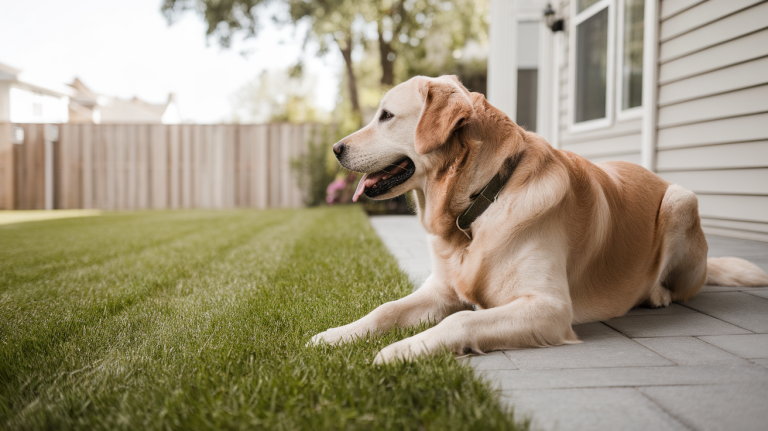
Image Source: randylemmon.com
Dog Safety: How Long Before Dog Can Go On Fertilized Grass?
Can my dog go on fertilized grass immediately after application? No, your dog should not go on fertilized grass immediately after it has been treated. A waiting period is crucial to allow the fertilizer to properly absorb into the soil and to minimize the risk of pet exposure to lawn chemicals.
Protecting Your Pooch: Navigating Fertilized Lawns
Many dog owners face a common dilemma: how to maintain a beautiful lawn without endangering their beloved canine companions. Lawn fertilization safety is paramount, especially when you have furry family members who love to explore and play outdoors. Understanding the risks associated with chemical lawn care and pets and knowing the best practices for pet safe lawn care can make all the difference in keeping your dog healthy and happy. This comprehensive guide will delve into how long before dog can go on fertilized grass, explore the reasons behind these guidelines, and offer practical tips for grass treatment for dogs.
The Risks of Fertilizers for Dogs
Fertilizers, while beneficial for plant growth, can pose significant health risks to dogs. The primary concern stems from the ingredients commonly found in lawn fertilizers.
Common Fertilizer Components and Their Dangers
- Nitrogen (N): While essential for plant growth, high concentrations of nitrogen can cause gastrointestinal upset in dogs, including vomiting and diarrhea.
- Phosphorus (P): Ingesting phosphorus can lead to more severe issues, such as hypocalcemia (low calcium levels) and cardiac problems.
- Potassium (K): While generally less toxic than nitrogen and phosphorus, excessive intake can still irritate a dog’s digestive system.
- Metals (e.g., Iron, Manganese): Some fertilizers contain metallic compounds. In large quantities, these can be toxic and lead to organ damage.
- Pesticides and Herbicides: Many fertilizers are combined with weed killers or insecticides. These additional chemicals can be highly toxic to dogs, causing a range of symptoms from mild irritation to severe poisoning, depending on the specific compound.
How Dogs Come into Contact with Fertilizers
Dogs are naturally curious creatures, and their interactions with a fertilized lawn can happen in several ways:
- Ingestion: This is the most common and dangerous route of exposure. Dogs may lick or chew on treated grass, especially if the fertilizer has a peculiar smell or taste. They might also ingest residual fertilizer from their paws after walking on the lawn.
- Skin Contact: While less common, prolonged skin contact with granular or liquid fertilizers can cause irritation, redness, and allergic reactions, particularly for dogs with sensitive skin.
- Inhalation: Inhaling fertilizer dust or fumes, especially during application, can lead to respiratory irritation.
Deciphering the Waiting Period: How Long is Enough?
The question of “how long before dog can go on fertilized grass?” doesn’t have a single, universal answer because it depends on several factors, including the type of fertilizer used, the method of application, and the manufacturer’s specific instructions. However, a general guideline exists.
General Post-Fertilization Pet Guidelines
Most veterinarians and lawn care professionals recommend a waiting period of 24 to 72 hours after applying granular fertilizers. For liquid fertilizers, the waiting period might be shorter, often around 24 hours, provided the lawn has completely dried.
Key Factors Influencing the Waiting Period:
- Fertilizer Type:
- Granular Fertilizers: These often require watering to dissolve and absorb into the soil. Until this process is complete, the granules remain on the surface, posing a higher risk of ingestion.
- Liquid Fertilizers: These are typically absorbed more quickly by the grass blades and soil. Once dry, the risk is significantly reduced, but some residue may still be present.
- Absorption Rate: The speed at which the fertilizer is absorbed by the soil and grass is crucial. Factors like soil moisture, grass type, and temperature can affect this.
- Manufacturer’s Instructions: Always, always, always read and follow the specific instructions on the fertilizer packaging. These instructions are designed with safety in mind and will provide the most accurate waiting period for that particular product.
- Rainfall: Light rain shortly after application can help granules dissolve, potentially shortening the waiting period. However, heavy rain might wash away the fertilizer, making it less effective.
- Drying Time: For liquid fertilizers, ensuring the lawn is completely dry before allowing pets back on is critical.
Why the Wait is Crucial
The waiting period serves several vital purposes:
- Absorption and Dissolution: It allows granular fertilizers to dissolve and be absorbed into the soil, reducing the amount of loose product on the surface.
- Drying of Liquid Treatments: It ensures liquid fertilizers have fully dried and bonded to the grass blades or soil, minimizing direct contact risk.
- Reduced Toxicity: By the time the waiting period is over, much of the immediate risk from direct ingestion or contact has significantly diminished.
Alternatives for Pet-Friendly Lawn Care
For dog owners, the most proactive approach to dog access to fertilized yard is to opt for pet safe lawn care methods whenever possible. This significantly reduces concerns about fertilizer toxicity dogs.
Organic and Natural Fertilizers
Consider using organic fertilizers. These are derived from natural sources like compost, manure, bone meal, or fish emulsion.
Benefits of Organic Fertilizers:
- Lower Risk: Generally considered safer for pets as they are less concentrated and break down into natural components.
- Soil Health: They improve soil structure and fertility over time, promoting a healthier lawn ecosystem.
- Slower Release: Nutrients are released slowly, providing a more sustained feeding for the grass without sudden spikes in concentration.
Considerations:
- Effectiveness: Some organic fertilizers may take longer to show results compared to synthetic ones.
- Smell: Some organic options, like manure-based fertilizers, can have a stronger odor.
Fertilizing Strategies to Minimize Pet Exposure
If you must use conventional fertilizers, adopt strategies to reduce your dog’s exposure:
- Apply During Off-Peak Hours: Fertilize when your dog is not typically outdoors, such as early in the morning or late in the evening, and keep them indoors during and immediately after application.
- Water Thoroughly: After applying granular fertilizer, water your lawn as recommended by the manufacturer. This helps dissolve the granules and wash them into the soil. Ensure the lawn dries completely before allowing pets access.
- Sweep Up Excess Granules: If you notice any stray granules on pathways or patios, sweep them up immediately.
- Choose Slow-Release Fertilizers: These are formulated to release nutrients gradually, reducing the immediate risk of ingestion.
- Spot Treat Weeds: Instead of broad-spectrum weed and feed products, consider manually removing weeds or using targeted spot treatments that are less likely to affect your dog.
- Consider Professional Services: If you hire a lawn care professional, explicitly inform them you have pets and discuss their pet exposure to lawn chemicals policies and the products they use. Ask about their post-fertilization pet guidelines.
Recognizing Signs of Fertilizer Toxicity in Dogs
It’s essential to be aware of the symptoms of fertilizer ingestion or exposure. If you suspect your dog has ingested fertilizer, contact your veterinarian or an animal poison control center immediately.
Symptoms to Watch For:
- Vomiting and Diarrhea: This is the most common sign of gastrointestinal upset.
- Lethargy or Weakness: A general lack of energy or unwillingness to move.
- Drooling: Excessive salivation can indicate nausea or irritation.
- Loss of Appetite: Refusal to eat.
- Stomach Pain: Your dog may act uncomfortable, whimper, or seem restless.
- Mouth and Gum Irritation: Redness, swelling, or burns in the mouth if direct contact occurred.
- Difficulty Breathing: In severe cases, especially with certain types of fertilizers containing heavy metals or pesticides.
- Tremors or Seizures: These are signs of severe poisoning.
What to Do If You Suspect Exposure
- Remove Your Dog: Immediately remove your dog from the treated area.
- Prevent Further Ingestion: If possible, rinse your dog’s mouth with water to remove any residual product. Avoid inducing vomiting unless directed by a veterinarian.
- Contact Your Veterinarian: Call your vet or a pet poison control hotline. Have the fertilizer packaging handy, as the ingredients and instructions can be vital for treatment.
- Provide Information: Be ready to tell the vet when the fertilizer was applied, how much your dog might have ingested, and what the symptoms are.
Making Informed Choices for a Safe Yard
The goal is to strike a balance between a healthy, beautiful lawn and the safety of your pet.
Table: Fertilizer Types and Pet Safety Considerations
| Fertilizer Type | Potential Risk to Dogs | Recommended Waiting Period (General) | Pet-Safe Alternatives |
|---|---|---|---|
| Synthetic (Standard) | Higher risk of ingestion and toxicity due to concentrated chemicals, metals, and potential additives (pesticides/herbicides). | 24-72 hours (granular), 24 hours (liquid, once dry) | Organic fertilizers, slow-release formulas, careful application |
| Organic | Lower risk, breaks down into natural components. May have a mild odor. | Generally safe to go on after application once dry/settled. | Best choice for peace of mind. |
| Slow-Release | Reduced risk of immediate ingestion compared to fast-release synthetics. | Similar to standard synthetics, follow product label. | Offers a slightly safer option within synthetic types. |
| “Weed and Feed” | Higher risk due to combined fertilizer and herbicide/pesticide. Herbicides can be particularly harmful. | Extended waiting period, follow product label strictly. | Separate applications or pet-safe weed removal methods. |
FAQs About Dogs and Fertilized Grass
Q1: Can my dog get sick from just walking on fertilized grass?
While the primary risk is ingestion, prolonged skin contact with certain fertilizers can cause irritation. If your dog walks on treated grass and then licks their paws, ingestion is still a concern. The waiting period helps mitigate these risks.
Q2: What if it rains shortly after I fertilize?
Light rain can help granular fertilizers dissolve, potentially reducing the surface residue. However, it’s still advisable to adhere to the manufacturer’s recommended waiting period once the lawn has dried, as some chemicals may still be present. Heavy rain might wash the fertilizer into the soil, but also potentially off the lawn.
Q3: Are all fertilizers dangerous for dogs?
No, but most conventional synthetic fertilizers contain ingredients that can be harmful if ingested or if there’s prolonged contact. Organic fertilizers are generally much safer for pets. Always check the product label and its ingredients.
Q4: How can I fertilize my lawn without putting my dog at risk?
Prioritize pet safe lawn care. Opt for organic fertilizers, choose slow-release synthetic options, apply fertilizers when your dog is indoors, water thoroughly after granular application, and always follow product instructions regarding waiting periods. Informing your lawn care service about your pets is also crucial.
Q5: What is the safest way to deal with weeds if I have dogs?
Manual weed removal, using natural weed deterrents, or employing pet-safe herbicides are excellent alternatives to broad-spectrum “weed and feed” products. If using any chemical treatment, ensure it is clearly labeled as safe for pets and follow all instructions carefully, including waiting periods.
Conclusion: Prioritizing Pet Well-being
Maintaining a beautiful lawn while ensuring your dog’s safety requires diligence and informed decision-making. By adhering to post-fertilization pet guidelines, choosing pet safe lawn care options, and being aware of potential risks, you can create an outdoor environment that is both aesthetically pleasing and safe for your furry companion. Remember, when in doubt, always consult your veterinarian or a professional lawn care specialist. Your dog’s health is worth the extra care and attention.