
Can I bring my dog to work? Many workplaces now allow pets, making it possible to keep your furry friend by your side. Leaving your dog alone during the workday can be tough, both for you and for them. Dog boredom busters are essential for keeping your canine companion happy and preventing destructive behaviors. This guide provides comprehensive strategies for entertaining your dog at work, addressing common challenges like separation anxiety and offering practical dog-friendly office tips.
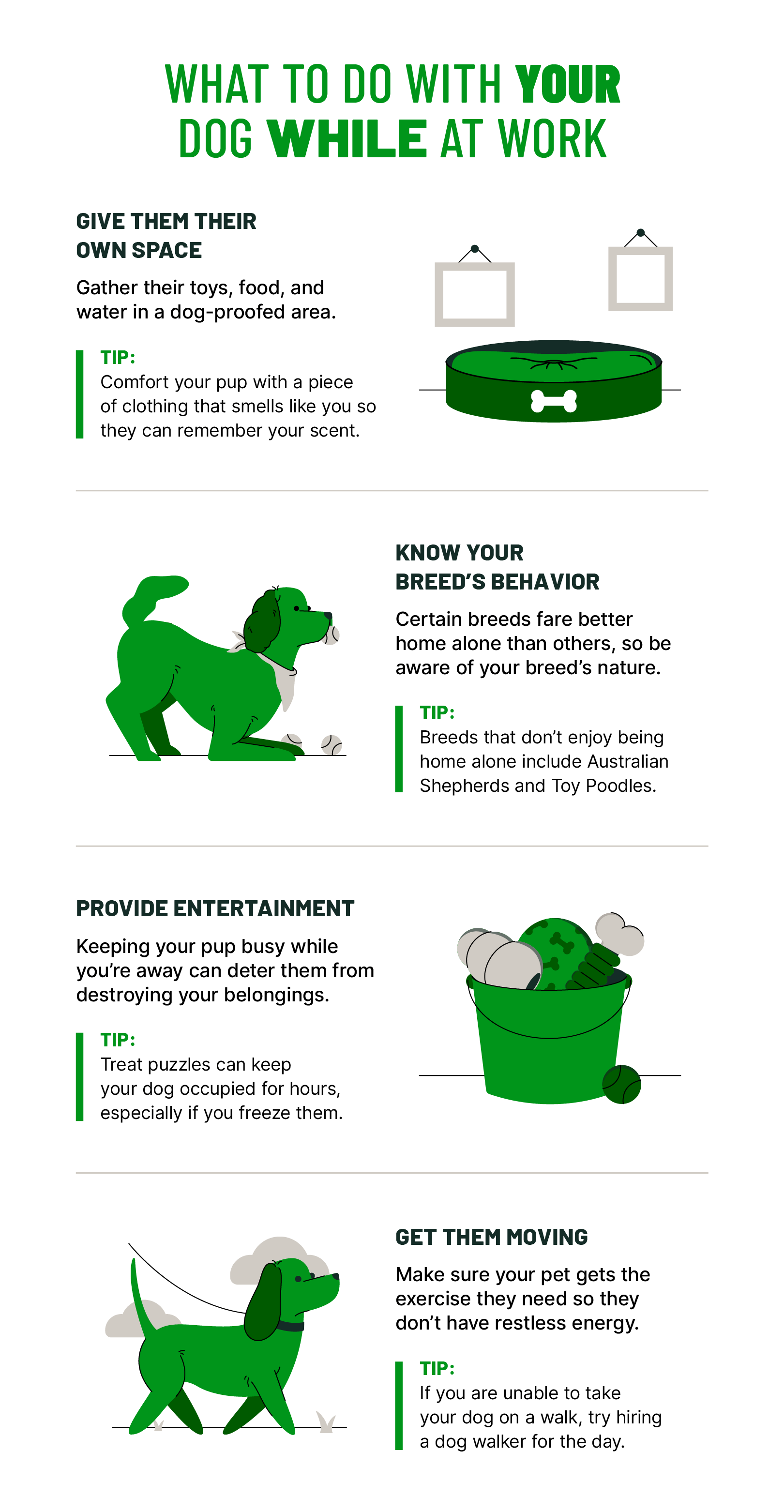
Image Source: www.hippo.com
The Benefits of a Canine Colleague
Having your dog at the office isn’t just about convenience; it’s about well-being. For your dog, it means constant companionship and a familiar environment, which can significantly reduce stress. For you, it means fewer worries about what your dog is up to at home and more opportunities for interaction. Reduced stress, increased physical activity (those quick walks!), and a boost in overall mood are all documented benefits of having dogs around. Plus, it can foster a more positive and friendly atmosphere for everyone in the office.
Preparing Your Dog for the Office Environment
Success begins with preparation. Before you even consider bringing your dog to work, ensure they have a solid foundation of good behavior.
Essential Training Foundations
- Potty Training: This is non-negotiable. Your dog must be reliably house-trained.
- Crate Training: A crate can serve as a safe haven for your dog at the office, giving them a secure space when they need to rest or feel overwhelmed.
- Leash Manners: Your dog should walk calmly on a leash, as you’ll likely need to take them for walks outside the office building.
- “Leave It” and “Drop It”: Crucial commands to prevent your dog from picking up or consuming things they shouldn’t.
- Socialization: Exposing your dog to various people, sounds, and situations before office life helps them adapt more easily.
Gradual Introduction
Don’t surprise your dog with a full workday at the office. Start with short visits to get them accustomed to the sights, sounds, and smells.
* First Visit: A short morning visit, perhaps an hour or two, allowing them to explore the space on a leash.
* Second Visit: Extend the time slightly, maybe a few hours, and practice leaving them in their designated spot for short periods.
* Build Up: Gradually increase the duration until they are comfortable for a full day.
Creating a Dog-Friendly Workspace
Your personal workspace needs to be a safe and comfortable zone for your dog.
Setting Up Their Space
- Comfortable Bedding: A soft, supportive bed or mat is essential for your dog’s comfort.
- Water Bowl: Always have fresh water available. Consider a spill-proof bowl.
- Secure Storage: Keep all potentially hazardous items (cables, pens, cleaning supplies) out of reach.
- Designated Area: Clearly define your dog’s space. This could be a playpen, a designated corner, or their crate.
Office Etiquette for Dogs
- Leash Rules: Keep your dog on a leash when moving around the office, especially in common areas.
- Noise Control: Train your dog to be quiet. Excessive barking can be disruptive.
- Respecting Colleagues: Ensure your dog is comfortable around other people and doesn’t solicit attention aggressively. Always ask colleagues before allowing your dog to interact with them.
- Cleanliness: Promptly clean up any accidents. Carry a pet stain remover and paper towels.
Top Dog Boredom Busters for the Office
Workdays can be long for dogs. Keeping their minds and bodies engaged is key to preventing boredom and related behavioral issues. This is where effective dog enrichment ideas and dog boredom busters come into play.
Interactive Dog Toys
Interactive dog toys are fantastic for mental stimulation. They require your dog to solve a problem or engage with the toy in a specific way, providing a rewarding challenge.
Puzzle Feeders
These toys dispense treats or kibble as your dog manipulates them. They are excellent for slowing down eating and providing mental engagement.
- KONG Wobbler: A classic that dispenses treats as it rolls and wobbles.
- Treat Dispensing Balls: Simple balls with openings that release food as they are rolled.
- Snuffle Mats: These mats have fabric strips that hide treats, encouraging your dog to use their nose to find them.
Chew Toys
Chewing is a natural stress reliever for dogs. Long-lasting dog chews can keep them occupied for extended periods.
- Nylabones: Durable nylon chews that come in various flavors and shapes.
- Antlers: Natural antlers are hard, long-lasting, and can provide hours of chewing satisfaction.
- Benebones: Ergonomically designed for dogs to grip and chew.
Dog Puzzles at Work
Specially designed dog puzzles for work can be a lifesaver. These are often designed to be quieter and less messy than some home-based options.
- Slow Feeder Bowls: While not strictly puzzles, they make mealtime a longer, more engaging activity.
- Hide-and-Seek Treat Toys: Toys that require a bit of manipulation to reveal treats.
- LickiMats: These textured mats can be smeared with dog-safe spreads (like peanut butter or yogurt) and are great for quiet, focused licking.
Scent Games
Dogs have an incredible sense of smell. Engaging their olfactory senses is a powerful way to tire them out mentally.
- Hidden Treats: Simply hide a few of your dog’s favorite treats around your workspace (in safe, accessible locations). Encourage them to “find it!”
- Scent Balls: Put a few drops of a dog-safe scent (like chamomile or valerian root extract) on a toy, then hide it.
Short Training Sessions
Even 5-10 minute training sessions can break up the day and provide valuable mental stimulation.
- Review Commands: Practice sit, stay, come, and down.
- Teach New Tricks: Work on simple tricks like “shake,” “roll over,” or “play dead.”
- “Find It” Game: Use a favorite toy or treat and have your dog retrieve it when you say its name.
Designated “Playtime” Breaks
Schedule short, dedicated play sessions throughout the day.
- Short Walks: Even a quick 5-10 minute walk around the block can be refreshing.
- Tug-of-War: A controlled game of tug can be great for bonding and expending energy.
- Fetch (Limited): If you have a suitable space, a few rounds of fetch can be fun. Be mindful of other people and potential disruptions.
Addressing Common Challenges
Even with the best preparation, you might encounter some hurdles.
Leaving Dog Alone During Workday (When Not Possible)
If your dog cannot accompany you to work, or if there are periods you need to leave them alone in the office, a pet cam for dogs is invaluable. This allows you to check in on your dog remotely and ensure they are comfortable and not distressed.
Dog Separation Anxiety Solutions
If your dog struggles with separation anxiety, bringing them to work might exacerbate the issue. Dog separation anxiety solutions often involve gradual desensitization, positive reinforcement, and ensuring they have plenty of stimulation when you are home.
- Desensitization: Practice short absences, gradually increasing the duration.
- Calming Aids: Consider pheromone diffusers or calming treats, always consulting your veterinarian first.
- Enrichment at Home: Ensure your dog has plenty of engaging activities and exercise when you are not around.
- Professional Help: If anxiety is severe, consult a certified professional dog trainer or veterinary behaviorist.
Office Policy and Colleagues’ Comfort
- Communicate: Talk to your manager and colleagues before bringing your dog in. Address any concerns they may have.
- Visitor Policy: Understand your office’s policy regarding pets and any specific rules or restrictions.
- Dog-Free Zones: Respect any designated dog-free areas.
Integrating Your Dog into the Office Flow
How you manage your dog’s presence can significantly impact the office environment.
Managing Interactions
- Supervised Greetings: Always supervise interactions between your dog and colleagues.
- Know Your Dog’s Limits: Some dogs are naturally more social than others. Respect your dog’s boundaries. If they seem overwhelmed, provide them with their safe space.
- Colleague Preferences: Be mindful that not everyone is comfortable around dogs. If a colleague expresses discomfort, ensure your dog is kept away from them.
Maintaining Productivity
- Schedule Management: Plan your dog’s needs (walks, potty breaks) around your workday to minimize disruption.
- Quiet Time: Encourage your dog to settle down during periods of focused work. Interactive toys and chew toys are excellent for this.
Sample Daily Schedule for a Dog at Work
A structured routine can help both you and your dog adjust.
| Time | Activity |
|---|---|
| 8:00 AM | Arrive at the office, potty break and brief walk. |
| 8:30 AM | Settle dog in their designated space with a water bowl and a chew toy. |
| 9:30 AM | Short training session (5-10 mins) or puzzle feeder activity. |
| 10:30 AM | Potty break and short walk. |
| 11:00 AM | Settle dog with another long-lasting dog chew or quiet toy. |
| 12:30 PM | Lunch break: Longer walk, playtime, or social interaction with colleagues. |
| 1:30 PM | Settle dog with a snuffle mat or another puzzle toy. |
| 3:00 PM | Potty break and quick energizing play session. |
| 4:00 PM | Wind down with a quiet chew toy or simply resting in their space. |
| 5:00 PM | Leave office, final potty break. |
This schedule is a template and should be adjusted based on your dog’s age, energy level, and individual needs.
Long-Term Well-being and Office Success
Bringing your dog to work is a privilege. Maintaining this privilege requires ongoing effort to ensure your dog remains a happy, well-behaved office member.
Regular Veterinary Check-ups
Ensure your dog is up-to-date on vaccinations and parasite prevention, especially if they will be interacting with other dogs or animals. Discuss any behavioral concerns with your vet.
Continued Training and Socialization
- Refresher Courses: Periodically reinforce basic obedience and introduce new commands.
- Positive Experiences: Continue to create positive experiences for your dog, both inside and outside the office.
Monitoring for Stress or Discomfort
Pay close attention to your dog’s body language. Signs of stress can include:
- Excessive panting when not hot.
- Yawning.
- Lip licking.
- Whale eye (showing the whites of their eyes).
- Ears pinned back.
- Tucked tail.
- Hiding or trying to escape.
If you notice these signs, it’s time for a break, a change of activity, or perhaps a return home if the office environment is too much.
Frequently Asked Questions (FAQ)
Q1: How do I know if my dog is suited for an office environment?
Your dog should be well-socialized, not prone to excessive barking, reliably house-trained, and generally calm. Dogs who are overly anxious, aggressive, or easily overstimulated might not be good candidates.
Q2: What are some good interactive dog toys for home that can also be used at work?
KONG toys, treat-dispensing balls, snuffle mats, and puzzle feeders are excellent. For home use where you might have more space or time, consider automated fetch machines or more complex puzzle toys.
Q3: How can I prevent my dog from getting bored during the workday?
A variety of long-lasting dog chews, engaging puzzle toys, short training sessions, and scheduled “playtime” breaks are crucial. Rotating toys can also help maintain novelty and interest.
Q4: What if my colleagues are allergic to dogs?
This is a significant consideration. If allergies are a concern, it may not be feasible to bring your dog to work. Discuss this openly with your employer and colleagues. Air purifiers and designated “dog-free” zones can help mitigate some issues, but for severe allergies, it might be impossible.
Q5: How do I manage my dog’s potty breaks throughout the day?
Establish a regular potty schedule, taking your dog out first thing in the morning, after waking up from naps, after meals, and before bed. Be prepared to take breaks as needed. Knowing your dog’s cues (e.g., sniffing the ground, circling) is also important.
Q6: Can a pet cam for dogs help with separation anxiety?
Yes, a pet cam allows you to monitor your dog’s behavior when you are away. If you see signs of distress, you can potentially intervene by asking a colleague to check on them or adjusting your work schedule. It also helps you gauge their overall comfort level.
Q7: What are some simple dog enrichment ideas that don’t require special toys?
Hiding treats around your workspace, using an old towel to create a “snuffle” game by hiding kibble in rolled-up sections, or simply engaging in short training sessions are all effective. Even a good belly rub can be a form of positive interaction.
By implementing these strategies, you can create a harmonious and productive environment where both you and your canine companion can thrive while you’re at work. Remember, a happy dog is a well-entertained dog!