
A 50 lb dog is generally considered a medium-sized dog. It’s important to remember that weight is just one factor in determining a dog’s size; height, body condition, and muscle mass also play significant roles. So, while a 50 lb dog is a good benchmark, the actual physical presence can vary quite a bit.
When people think about dog sizes, they often picture a spectrum. At one end, you have tiny toy breeds, and at the other, you have giant breeds. A 50 lb dog comfortably sits in the middle of this spectrum. It’s a weight range that covers a vast array of breeds, from those with sturdy builds to those with leaner frames. This makes the question “How big is a 50 lb dog?” a bit like asking “How tall is an average person?” The answer depends on the individual, or in this case, the breed and its build.
Let’s dive deeper into what a 50 lb dog typically looks like, what influences this weight, and which breeds often fall into this category. We’ll also explore how to interpret a dog weight chart and what it means for your furry friend’s overall size.
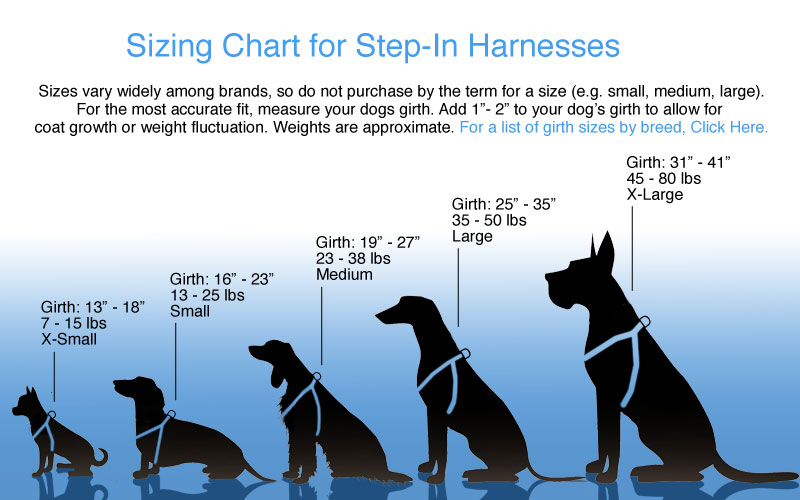
Image Source: cdn10.bigcommerce.com
Deciphering Dog Weight Ranges
Dog weight ranges are essential for pet owners. They help us understand if our dogs are at a healthy weight for their breed and age. A 50 lb dog falls squarely into the medium canine weight categories. These categories aren’t strictly defined by official bodies but are generally agreed upon by veterinarians and experienced dog owners.
- Small Dogs: Typically under 20 lbs. Think of breeds like Chihuahuas, Yorkshire Terriers, and Shih Tzus.
- Small to Medium Dogs: Often between 20-35 lbs. Dachshunds, Boston Terriers, and Beagles might fit here.
- Medium Dogs: This is where our 50 lb friend resides, generally ranging from 35-60 lbs. This is a broad category, and 50 lbs is right in the middle.
- Large Dogs: Usually 60-100 lbs. Labrador Retrievers, Golden Retrievers, and German Shepherds are common examples.
- Giant Dogs: Over 100 lbs. Great Danes, Mastiffs, and Irish Wolfhounds are in this group.
So, a 50 lb dog is definitely not small, but it’s also not as imposing as the truly large breeds. It represents a significant presence, sturdy enough for play and affection, but often manageable for most households.
Factors Influencing a 50 Lb Dog’s Size
While 50 lbs is a clear number, how a dog looks at that weight can differ. Several factors contribute to this variation:
- Breed: This is the most significant factor. Some breeds are naturally more muscular and dense than others. A 50 lb English Bulldog will look much stockier and shorter than a 50 lb Greyhound.
- Body Condition Score (BCS): A dog’s BCS is a veterinarian’s assessment of their body fat. A dog with a high BCS will appear heavier and stockier than a dog of the same breed with a lower BCS. A well-conditioned 50 lb dog will have a visible waist and ribs that can be felt but not seen.
- Height: A taller dog at 50 lbs might appear leaner than a shorter dog at the same weight. For example, a 50 lb Whippet would look very different from a 50 lb Basset Hound, even though their weight is the same.
- Muscle Mass: Athletic dogs or those bred for work often have higher muscle mass, making them appear more solid and powerful at a given weight.
- Bone Structure: Some breeds have denser, heavier bone structures than others, which can contribute to their overall weight and appearance.
Typical Dog Size at 50 lbs
When we talk about typical dog size, we’re often referring to dogs that are well-proportioned for their breed and have a healthy body condition. A 50 lb dog is likely to be of moderate height, perhaps around 18-22 inches at the shoulder (withers). They would have a robust build, capable of enjoying active play and long walks.
Imagine a dog that can comfortably sit on your lap, but perhaps not for extended periods without feeling its presence. They are substantial enough for a good hug but can still be picked up if needed, though it might require a bit of effort. Their paws would likely be of medium size, and their muzzle proportionate to their head.
Exploring Dog Breed Weight Guidelines
When considering what dog breeds are 50 lbs, it’s important to look at breed-specific weight guidelines. These guidelines are set by kennel clubs like the American Kennel Club (AKC) and are based on generations of breeding for specific traits.
Here’s a look at some common dog breeds whose typical adult weight falls around the 50 lb mark:
- Boxer: Male Boxers typically weigh between 60-80 lbs, while females are around 50-65 lbs. So, a female Boxer can easily be 50 lbs. They are athletic, muscular dogs with a medium build.
- Brittany Spaniel: These energetic hunting dogs usually weigh between 30-50 lbs.
- English Springer Spaniel: Both males and females often fall within the 40-50 lb range. They are sturdy, medium-sized dogs.
- Siberian Husky: While males can be 45-60 lbs and females 35-50 lbs, a 50 lb Husky would be on the larger end for females or a smaller male, appearing lean and athletic.
- Standard Schnauzer: These intelligent dogs typically weigh between 30-50 lbs.
- Cocker Spaniel (American & English): American Cocker Spaniels are usually 20-30 lbs, but English Cocker Spaniels are larger, often weighing 26-35 lbs. Some larger individuals or males might approach 40-45 lbs, so 50 lbs is on the higher end for this breed group.
- Basset Hound: Known for their droopy ears and sturdy build, Basset Hounds usually weigh between 40-65 lbs. A 50 lb Basset Hound is very common and will appear quite stocky.
- Bulldog (English Bulldog): These distinctively wrinkled dogs are quite compact and muscular. Males are typically 50-55 lbs, and females 40-50 lbs. So, a 50 lb Bulldog is right in the expected range for a male.
- Border Collie: These highly intelligent working dogs usually weigh between 30-55 lbs. A 50 lb Border Collie is a well-built, athletic specimen.
- Australian Shepherd: Similar to Border Collies, Australian Shepherds often weigh between 40-65 lbs. A 50 lb Aussie is a common size.
- Dalmatian: While Dalmatians can vary, they often weigh between 45-60 lbs. A 50 lb Dalmatian would be a typical adult size.
This list highlights the diversity within the 50 lb weight category. Some of these dogs will have a more compact, muscular build (like the Bulldog), while others will appear longer and leaner (like some Huskies or Border Collies).
The Medium Dog Breeds Spectrum
The category of medium dog breeds is vast and varied. A 50 lb dog sits comfortably in this range, representing a good portion of the canine population. These dogs are often considered ideal for many households because they are generally robust enough for family activities but not so large that they are difficult to manage or require excessive space.
When considering medium dog breeds, think about:
- Activity Level: Many medium breeds are quite active and require regular exercise.
- Grooming Needs: This varies greatly by coat type, from short and easy to manage to long and requiring daily attention.
- Temperament: Most medium breeds are known for their loyalty, intelligence, and trainability.
A 50 lb dog from this category often possesses a good balance of these traits. They can adapt well to different living situations, provided their exercise needs are met.
Interpreting A Dog Weight Chart
A dog weight chart is a valuable tool for monitoring your pet’s health. It helps you visualize the healthy weight range for your dog’s breed and track their growth or weight changes over time.
Here’s a simplified example of how a dog weight chart might look for a few breeds that commonly fall around the 50 lb mark:
| Breed | Typical Adult Weight Range (lbs) | Male Weight (lbs) | Female Weight (lbs) |
|---|---|---|---|
| Boxer | 50-70 | 60-80 | 50-65 |
| Brittany Spaniel | 30-50 | 35-50 | 30-45 |
| English Springer Spaniel | 40-50 | 45-55 | 40-50 |
| Siberian Husky | 35-60 | 45-60 | 35-50 |
| Standard Schnauzer | 30-50 | 35-50 | 30-45 |
| Basset Hound | 40-65 | 45-65 | 40-55 |
| Bulldog (English) | 40-55 | 50-55 | 40-50 |
| Border Collie | 30-55 | 35-55 | 30-50 |
| Australian Shepherd | 40-65 | 45-65 | 40-55 |
| Dalmatian | 45-60 | 50-60 | 45-55 |
Note: These are general ranges and can vary. Always consult breed-specific resources and your veterinarian.
When using a dog weight chart, look for the specific breed your dog belongs to or a similar breed if yours is a mixed breed. The chart will give you an ideal range. If your dog is consistently within this range, it’s a good indicator of good health. If they are significantly above or below, it’s time to discuss it with your vet.
Fathoming Your Dog’s Body Condition
Beyond just the number on the scale, it’s crucial to assess your dog’s body condition. Veterinarians often use a 1-9 scale for Body Condition Score (BCS):
- 1-3: Underweight. Ribs, spine, and pelvic bones are easily visible. Little to no fat cover.
- 4-5: Ideal. Ribs are palpable with a slight fat cover. A visible waist is present when viewed from above, and the abdomen tapers.
- 6-7: Overweight. Ribs are difficult to feel. Waist may be absent or only slightly visible. Abdomen may sag.
- 8-9: Obese. Ribs are impossible to feel. Significant fat deposits are evident. Obvious abdominal sagging.
A 50 lb dog with an ideal BCS (around 4-5 on the scale) will look and feel healthy. They will have muscle definition, a defined waist, and you should be able to easily feel their ribs. If your 50 lb dog feels as if their ribs are buried under fat, or if you can’t feel them at all, they are likely carrying too much weight, even at 50 lbs. Conversely, if their ribs are very prominent, they might be underweight.
What Dog Breeds Are 50 Lbs? A Closer Look
We’ve touched upon some breeds, but let’s expand on what a 50 lb dog might look like based on different breed types that often fall into this weight category. This will give you a better visual.
Stocky and Muscular Breeds
- Bulldog (English): A 50 lb Bulldog will appear very solid and compact. They have a broad chest, short legs, and a relatively short body. Their head is large and square. Despite their sturdy build, they are not typically very tall.
- Basset Hound: At 50 lbs, a Basset Hound is a substantial dog with long, heavy bones and a deep chest. They will appear low to the ground due to their short legs, with their signature long ears and droopy face.
- Cocker Spaniel (English): A larger English Cocker Spaniel at 50 lbs would be a well-built, athletic dog with a medium-length coat. They are usually around 15-17 inches tall at the shoulder.
Athletic and Leaner Breeds
- Border Collie: A 50 lb Border Collie would be a very fit and agile dog. They are typically around 18-22 inches tall, with a lean, muscular build. Their coat can vary in length, but their overall appearance is one of athleticism and energy.
- Siberian Husky: A 50 lb Husky would be on the larger side for a female or a smaller male. They are well-proportioned, athletic dogs with a striking appearance, known for their endurance. They stand around 20-23.5 inches tall.
- Brittany Spaniel: At 50 lbs, a Brittany Spaniel is at the upper end of its weight range. They are medium-sized, athletic dogs bred for hunting, so they will appear lean and active, with a medium-length coat. They typically stand about 17.5-20.5 inches tall.
Balanced Build Breeds
- Boxer: A 50 lb Boxer, likely a female, would be a strong, muscular dog with a sleek coat. They have a distinct square head and a powerful physique, typically standing 21.5-25 inches tall.
- Australian Shepherd: A 50 lb Australian Shepherd is a very common and healthy weight for this intelligent and energetic breed. They are agile and well-proportioned, with a medium-length double coat, usually around 18-23 inches tall.
- Dalmatian: A 50 lb Dalmatian is a good mid-range weight. They are known for their distinctive spotted coat and athletic, graceful build. They typically stand 19-24 inches tall.
Small to Medium Dogs That Might Reach 50 Lbs
While most dogs that are “50 lb” are squarely in the medium category, some breeds that are generally considered small to medium might reach 50 lbs, especially if they are on the larger side of their breed’s spectrum or have a particularly robust build. However, it’s more common for breeds firmly in the medium category to hit this weight. For instance, a very large Beagle or a particularly stout Dachshund might approach this weight, but it would be outside their typical range.
How Large Is A 50 Lb Dog? Visualizing Size
To truly grasp “how large is a 50 lb dog,” let’s try to visualize them in common household scenarios.
- On the Couch: A 50 lb dog can comfortably share a sofa with you, often taking up a good portion of it. They are substantial enough to be a warm, furry presence, but not so large they entirely dominate the space.
- In a Crate: A 50 lb dog will need a medium-to-large sized crate, typically around 36 inches long. This gives them enough space to stand up, turn around, and lie down comfortably.
- At the Dog Park: They will interact readily with other medium and even some larger dogs. They are usually not intimidated by bigger dogs and can hold their own in play. They might be a bit more robust than smaller breeds in their interactions.
- Going Through a Doorway: They will pass through standard doorways with ease, but you might need to be mindful if they turn quickly, as their body length and breadth can be significant.
- Car Travel: They will fit comfortably in the back seat of most cars, or in a suitable cargo area. They are generally manageable for travel without needing specialized vehicles.
The perception of “large” is subjective. For someone accustomed to Chihuahuas, a 50 lb dog will seem quite large. For someone who owns a Great Dane, a 50 lb dog will appear medium.
Canine Weight Categories and Your Dog
Understanding canine weight categories is vital for responsible pet ownership. It informs feeding, exercise, and potential health risks. A dog consistently outside its ideal weight range, whether underweight or overweight, can face serious health issues.
- Metabolic Health: Overweight dogs are at higher risk for diabetes, heart disease, and joint problems.
- Mobility: Dogs carrying excess weight often struggle with mobility issues, leading to pain and reduced quality of life.
- Lifespan: Maintaining a healthy weight can contribute to a longer, healthier life for your dog.
If your dog is around the 50 lb mark, consistently checking their BCS and consulting your veterinarian about their diet and exercise plan is paramount. Don’t rely solely on the number; observe your dog’s overall condition.
Frequently Asked Questions (FAQ)
Q1: Is a 50 lb dog considered a large or medium dog?
A1: A 50 lb dog is generally considered a medium-sized dog. This weight falls comfortably within the typical range for many medium breeds.
Q2: Can I tell how big a 50 lb dog is just by its weight?
A2: No, weight alone doesn’t tell the whole story of a dog’s size. Height, build, muscle mass, and body condition significantly affect how large a 50 lb dog appears.
Q3: What are some common dog breeds that weigh around 50 lbs?
A3: Breeds like Boxers, Border Collies, Australian Shepherds, Bulldogs, Basset Hounds, English Springer Spaniels, and Dalmatians often fall into the 50 lb range.
Q4: How do I know if my 50 lb dog is at a healthy weight?
A4: You should be able to feel your dog’s ribs easily with gentle pressure, but they shouldn’t be visibly protruding. Your dog should have a visible waist when viewed from above and an abdominal tuck when viewed from the side. Consulting a veterinarian for a Body Condition Score (BCS) assessment is the best way to determine a healthy weight.
Q5: Are there small to medium dogs that can reach 50 lbs?
A5: While most 50 lb dogs are considered medium, some larger individuals of breeds typically categorized as small to medium might reach this weight, especially if they have a particularly robust build or are at the upper end of their breed’s spectrum. However, it’s not common for breeds considered truly “small” to reach 50 lbs.
Q6: What does a 50 lb dog look like in terms of height?
A6: A typical 50 lb dog might be anywhere from 18 to 24 inches tall at the shoulder, depending on the breed’s proportions. For example, a 50 lb Bulldog will be much shorter than a 50 lb Border Collie.
In conclusion, a 50 lb dog is a substantial and beloved member of the canine family, typically residing in the medium dog breeds category. Their size and appearance can vary widely, making each individual dog unique. By referencing dog weight charts, understanding breed guidelines, and prioritizing your dog’s body condition, you can ensure your 50 lb companion is living a healthy and happy life.