
Can a dog’s mouth be considered clean? While a dog’s mouth isn’t sterile, its “cleanliness” is relative to its purpose: eating, playing, and interacting. A healthy dog mouth has a natural balance of bacteria, but it’s not free from germs.
It’s a common question among dog owners: “How clean is a dog’s mouth?” The answer isn’t a simple yes or no. While a dog’s mouth is designed for eating and playing, and possesses some natural cleaning mechanisms, it’s also a complex ecosystem teeming with bacteria. This article delves into the reality of dog mouth bacteria, the factors influencing its cleanliness, and what you can do to promote excellent dog oral hygiene and prevent issues like dog bad breath and more serious conditions such as dog gingivitis and dog periodontal disease.
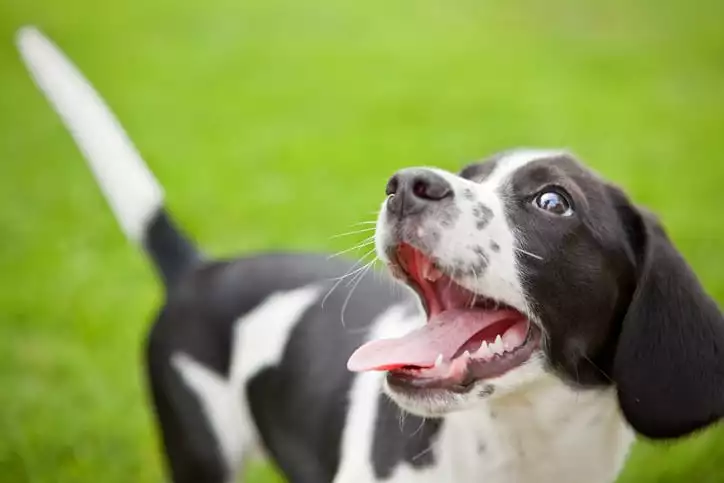
Image Source: veterinarydental.com
The Natural State of a Dog’s Mouth
A dog’s mouth, like a human’s, harbors a diverse community of microorganisms. This includes bacteria, viruses, fungi, and other microscopic life forms. Dog saliva plays a crucial role in this environment. It’s not just for lubricating food; it contains enzymes and antibodies that help to neutralize some bacteria and wash away food particles.
However, this natural cleansing isn’t always sufficient. Food debris can get trapped between teeth and along the gumline, providing a breeding ground for bacteria. As these bacteria multiply, they form plaque, a sticky film that adheres to the teeth. If not removed, plaque can harden into tartar, which is much more difficult to remove and contributes significantly to dental problems.
What’s Actually in a Dog’s Mouth?
- Bacteria: Millions of them! These range from beneficial bacteria that aid digestion to potentially harmful ones that can cause disease.
- Food Particles: Leftovers from meals, treats, and even grass or dirt ingested during play.
- Saliva: The natural lubricant and part of the mouth’s defense system.
- Dead Cells: Shedding cells from the mouth’s lining.
- Foreign Objects: Small bits of toys, sticks, or other items your dog might chew on.
Factors Affecting Dog Mouth Cleanliness
Several factors influence how clean or unclean a dog’s mouth is. These can range from diet and breed to overall health and grooming habits.
Breed Predispositions
Certain breeds are genetically more prone to dental issues. Small breeds, for example, often have crowded teeth, which makes them more susceptible to plaque and tartar buildup. Breeds with brachycephalic (short) snouts, like Pugs and Bulldogs, may also have dental crowding and alignment issues that contribute to poorer dog oral hygiene.
Diet and Chewing Habits
What your dog eats and how it eats plays a significant role.
- Soft Foods: Diets that consist primarily of soft, mushy foods can contribute to faster plaque buildup, as there’s less abrasive action to help clean the teeth.
- Sugary Treats: Like in humans, sugary treats can feed harmful bacteria, leading to increased plaque and potential tooth decay (though tooth decay is less common in dogs than gum disease).
- Chew Toys: Providing appropriate chew toys is vital. Hard, sharp objects can fracture teeth, while overly soft toys may not offer enough abrasive cleaning action. Dental chews designed to help clean teeth can be beneficial when used as part of a comprehensive dog dental care plan.
Age and Health Status
As dogs age, their immune systems may weaken, making them more vulnerable to oral infections. Existing health conditions, such as diabetes or kidney disease, can also negatively impact dog gum health and the overall cleanliness of the mouth.
The Dangers of an Unclean Dog Mouth
An unclean dog mouth is more than just an aesthetic issue or the cause of dog bad breath; it can lead to serious health problems.
Dog Bad Breath (Halitosis)
This is often the first sign owners notice of an oral health problem. Dog mouth odor is frequently caused by:
- Bacterial Overgrowth: When bacteria in the mouth break down food particles and dead cells, they release volatile sulfur compounds (VSCs) that smell bad.
- Periodontal Disease: Advanced gum disease is a major contributor to persistent bad breath.
- Diet: Certain foods can also contribute to temporary bad breath.
- Underlying Health Issues: Sometimes, dog bad breath can be a symptom of gastrointestinal problems, kidney disease, or liver issues.
Dog Gingivitis
This is an inflammation of the gums, typically caused by plaque buildup. Signs include:
- Red, swollen gums
- Gums that bleed easily when touched (e.g., during brushing or eating)
- Bad breath
Gingivitis is reversible with proper dog teeth cleaning and improved dog oral hygiene.
Dog Periodontal Disease
If gingivitis is left untreated, it can progress to periodontal disease. This is a more severe infection that affects the tissues supporting the teeth, including the gums, bone, and ligaments.
-
Stages of Periodontal Disease:
- Stage 1: Gingivitis. Inflammation of the gums.
- Stage 2: Early Periodontitis. Plaque and tartar extend below the gum line, causing early bone loss.
- Stage 3: Moderate Periodontitis. Significant gum recession, bone loss, and tooth mobility.
- Stage 4: Severe Periodontitis. Extensive bone loss, loose teeth, abscesses, and pain.
-
Consequences of Periodontal Disease:
- Tooth loss
- Pain and discomfort, making eating difficult
- Infection spreading to other parts of the body (e.g., heart, kidneys, liver) through the bloodstream. This is a serious risk, highlighting the importance of dog dental care.
Promoting Optimal Dog Oral Hygiene
The good news is that you can significantly improve your dog’s oral health and cleanliness through a consistent and multi-faceted approach.
Regular Dog Teeth Cleaning
This is the cornerstone of good dog oral hygiene.
-
Brushing:
- Frequency: Aim for daily brushing, but even a few times a week can make a difference.
- Tools: Use a dog-specific toothbrush (finger brushes or angled brushes are available) and dog-specific toothpaste. Never use human toothpaste, as it can be toxic if swallowed.
- Technique: Gently lift your dog’s lips and brush the outer surfaces of the teeth in a circular motion, paying attention to the gumline. Start slowly and offer plenty of praise and rewards to make it a positive experience.
-
Professional Dental Cleanings:
- Why they are important: Vets perform cleanings under anesthesia, allowing them to thoroughly clean above and below the gumline, polish teeth (which helps prevent plaque from adhering), and take X-rays to assess the health of the tooth roots and jawbone.
- Frequency: This depends on your dog’s breed, age, and predisposition to dental problems. Your veterinarian will recommend a schedule, often annually or bi-annually for older dogs or those with existing issues.
Dental Diets and Treats
Specialized dental diets and treats can supplement brushing efforts.
- Dental Diets: These kibble formulations are often larger and have a unique texture that encourages chewing, helping to scrape plaque off teeth. Some are also coated with enzymes or ingredients that reduce plaque formation.
- Dental Chews and Toys: Look for products approved by the Veterinary Oral Health Council (VOHC). These have been scientifically proven to reduce plaque and tartar buildup. Avoid rawhides or overly hard chews that can break teeth.
| Type of Dental Aid | How it Helps | Considerations |
|---|---|---|
| Dog Toothbrush | Physically removes plaque and food debris. | Requires training and consistency; choose the right size and type for your dog. |
| Dog Toothpaste | Contains enzymes and abrasives to clean teeth and freshen breath. | Must be dog-specific; never use human toothpaste. |
| Dental Diets | Kibble designed to scrape teeth and reduce plaque/tartar buildup. | Can be a good alternative or supplement to brushing; discuss with your vet. |
| Dental Chews | Textured chews that help scrape teeth as the dog chews. | Look for VOHC-approved products; supervise your dog to prevent choking or tooth damage. |
| Dental Water Additives | Added to water to help reduce plaque-causing bacteria. | May be helpful but not a substitute for brushing; ensure it’s palatable for your dog. |
| Dental Wipes | Pre-moistened wipes for quick cleaning of teeth and gums. | Good for dogs resistant to brushing, but less effective than brushing. |
Oral Rinses and Water Additives
Several products are available that can be added to your dog’s water or used as oral rinses. These often contain enzymes or antibacterial agents to help control the dog mouth bacteria population and reduce dog mouth odor. While they can be beneficial, they are generally considered supplementary to brushing and professional cleanings.
Regular Veterinary Check-ups
Don’t underestimate the importance of your dog’s regular veterinary visits. Your vet can:
- Perform a visual inspection of your dog’s mouth.
- Identify early signs of dog gingivitis or dog periodontal disease.
- Recommend appropriate dog dental care strategies.
- Advise on when a professional cleaning might be necessary.
Monitoring Your Dog’s Oral Health
As an owner, you play a critical role in monitoring your dog’s oral health. Regularly check your dog’s mouth for any changes.
What to Look For:
- Redness or Swelling: Inflammation of the gums is a key sign of gingivitis.
- Bleeding: Gums that bleed easily during eating or gentle probing.
- Bad Breath: Persistent unpleasant dog mouth odor.
- Tartar Buildup: Hard, brown or yellow deposits on the teeth, especially near the gumline.
- Tooth Discoloration or Damage: Chipped, broken, or discolored teeth.
- Difficulty Eating: Dropping food, chewing on one side, or showing reluctance to eat.
- Pawing at the Mouth: Indicating discomfort or pain.
- Drooling: Excessive drooling, especially if it’s unusual for your dog.
If you notice any of these signs, consult your veterinarian promptly. Early intervention is key to preventing the progression of dental disease and maintaining good dog gum health.
Frequently Asked Questions (FAQ)
Q1: Can I kiss my dog on the mouth without risk?
While a dog’s mouth isn’t sterile, the risk of transmission of serious diseases to humans from a healthy dog’s mouth is generally low. However, if your dog has poor oral hygiene or known dental infections, the risk increases. It’s always best practice to avoid direct contact with your dog’s mouth, especially if you have a compromised immune system or open sores.
Q2: How often should I brush my dog’s teeth?
Ideally, you should brush your dog’s teeth daily. However, even brushing 2-3 times a week can significantly improve their dog oral hygiene and reduce the risk of dental problems. Consistency is more important than frequency.
Q3: What are the signs of dog gingivitis?
Signs include red, swollen, or bleeding gums, bad breath, and sometimes a change in your dog’s eating habits due to discomfort.
Q4: Can I use human toothpaste on my dog?
No, absolutely not. Human toothpaste often contains fluoride and xylitol, which are toxic to dogs if swallowed. Always use toothpaste specifically formulated for dogs.
Q5: My dog has terrible dog bad breath. What should I do?
Persistent dog bad breath is often a sign of underlying dental issues like plaque, tartar, gingivitis, or periodontal disease. It can also indicate other health problems. Schedule an appointment with your veterinarian for a thorough examination and diagnosis.
Q6: What is the best way to introduce my dog to teeth brushing?
Start slowly. Let your dog taste the dog toothpaste. Then, gently rub it on their gums with your finger. Gradually introduce the toothbrush, allowing them to lick toothpaste from it. Once they are comfortable, start gently brushing a few teeth at a time, always offering praise and rewards. Keep sessions short and positive.
Q7: Are dental chews as effective as brushing?
Dental chews can be a helpful addition to your dog dental care routine, but they are not a complete substitute for brushing. Brushing physically removes plaque and debris more effectively, especially along the gumline. Look for VOHC-approved dental chews for the best results.
Q8: My dog hates having its mouth touched. What are my options?
If brushing is a struggle, explore other options like dental wipes, dental water additives, or specially formulated dental diets. However, regular veterinary check-ups and professional cleanings will remain crucial to ensure good dog gum health and prevent advanced dog periodontal disease. Sometimes, working with a professional dog trainer can help desensitize your dog to mouth handling.
In conclusion, while a dog’s mouth is naturally teeming with bacteria, it doesn’t have to be a source of illness or unpleasant dog mouth odor. By understanding the factors that influence oral cleanliness and implementing a consistent dog dental care routine that includes regular dog teeth cleaning, appropriate diet, and regular veterinary check-ups, you can ensure your canine companion enjoys a healthier mouth, a happier life, and fresher breath. Prioritizing your dog’s oral health is an investment in their overall well-being.