
When asking how deep to bury your dog, the general recommendation is a minimum of 2 to 4 feet. This depth ensures that scavengers are deterred and provides a respectful resting place. This guide will delve into the critical aspects of dog burial depth, animal burial depth, and canine burial depth, helping you make informed decisions about backyard pet burial and responsible pet disposal. We’ll also touch upon pet funeral regulations, pet burial laws, and consider pet cremation alternatives and the concept of a pet afterlife.
Losing a beloved dog is an incredibly difficult experience. Amidst the grief, practical decisions must be made regarding their final resting place. While the emotional toll is immense, providing a safe, respectful, and legally compliant burial for your furry companion is a final act of love. This article aims to demystify the process, offering clear guidance on dog burial depth and related considerations.
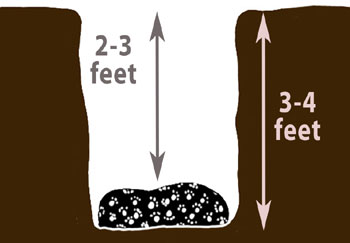
Image Source: www.dfordog.co.uk
The Importance of Proper Burial Depth
The primary reasons for burying a pet at a specific depth revolve around protection and respect.
Protecting Against Scavengers
The most significant concern when burying a pet is preventing disturbance by animals. Wild animals, including foxes, coyotes, raccoons, and even domestic dogs, possess a keen sense of smell and can be attracted to the scent of a deceased animal. Burying your dog at a sufficient depth acts as a natural deterrent, making it significantly harder for scavengers to locate and access the remains. A depth of 2 to 4 feet is generally considered adequate for this purpose.
Preventing Environmental Contamination
While less common with individual pet burials compared to large-scale livestock disposal, improper burial can theoretically lead to localized environmental concerns. Burying at the recommended depth helps to ensure that the decomposition process occurs naturally and without posing risks to groundwater or surrounding ecosystems.
Maintaining Dignity and Respect
A proper burial depth contributes to the overall dignity of the final resting place. It signifies a respectful farewell, keeping the remains undisturbed and protected from the elements and other natural forces. This is an essential aspect of responsible pet disposal and honoring the bond you shared.
Factors Influencing Dog Burial Depth
While the 2-4 foot guideline is a good starting point, several factors might influence your decision on animal burial depth.
Soil Type and Condition
The type of soil in your chosen burial spot can impact how quickly decomposition occurs and how well it contains the remains.
- Sandy Soil: Drains well but can be prone to shifting. It might require a slightly deeper burial to ensure stability.
- Clay Soil: Drains poorly and can become waterlogged. While it offers good containment, decomposition may be slower.
- Rocky Soil: Can make digging difficult and may create voids that allow air and moisture in, potentially affecting decomposition and scent dispersal.
Local Climate
Extreme weather conditions can also play a role. In areas with consistently frozen ground, digging a deep grave can be challenging. Conversely, very wet or marshy soil might require adjustments to ensure proper drainage and stability.
Presence of Wildlife
If you live in an area with a particularly high population of wildlife known to dig or scavenge, opting for the deeper end of the recommended range (closer to 4 feet) might be advisable.
Legal and Regulatory Considerations
Navigating pet burial laws and pet funeral regulations is crucial before proceeding with a backyard burial. These regulations vary significantly by location, and ignorance is not a valid defense.
Local Ordinances
Many municipalities have specific rules regarding the burial of pets on private property. These can include:
- Minimum Depth Requirements: Some areas may mandate a minimum burial depth exceeding the general recommendation.
- Location Restrictions: There might be rules about how far a grave must be from property lines, wells, or water sources.
- Permits: In some instances, a permit might be required for pet burial, especially in more densely populated areas.
- Prohibitions: Some jurisdictions may outright prohibit backyard pet burials due to public health or zoning concerns.
It is imperative to contact your local animal control office, health department, or municipal government to ascertain the specific pet burial laws applicable to your area.
Zoning Laws
Zoning regulations can also impact backyard pet burial. Certain residential zones may have restrictions on burying animals to prevent potential nuisances or health concerns.
Health Department Guidelines
The local health department often provides guidelines on pet disposal and burial, focusing on preventing the spread of disease and maintaining public sanitation.
Steps for a Safe and Respectful Backyard Pet Burial
If your local regulations permit backyard pet burial, here’s a step-by-step guide to ensure a safe and respectful process, adhering to the principles of responsible pet disposal.
1. Check Local Regulations (Crucial First Step)
As mentioned, this cannot be stressed enough. Contact your local authorities to confirm what is permissible.
2. Choose the Right Location
Select a spot in your yard that is:
- Away from Water Sources: Ensure the burial site is well away from wells, streams, ponds, and septic systems to prevent any potential contamination. A minimum distance of 50-100 feet is often recommended, but check local guidelines.
- Free from Underground Utilities: Before digging, contact your local utility locating service (e.g., 811 in the US) to mark any underground pipes or cables.
- Durable and Stable: Avoid areas prone to erosion or flooding.
- Meaningful: Many people choose a spot that was special to their pet, like a favorite napping place or a spot where they enjoyed playing. This can contribute to creating a pet memorial garden.
3. Dig the Grave
- Depth: Aim for a depth of 2 to 4 feet. This is the animal burial depth that provides adequate protection. Use a measuring tape to ensure you reach the desired depth.
- Width and Length: The grave should be large enough to accommodate your dog comfortably, with at least a foot of space on all sides. This allows for the natural expansion of the body during decomposition.
- Consider a Casket or Shroud: While not always required, many people opt to place their pet in a specially made pet casket, a sturdy wooden box, or wrap them in a cotton sheet or blanket. Avoid plastic materials, as they hinder decomposition and can be harmful to the environment.
4. Prepare the Burial Site
- Lining the Grave: Some individuals choose to line the bottom of the grave with a layer of absorbent material like straw or wood shavings. This can help manage moisture.
- Placing the Pet: Gently place your dog into the grave. Take your time and be respectful during this process.
5. Backfill the Grave
- Layering: Begin backfilling the grave with the soil you removed. Try to break up any large clumps of soil.
- Crowning: As you fill the grave, create a slight mound or “crown” over the burial site. This allows for settling as the soil compacts naturally and helps direct rainwater away from the grave, preventing a sunken spot.
- Compact the Soil: Gently compact the soil as you go to prevent excessive settling later.
6. Memorialize the Site
- Headstone or Marker: Consider placing a headstone, plaque, or garden marker to commemorate your pet.
- Planting: Many people create a pet memorial garden by planting flowers or a tree over the burial site. This can be a beautiful and living tribute.
- Other Memorials: You might place a favorite toy, a photograph, or a special item near the grave.
Alternatives to Backyard Pet Burial
While backyard pet burial is a cherished option for many, it’s not always feasible or desired. Fortunately, there are several compassionate and respectful alternatives for responsible pet disposal.
Pet Cremation
Pet cremation is a widely accepted and increasingly popular option. It offers several benefits:
- Flexibility: Cremated remains can be kept in an urn, scattered in a meaningful location, or interred.
- Hygienic: It eliminates concerns about scavenging or environmental contamination.
- Portability: You can take your pet’s remains with you if you move.
There are two main types of pet cremation:
- Communal Cremation: Your pet is cremated with other animals. The ashes are typically scattered or buried by the crematorium. This is usually the most affordable option.
- Individual Cremation: Your pet is cremated alone, and the ashes are returned to you in an urn or container. This allows for personalization and memorialization.
Pet Cemeteries
Dedicated pet cemeteries offer a formal and dignified burial service, similar to human cemeteries. They provide designated plots, ongoing maintenance, and often have a range of memorial options. This is a wonderful option if you desire a traditional burial but cannot accommodate it on your property.
Other Pet Afterlife Services
Beyond traditional burial and cremation, some services cater to the concept of a pet afterlife and unique memorialization:
- Cremation Jewelry: Ashes can be incorporated into pendants, rings, or other jewelry, allowing you to keep a piece of your pet close.
- Paw Print Keepsakes: Clay or ink paw prints can be preserved as tangible memories.
- Memorial Artifacts: Services exist that can turn ashes into unique items like glass art or even diamonds.
- Donating to Research: In some cases, you may choose to donate your pet’s body to veterinary schools or research institutions, contributing to the advancement of animal health.
Frequently Asked Questions (FAQ)
Q1: How deep should I bury my dog if my yard is very small?
Even in a small yard, adhering to the recommended dog burial depth of 2 to 4 feet is important for preventing disturbance. If your yard’s size or soil conditions make this impractical or impossible, consider pet cremation alternatives or a pet cemetery.
Q2: Can I bury my dog in a plastic container?
It is generally not recommended to bury pets in plastic containers. Plastic does not decompose, hindering the natural decomposition process and potentially creating an environmental issue. Opt for biodegradable materials like wooden caskets, cotton shrouds, or wicker baskets.
Q3: What if my dog was a large breed? Does that change the burial depth?
While the recommended depth of 2-4 feet is a good guideline for most pets, for very large breeds, ensure the grave is sufficiently wide and long to accommodate them comfortably. The depth remains important for protection against scavengers.
Q4: Are there any laws against burying pets in my backyard?
Yes, pet burial laws and local ordinances vary significantly. It is essential to check with your local government or animal control before proceeding with backyard pet burial.
Q5: How do I choose the right pet cremation alternative?
Consider your budget, your desire for a tangible memorial, and your personal beliefs about the pet afterlife. Individual cremation provides returned ashes for personalized memorials, while communal cremation is a more economical choice.
Q6: What is the purpose of creating a pet memorial garden?
A pet memorial garden serves as a dedicated space for remembrance, offering a peaceful and beautiful place to grieve and honor your pet’s memory. It can be a living tribute that brings comfort over time.
Q7: How does responsible pet disposal differ from simply throwing the pet away?
Responsible pet disposal involves ensuring the deceased pet is treated with respect, disposed of in a way that is safe for public health and the environment, and adheres to all legal requirements. This is a far cry from simply discarding the remains.
Q8: What is the typical canine burial depth recommended by experts?
The generally accepted expert recommendation for canine burial depth is between 2 and 4 feet to ensure adequate protection from scavengers and the elements.
Final Thoughts on Honoring Your Companion
The loss of a pet leaves an undeniable void. The decisions you make about their final resting place are a reflection of the love and care you provided throughout their life. By carefully considering dog burial depth, adhering to pet burial laws, and exploring various pet cremation alternatives, you can ensure your beloved companion receives the respectful farewell they deserve, contributing to a peaceful sense of closure and the creation of lasting memories, perhaps within a cherished pet memorial garden. Whether through backyard pet burial or other methods of responsible pet disposal, the key is to act with knowledge, respect, and love.