
What is the correct depth for burying a dog? The right dog burial depth is generally between 3 to 4 feet (approximately 0.9 to 1.2 meters) from the surface to the top of the grave. This depth is crucial for several reasons, including preventing scavengers from accessing the remains and ensuring the grave doesn’t erode or collapse prematurely.
Losing a beloved canine companion is an incredibly difficult experience. Amidst the grief, deciding how to respectfully handle their remains is a significant task. Many pet owners opt for burial, either in a backyard or a dedicated pet cemetery. However, a common and important question arises: how deep should you bury a dog to ensure it’s done properly and humanely? This guide will delve into the specifics of dog burial depth, covering legal requirements, practical considerations, and best practices for a humane dog burial.
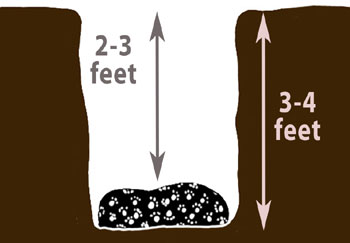
Image Source: www.dfordog.co.uk
Why Depth Matters in Pet Grave Depth
The depth of a pet grave is not just an arbitrary number; it serves vital functions. A properly deep grave protects your pet’s remains and ensures the sanctity of their resting place.
- Protection from Scavengers: Animals, both wild and domestic, can be attracted to the scent of decomposing remains. A deep enough grave acts as a barrier, deterring animals from digging up the burial site. This is a primary concern for humane dog burial.
- Preventing Erosion and Collapse: Shallow graves are more susceptible to erosion from rain and wind. They can also collapse over time, leaving an unsightly depression or even exposing the remains, which is distressing for grieving owners and disrespectful to the pet.
- Privacy and Respect: A deeper grave offers a greater sense of privacy and respect for your pet’s final resting place. It ensures that the burial is a solemn occasion, free from disturbance.
- Hygiene and Public Health: While less of a concern with pets than with larger livestock, maintaining adequate depth helps with the natural decomposition process and prevents any potential issues related to surface exposure.
Legal Dog Burial Depth Requirements
When considering backyard pet burial depth, it’s important to be aware of local regulations. While specific laws vary by city, county, and state, there are general guidelines that most municipalities follow.
Local Ordinances and Regulations
Many areas have specific rules regarding the burial of pets. These ordinances are often in place to protect public health and the environment.
- Minimum Depth: Most jurisdictions mandate a minimum burial depth, often around 2 to 3 feet. However, as discussed, a greater depth is often recommended for the reasons mentioned above.
- Proximity to Water Sources: Regulations may also specify how far a burial site must be from wells, streams, or other bodies of water to prevent contamination.
- Zoning Laws: If you’re planning a backyard pet burial, ensure your property’s zoning allows for such burials. Some areas might have restrictions.
- Pet Cemetery Regulations: Licensed pet cemeteries adhere to stricter regulations, often including specific depth requirements and proper grave maintenance. These facilities ensure the legal dog burial depth is met and maintained.
It is always advisable to check with your local animal control, public health department, or city hall for the most accurate and up-to-date information regarding pet burial laws in your specific area. Ignoring these regulations could lead to fines or require the exhumation of your pet.
The Ideal Pet Grave Depth for Backyard Burial
For those choosing to bury their pet in their backyard, the goal is to strike a balance between respecting local guidelines and ensuring the best possible resting place for your dog. The generally accepted optimal burial depth for deceased pets, including dogs, is 3 to 4 feet from the ground surface to the top of the grave.
Factors Influencing Backyard Burial Depth
Several factors can influence the ideal depth for your backyard pet burial:
- Soil Type: Different soil types compact differently. Heavy clay soils can be more stable, while sandy soils may require greater depth to prevent erosion.
- Climate: In areas with heavy rainfall or frost, a deeper grave offers more protection against disturbance caused by frozen ground or water saturation.
- Presence of Animals: If your backyard is frequented by wildlife, a greater depth (closer to 4 feet) is recommended to deter digging.
- Future Landscaping: Consider future plans for your yard. If you anticipate significant digging or construction, a deeper grave provides more buffer.
Practical Steps for Backyard Burial
- Choose the Location Wisely: Select a spot that is away from utility lines, septic systems, and frequently used areas of your yard. Consider where the ground will be in the future.
- Measure and Dig: Mark the area for the grave. Dig a hole that is wider than your dog’s body and at least 3 to 4 feet deep. The length of the grave should accommodate your dog comfortably.
- Prepare the Grave: Some owners like to line the bottom of the grave with a layer of natural materials like straw or soft leaves, although this is not strictly necessary. Avoid plastic or non-biodegradable materials.
- Grave Liner (Optional but Recommended): Consider using a pet burial vault or a sturdy, biodegradable liner. These are designed to prevent grave collapse and offer an additional barrier against scavengers. They are readily available from pet supply stores or funeral homes.
- Gently Place Your Pet: Carefully place your dog into the prepared grave. You may wish to wrap them in a simple shroud made of natural fabric like cotton or a favorite blanket.
- Backfill the Grave: Begin filling the grave with the soil you removed. Tamp down the soil gently as you go to minimize settling later. Ensure the grave is filled to ground level.
- Mark the Spot: Consider placing a marker, such as a stone, plaque, or plant, to commemorate your pet’s resting place.
Pet Cemetery Depth: Standards and Considerations
When a pet cemetery is involved, you can generally trust that professional standards for pet remains burial are followed. This offers peace of mind, especially during a difficult time.
Professional Standards
Pet cemeteries are regulated businesses and are expected to adhere to professional burial practices.
- Consistent Depth: Pet cemeteries typically maintain a consistent grave depth, often in the 3 to 4-foot range, to ensure uniformity and adherence to best practices.
- Grave Liners and Vaults: It is common for pet cemeteries to require or include the use of burial vaults or grave liners as part of their services. This protects the integrity of the grave and prevents collapse.
- Maintenance: These facilities are responsible for the ongoing maintenance of the graves, ensuring they remain properly covered and presentable.
- Professional Handling: The entire process, from transport to the final burial, is handled by professionals who understand the importance of respectful treatment.
The pet funeral burial depth at a pet cemetery is designed to meet all legal requirements and provide a dignified final resting place.
Proper Dog Burial: Beyond Just Depth
While the right dog burial depth is a critical element, a proper dog burial encompasses more than just how deep the grave is. It’s about honoring your pet’s life and ensuring their dignity.
Humane Practices
Humane dog burial prioritizes the comfort and respect of your pet, even after death.
- Natural Materials: If you choose to wrap your pet, use natural, biodegradable materials like cotton sheets, blankets, or a simple shroud. Avoid plastics, treated woods, or synthetic fabrics that do not decompose naturally.
- No Embalming Fluids: For backyard burials, traditional embalming is usually not used or necessary. Embalming fluids can be harmful to the environment and are not designed for natural decomposition in the ground.
- Grave Marker: A simple marker can help you find and remember the spot, offering a focal point for your grief and remembrance.
- Respectful Handling: Approach the entire process with reverence. Speak softly to your pet, and allow family members to say their goodbyes.
Legal Dog Burial Depth and Environmental Impact
The legal dog burial depth and the methods used can also have environmental implications.
- Biodegradability: Using biodegradable materials for shrouds or grave liners ensures that your pet’s remains can decompose naturally without introducing foreign substances into the soil.
- Preventing Contamination: Adequate burial depth helps prevent surface runoff and keeps the decomposition process contained, minimizing any potential impact on groundwater or surrounding ecosystems.
- Avoiding Non-Biodegradable Items: Never bury toys, kennels, or other non-biodegradable items with your pet. These items will not decompose and can hinder the natural process.
Fathoming the Best Burial Depth for Deceased Pet
When deciding on the burial depth for a deceased pet, consider the long-term well-being of the resting place and the respect it affords your companion. The consensus among pet loss professionals and experienced pet owners points to a depth of 3 to 4 feet as the ideal for several compelling reasons:
- Stability: This depth provides a stable environment, minimizing the risk of the grave becoming shallow due to soil erosion or shifting.
- Deterrence: It offers a robust deterrent against animals seeking to unearth the remains. Even determined scavengers will find it difficult to dig to this depth.
- Natural Decomposition: While decomposition is a natural process, a deeper grave helps contain it and allows the body to reintegrate with the earth in a more secluded and respectful manner.
- Protection: It provides ample protection from accidental disturbance by other animals or human activity.
Interpretations of Pet Cemetery Depth
Pet cemeteries offer a professional service that ensures a dignified and respectful burial. The interpreted pet cemetery depth is generally consistent with best practices, prioritizing the longevity and sanctity of the grave.
- Uniform Standards: Reputable pet cemeteries maintain uniform depth standards, often adhering to or exceeding local regulations. This ensures that all internments meet the highest level of care.
- Environmental Consideration: While not always explicitly stated, the depths used in pet cemeteries are also chosen to minimize environmental impact and ensure proper decomposition.
- Peace of Mind: For pet owners, knowing that their beloved companion is buried at the professionally determined pet cemetery depth provides significant peace of mind during a period of intense grief.
FAQ: Addressing Common Questions About Dog Burial
Here are answers to some frequently asked questions regarding the burial of dogs:
Q1: Can I bury my dog in my backyard?
A1: In many areas, yes, you can bury your dog in your backyard. However, it is crucial to check your local ordinances and zoning laws first. Some areas have restrictions on pet burials, including required depths and distances from property lines or water sources.
Q2: How deep is a typical pet grave?
A2: A typical pet grave, especially for a dog, should be between 3 to 4 feet deep from the surface to the top of the grave. This depth is recommended to prevent disturbance from animals and erosion.
Q3: What should I put in the grave with my dog?
A3: It’s best to use natural, biodegradable materials. A favorite blanket made of cotton or wool, or a simple shroud of natural fabric is appropriate. Avoid plastics, treated wood, or metal objects, as they do not decompose and can harm the environment.
Q4: Do I need a burial vault for my dog?
A4: A burial vault or grave liner is not always legally required for backyard burials, but it is often recommended. Vaults help prevent the grave from collapsing over time and offer an extra layer of protection against scavengers. Pet cemeteries usually require or offer them.
Q5: Is it legal to bury a pet in a public park or forest?
A5: No, it is generally illegal and highly discouraged to bury pets in public parks, forests, or any other public land. This is often considered improper disposal of remains and can be a violation of local laws.
Q6: How soon after my dog passes should I bury them?
A6: It’s best to arrange for burial as soon as possible after your dog passes. If immediate burial isn’t feasible, it’s important to keep the body refrigerated to slow decomposition.
Q7: What are the alternatives to backyard burial?
A7: Alternatives include cremation (individual or communal), burial in a pet cemetery, or choosing a pet memorial service. These options offer different ways to honor your pet’s memory.
Q8: How do I know if my dog’s grave is deep enough?
A8: Aim for the top of the grave to be at least 3 feet below the current ground level. If you use a vault, the top of the vault should be at this depth. If you’re unsure, erring on the side of deeper is generally better, provided you are within legal limits and can manage the digging.
Q9: What if I live in an area with a high water table?
A9: If you have a high water table, backyard burial might not be advisable. In such cases, cremation or a pet cemetery with specialized grave liners or above-ground options might be more suitable. Always check local conditions and consult with experts if needed.
Q10: How do I properly mark my dog’s grave?
A10: You can use a simple gravestone, a plaque, a special rock, or even plant a memorial tree or bush. Ensure any marker is placed carefully to avoid disturbing the grave itself.
By following these guidelines, you can ensure that your beloved dog receives a dignified and respectful final resting place, honoring the joy and love they brought into your life. The correct dog burial depth is a crucial aspect of this final act of love and care.