
Does your dog pee on your bed? You’re not alone. This is a common problem for many dog owners, but thankfully, there are effective solutions. The primary reasons dogs pee on beds are typically related to house training issues, dog anxiety, dog marking, puppy accidents, or medical conditions like incontinence in dogs.
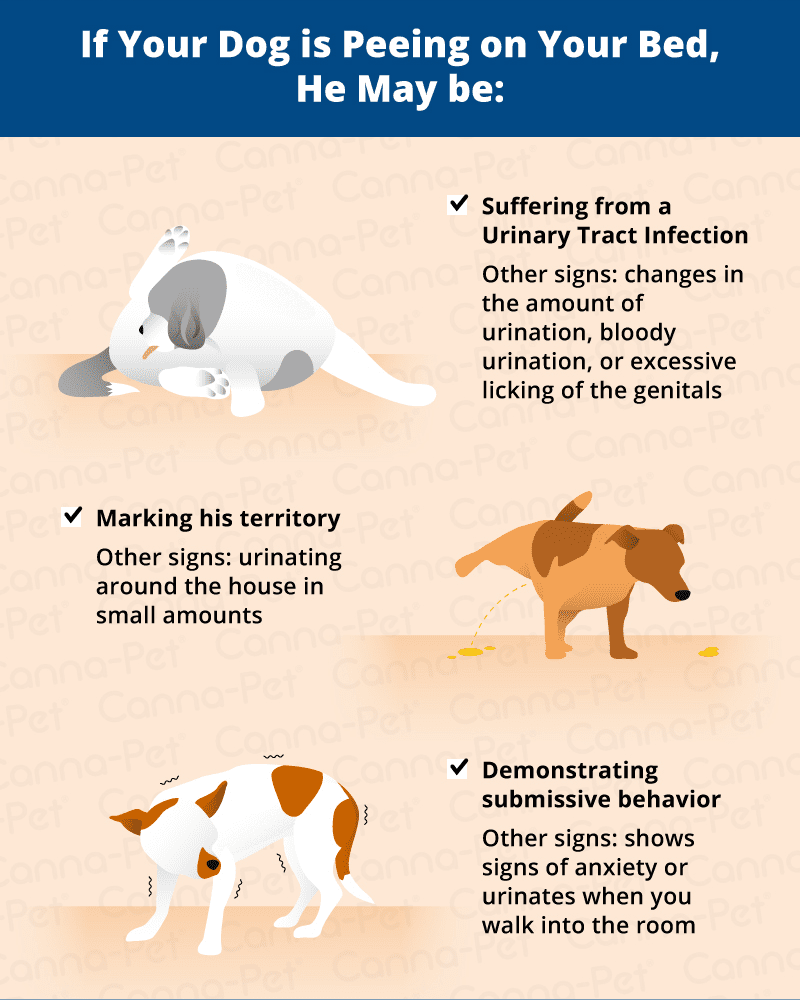
Image Source: cdn-ilbfemn.nitrocdn.com
Why is My Dog Peeing on the Bed? Deciphering the Causes
Your dog peeing on your bed is a frustrating behavior, but it’s usually a symptom of an underlying issue. Let’s explore the most common culprits.
Incomplete House Training
For many dogs, especially puppies, peeing on the bed is a direct result of not being fully potty training. They may not have grasped the concept of where they are supposed to go. Young puppies have limited bladder control, and even older dogs can regress if not consistently trained.
Key aspects of incomplete house training:
- Lack of consistent routine: If your dog isn’t taken out frequently enough, they might have accidents.
- Inadequate reinforcement: Not rewarding successful potty breaks strongly enough can confuse dogs.
- Punishment after accidents: This can make dogs afraid to pee in front of you, leading them to hide accidents, like on your bed.
Dog Anxiety and Stress
Dogs often resort to undesirable behaviors when they are stressed or anxious. Your bed might be a safe haven, a place that smells strongly of you, their trusted human. When they feel insecure, they may seek comfort by urinating on it.
Triggers for dog anxiety:
- Separation anxiety: Dogs left alone for long periods can become distressed and eliminate indoors.
- Changes in routine: Moving to a new home, a new pet, or a change in family dynamics can cause stress.
- Loud noises: Thunderstorms, fireworks, or construction can frighten dogs.
- New environments: Visiting unfamiliar places can be unsettling.
Dog Marking Behavior
Dog marking is a natural instinct for many dogs, particularly unneutered males, though it can occur in spayed females and neutered males too. They deposit small amounts of urine on vertical surfaces to leave their scent and communicate with other dogs. Your bed, being a prominent and familiar scent marker of yours, can become a target.
Factors contributing to marking:
- Presence of other animals: If other dogs have been in the house, or if there are strays outside, it can trigger territorial marking.
- New scents: Bringing home new furniture or even a new person can lead to marking.
- Excitement or stress: Sometimes marking can occur during moments of high emotion, not just territoriality.
Medical Issues
It’s crucial to rule out any medical problems that could cause a dog to pee on the bed. Sometimes, what appears to be a behavioral issue is actually a sign of illness.
Common medical causes:
- Urinary tract infections (UTIs): These can cause urgency and a loss of bladder control.
- Kidney disease: Impaired kidney function can lead to increased urination.
- Diabetes: Dogs with diabetes often drink and urinate more frequently.
- Bladder stones: These can cause irritation and difficulty holding urine.
- Cognitive dysfunction syndrome (CDS): In older dogs, CDS can lead to confusion and house-soiling.
- Incontinence in dogs: This can be a result of aging, hormonal imbalances, or nerve damage, leading to involuntary urine leakage.
Age-Related Factors
Puppy accidents are common as their bladder control is still developing. However, older dogs can also experience accidents due to reduced mobility, weakened bladder muscles, or the onset of conditions like CDS or incontinence.
Submissive Urination
Some dogs, particularly timid or anxious ones, may urinate when greeted by people, other dogs, or during exciting situations. This is a submissive gesture, and while usually happening at your feet, it can sometimes occur on your bed if they feel cornered or overly excited in that space.
Stopping the Bed Wetting: A Comprehensive Approach
Now that we’ve explored the “why,” let’s dive into the “how to stop dog peeing on your bed.” A multi-faceted approach that addresses the root cause is most effective.
Reinforcing Proper Potty Training
If your dog is still learning where to go, a robust house training program is essential.
Steps for effective potty training:
- Frequent Outings: Take your puppy or untrained adult dog out very frequently – every 1-2 hours, after waking up, after playing, and after eating.
- Designated Potty Spot: Choose a specific spot in your yard. Always take your dog to this spot.
- Positive Reinforcement: When your dog successfully eliminates in the designated spot, praise them enthusiastically and offer a high-value treat immediately.
- Leash Control: Keep your dog on a leash during potty breaks initially. This helps them focus and prevents them from wandering off.
- Interrupt and Redirect: If you catch your dog in the act of peeing inside, make a sharp, startling noise (like a clap) to interrupt them. Immediately take them outside to their potty spot. If they finish there, reward them.
- Clean Up Thoroughly: Use an enzymatic cleaner specifically designed for pet stains. These cleaners break down the urine molecules, eliminating the odor that might encourage repeat accidents. Regular cleaners might mask the smell for humans but not for dogs.
Addressing Dog Anxiety
If anxiety is the root cause, you’ll need to focus on calming your dog and reducing their stress.
Strategies for managing dog anxiety:
- Create a Safe Space: Provide a comfortable, quiet den-like area (like a crate) where your dog can retreat when feeling anxious.
- Calming Aids: Consider using dog-appeasing pheromone diffusers or collars, calming treats containing L-theanine or tryptophan, or a thunder vest.
- Desensitization and Counter-Conditioning: Gradually expose your dog to triggers while pairing them with positive experiences (treats, praise). This is best done with guidance from a professional trainer.
- Exercise and Mental Stimulation: Ensure your dog gets enough physical activity and mental challenges. A tired dog is a less anxious dog. Puzzle toys, training sessions, and scent games can help.
- Consult a Veterinarian or Certified Professional: For severe anxiety, professional help is crucial. Your vet can rule out medical causes and may recommend medication. A certified applied animal behaviorist or a positive reinforcement trainer can provide tailored behavior modification plans.
Managing Dog Marking
If your dog is marking, you need to address the territorial instinct.
Tips for preventing dog marking:
- Spaying/Neutering: While not always a complete solution, neutering male dogs significantly reduces marking behavior in many cases. Spaying can have a similar effect for females.
- Clean Thoroughly: Use enzymatic cleaners on any areas where marking has occurred.
- Limit Access: Prevent your dog from accessing areas where they are prone to marking when you can’t supervise them.
- Manage Excitement: If marking occurs during greetings or exciting moments, work on impulse control and calm greetings.
- Supervision: Keep a close eye on your dog, especially in new environments or when introducing new elements into your home.
Medical Interventions
If you suspect a medical issue, a veterinary visit is non-negotiable.
What to expect from your vet:
- Physical Examination: The vet will perform a thorough check-up.
- Urinalysis and Blood Tests: These can detect infections, kidney issues, diabetes, and other internal problems.
- Imaging: X-rays or ultrasounds might be used to look for bladder stones or other structural abnormalities.
- Treatment Plan: Based on the diagnosis, the vet will recommend appropriate medical treatment, which could include antibiotics for infections, medication for incontinence, or dietary changes.
Crate Training as a Tool
Crate training can be an incredibly effective tool, especially for preventing nighttime accidents and teaching dogs to hold their bladder. Dogs are naturally reluctant to soil their den.
How crate training helps:
- Den Instinct: The crate mimics a den, leveraging the dog’s natural instinct to keep their sleeping area clean.
- Supervision Aid: When you can’t directly supervise, the crate prevents access to the bed and potential accidents.
- Potty Training Aid: It helps establish a routine by prompting you to take your dog out immediately upon release from the crate, especially after waking up.
Important considerations for crate training:
- Never use the crate as punishment. It should be a positive, safe space.
- Ensure the crate is the right size. Your dog should be able to stand up, turn around, and lie down comfortably, but not have excessive room to potty in one corner and sleep in another.
- Gradual introduction: Introduce the crate slowly with positive reinforcement.
Dog Behavior Modification Techniques
Beyond basic potty training, specific dog behavior modification techniques can address bed-wetting.
Key techniques:
- Management: This involves preventing the behavior from happening in the first place. Examples include:
- Restricting access to the bedroom when unsupervised.
- Using baby gates or closing doors.
- Covering the bed with waterproof covers or materials your dog dislikes the feel of.
- Positive Reinforcement: Rewarding desired behaviors (e.g., sleeping in their own bed, staying dry).
- Impulse Control Training: Teaching your dog to wait and control their urges.
Cleaning Strategies: The Importance of Dog Urine Odor Removal
Effective dog urine odor removal is vital to prevent recurrence. Dogs have a far superior sense of smell than humans. If any scent remains, they might be drawn back to the spot.
Best practices for cleaning:
- Act Quickly: The sooner you clean, the better.
- Blot, Don’t Rub: Blot up as much urine as possible with paper towels.
- Use Enzymatic Cleaners: These are the most effective. They break down the uric acid crystals in urine that cause the lingering odor. Follow the product instructions carefully.
- Multiple Treatments: You may need to treat the area multiple times.
- Wash Bedding: Wash all bedding, including pillows and blankets, in hot water with an enzyme-based laundry detergent.
Table: Recommended Cleaning Products
| Product Type | Key Features | How to Use |
|---|---|---|
| Enzymatic Cleaner | Breaks down urine molecules, eliminates odor | Saturate the affected area, let it sit for the recommended time, blot dry. |
| Enzyme Laundry Detergent | For washing bedding, removes residual odors | Use as directed on your washing machine, wash on a hot cycle. |
| Waterproof Mattress Protector | Prevents urine from reaching the mattress | Place on the mattress before sheets, wash as needed. |
Step-by-Step Guide to Deterring Bed Peeing
Let’s consolidate the strategies into a practical, actionable plan.
Step 1: Identify the Cause
- Observe your dog’s behavior.
- Note when the accidents happen (time of day, after certain events).
- Consider recent changes in your home or routine.
- Schedule a vet visit to rule out medical issues.
Step 2: Implement Management Strategies
- Restrict Access: If you cannot supervise your dog, prevent them from accessing your bedroom or bed.
- Crate Training: Use the crate during times when supervision is impossible, especially at night.
- Waterproof Protection: Use a waterproof mattress protector and consider a washable mattress topper.
Step 3: Enhance Potty Training and Routine
- Increase Frequency: Take your dog out more often.
- Reward Success: Make potty breaks a highly rewarding experience.
- Supervise Closely: Watch for signs your dog needs to go (sniffing, circling, whining).
Step 4: Address Anxiety or Marking Triggers
- Anxiety: Implement calming strategies, provide enrichment, and seek professional help if needed.
- Marking: Focus on thorough cleaning, and consider consulting about neutering or behavior modification for marking.
Step 5: Consistent and Patient Training
- Positive Reinforcement is Key: Focus on rewarding good behavior.
- Avoid Punishment: Never scold or punish your dog after an accident. This is counterproductive.
- Be Patient: Changing ingrained habits takes time and consistency. Every dog learns at their own pace.
Step 6: Reinforce Boundaries
- Train for Their Own Bed: Encourage and reward your dog for sleeping in their designated bed.
- Discourage Bed Access: Make it clear that your bed is off-limits when you’re not there or not actively inviting them.
Frequently Asked Questions (FAQ)
Q1: My puppy keeps peeing on my bed. Is this normal?
A1: Yes, it’s quite common for puppies to have puppy accidents as their potty training is still developing and their bladder control is limited. Consistency with frequent potty breaks, positive reinforcement, and diligent cleaning are crucial.
Q2: Can my dog have a medical reason for peeing on the bed?
A2: Absolutely. Incontinence in dogs, UTIs, kidney disease, diabetes, and cognitive dysfunction can all lead to house-soiling accidents. It’s essential to consult your veterinarian to rule out any underlying health issues.
Q3: My dog pees on my bed only when I’m not home. What could this be?
A3: This often points to dog anxiety, particularly separation anxiety. Your dog might be associating the bed with your scent and feeling distressed when you’re away, leading to an accident as a release of that anxiety. Addressing the anxiety is key.
Q4: How can I stop my dog from marking my bed?
A4: Dog marking is a territorial behavior. Ensure thorough cleaning with enzymatic cleaners, consider spaying or neutering, and manage any triggers that might incite territorial behavior in your home. Positive reinforcement for calm behavior in the home is also important.
Q5: What are the best dog training techniques for stopping bed-wetting?
A5: The most effective dog training techniques involve a combination of consistent house training, positive reinforcement for successful potty breaks, management to prevent accidents, and addressing any underlying behavioral issues like dog anxiety or dog marking. Crate training can also be a valuable tool.
Q6: How do I completely remove dog urine odor from my mattress?
A6: Effective dog urine odor removal requires enzymatic cleaners specifically designed for pet stains. These cleaners break down the odor-causing molecules. You’ll need to saturate the affected area, allow it to sit according to product instructions, and then blot it dry. Washing bedding in hot water with an enzyme-based detergent is also essential.
Q7: I’ve tried everything, and my dog still pees on the bed. What else can I do?
A7: If you’ve diligently applied dog behavior modification techniques and ruled out medical causes, consider consulting a professional dog trainer or a certified applied animal behaviorist. They can offer personalized strategies and help decipher more complex behavioral patterns.
By systematically addressing the root cause and implementing consistent, positive training methods, you can help your dog overcome the habit of peeing on your bed and restore peace to your home.