
Can you train a squirrel dog from a young age? Yes, you absolutely can and should train a squirrel dog from a young age to develop their natural instincts and build a strong bond with you. This comprehensive guide will walk you through the essential steps for squirrel dog training, from selecting the right breed to refining advanced hunting techniques. Whether you’re new to hunting squirrel with dogs or looking to improve your current companion’s skills, this detailed approach will set you up for success.
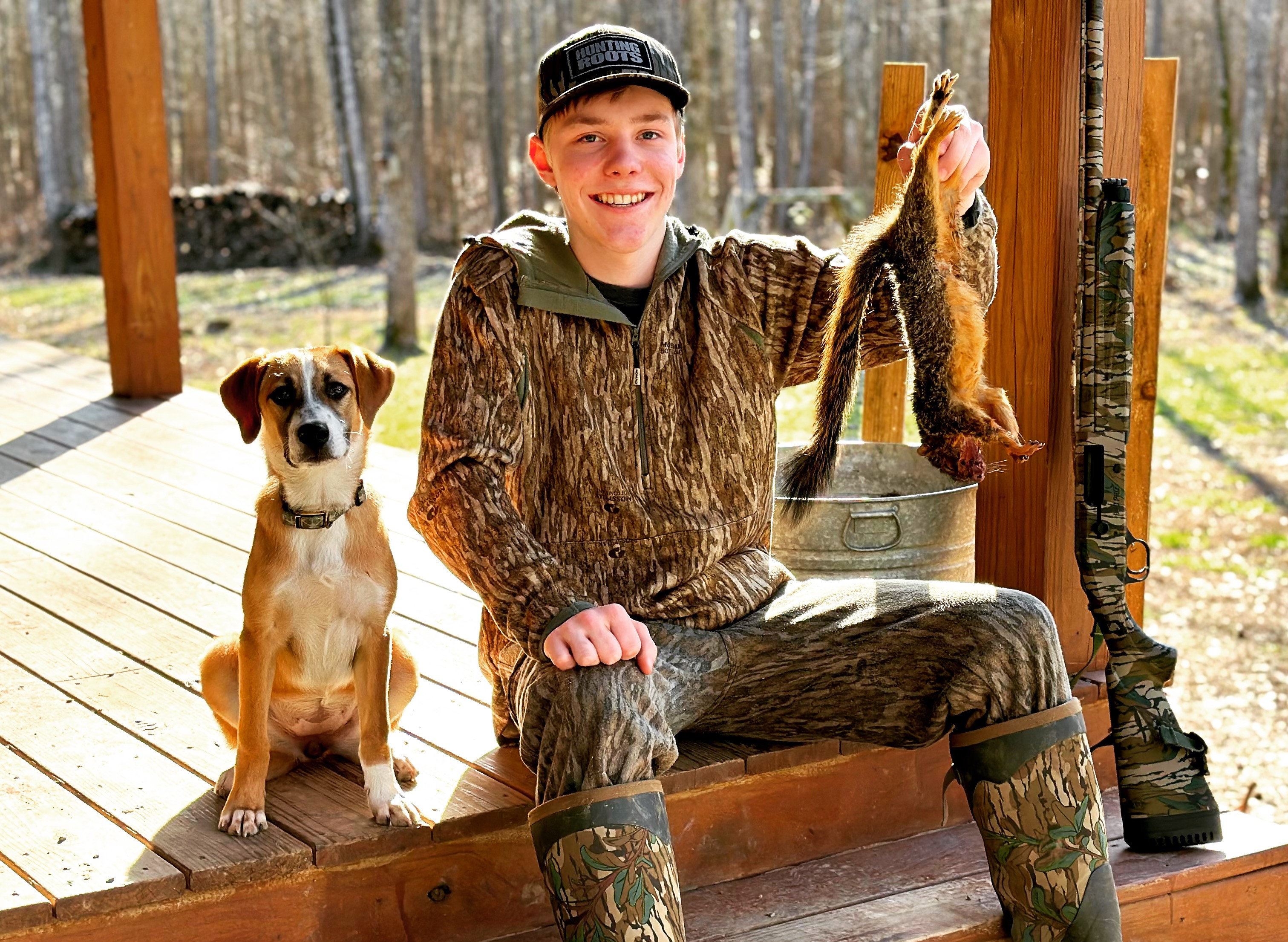
Image Source: www.mossyoak.com
Deciphering the Temperament of Squirrel Dogs
Before diving into training, it’s crucial to grasp the temperament of squirrel dogs. These dogs are generally known for their intelligence, tenacity, and eagerness to please. They possess a strong prey drive, which is essential for their job, but this also means consistent training is key to channeling that drive appropriately. Squirrel dogs are often high-energy and thrive on having a “job” to do. They can be independent thinkers, which makes understanding their personality vital for effective training. A well-socialized squirrel dog is typically friendly and good-natured, making them excellent companions both in the field and at home.
Choosing Your Squirrel Dog: Finding a Squirrel Dog Puppy
The foundation of a successful squirrel dog starts with a good beginning. Finding a squirrel dog puppy requires careful consideration. Look for puppies from reputable breeders who focus on working lines. This often means parents have proven hunting abilities and sound temperaments.
Essential Traits to Look For:
- Drive: Observe the puppies. Do they show interest in chasing moving objects? Are they curious and exploratory?
- Confidence: A confident puppy is more likely to be bold in the field and less prone to fear.
- Health: Ensure the puppy is physically healthy, with clear eyes, a clean coat, and no obvious signs of illness. Get health clearances for common genetic issues for the breed.
- Temperament: While early temperament can be hard to gauge definitively, look for a puppy that isn’t overly timid or aggressive. A balanced personality is ideal.
Popular Squirrel Dog Breeds
Several squirrel dog breeds excel at this specialized hunting. Each has unique strengths and characteristics that make them well-suited for chasing and treeing squirrels.
- Feist: These small to medium-sized dogs are quintessential squirrel hunters. They are known for their agility, speed, and sharp barking. Feist dog training for squirrels is often straightforward due to their natural inclination. They are energetic, intelligent, and can be very vocal.
- Treeing Walker Coonhound: While often associated with raccoon hunting, these hounds also possess excellent scenting abilities and stamina for squirrels. Their deep baying is a distinct characteristic when they’ve treed game. Coonhound training for squirrels requires channeling their powerful nose and drive.
- Black and Tan Coonhound: Similar to the Treeing Walker, they are larger hounds with a strong scenting instinct and endurance.
- Bluetick Coonhound: Known for their striking coat and distinctive vocalizations, Blueticks are also effective squirrel hunters.
- Mountain Cur: These versatile dogs are robust, hardy, and possess excellent treeing instincts and a strong drive to work.
- Plott Hound: Another capable hound breed, Plott Hounds are tenacious and have a good nose for tracking game.
Building the Foundation: Basic Squirrel Dog Training
Squirrel dog training begins with the basics. These commands form the bedrock of all further training and are essential for safety and control.
Essential Commands:
- “Come” / Recall: This is paramount. Your dog must come to you when called, especially in the field.
- Start in a quiet, distraction-free area.
- Use a clear, enthusiastic tone.
- Reward immediately with treats and praise when they come.
- Gradually increase distractions as they improve.
- “Sit”: Useful for controlling excitement and waiting for instructions.
- Hold a treat near their nose and move it over their head. As their head goes up, their rear should go down.
- As their rear touches the ground, say “Sit” and give the treat.
- “Stay”: Crucial for keeping your dog in place while you maneuver or prepare.
- Ask your dog to sit.
- Hold up your hand and say “Stay.”
- Take a small step back. If they stay, return and reward.
- Gradually increase the distance and duration.
- “Heel” / “Walk Up”: This teaches your dog to walk beside you without pulling.
- Start with a leash. Reward them for walking by your side.
- Correct them gently if they pull ahead or lag behind.
- “Leave It”: Important for preventing them from chasing unwanted prey or picking up dangerous items.
- Place a low-value treat on the floor and cover it with your hand.
- When your dog stops trying to get it, say “Leave it” and give them a higher-value treat from your other hand.
- Progress to leaving the treat uncovered.
Socialization: A Vital Component
Proper socialization is key to developing a well-adjusted squirrel dog.
Activities for Socialization:
- Exposure to Different Environments: Take your puppy to parks, different neighborhoods, and even car rides.
- Meeting New People: Introduce them to people of all ages and appearances.
- Interacting with Other Dogs: Supervised play with friendly, vaccinated dogs is beneficial.
- Exposure to Various Sounds: Gentle introductions to common household noises, traffic, and even nature sounds (at a distance initially) can prevent future fearfulness.
Crate Training: A Safe Haven
Crate training provides your dog with a secure den and aids in housebreaking and managing them when you can’t supervise directly.
Crate Training Steps:
- Introduce the Crate: Make it comfortable with soft bedding.
- Positive Association: Feed meals inside the crate, offer special toys.
- Short Sessions: Start with brief periods of time with the door open, then closed.
- Gradual Increases: Slowly increase the duration they spend in the crate.
- Never Use as Punishment: The crate should be a positive place.
Developing the Instincts: Advanced Squirrel Dog Training
Once your dog has a solid grasp of basic commands, you can begin to hone their natural hunting instincts. Advanced squirrel dog training focuses on scent work, treeing, and handling.
Scent Work: Following the Trail
Squirrel dogs are scent hounds. Training them to use their nose effectively is crucial.
Scent Training Exercises:
- Introduction to Scent: Use a piece of squirrel fur or a scent lure. Let the dog sniff it enthusiastically.
- Short Scent Trails: Lay a short, straight trail with the scent. Encourage them to follow it. Reward them at the end.
- Increasing Difficulty: Gradually make trails longer, windier, and introduce a slight time delay between laying the trail and having the dog follow.
- Live Squirrel Introduction: Once they are proficient with artificial scents, introduce them to areas with known squirrel activity. Let them explore and naturally pick up the scent.
Treeing Training: The Art of the Tree
Treeing squirrel dogs are trained to chase a squirrel up a tree and then bark vocally to alert you to the location.
Steps to Treeing Training:
- Observation: Let your dog chase squirrels naturally in areas where you want them to tree.
- Encourage Barking: When they corner a squirrel (even if it’s on the ground initially), encourage them to bark. Praise and reward any vocalization directed at the “game.”
- The “Tree” Command: As they bark at a treed squirrel, you can introduce a “Tree!” command.
- Positive Reinforcement at the Tree: When your dog successfully trees a squirrel and barks, go to them, praise them, and reward them. This reinforces the desired behavior at the tree.
- Avoid Interference: Initially, let them work through the process themselves. You are there to observe and confirm the tree.
The “Hold” or “Stay” at the Tree
A good squirrel dog will often stay at the base of the tree, barking, until you arrive.
Cultivating the “Hold”:
- Reward for Staying: When your dog trees a squirrel, praise them for staying at the base and barking.
- Gradual Departures: If your dog tends to wander off after the tree, practice a “stay” command while they are focused on the treed squirrel. Reward them for remaining in place.
- Call Off: Teach a “come” command that supersedes the excitement of the chase. You want to be able to call them off the tree if needed.
Obedience on the Trail: Maintaining Control
During a hunt, maintaining control is vital.
On-Trail Obedience:
- “Whoa” or “Stop”: Teach your dog to stop immediately when you give this command. This can be crucial for safety or when you want to check the direction of the track.
- Controlled Pursuit: Encourage them to follow the scent at a pace that allows you to keep up, rather than a frantic, out-of-control dash.
- Respecting Boundaries: Teach them not to chase animals other than squirrels if this is your goal.
Squirrel Hunting with Dogs: The Practical Application
Hunting squirrel with dogs is a rewarding experience that combines the thrill of the chase with the companionship of your canine partner.
Preparing for the Hunt:
- Scouting Locations: Identify areas with good squirrel populations. Look for woods with plenty of oak and hickory trees.
- Weather Conditions: Squirrels are often more active in the early morning and late afternoon, especially during moderate weather.
- Gear: Ensure your dog is healthy and has appropriate gear, such as a GPS collar for tracking and a durable leash. For you, wear camouflage, sturdy boots, and carry your firearm safely.
During the Hunt:
- Release the Dog: Let your dog range ahead, using their nose to pick up squirrel scent.
- Follow the Dog: Listen for their barking. A steady, excited bark usually indicates they are on a hot trail or have treed game.
- Locate the Tree: When you hear the distinctive treeing bark, move towards the sound.
- Identify the Squirrel: Visually scan the branches of the tree your dog is indicating.
- The Shot: If you can safely and ethically take a shot, do so.
- Post-Shot Routine:
- Praise your dog: Congratulate them on a good tree.
- Retrieve the squirrel: If successful.
- Reinforce the “Hold”: If they’ve stayed at the tree, reward them. If not, work on that command.
- Continue the hunt: Release your dog to find another squirrel.
Advanced Techniques for Treeing Squirrel Dogs
As your dog progresses, you can introduce more refined techniques.
Advanced Training Methods:
- Delayed Treeing: Train your dog to hold a squirrel for a short period before you arrive, rather than immediately barking at the tree. This can help prevent squirrels from escaping too quickly.
- Tracking Multiple Squirrels: Some experienced dogs can distinguish between scent trails, allowing them to pursue one squirrel at a time and ignore others.
- “Bench” Training: Teaching your dog to stay at the base of the tree and wait for your signal to retrieve the squirrel (if applicable and permitted).
Troubleshooting Common Training Issues
Even with the best intentions, you may encounter challenges.
Common Problems and Solutions:
- Dog Runs Off/Won’t Come:
- Problem: Lack of recall reliability, or the dog is too focused on prey.
- Solution: Reinforce recall in low-distraction environments. Use a long lead to maintain control during training. Never chase your dog; use a happy, inviting tone. Ensure they aren’t under-exercised, as boredom can lead to wandering.
- Dog Chases Other Animals:
- Problem: High prey drive not properly channeled.
- Solution: Implement a strong “Leave It” command. Introduce them to other animals (safely and supervised) to build tolerance. Reward them heavily for ignoring other animals when on a squirrel trail.
- Dog Doesn’t Bark at the Tree:
- Problem: Lack of confidence or insufficient encouragement.
- Solution: Go to the tree with your dog and encourage vocalization. Reward any bark or whine directed at the treed squirrel. Practice with a squirrel in a controlled enclosure if possible.
- Dog Barks Excessively:
- Problem: Over-excitement or territoriality.
- Solution: Teach a “quiet” command. Reward calm behavior. Ensure the dog is getting enough exercise and mental stimulation to reduce pent-up energy.
Maintaining Your Squirrel Dog’s Skillset
Squirrel dog training is an ongoing process, not a one-time event. Regular practice is key to maintaining your dog’s abilities and strengthening your partnership.
Ongoing Training and Reinforcement:
- Regular Hunting Trips: The best way to keep skills sharp is through consistent hunting.
- Practice Sessions: Even when not hunting, engage in scent games and obedience exercises.
- Positive Reinforcement: Continue to praise and reward good behavior.
- Health and Fitness: Ensure your dog remains in good physical condition. A healthy dog is a more effective hunter.
Frequently Asked Questions (FAQ)
How long does it take to train a squirrel dog?
The time it takes to train a squirrel dog can vary significantly depending on the dog’s breed, age, individual personality, and the trainer’s consistency and methods. Generally, it can take anywhere from six months to two years to develop a highly proficient squirrel dog. Basic obedience can be established within a few months, but honing natural hunting instincts, scent work, and treeing behaviors is a more gradual process. Consistent practice and exposure to hunting scenarios are crucial.
Can any dog be trained as a squirrel dog?
While many breeds possess the drive and potential, certain breeds are genetically predisposed to excel at hunting squirrel with dogs. These breeds, such as Feists, various hounds (like Treeing Walker Coonhounds), and Mountain Curs, have been selectively bred for centuries for these specific tasks. While some mixed breeds or other sporting dogs might show aptitude, breeds specifically developed for scent work and treeing game will typically have a significant advantage and require less intensive training to bring out their natural abilities.
What age should I start training my squirrel dog puppy?
You can start basic obedience and socialization training as early as 8 weeks old, when the puppy comes home. However, intensive scent work and chasing/treeing training should be introduced more gradually. Waiting until around 4-6 months of age for more focused hunting-related training is often recommended to avoid overworking a developing puppy. This allows their physical and mental maturity to catch up with the demands of the training.
How do I introduce my squirrel dog to gunfire?
Introduce your dog to gunfire gradually and positively. Start with sounds at a distance, like firecrackers or cap guns, while giving your dog treats and praise. Slowly decrease the distance as your dog shows comfort. You can also associate the sound with positive experiences, like feeding time or playtime. If your dog shows fear, increase the distance and go slower. Never force them; allow them to acclimate at their own pace.
What is the difference between a squirrel dog and a coonhound training for squirrels?
While both are scent hounds, coonhound training for squirrels involves adapting their powerful nose and stamina, which are typically used for larger game like raccoons, to the smaller quarry of squirrels. Squirrel dogs, particularly breeds like Feists, are often smaller, more agile, and have a higher-pitched bark that is distinct from a coonhound’s bay. Both require training to locate, chase, and tree game, but the specific vocalizations and hunting style might differ. A Feist might be quicker to tree a squirrel, while a coonhound might track a scent for a longer period.
How do I stop my squirrel dog from barking at the wrong things?
Teaching your dog the “quiet” command is essential. When your dog is barking excessively at something you don’t want them to bark at, wait for a brief pause in their barking, then say “Quiet” and immediately reward them. You can also redirect their attention with a toy or command. Ensure they aren’t barking out of boredom or anxiety; providing enough exercise and mental stimulation can help reduce unnecessary barking.
By following these steps and dedicating time and patience, you can successfully train a loyal and effective squirrel dog, enhancing your hunting experiences and forging an unbreakable bond with your canine partner.