
What is the maximum distance a small dog can walk? While there’s no single answer, most healthy small dogs can comfortably walk between 1 to 3 miles. However, this can vary greatly depending on the specific breed, their age, health, and training.
Many dog owners, especially those with tiny companions, wonder about their pet’s stamina. The idea of long hikes or extensive daily walks might seem out of reach for breeds like Chihuahuas or Pomeranians. However, the reality of small dog endurance is more nuanced. These pint-sized pooches often possess a surprising amount of energy and capability.
This article delves into canine endurance for small breeds, exploring the factors that influence how far they can travel and how to safely increase their walking capacity. We’ll also touch upon puppy walking distance limits and senior dog mobility, offering practical advice for all stages of a small dog’s life.
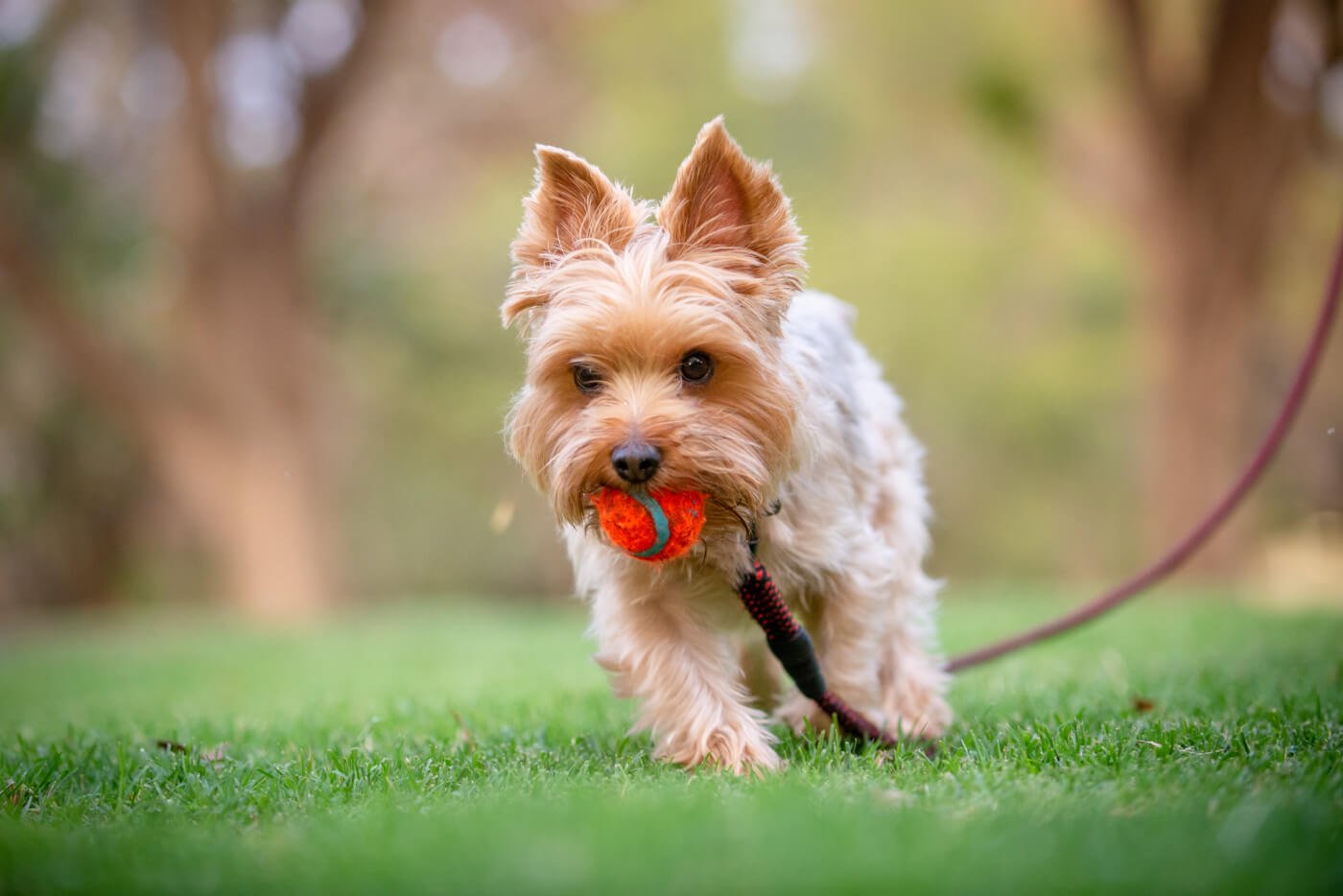
Image Source: dropinblog.net
Factors Influencing Small Dog Walking Distances
Several elements play a crucial role in determining how far a small dog can comfortably walk. It’s not just about breed size; genetics, health, and even mental state are significant contributors.
Breed Characteristics and Dog Breed Physical Ability
Different breeds were developed for different purposes, and this history deeply impacts their physical capabilities.
- Energy Levels: Some small breeds, like Jack Russell Terriers, are naturally high-energy and can cover more ground. Others, like Bulldogs, have lower energy and tire more easily.
- Body Shape and Structure: Brachycephalic (short-nosed) breeds like Pugs and French Bulldogs can struggle with heat and breathing, limiting their endurance. Dogs with longer bodies, like Dachshunds, may be prone to back issues, requiring careful consideration of impact and duration.
- Paw Size and Foot Structure: Smaller paws can be more sensitive to rough terrain or extreme temperatures, affecting comfort over longer distances.
- Coat Type: Dogs with thick coats may overheat more quickly in warm weather, reducing their walking capacity. Conversely, thin-coated dogs might be more susceptible to cold.
Age and Life Stage
A dog’s age is a critical factor in their small dog exercise capacity.
Puppy Walking Distance Limits
When you first bring home a new puppy, it’s essential to build up their stamina gradually. Over-exercising a young dog can lead to joint damage. A general guideline for puppies is the “five-minute rule”: five minutes of walking per month of age, twice a day.
- Example: A 3-month-old puppy can handle about 15 minutes of walking twice a day.
- Growth Plates: Puppies have growth plates that are not yet fused. Intense or prolonged exercise can damage these, leading to lifelong skeletal problems.
- Vaccination Status: Puppies should not be walked in public areas until they have completed their initial vaccination series to protect them from contagious diseases.
Adult Dog Stamina
Healthy adult small dogs are typically at their peak physical condition and can generally handle longer walks. Their canine endurance for small breeds will be influenced by their individual fitness level.
Senior Dog Mobility
As dogs age, their energy levels naturally decrease, and they may develop health issues like arthritis. Senior dog mobility needs to be managed carefully.
- Shorter, More Frequent Walks: Instead of one long walk, multiple shorter outings might be better.
- Gentle Surfaces: Paved paths or softer ground are preferable to rough terrain.
- Observe for Fatigue: Watch for signs of tiredness, such as lagging behind, excessive panting, or reluctance to continue.
- Consult Your Vet: Discuss appropriate exercise levels with your veterinarian, especially if your senior dog has pre-existing conditions.
Health and Fitness Levels
A dog’s current health and overall fitness are paramount to their walking ability.
- Weight: Overweight or obese dogs will tire much faster and are at higher risk of injury. Maintaining a healthy weight is crucial for walking health for tiny dogs.
- Underlying Conditions: Heart conditions, respiratory issues, or orthopedic problems can significantly limit a dog’s endurance. Always consult your vet if you suspect a health issue.
- Regular Exercise: A dog accustomed to regular walks will have better stamina than one who is rarely exercised. Consistency is key to building small dog exercise capacity.
Environmental Factors
The conditions under which you walk your dog also affect their endurance.
- Temperature: Dogs, especially those with short noses or thick coats, can overheat or get too cold.
- Hot Weather: Limit walks during the hottest parts of the day. Consider early mornings or late evenings. Watch for signs of heatstroke: excessive panting, drooling, lethargy, vomiting.
- Cold Weather: Short-haired or thin-coated dogs may need protective clothing like coats or booties. Be mindful of icy surfaces or salt used on roads.
- Terrain:
- Paved Surfaces: Can be hard on joints and may get very hot in summer.
- Grass/Trails: Generally softer and provide more cushioning.
- Uneven Terrain: Can be more challenging and increase the risk of sprains or falls.
- Humidity: High humidity makes it harder for dogs to cool down through panting, increasing the risk of overheating.
How Far Can Specific Small Breeds Walk?
While generalizations are difficult, here’s a look at the typical walking capabilities of some popular small breeds. Remember, these are averages, and individual fitness will always be the deciding factor.
Pomeranian Walk Mileage
Pomeranians are known for their spirited personalities and surprising bursts of energy. While they aren’t built for marathon running, they generally enjoy moderate walks.
- Typical Distance: A healthy adult Pomeranian can typically walk 1 to 2 miles without issue.
- Exercise Recommendations for Toy Breeds: For Pomeranians and similar toy breeds, shorter, more frequent walks are often ideal. Two 20-30 minute walks per day are usually sufficient.
- Considerations: Their fluffy coats can lead to overheating, so vigilance in warm weather is essential.
Pomeranian Walk Mileage
| Factor | Impact on Pomeranians |
|---|---|
| Energy Level | High, but often expressed in short bursts. |
| Coat | Thick double coat can cause overheating; requires grooming. |
| Size | Small stature means less natural stamina for very long distances. |
| Health Concerns | Can be prone to luxating patellas and tracheal collapse, which can be exacerbated by over-exertion. |
| Ideal Walk | 1-2 miles, on moderate terrain, avoiding extreme temperatures. |
Chihuahua Endurance
Chihuahuas are famously tiny but often possess a “big dog” attitude. Their small size limits their inherent stamina, but they still need regular exercise.
- Typical Distance: A comfortable walk for most Chihuahuas is around 0.5 to 1 mile.
- Fetch Duration for Chihuahuas: If playing fetch, keep sessions relatively short, perhaps 10-15 minutes, to avoid overexertion.
- Considerations: Their tiny bodies are susceptible to cold. Pavement can be too hot for their small paws.
Chihuahua Endurance
| Factor | Impact on Chihuahuas |
|---|---|
| Energy Level | Can be energetic, but stamina is limited by size. |
| Coat | Smooth coat is less prone to overheating than a Pomeranian but still sensitive to extreme cold. |
| Size | Extremely small size means they tire easily and are more vulnerable to injury. |
| Health Concerns | Prone to hypoglycemia, patellar luxation, and heart issues. |
| Ideal Walk | 0.5-1 mile, in mild weather, on soft surfaces. Shorter, more frequent potty breaks are also important. |
Dachshund Exercise Needs
Dachshunds, with their distinctive long bodies and short legs, require specific exercise considerations to protect their backs.
- Daily Exercise for Dachshunds: Regular, moderate exercise is key. Two walks of 15-20 minutes each day are often sufficient.
- Typical Distance: They can usually manage 1 to 1.5 miles, provided the terrain is not too strenuous.
- Considerations: Avoid excessive jumping or running on hard surfaces. Stairs should also be minimized.
Dachshund Exercise Needs
| Factor | Impact on Dachshunds |
|---|---|
| Energy Level | Moderate to high; they were bred for hunting. |
| Body Structure | Long back and short legs make them prone to Intervertebral Disc Disease (IVDD). |
| Coat | Varies by type (smooth, longhaired, wirehaired), but generally not a major endurance factor. |
| Health Concerns | IVDD is the primary concern; exercise should focus on low-impact activities. |
| Ideal Walk | 1-1.5 miles, on flat, soft surfaces. Avoid stairs and jumping. |
Yorkie and Shih Tzu Walking Distances
Yorkshire Terriers and Shih Tzus are also very small breeds with specific needs.
- Yorkies: Can be surprisingly energetic and may enjoy walks up to 1 mile. They have a moderate energy level.
- Shih Tzus: Bred as lapdogs, their stamina is lower. Short, gentle walks of 0.5 miles or less are often best. They are also brachycephalic to varying degrees, impacting their breathing.
- Considerations for Both: Both breeds have fine coats that require grooming and can be sensitive to extreme temperatures.
Building Small Dog Endurance Safely
You can gradually increase your small dog’s walking distance and stamina with a consistent, safe approach.
Gradual Progression
Just like humans, dogs build stamina over time.
- Start Short: Begin with shorter walks than you think they can handle.
- Increase Slowly: Add 5-10 minutes to their walk duration or a quarter-mile distance every week or two.
- Monitor Closely: Pay attention to your dog’s body language for signs of fatigue.
Incorporating Other Activities
Walking isn’t the only way to provide exercise. Varying activities can improve overall fitness and prevent boredom.
- Indoor Play: Fetching toys, playing tug-of-war, or hide-and-seek can burn energy without long distances.
- Stair Work (with caution): A few gentle trips up and down stairs can build hindquarter strength, but avoid excessive use, especially for breeds prone to back issues.
- Agility or Obedience Classes: These mentally and physically stimulating activities can improve a dog’s fitness and coordination.
- Swimming: An excellent low-impact exercise that builds muscle and stamina, especially good for dogs with joint issues.
Training and Conditioning
Proper training and conditioning are vital for canine endurance for small breeds.
- Positive Reinforcement: Make walks enjoyable. Use treats and praise to encourage your dog.
- Leash Manners: A dog that pulls constantly might tire themselves out faster or strain their neck. Good leash manners make walks more pleasant and safer.
- Consistency: Regular exercise, even on days when motivation is low, will lead to better long-term fitness.
When to Consult a Veterinarian
It’s always wise to consult your veterinarian before starting any new or significantly increased exercise program, especially if your dog has any pre-existing health conditions.
- Pre-Exercise Check-up: Ensure your dog is healthy enough for increased activity.
- Identifying Limiting Factors: Your vet can help diagnose any underlying issues that might affect endurance.
- Tailored Exercise Plans: For dogs with specific health concerns, your vet can recommend a tailored exercise plan.
Frequently Asked Questions (FAQ)
Q1: How often should I walk my small dog?
A1: Most small dogs benefit from at least one to two walks per day, lasting 15-30 minutes each. The frequency and duration depend on the breed, age, and individual energy level.
Q2: Can my small dog go on long hikes?
A2: Some healthy, well-conditioned small dogs can participate in longer hikes, but it depends heavily on the breed and the hike’s difficulty. Start with shorter distances and gradually build up. Always carry water and monitor your dog closely for signs of fatigue.
Q3: Is it okay for my puppy to walk long distances?
A3: No, puppies have developing joints and growth plates. Follow the five-minute rule (five minutes of walking per month of age, twice daily) to prevent injury.
Q4: My senior dog seems tired on walks. What should I do?
A4: Reduce the duration and intensity of walks. Consider shorter, more frequent outings on softer surfaces. Consult your veterinarian to rule out any underlying health issues like arthritis or heart problems.
Q5: How much exercise does a Dachshund need?
A5: Daily exercise for Dachshunds should focus on moderate, low-impact activities. Two 15-20 minute walks per day on flat, soft surfaces are generally recommended. Avoid excessive jumping and stairs to protect their backs.
Q6: Can I over-exercise my small dog?
A6: Yes, it is possible to over-exercise any dog, especially small breeds. Signs include excessive panting, lagging behind, reluctance to move, limping, or collapsing. Always stop if you notice these signs.
Q7: How do I know if my small dog is getting enough exercise?
A7: Signs of adequate exercise include maintaining a healthy weight, good muscle tone, a happy demeanor, and sleeping well. If your dog is constantly restless or destructive, they might need more stimulation; if they are lethargic or unwilling to move, they might be getting too much or have a health issue.
Q8: Is it bad for small dogs to run on pavement?
A8: Pavement can be tough on a small dog’s paws and joints. It also absorbs heat, potentially burning their pads in warm weather. Softer surfaces like grass or dirt trails are generally preferable.
By considering these factors and approaching exercise with care and consistency, you can ensure your small dog enjoys a long, healthy, and active life, capable of enjoying many miles of adventures with you.