
When a beloved dog passes away, figuring out the best way to say goodbye is incredibly difficult. How is a dog cremated? A dog is cremated by placing their body in a specialized high-temperature oven called a retort, where it’s exposed to intense heat and flame, reducing the body to bone fragments and ashes. This guide aims to provide comprehensive information about the process of pet cremation, helping you make informed decisions during a challenging time.
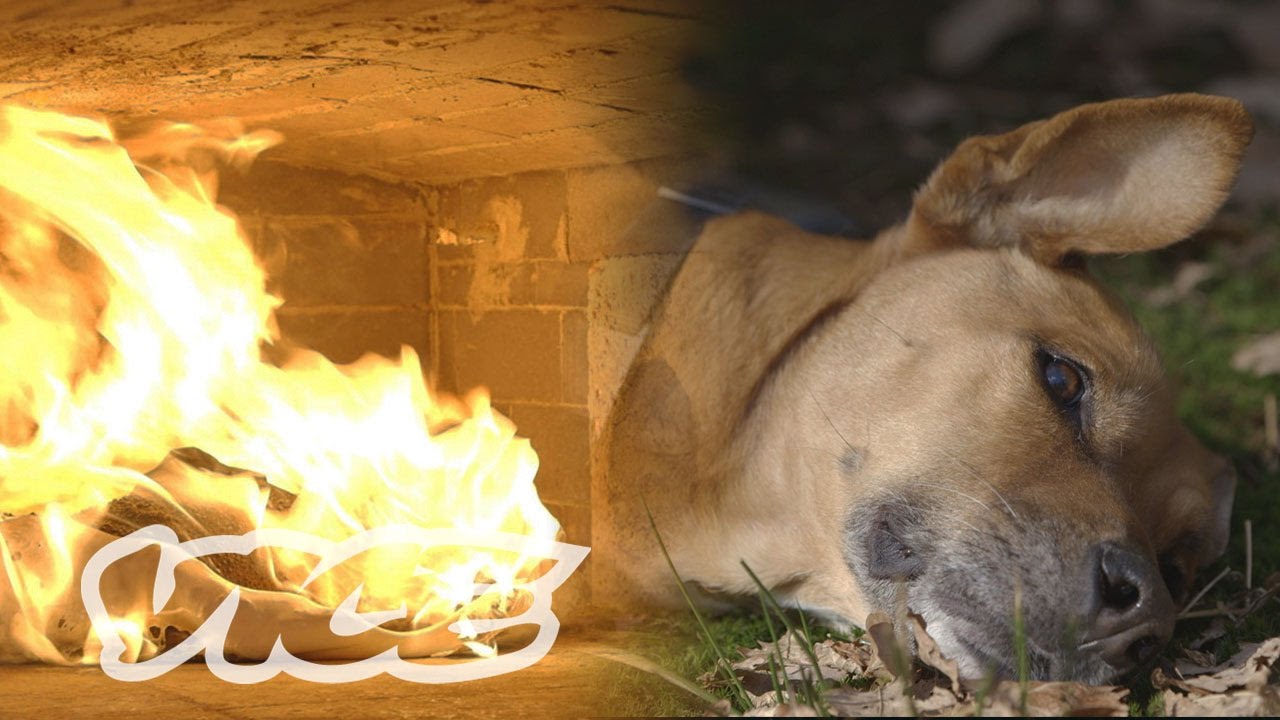
Image Source: i.ytimg.com
The Cremation Process: A Step-by-Step Journey
Pet cremation is a widely chosen method of pet disposition for several reasons, including practicality, cleanliness, and the ability to keep ashes as a lasting pet memorial. The process is respectful and designed to ensure the dignity of your pet.
Preparing for Cremation
Before the cremation can begin, there are initial steps taken to prepare your pet.
- Transportation: Many animal cremation services offer transportation from your home or veterinary clinic to their facility. This service is often handled with care and respect.
- Identification: Crucially, each pet is identified to ensure the correct ashes are returned. This is typically done through identification tags or forms filled out by the owner or veterinary staff.
The Cremation Chamber (Retort)
The heart of the cremation process is the retort. These are specially designed furnaces built to reach extremely high temperatures, typically between 1400 to 1800 degrees Fahrenheit (760 to 980 degrees Celsius).
- High Temperatures: The intense heat is what breaks down the organic materials of the body.
- Controlled Environment: The retort is a controlled environment, ensuring the process is efficient and thorough.
The Cremation Procedure
Once your pet is placed in the retort, the cremation process begins.
- Initial Phase: The retort heats up, and the body is exposed to the extreme temperatures. The high heat and direct flame cause the body’s tissues to rapidly combust and vaporize.
- Second Phase: As the process continues, the body is systematically broken down. The heat causes moisture to evaporate, and the organic compounds transform into gases.
- Final Phase: What remains are the inorganic materials, primarily bone fragments. These fragments are not completely turned to ash in the same way a human is.
Post-Cremation Handling
After the cremation cycle is complete, there are further steps to prepare the remains for return to the owner.
- Cooling: The retort and its contents are allowed to cool down significantly. This is a safety measure before handling.
- Bone Fragment Processing: The remaining bone fragments are then placed into a specialized processor. This machine grinds the fragments into a finer, sand-like consistency. This is what most people recognize as “ashes.”
- Ash Collection: The processed ashes are carefully collected and placed into a temporary container or the chosen dog urn.
Types of Pet Cremation
There are two primary methods of pet cremation offered by animal cremation services:
Individual Cremation
This is the most common and often preferred method.
- Process: Your pet is cremated alone in the retort. This ensures that the ashes you receive are exclusively those of your beloved companion.
- Identification: Strict protocols are in place to maintain the individual identity of each pet.
- Outcome: You receive back only your pet’s cremated remains.
Communal Cremation
This option is less common for those seeking individual remembrance but is a more economical choice.
- Process: Multiple pets are cremated together in the same retort.
- Outcome: The ashes are not separated and are typically scattered in a memorial garden or designated area by the cremation facility. Owners do not receive individual ashes back.
Deciding on Pet Cremation: What to Consider
Choosing cremation is a personal decision, and there are many factors to weigh during your dog funeral planning.
Reasons for Choosing Cremation
- Keepsake: The ability to keep your pet’s ashes in a dog urn or keepsake item provides a tangible connection and a way to feel close to your pet after they are gone.
- Flexibility: Cremated remains can be kept at home, scattered in a special place, or even incorporated into jewelry or other pet memorial items.
- Sanitation and Space: For those who cannot bury their pet due to space limitations, local ordinances, or simply preference, cremation offers a clean and convenient alternative.
- Veterinary Recommendation: Many veterinarians recommend cremation as a dignified and appropriate pet disposition method.
Choosing a Cremation Provider
Selecting the right animal cremation services is vital.
- Accreditation: Look for facilities that are accredited by professional organizations, as this often indicates adherence to high standards of care and ethical practices.
- Transparency: A good provider will be open about their processes, pricing, and identification procedures.
- Services Offered: Consider what additional pet aftercare services they provide, such as transportation, urn selection, and memorial products.
- Reviews and Recommendations: Ask your veterinarian for recommendations or check online reviews from other pet owners.
The Emotional Journey: Dealing with Pet Loss and Aftercare
The passing of a pet is a significant event, and the process of grieving and remembrance, known as pet loss, is an important part of healing. Pet aftercare services can help facilitate this.
The Grief Process
- Acknowledging Emotions: It’s normal to feel a range of emotions, including sadness, anger, guilt, and emptiness. Allow yourself to grieve without judgment.
- Seeking Support: Talk to friends, family, or join a pet loss support group. Many resources are available to help you navigate pet loss.
- Remembering Your Pet: Focus on the happy memories and the joy your dog brought into your life.
Pet Memorials and Keepsakes
Creating a pet memorial can be a comforting part of the pet aftercare process.
- Dog Urns: There’s a wide variety of dog urns available, from simple ceramic or wooden urns to elaborate custom-made ones. Many can be personalized with your dog’s name or engraved with a special message.
- Keepsake Jewelry: Some services offer pendants or bracelets that can hold a small portion of your pet’s ashes, allowing you to carry them with you.
- Paw Prints and Hair Samples: Many facilities offer to preserve a paw print or a lock of your dog’s fur as a keepsake.
- Memorial Stones or Plaques: These can be placed in your garden or a special spot to honor your pet’s memory.
- Donating in Their Name: Some owners choose to donate to animal shelters or rescue organizations in their pet’s name.
The Role of Pet Aftercare Services
Pet aftercare services extend beyond the cremation itself. They are designed to support pet owners through the entire process of saying goodbye.
- Guidance: They can guide you through the cremation options available and help you understand what to expect.
- Logistics: They manage the transportation and the cremation process itself, taking a significant burden off your shoulders.
- Memorialization: They often provide a selection of dog urns and other memorial items to help you commemorate your pet.
- Emotional Support: While not therapists, many providers offer a compassionate and understanding ear during this difficult time.
Frequently Asked Questions About Dog Cremation
What are the different types of cremation for pets?
The primary cremation options for pets are individual cremation, where your pet is cremated alone, and communal cremation, where multiple pets are cremated together.
How long does dog cremation take?
The cremation process itself, from start to finish within the retort, typically takes anywhere from 1.5 to 3 hours, depending on the size of the dog and the specific equipment used. However, the total time from pickup to the return of ashes can take several days, depending on the animal cremation services and their schedule.
Can I be present during my dog’s cremation?
Some animal cremation services may allow owners to be present during the initial placement of the pet into the retort. This is often referred to as a “witness cremation.” It’s important to discuss this possibility with your chosen provider beforehand.
What happens to the ashes after cremation?
After cremation, the remains are processed into a fine powder. These are what are commonly referred to as ashes. You will then have the choice to place them in a dog urn, scatter them, or use them in other pet memorial items.
How do I choose the right dog urn?
When choosing a dog urn, consider the size of your pet, the material you prefer (e.g., ceramic, wood, metal, marble), and whether you want it for display or burial. Many urns can be personalized with your pet’s name or a special message.
What is pet disposition?
Pet disposition refers to the methods used to handle a pet’s body after death. This includes burial, cremation, or other arrangements. Cremation is a common form of pet disposition.
How do I cope with pet loss?
Coping with pet loss is a personal journey. Allow yourself to grieve, seek support from loved ones or support groups, and consider creating a pet memorial to honor your dog’s life. Pet aftercare services can also provide guidance during this time.
What are the costs associated with dog cremation?
The cost of pet cremation can vary depending on the service provider, the size of your dog, and whether you choose individual or communal cremation. Additional costs may apply for transportation, specific dog urns, and other pet memorial items. It’s best to get a quote from your chosen animal cremation services.
Is it possible to have my dog cremated at home?
No, dog cremation requires specialized high-temperature equipment (retorts) that are not available for home use. You must use a professional animal cremation service or a veterinary clinic that offers these services.
What is the difference between pet cremation and human cremation?
While the fundamental process of using a retort to reduce a body to bone fragments is similar, there are differences in regulations, equipment size, and the specific types of services offered. Pet cremation is tailored to the needs of animals and their owners.
This comprehensive guide aims to shed light on the process of dog cremation, offering clarity and support during a difficult time. Remember that the most important aspect is to honor your pet in a way that feels right for you and your family, ensuring their memory lives on.