
What is the ideal dog leash length? The ideal dog leash length generally falls between 4 to 6 feet for everyday walks, but the best length can vary based on your dog’s size, temperament, training level, and the environment you’re in.
Choosing the right dog leash length is more than just picking a pretty accessory; it’s a crucial decision that impacts your dog’s safety, your control, and your overall walking experience. A leash that’s too long can be a hazard, while one that’s too short can feel restrictive. This guide will help you decipher the perfect leash length for every situation, from puppy training to agility courses, and for various dog types.
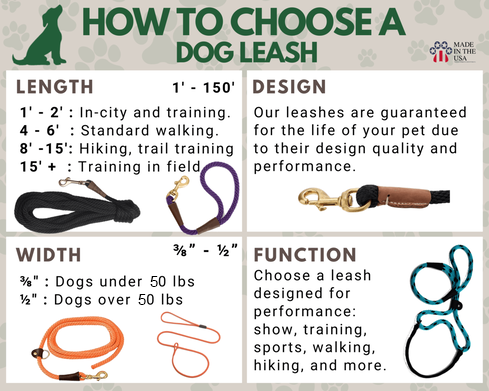
Image Source: cdn.shopify.com
Deciphering the Standard Dog Leash Size
For most dog owners, the standard dog leash size is the go-to choice. These leashes are designed for general-purpose walking and offer a good balance of freedom and control.
The 4-6 Foot Sweet Spot
Most standard leashes fall within the 4 to 6 foot range. This length is often considered the “sweet spot” for several reasons:
- Control: It provides enough slack for your dog to sniff and explore a bit, but keeps them close enough for you to react quickly if they suddenly lunge or encounter a hazard.
- Safety: In busy areas or near roads, this shorter length helps prevent your dog from running into traffic or getting tangled with other dogs or people.
- Maneuverability: It allows you to easily navigate tight spaces, doorways, and crowded sidewalks without the leash becoming a tripping hazard for yourself or others.
What About Different Dog Sizes?
While 4-6 feet is a good general guideline, consider your dog’s size:
- Small Dogs: A 4-foot leash might be perfectly adequate. It offers excellent control without overwhelming a small dog with excess slack.
- Medium to Large Dogs: A 5 or 6-foot leash provides a bit more room for them to move comfortably, while still offering ample control.
Exploring Different Types of Leashes and Their Lengths
The “ideal” dog leash length isn’t a one-size-fits-all answer. Different types of leashes are designed for specific purposes, and their lengths reflect that.
Training Leashes: The Foundation of Good Behavior
Training leash length is critical for teaching your dog essential commands like “heel” and “stay.”
- The 6-Foot Training Leash: This is a widely recommended length for basic obedience training. It gives your dog enough space to learn to walk beside you without feeling overly restricted, while still allowing you to apply gentle corrections if needed.
- Longer Training Leads (15-30 Feet): For recall training or teaching your dog to stay at a distance, a long lead for dogs becomes invaluable. These are often made of lightweight nylon or biothane and allow your dog to explore further while remaining tethered. This is essential for building a strong recall in a safe, controlled environment.
Walking Leashes: Comfort and Convenience
For everyday walks, the walking leash length should prioritize both your comfort and your dog’s enjoyment.
- The Versatile 6-Foot: As mentioned, a 6-foot leash is a workhorse for daily walks. It offers a good balance for most dogs and owners.
- Consideration for Exploration: If you walk in less crowded areas or enjoy longer, more exploratory walks, a slightly longer leash (like 8 feet) might be considered, but always with caution and awareness of your surroundings.
Retractable Leashes: Freedom with Caveats
Retractable leash length can vary significantly, often extending to 15, 20, or even 30 feet. While they offer the illusion of freedom, they come with important considerations:
- Pros: They can be fun for dogs who enjoy exploring further in open, safe spaces.
- Cons:
- Lack of Control: The long, extending cord can make it difficult to react quickly to sudden dangers.
- Risk of Injury: The thin cord can cause rope burn to both dogs and humans. Dogs can also injure themselves by running into the end of the extended cord suddenly.
- Training Interference: They can teach dogs to pull, as the constant tension is less obvious than with a standard leash.
- Entanglement: The cord can easily get tangled around objects, trees, or even other dogs.
When is a retractable leash appropriate? Only in wide-open, safe spaces with no other dogs or people around, and only if you have absolute faith in your dog’s training and your ability to manage the leash. For most situations, a standard fixed-length leash is safer and more effective.
Puppy Leashes: Building Good Habits Early
A puppy leash length should focus on teaching good leash manners from the start.
- Start Short: For very young puppies, a shorter leash (around 4 feet) can be beneficial. This helps them stay close and prevents them from getting too far ahead or behind you as they learn to walk.
- Gentle Introduction: The goal is to make leash walking a positive experience. A slightly shorter leash can help prevent overwhelming the puppy with too much slack to manage. As the puppy grows and gains confidence, you can transition to a standard 6-foot leash.
Agility Leashes: Speed and Flexibility
In dog agility, leashes need to be functional for both training and competition.
- Short, Lightweight Leashes: Agility leashes are typically short (around 2-3 feet) and very lightweight. They are designed to keep the dog close to the handler during transitions between obstacles, without getting in the way or becoming a snagging hazard. They are not meant for walking at all.
Service Dog Leashes: Professionalism and Safety
Service dog leash length is dictated by the need for constant, reliable control and clear communication between the handler and the dog.
- Standard 4-6 Foot Leashes: Most service dogs work on a standard 4-6 foot leash. This length allows for effective guidance and control in busy public environments.
- No Retractables: Retractable leashes are strictly avoided by service dog handlers due to the inherent risks and lack of immediate control they provide.
- Material Matters: Service dog leashes are often made of durable, comfortable materials like nylon or biothane, and may feature specific hardware for easy attachment to vests or harnesses.
Factors Influencing Your Dog’s Ideal Leash Length
Beyond the type of leash, several individual factors should guide your choice.
Your Dog’s Temperament and Training Level
- Confident, Well-Trained Dogs: A well-trained dog who walks politely beside you might be comfortable on a 6-foot leash, and you might even feel secure with a slightly longer leash in appropriate environments.
- Nervous or Reactive Dogs: For dogs who are easily startled, anxious, or reactive to their surroundings, a shorter leash (4-5 feet) is crucial. This allows you to keep them closer, provide reassurance, and quickly steer them away from potential triggers.
- Pullers: Dogs who tend to pull will benefit from a shorter, more responsive leash. A longer leash can exacerbate pulling behavior as they gain more momentum.
The Environment You’re In
- Busy Streets and Sidewalks: Shorter leashes (4-5 feet) are best for crowded areas, areas with heavy traffic, or places where there are many distractions. This ensures your dog stays close and safe.
- Parks and Open Spaces: In quieter parks or natural areas where you have a clear line of sight and fewer distractions, a 6-foot leash offers a good balance. If you are in a very large, secure, and empty field, a long lead for dogs (e.g., 15-30 feet) can be used for supervised off-leash-style training, but always with extreme caution.
- Hiking Trails: For hiking, a 6-foot leash is generally ideal. It allows your dog some freedom to explore the trail but keeps them from darting off after wildlife or encountering hazards you might not see.
Your Dog’s Size and Breed
While not the primary factor, size does play a role.
- Small Breeds: A lighter, shorter leash might feel more balanced.
- Large Breeds: A strong, durable leash of 6 feet offers good leverage and control. You need a leash that can withstand their pulling power.
Your Personal Preference and Comfort
Ultimately, the leash should feel comfortable and secure in your hand. If you have a strong dog, you need a leash that you can grip firmly without straining your wrist or hand. The material and handle design of the leash also contribute to your comfort.
Comparing Popular Leash Lengths: A Table
| Leash Length | Best For | Pros | Cons |
|---|---|---|---|
| 3 Feet | Basic training, handling in very tight spaces, agility, service dogs in training/specific tasks | Maximum control, keeps dog very close, good for preventing interaction. | Restrictive for dog, limits sniffing/exploration, can be uncomfortable for handler if dog pulls. |
| 4-5 Feet | General walks, training puppies, reactive or anxious dogs, busy urban environments | Good balance of control and freedom, allows for some exploration, manageable in most situations. | Still a bit restrictive for dogs who like to explore wide areas. |
| 6 Feet | Standard walking, general training, most situations, versatile | Excellent all-around length, allows for comfortable walking and some sniffing, good control. | Might be slightly too long for very small spaces or dogs that pull significantly. |
| 8-10 Feet | Relaxed walks in open areas, dogs who have excellent leash manners, allowing more sniffing | More freedom for the dog, allows for more exploration and sniffing, can be comfortable for handler. | Less immediate control, higher risk of tangling, requires more attention from handler in busy areas. |
| 15-30+ Feet | Long line training (recall, distance work), secure open fields (with extreme caution), dogs that need significant distance. | Maximum freedom for dog, allows for off-leash-like training in safe areas. | Significant safety risks, very little control, high risk of entanglement and injury, not suitable for general walking. |
The Nuances of Dog Leash Length for Specific Scenarios
Let’s dive deeper into how leash length plays a role in various training and walking contexts.
Puppy Leash Length: Gentle Beginnings
When you first bring a puppy home, the focus is on positive experiences and building a bond.
- Initial Introduction: A shorter leash, perhaps 4 feet, can be helpful when introducing your puppy to leash walking. It keeps them close, making it easier to reward them for walking beside you and preventing them from getting tangled or overwhelmed.
- Preventing Bad Habits: A leash that’s too long can allow a puppy to practice behaviors you don’t want, like pulling ahead or lagging too far behind. A shorter leash helps you guide them more effectively.
- Growth and Progression: As your puppy grows and masters basic leash manners, you can transition to a standard 6-foot leash. Always ensure the leash is appropriate for their size and strength to prevent injury.
Training Leash Length: Building Responsiveness
The goal of using a training leash is to teach your dog to respond to your cues and walk politely.
- Heel Training: A 6-foot leash is ideal for teaching “heel.” It allows you to give subtle leash cues and rewards while keeping your dog in the correct position.
- Recall Training: For recall, a long lead for dogs (15-30 feet) is invaluable. It allows your dog to gain distance, practice coming back to you when called, and build confidence in their recall without the risk of them running off entirely. This is a critical tool for safety.
- Positive Reinforcement: Regardless of length, the focus should always be on positive reinforcement. The leash is a tool for communication and safety, not punishment.
Walking Leash Length: Everyday Enjoyment
Your daily walks should be a pleasant experience for both you and your dog.
- The All-Arounder: A 6-foot walking leash is generally the most practical. It gives your dog enough room to sniff and explore the world around them, which is important for their mental stimulation, without giving them too much freedom that compromises your control.
- Adaptability: Be prepared to adjust your grip or even shorten the leash further if you encounter unexpected situations, such as a loose dog or busy crosswalk.
Agility Leash Length: Precision and Speed
Agility requires a handler and dog team to move with speed and precision.
- Short and Sweet: Agility leashes are typically very short, often around 2-3 feet. This allows handlers to keep their dog close during transitions between obstacles, guide them with subtle leash pressure, and avoid the leash interfering with the dog’s movement or snagging on equipment. They are not intended for walking.
Service Dog Leash Length: Constant Communication
Service dogs operate in highly variable environments, requiring unwavering control.
- The Standard for Safety: A 4-6 foot leash is the standard for service dogs. This length ensures the handler maintains direct contact and control, which is essential for guiding the dog through public spaces, navigating obstacles, and preventing potentially dangerous situations.
- No Room for Error: The consistency and reliability of a fixed-length leash are paramount. The potential for a retractable leash to malfunction or provide delayed response is unacceptable for a working service animal.
Choosing the Right Material and Style
While length is crucial, the material and style of the leash also impact its usability.
- Nylon: Durable, lightweight, and water-resistant. A popular choice for all-around use.
- Biothane: A vinyl-coated polyester webbing that is waterproof, odor-proof, and easy to clean. Excellent for wet climates or dogs who love to swim.
- Leather: Strong, classic, and can become very supple with age. Requires more maintenance than nylon or biothane.
- Chain: Less common for everyday use, can be heavy and cause injury if not handled properly.
- Rope: Can offer good grip but can also cause friction burns if the dog pulls strongly.
Handle Types: Padded handles offer comfort for long walks. A traffic handle (a second, shorter loop close to the clasp) is useful for quick control in busy areas.
Frequently Asked Questions (FAQ)
Q: Can I use a retractable leash for my puppy?
A: It’s generally not recommended. Puppies are still learning leash manners, and retractable leashes can encourage pulling and create unsafe situations. Stick to a standard 4-6 foot leash for puppyhood.
Q: My dog pulls a lot. What leash length is best?
A: For dogs that pull, a shorter leash (4-5 feet) often provides better control. Pair this with consistent training and consider a front-clip harness or head halter for additional management.
Q: Is there a difference between a “training leash” and a “walking leash”?
A: While the terms are often used interchangeably, a “training leash” might refer to a specific length (like 6 feet) or type (like a long line) used for teaching specific behaviors. A “walking leash” is typically a standard 4-6 foot leash for everyday use.
Q: How do I introduce my dog to a new leash length?
A: Start in a familiar, calm environment. Let your dog explore the extra slack gradually if you’re moving to a longer leash, and keep rewards high for staying close and walking nicely. If moving to a shorter leash, ensure they can still comfortably walk beside you.
Q: What’s the best leash length for a small dog?
A: A 4-foot leash is often ideal for small dogs. It offers excellent control without being too overwhelming, and it’s less likely to drag on the ground, which can be a hazard for them.
Q: When is a long lead for dogs appropriate?
A: A long lead (15-30 feet) is appropriate for supervised training exercises, like recall or distance work, in safe, open areas free from distractions and hazards. It is not for general walking.
In conclusion, the length of your dog’s leash is a vital component of responsible dog ownership. By considering your dog’s individual needs, your environment, and the purpose of your outing, you can select the appropriate leash length for safe, enjoyable, and effective walks.