
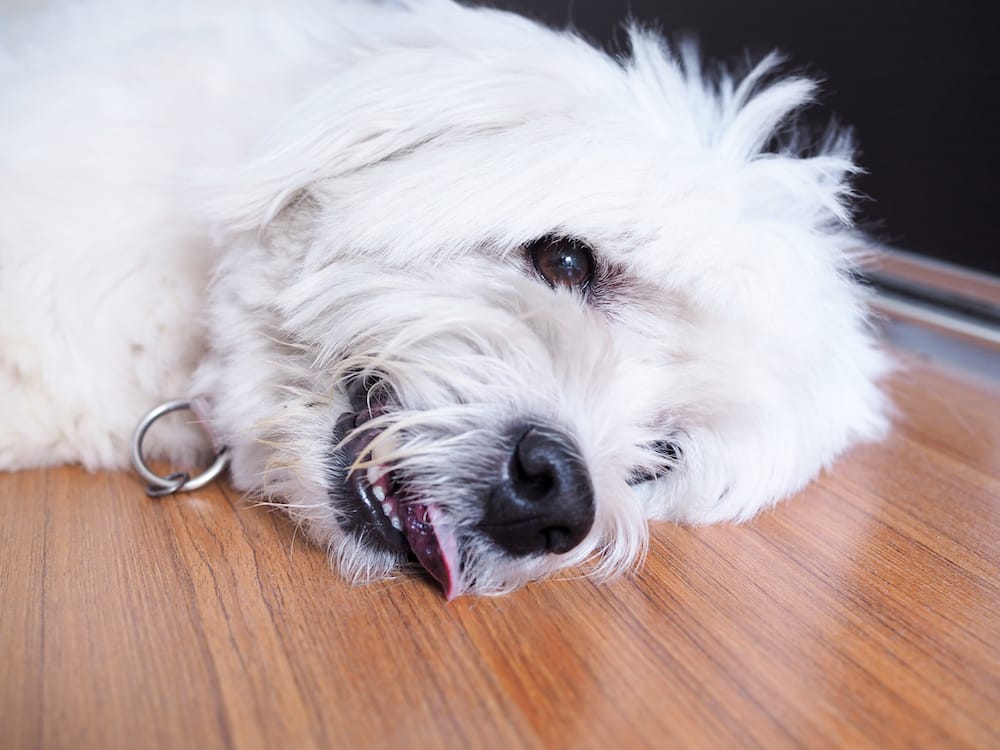
Image Source: www.lapoflove.com
Dog Seizure Recovery: How Long Can I Walk My Dog After A Seizure?
Can I walk my dog immediately after a seizure? No, you should not walk your dog immediately after a seizure. It’s crucial to allow your dog time to recover before engaging in any strenuous activity, including walks. The duration of this rest period depends on several factors related to the seizure and your dog’s individual recovery.
Fathoming the dog seizure recovery timeline is essential for responsible pet ownership when your canine companion experiences a seizure. One of the most common questions pet parents have after their dog has had a seizure is about when can dog resume walks after seizure. The answer isn’t a simple “X number of hours,” as it’s heavily influenced by your dog’s post-seizure dog activity and overall well-being. This guide delves into the nuances of dog seizure aftercare, focusing on exercise and what constitutes safe dog walking post-seizure.
The Immediate Aftermath: The Post-Ictal Phase
Following a seizure, dogs enter what is known as the dog seizure post-ictal phase. This is a period of disorientation, confusion, and often extreme fatigue. During this time, your dog might:
- Appear dazed or confused: They may not recognize familiar people or surroundings.
- Be temporarily blind or have impaired vision: This can lead to bumping into things or appearing anxious.
- Exhibit unusual behavior: This can range from pacing to vocalizing to being unusually clingy or withdrawn.
- Experience muscle weakness or incoordination: They may stumble, walk unevenly, or have trouble standing.
- Show increased hunger or thirst: Some dogs may try to eat or drink excessively.
- Be difficult to rouse: They might seem sleepy and unresponsive.
This phase is critical because your dog is physically and neurologically vulnerable. Pushing them too soon can exacerbate their symptoms, cause further distress, and potentially trigger another seizure. Therefore, dog seizure fatigue is a significant factor in determining when they are ready for activity.
How Long Should Rest Last?
The duration of the rest period following a seizure can vary significantly, typically ranging from a few hours to 24 hours, or even longer in some cases. Several factors influence this:
- Seizure Duration and Intensity: Longer and more intense seizures generally require a longer recovery period.
- Number of Seizures: If your dog experiences multiple seizures in a short period (cluster seizures), their recovery will be significantly longer.
- Your Dog’s General Health: A dog with underlying health issues may take longer to recover than a generally healthy dog.
- Age: Very young or very old dogs may have more difficulty recovering.
- The Specific Symptoms Displayed: If your dog is showing significant neurological deficits or extreme fatigue, they need more rest.
Assessing Your Dog’s Readiness for Activity
The key to determining when your dog is ready for a walk is to observe them closely. Look for signs that indicate they are returning to their normal self. These signs include:
- Returning to normal behavior: They should be more aware of their surroundings and recognize you and your home.
- Improved coordination: They should be able to walk steadily without stumbling.
- Reduced fatigue: While some lingering tiredness might be present, they shouldn’t appear exhausted or weak.
- Normal appetite and thirst: They should be drinking and eating normally, not compulsively.
- Clearer vision: They should no longer appear blind or disoriented.
Never force your dog to walk if they show any signs of distress, weakness, or disorientation.
Dog Seizure Exercise Restrictions: What to Avoid
During the recovery period, it’s essential to impose dog seizure exercise restrictions. This means avoiding activities that could overexert your dog or potentially trigger another seizure.
- Strenuous Exercise: Avoid running, jumping, playing fetch, or any activity that elevates their heart rate significantly.
- Excitement and Stress: Try to keep the environment calm and quiet. Overexcitement can be a seizure trigger for some dogs.
- Overheating: Ensure they are not exposed to extreme heat, as this can also be a factor.
- Long or Demanding Walks: Even a gentle walk can be too much if your dog is still recovering.
Gradual Reintroduction of Activity
Once your dog has shown consistent signs of recovery and appears to be back to their usual self, you can gradually reintroduce walks.
- Short, Gentle Walks: Start with very short, slow-paced walks. A 5-10 minute stroll around the block might be appropriate initially.
- Monitor Closely: During and after the walk, observe your dog for any signs of fatigue, weakness, or unusual behavior.
- Increase Duration Slowly: If your dog tolerates the short walk well, you can gradually increase the duration and pace of subsequent walks over the following days.
- Avoid Overexertion: Pay attention to your dog’s signals. If they seem tired, end the walk.
The Importance of Veterinary Consultation
It is crucial to consult your veterinarian after your dog has experienced a seizure. They can provide specific advice based on your dog’s individual case, including the likely cause of the seizure, the prognosis, and tailored dog seizure management strategies.
Your vet can help you:
- Diagnose the cause of the seizure: Seizures can be caused by various factors, including epilepsy, toxins, metabolic disorders, brain tumors, or infectious diseases. Identifying the cause is vital for proper treatment and management.
- Prescribe medication: If your dog has epilepsy or another condition requiring medication, your vet will discuss treatment options and dosages.
- Provide a specific recovery plan: Based on your dog’s seizure type and overall health, your vet can offer more precise guidance on rest periods and the gradual reintroduction of exercise.
- Educate you on seizure signs: They can help you recognize the subtle signs that your dog is still recovering or experiencing post-seizure effects.
Understanding Neurological Recovery
The dog seizure neurological recovery process can be lengthy and variable. Seizures are essentially an electrical storm in the brain, and it takes time for brain activity to return to normal. The brain needs to “reset” after such an event. This is why patience and careful observation are so important.
Even after your dog appears to have fully recovered from the immediate post-ictal phase, they might still be experiencing subtle neurological effects. This is why a gradual reintroduction of post-seizure dog activity is so important.
Dog Seizure Management and Long-Term Care
Seizure management is an ongoing process. Once your dog has been diagnosed with a seizure disorder like epilepsy, your veterinarian will work with you to create a long-term dog seizure management plan. This typically involves:
- Medication: For many dogs, daily medication is necessary to control seizures. It’s vital to administer these medications exactly as prescribed and to never stop them abruptly without veterinary guidance.
- Regular Veterinary Check-ups: Consistent monitoring by your vet is essential to assess the effectiveness of medication, adjust dosages if needed, and monitor for any side effects.
- Seizure Diary: Keeping a detailed diary of all seizures, including the date, time, duration, description of symptoms, and any potential triggers, can be incredibly helpful for your vet in managing your dog’s condition.
- Environmental Management: Identifying and avoiding potential seizure triggers can be beneficial for some dogs. Common triggers include flashing lights, loud noises, stress, and certain foods or chemicals.
When Can My Dog Resume Normal Walks?
The ultimate goal is to get your dog back to enjoying their normal activities, including walks. However, the timeline for resuming normal walks will depend entirely on:
- Complete recovery from the post-ictal phase.
- Your vet’s approval.
- Your dog’s response to gradually increased activity.
For a dog with a diagnosed seizure disorder managed effectively with medication, once they are seizure-free for a significant period (as determined by your vet) and show no lingering post-ictal symptoms, they can generally resume their normal walking routine. However, vigilance is still key. Always be mindful of your dog’s behavior and energy levels.
Observing for Lingering Fatigue and Other Signs
Even a day or two after a seizure, you might observe signs of dog seizure fatigue. This could manifest as:
- Sleeping more than usual.
- Being less interested in playing.
- Getting tired on shorter walks than they normally would.
If you notice these, it’s a sign that more rest is needed, and you should scale back on activity until they seem fully recovered.
Creating a Safe Walking Environment Post-Seizure
When it’s time to resume walks, prioritize safety:
- Leash Control: Always keep your dog on a secure leash. Even a well-behaved dog can become disoriented or panicky post-seizure and may bolt.
- Familiar Routes: Stick to quiet, familiar routes to minimize stress and unexpected encounters.
- Avoid Crowds: Stay away from busy parks or areas with many other dogs or people, which could be overwhelming.
- Monitor Weather: Avoid walking in extreme heat or cold, which can add stress to their system.
- Carry Water: Especially if it’s warm, ensure you have water available for your dog.
Safe dog walking post-seizure is all about a gradual return to normalcy, prioritizing your dog’s well-being above all else.
Frequently Asked Questions (FAQ)
Q1: My dog had a seizure yesterday and seems fine today. Can we go for our usual long walk?
A1: It’s generally not recommended to resume normal walks immediately. While your dog may seem fine, they are likely still recovering neurologically. Start with a short, gentle walk and monitor them closely. Consult your vet for personalized advice.
Q2: What if my dog has another seizure shortly after a walk?
A2: If your dog has another seizure after resuming activity, stop all activity immediately and contact your veterinarian. This could indicate that they are not yet ready for exercise or that their underlying condition is worsening.
Q3: How do I know if my dog is genuinely recovered or just hiding their fatigue?
A3: This is challenging, but observe for consistency in their behavior over a 24-hour period. If they are consistently alert, responsive, coordinated, and not showing excessive fatigue between observations, they are more likely to be truly recovered. However, trust your gut instinct; if something feels off, err on the side of caution and more rest.
Q4: Can certain types of exercise be worse than others after a seizure?
A4: Yes. High-impact activities involving running, jumping, or sudden bursts of energy are generally more taxing on a recovering dog than a slow, steady walk. Avoid anything that causes extreme exertion or excitement.
Q5: My vet prescribed medication for my dog’s epilepsy. Does this mean they can walk normally again right away?
A5: Medication helps manage the underlying condition but does not instantly erase the effects of a seizure. Your dog still needs to recover from the seizure itself. Follow your vet’s specific post-seizure instructions, which will likely still involve a period of rest and gradual reintroduction of activity.
By prioritizing rest, observing your dog closely, and working closely with your veterinarian, you can ensure a safe and effective recovery for your beloved companion after a seizure, guiding them back to enjoying their walks and daily life.