
A dog typically takes between 4 to 12 hours to digest food, but this can vary based on several factors. The canine food breakdown process is a complex journey through the dog digestive system, influenced by age, breed, diet, and overall health.
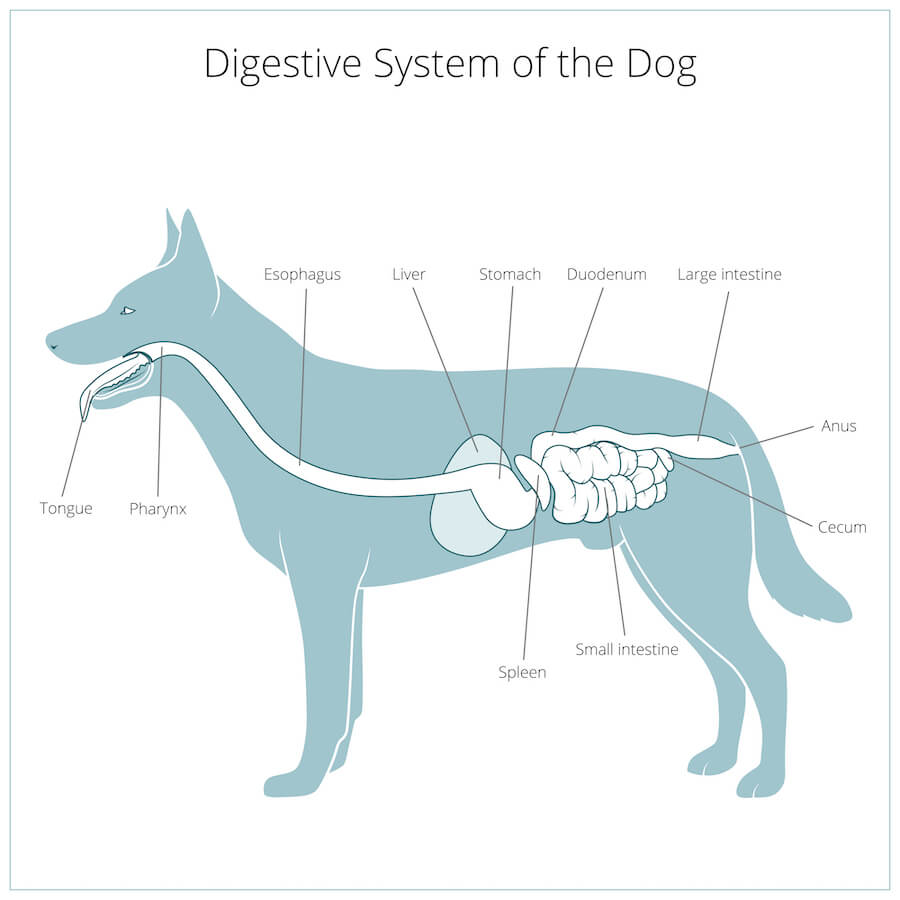
Image Source: blog.myollie.com
Deciphering the Canine Digestive Timeline
The journey of food through a dog’s digestive tract is a fascinating biological process. From the moment kibble hits the bowl to its final exit, a complex series of events unfolds. Understanding dog digestion time is crucial for pet parents aiming to provide optimal nutrition and identify potential health issues. This guide will delve into the intricacies of canine food breakdown, offering insights into what influences dog food transit time and what constitutes a healthy digestive rhythm.
The Stages of Food Processing in Dogs
The dog digestive system is a marvel of efficiency, designed to extract maximum nutrients from the food we provide. This process can be broadly divided into several key stages:
-
Ingestion and Mechanical Breakdown: This begins the moment your dog takes a bite. Chewing, or mastication, starts the physical breakdown of food into smaller, more manageable pieces. Saliva also plays a role, moistening the food and initiating some chemical breakdown of carbohydrates with enzymes like amylase.
-
Esophageal Transport: Once swallowed, the food travels down the esophagus to the stomach. This is a muscular tube that uses peristalsis – wave-like muscle contractions – to move food along. This movement is surprisingly quick, usually taking only a few seconds.
-
Gastric Digestion: The stomach is a muscular organ that acts as a mixer and a reservoir. Here, food is churned with gastric juices, a potent mixture of hydrochloric acid and enzymes like pepsin. This acidic environment breaks down proteins and kills most bacteria that might be present in the food. The stomach lining is protected by a thick layer of mucus, preventing it from digesting itself. The stomach will gradually empty its contents into the small intestine.
-
Small Intestine Digestion and Absorption: This is where the majority of nutrient absorption takes place. The small intestine is a long, coiled tube divided into three parts: the duodenum, jejunum, and ileum.
- In the duodenum, food mixes with digestive enzymes from the pancreas (like lipase for fats, amylase for carbohydrates, and proteases for proteins) and bile from the liver (which helps emulsify fats).
- The jejunum and ileum are lined with villi and microvilli, tiny finger-like projections that vastly increase the surface area for nutrient absorption into the bloodstream. Vitamins, minerals, fats, proteins, and carbohydrates are absorbed here.
-
Large Intestine Processing: What remains after the small intestine moves into the large intestine (colon). Here, water and electrolytes are absorbed from the undigested material. Gut bacteria also play a vital role, fermenting any remaining undigested carbohydrates and producing certain vitamins like K and some B vitamins. This stage also forms and stores feces.
-
Elimination: Finally, the waste material is stored in the rectum and then eliminated from the body as feces. This is how long for dog to poop after eating, a process that marks the end of the digestive journey.
Factors Influencing Dog Digestion Time
Several variables can significantly alter how long food stays in a dog’s system. These include:
Age: Puppy Digestion vs. Senior Dog Digestion
-
Puppy Digestion: Puppies have developing digestive systems. Their stomachs are smaller, and their digestive enzymes may not be as efficient as adult dogs. This means puppy digestion can sometimes be quicker, but they also tend to be more sensitive to dietary changes. Their faster metabolism also means they may need to eat more frequently, and the passage of food might be slightly more rapid.
-
Senior Dog Digestion: As dogs age, their digestive processes can slow down. Reduced enzyme production, slower gut motility, and potential underlying health conditions can contribute to longer dog digestion time. This might manifest as less frequent bowel movements or a greater tendency towards digestive upset if their diet isn’t adjusted for their senior years.
Diet Composition: The Kibble Factor and Beyond
The type of food a dog eats has a profound impact on canine food breakdown.
-
Dog Kibble Digestion: Kibble, especially high-quality kibble, is formulated to be digestible. However, the fiber content, protein sources, and overall ingredient quality can influence how quickly it moves through the system. For instance, kibble with a higher percentage of easily digestible proteins and fewer fillers may pass through faster. Dog kibble digestion is generally efficient for most commercially produced foods.
-
Protein Content: Protein is essential for dogs, but extremely high protein diets can sometimes take longer to digest, especially if the protein source is less digestible.
-
Fat Content: Fats are calorie-dense and take longer to digest than carbohydrates or proteins. Meals high in fat will likely increase dog food transit time.
-
Fiber: Fiber is crucial for digestive health. Soluble fiber can slow digestion, promoting satiety, while insoluble fiber adds bulk and helps move things along. The balance of fiber types is important.
-
Moisture Content: Wet food, with its higher moisture content, may be digested slightly faster than dry kibble because it’s already partially hydrated.
Breed and Size
While not as significant as diet or age, breed and size can play a role. Larger breeds sometimes have slightly longer digestive tracts, but metabolic rates can counteract this. Smaller dogs might have faster metabolisms, potentially leading to quicker digestion.
Activity Level
Active dogs generally have more efficient digestive systems and faster metabolisms. Exercise stimulates gut motility, which can contribute to quicker passage of food. Conversely, a sedentary lifestyle might lead to slower digestion.
Health Status
Underlying health conditions can significantly disrupt digestion. Issues like inflammatory bowel disease (IBD), pancreatitis, food allergies, parasites, or even simple stress can alter dog digestion time. If you notice sudden changes in your dog’s digestion, it’s always best to consult a veterinarian.
Quantifying Dog Stomach Emptying and Transit Time
Dog stomach emptying is the process by which the stomach releases its contents into the small intestine. Once the stomach has broken down food into a semi-liquid mixture called chyme, it gradually releases it. This can take anywhere from 2 to 6 hours for a typical meal.
Following stomach emptying, the chyme moves through the small intestine, where most absorption occurs. This phase can take another 2 to 6 hours. Finally, the remaining undigestible material enters the large intestine, where water absorption and waste formation take place. This final stage can take anywhere from 6 to 24 hours, or even longer, depending on the individual dog and diet.
The overall dog food transit time, from ingestion to elimination, is the sum of these stages. As noted earlier, this usually falls within the 4 to 12-hour range for healthy adult dogs on a balanced diet, but can extend to 24 hours or more.
Here’s a simplified breakdown of what happens:
| Stage | Approximate Time Frame | Key Processes |
|---|---|---|
| Mouth to Stomach | Seconds | Chewing, Salivation, Swallowing |
| Stomach Digestion | 2-6 hours | Churning, Acidic breakdown of proteins, Killing bacteria |
| Small Intestine Digestion | 2-6 hours | Enzyme digestion, Nutrient absorption |
| Large Intestine Transit | 6-24+ hours | Water absorption, Gut bacteria activity, Feces formation |
| Total Transit Time | 4-12+ hours | Complete digestion and elimination of a meal |
Signs of Healthy Digestion
A healthy digestive system typically shows consistent and predictable signs:
- Regular Bowel Movements: Most dogs have one to three bowel movements per day, depending on their feeding schedule and diet.
- Well-Formed Stools: Feces should be firm, moist, and not excessively hard or loose. The color should be typically brown.
- Absence of Digestive Upset: Healthy dogs generally don’t experience frequent vomiting, diarrhea, gas, or bloating.
- Good Appetite and Energy Levels: A well-functioning digestive system supports good nutrient absorption, leading to sustained energy and a healthy appetite.
When to Be Concerned: Digestive Issues to Watch For
While some variation is normal, certain signs can indicate digestive problems:
- Sudden changes in stool consistency or frequency: Diarrhea, constipation, or mucus in the stool.
- Vomiting: Especially if it occurs frequently or contains undigested food long after a meal.
- Excessive gas or bloating: This can be uncomfortable for your dog and may indicate issues with fermentation or diet.
- Loss of appetite or weight loss: This could signal a problem with nutrient absorption.
- Lethargy or changes in behavior: Digestive discomfort can make dogs feel unwell.
- Blood in stool or vomit: This requires immediate veterinary attention.
If you observe any of these signs, it’s essential to consult your veterinarian to rule out underlying medical conditions and get appropriate advice for your dog.
Optimizing Your Dog’s Digestion
You can take several steps to support your dog’s digestive health and ensure efficient food processing in dogs:
- Feed a High-Quality Diet: Choose a food that is appropriate for your dog’s age, breed, and activity level, with easily digestible ingredients. Look for foods with recognizable protein sources as the primary ingredients.
- Maintain a Consistent Feeding Schedule: Feeding your dog at the same times each day can help regulate their digestive system.
- Avoid Sudden Diet Changes: If you need to switch foods, do so gradually over 7-10 days by mixing increasing amounts of the new food with decreasing amounts of the old food.
- Control Portion Sizes: Overfeeding can overwhelm the digestive system, leading to issues. Follow the feeding guidelines on your dog’s food packaging or consult your vet.
- Ensure Adequate Hydration: Fresh, clean water should always be available. Water is essential for digestion and nutrient absorption.
- Incorporate Probiotics and Prebiotics: These can support a healthy gut microbiome, aiding digestion and nutrient absorption. Many commercial dog foods include them, or they can be given as supplements.
- Limit Table Scraps: Human food can be difficult for dogs to digest and may cause stomach upset or more serious health problems.
- Regular Exercise: As mentioned, physical activity stimulates the digestive tract.
- Manage Stress: A dog’s emotional state can impact their digestion. Try to provide a stable and calm environment.
Frequently Asked Questions (FAQs)
Q1: How long does it take for a dog to poop after eating?
For most dogs, it takes anywhere from 6 to 24 hours for the entire digestive process to complete, meaning this is when you might see them defecate after a meal. However, the exact timing can vary.
Q2: Can my dog digest kibble faster than wet food?
Generally, kibble and wet food are formulated for good digestibility. However, some believe wet food, due to its moisture content, might pass slightly faster. The primary factors remain ingredient quality and individual dog physiology.
Q3: Why is my puppy eating so much but still skinny?
Puppies have very fast metabolisms and are constantly growing. Their digestive systems are also developing. It’s normal for them to eat a lot, and if they are active and appear healthy, it’s likely not an issue. However, if you have concerns, consult your veterinarian.
Q4: My senior dog seems to be constipated. What can I do?
For a senior dog, constipation can be a sign of dehydration, reduced activity, or underlying health issues. Ensure they have plenty of fresh water, try adding a bit more fiber to their diet (like canned pumpkin, consult your vet first), and encourage gentle exercise. If it persists, a vet visit is crucial.
Q5: What is considered normal dog digestion time?
The normal dog digestion time for a complete meal to pass through the system and be eliminated is typically between 4 to 12 hours for adult dogs. This can extend to 24 hours or slightly more in some cases.
By paying attention to your dog’s eating habits, stool consistency, and overall well-being, you can gain a good grasp of their digestive health and ensure they are receiving the best care possible.