
Dog wormer typically starts to kill intestinal parasites within 2 to 12 hours after administration, though the full elimination of worms and their eggs can take several days to a couple of weeks, depending on the type of worm, the specific medication used, and the severity of the infestation.
Dealing with intestinal worms in your canine companion can be a stressful experience for any pet owner. You’ve given your dog medication, and now you’re eager to know when it will start working. This comprehensive guide aims to answer that very question: “How long does dog wormer take to work?” We’ll delve into the intricacies of dog dewormer effectiveness, the deworming dog timeline, and what to expect throughout the dog internal parasite treatment process. We will also touch upon worming puppy effectiveness and considerations for a dog deworming schedule.
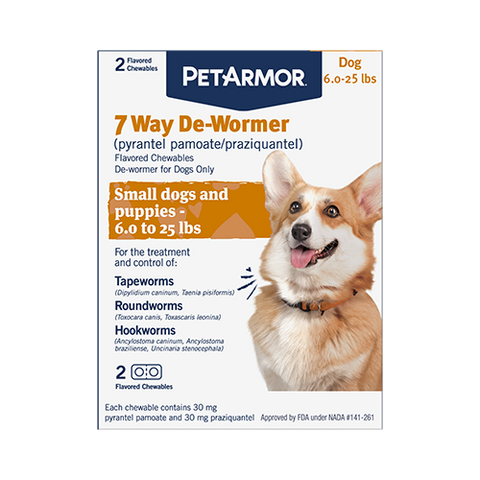
Image Source: petarmor.com
When Does Dog Wormer Start Working?
The immediate effects of dog wormer can be observed relatively quickly. Most deworming medications are designed to be fast-acting. When administered, the active ingredients are absorbed into your dog’s bloodstream or directly affect the gastrointestinal tract.
- Rapid Action: Many broad-spectrum dewormers begin to kill adult worms within a few hours. This is because the drugs paralyze or disrupt the metabolic processes of the parasites, making them unable to survive in the dog’s gut.
- Initial Signs: While you won’t necessarily see the worms expelled immediately, your dog might start to feel better as the parasitic load decreases. Some owners report seeing dead or dying worms in their dog’s stool within 12-24 hours.
Fathoming the Deworming Dog Timeline
The journey from administering wormer to a completely worm-free dog isn’t always instantaneous. There are several stages involved, and understanding this deworming dog timeline helps set realistic expectations.
Immediate Effects (Hours to 1 Day)
- Worm Paralysis: The primary action of most dewormers is to paralyze or kill adult worms residing in the intestines. This process begins shortly after the medication is absorbed.
- Starting to Expel: As worms are killed, the dog’s body naturally works to expel them through the digestive tract. This is when you might first notice worms in the stool.
Short-Term Effects (1-3 Days)
- Visible Worms: It’s common to see dead or dying worms in your dog’s feces during this period. The appearance can vary depending on the worm type – roundworms might look like spaghetti, while tapeworm segments could resemble rice grains.
- Symptom Improvement: Depending on the severity of the infestation, you might notice subtle improvements in your dog’s condition, such as reduced lethargy or a slight decrease in vomiting.
Mid-Term Effects (3-7 Days)
- Continuing Elimination: The process of expelling dead worms continues. Your dog’s digestive system is actively clearing out the remnants of the parasites.
- Reduced Egg Production: Most dewormers also affect immature stages of worms, starting to halt their development and egg production.
Long-Term Effects and Follow-Up (1-4 Weeks)
- Clearing Larval Stages: Some worm life cycles include larval stages that migrate through the body. Certain medications are effective against these, but it might take longer for them to be fully eliminated.
- Preventing Re-infection: Crucially, a single dose might not be enough to eliminate all stages of every type of worm. This is why follow-up doses are often prescribed as part of a dog deworming schedule.
- Fecal Testing: A follow-up fecal test, typically done 2-4 weeks after initial treatment, is essential to confirm the dog parasite treatment duration has been successful and that no worms or eggs remain.
How Long to See Results Dog Wormer: What to Expect
The visible “results” of dog wormer typically refer to the expulsion of worms or a noticeable improvement in your dog’s health.
Physical Manifestations
- Worms in Stool: As mentioned, seeing worms in the stool is often the first tangible sign the dewormer is working. The quantity and type of worms can vary greatly.
- Worms in Vomit: Less commonly, but still possible, dogs may vomit worms, especially if the infestation is heavy.
Behavioral and Health Improvements
- Increased Energy: Dogs suffering from worm infestations often experience fatigue. As the worms are eliminated, you might notice your dog becoming more energetic and playful.
- Improved Appetite and Weight Gain: Worms compete for nutrients. Once treated, your dog may show a better appetite and start to gain weight if they were underweight.
- Healthier Coat: A dull or rough coat can be a sign of poor nutrient absorption due to worms. A healthier coat can be a later indicator of successful treatment.
- Reduced Gastrointestinal Upset: Symptoms like diarrhea, constipation, or abdominal discomfort often improve as the worm burden decreases.
When Does Dog Wormer Start Working: Factors Influencing Speed
Several factors influence how quickly and effectively a dog wormer works. Understanding these can help explain variations in response.
Type of Worm
Different types of intestinal parasites have distinct life cycles and susceptibilities to various medications.
- Roundworms (Toxocara, Toxascaris): These are common and generally respond well to most broad-spectrum dewormers.
- Hookworms (Ancylostoma, Uncinaria): These also tend to be killed relatively quickly by appropriate medication.
- Whipworms (Trichuris): Whipworms can be more persistent and might require longer or repeated treatment courses.
- Tapeworms (Dipylidium, Taenia): Tapeworm treatment often requires specific medications that target their segments. The segments may not always be visible in the stool as the medication dissolves them.
- Heartworms (Dirofilaria immitis): Heartworm treatment is a completely different and much more complex process, requiring veterinary supervision and specific, often slow-acting, medications to eliminate adult heartworms and prevent further damage. This is distinct from intestinal wormer.
Type of Dewormer
The active ingredients in deworming medications vary, influencing their spectrum of activity and speed.
- Broad-Spectrum Dewormers: These target multiple types of common intestinal worms. Examples include medications containing pyrantel pamoate, fenbendazole, or praziquantel.
- Targeted Dewormers: Some medications are designed to be highly effective against a specific type of worm.
- Prescription vs. Over-the-Counter: Prescription dewormers are often more potent and targeted, potentially leading to faster results. Over-the-counter options are generally safe for routine prevention but might be less effective against heavy infestations.
Dosage and Administration
Correct dosage and proper administration are critical for dog dewormer effectiveness.
- Accurate Dosing: Giving the correct dose based on your dog’s weight is paramount. Under-dosing can lead to incomplete treatment, while over-dosing can be toxic. Always follow veterinary recommendations or product instructions precisely.
- Method of Administration: Whether the medication is given orally as a pill, liquid, or chewable, or administered as a topical spot-on, can slightly influence absorption rates.
Dog’s Health and Age
A dog’s overall health status and age can play a role.
- Puppies: Worming puppy effectiveness is a critical aspect of their early health. Puppies are particularly vulnerable to worm infestations and may require more frequent deworming. Their developing immune systems might also influence how quickly they clear parasites.
- Senior Dogs: Older dogs with compromised immune systems might take longer to recover fully.
- Concurrent Illnesses: If a dog is also suffering from other health issues, their body might be slower to respond to deworming treatment.
Dog Parasite Treatment Duration: Ensuring Complete Eradication
The dog parasite treatment duration often extends beyond the initial administration. This is to ensure that all stages of the parasite’s life cycle are addressed and to prevent re-infestation.
Repeat Dosing
- For Certain Worms: Some worm types, like whipworms, may require repeat doses a few weeks apart to kill worms that hatch after the initial treatment.
- Life Cycle Interruption: Repeated doses help interrupt the parasite’s life cycle, particularly targeting larval stages that may not be affected by the first dose.
Environmental Decontamination
- Parasite Eggs: Many intestinal worm eggs are shed in feces and can contaminate the environment, posing a re-infection risk. Thoroughly cleaning your dog’s living space, bedding, and regularly removing feces from yards is crucial for the effectiveness of dog deworming medication.
- Laundering: Bedding, toys, and anything your dog comes into contact with should be washed regularly in hot water.
Preventative Measures
- Regular Deworming Schedule: Establishing a consistent dog deworming schedule is the most effective way to prevent infestations and ensure ongoing parasite control. This typically involves regular deworming, especially for puppies, and potentially monthly preventatives that also cover intestinal parasites.
- Flea Control: Fleas can transmit tapeworms. Therefore, consistent flea control is an indirect but vital part of preventing certain worm infections.
Effectiveness of Dog Deworming Medication: Key Considerations
The effectiveness of dog deworming medication hinges on several factors:
- Correct Diagnosis: Knowing which type of worm your dog has is ideal. Your veterinarian can perform fecal tests to identify specific parasites and recommend the most effective treatment.
- Compliance: Adhering strictly to the prescribed dosage and duration of treatment is essential. Missing doses or stopping treatment too early can render the medication ineffective and contribute to drug resistance.
- Veterinary Guidance: Always consult your veterinarian before administering any deworming medication. They can provide tailored advice based on your dog’s age, health, lifestyle, and geographic location (which can influence the prevalence of certain parasites).
Worming Puppy Effectiveness: A Critical Stage
Puppies are at high risk for worm infestations, often acquiring them from their mother before birth or through her milk.
- Early and Frequent Treatment: Worming puppy effectiveness is crucial for their healthy development. Most veterinarians recommend starting deworming puppies as early as two weeks of age, with subsequent doses every two weeks until they are around three months old.
- Maternal Health: The mother dog should also be dewormed as part of a comprehensive puppy health plan.
- Transition to Adult Schedule: Once puppies transition out of their initial high-risk period, their deworming schedule will adjust to align with the general adult dog deworming recommendations.
Comparing with Cat Dewormer Timeline
While the principles of deworming are similar for cats and dogs, there can be slight differences in timelines and specific medications.
- Cat Dewormer Timeline: Similar to dogs, cat dewormers also start working within hours to a day, with visible results appearing within a few days. However, the types of worms commonly affecting cats (like roundworms, hookworms, and tapeworms) and the medications used can differ.
- Species-Specific Medications: It’s crucial to use dewormers specifically formulated for cats, as medications safe for dogs can be toxic to cats, and vice versa.
Frequently Asked Questions (FAQ)
Q1: Can I see worms in my dog’s stool after giving dewormer?
A: Yes, it is common to see dead or dying worms in your dog’s feces within 12-24 hours of administering dewormer. The appearance will depend on the type of worm.
Q2: What if I don’t see any worms after giving the dewormer?
A: Not seeing worms doesn’t necessarily mean the dewormer isn’t working. Some medications kill worms internally, and segments of tapeworms might not be visible. The absence of visible worms can also indicate a lighter infestation or that the worms were expelled internally. A fecal test is the best way to confirm efficacy.
Q3: How often should I deworm my dog?
A: The frequency depends on your dog’s age, lifestyle, and risk factors. Puppies require more frequent deworming. Adult dogs may need deworming every 3-6 months, or monthly if they are at high risk (e.g., interact with many other dogs, hunt). Consult your veterinarian for a personalized dog deworming schedule.
Q4: What are the side effects of dog wormer?
A: Most dewormers are safe when used as directed. Mild side effects can include vomiting, diarrhea, lethargy, or loss of appetite. If you notice severe reactions, contact your veterinarian immediately.
Q5: How long does it take for my dog to feel better after deworming?
A: Your dog may start to show signs of improvement within a few days as the parasite load decreases. Significant improvements in energy levels and appetite might take a week or two.
Q6: Can I use cat dewormer on my dog?
A: No, absolutely not. Never use medication intended for one species on another without explicit veterinary direction. Cat dewormers can be ineffective or toxic to dogs, and vice versa.
Q7: What is the best dewormer for dogs?
A: The “best” dewormer depends on the specific parasites your dog has, their age, health, and any potential sensitivities. Your veterinarian is the best resource for recommending the most appropriate deworming medication for your dog.
Q8: How do I prevent my dog from getting worms again?
A: Prevention involves a consistent dog deworming schedule, prompt cleanup of feces, good hygiene practices, effective flea and tick control (as fleas can transmit tapeworms), and avoiding feeding your dog raw meat or allowing them to scavenge or eat animal carcasses.
By understanding the deworming dog timeline, the factors influencing dog dewormer effectiveness, and the importance of a consistent dog deworming schedule, you can ensure your furry friend stays healthy and happy, free from the burden of internal parasites. Always partner with your veterinarian for the best care and guidance.