
So, you’re wondering, “How long does it take to become a dog groomer?” The answer is typically several weeks to several months, depending on the training path you choose. Becoming a professional dog groomer is a rewarding career path for animal lovers, but it does require dedicated time and effort. This comprehensive guide will delve into the various routes you can take, the time commitment involved, and what you can expect along the way.
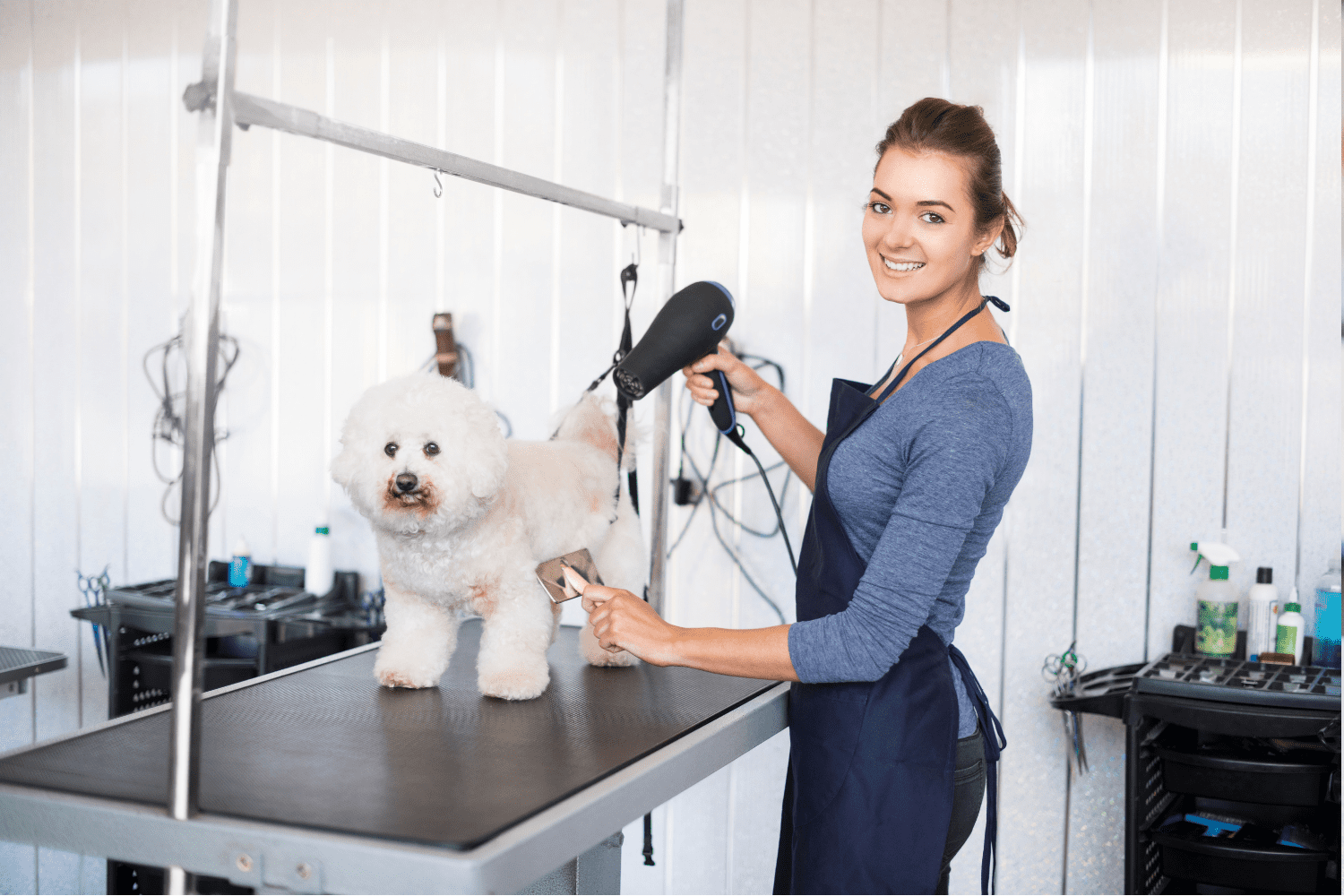
Image Source: www.theacademyofpetcareers.com
The Pet Grooming Career Path: Laying the Foundation
Embarking on a pet grooming career path offers a unique blend of creativity, animal care, and customer service. It’s a hands-on profession where you’ll learn to transform canine companions with skillful grooming techniques. But before you can wield clippers and brushes with confidence, you need the right training.
Dog Grooming School Requirements: What You Need to Know
Before enrolling in any dog grooming program, it’s essential to understand the typical dog grooming school requirements. While these can vary slightly between institutions, common prerequisites often include:
- Age: Most schools require students to be at least 16 or 18 years old.
- Education: A high school diploma or GED is generally preferred, although some programs may accept students without this.
- Passion for Animals: This is non-negotiable! A genuine love for dogs and a desire to work with them is the most crucial element.
- Physical Stamina: Grooming can be physically demanding. You’ll be on your feet for long periods, handling dogs of various sizes and temperaments, and potentially bending and lifting.
- Basic Hygiene and Safety Awareness: Understanding and adhering to hygiene and safety protocols is paramount in a grooming environment.
Dog Grooming Training Duration: Exploring Your Options
The dog grooming training duration is not a one-size-fits-all answer. Several avenues exist, each with its own timeline and intensity. Let’s break them down:
Structured Dog Grooming School Programs
Formal dog grooming schools offer comprehensive education covering all aspects of the profession. These programs are designed to equip you with the theoretical knowledge and practical skills needed to excel.
- Certificate Programs: These are often the most common and typically range from 4 weeks to 6 months. They provide intensive, hands-on training.
- Diploma Programs: These may be more extensive, potentially lasting 6 months to 1 year, and might include broader business management or advanced grooming techniques.
Typical Curriculum in a Structured Program:
- Breed-Specific Grooming Styles: Learning the correct cuts and trims for various breeds.
- Dog Anatomy and Physiology: Understanding the dog’s body to groom safely and effectively.
- Skin and Coat Health: Identifying common skin and coat issues and how to address them.
- Grooming Tools and Equipment: Proper use, maintenance, and sanitization of clippers, scissors, brushes, and more.
- Handling and Restraint Techniques: Safely managing dogs of different temperaments.
- Bathing and Drying Techniques: Mastering different methods for various coat types.
- Nail Trimming and Ear Cleaning: Essential hygiene procedures.
- Basic Health Checks: Recognizing signs of illness or distress.
- Customer Service and Business Practices: For those looking to open their own salon or work in a client-facing role.
Dog Grooming Apprenticeship Length: Learning on the Job
An apprenticeship offers a more experiential approach to learning. You’ll work under the guidance of an experienced groomer, gaining practical skills in a real-world setting.
The dog grooming apprenticeship length can vary significantly. Some apprenticeships are structured and might last 6 months to 1 year, while others can be more informal and extend longer as the groomer develops proficiency.
Benefits of an Apprenticeship:
- Real-World Experience: You learn in a live salon environment.
- Mentorship: Direct guidance from experienced professionals.
- Building a Network: Establishing connections within the industry.
- Potentially Earning While Learning: Some apprenticeships offer a small stipend.
Challenges of an Apprenticeship:
- Inconsistent Training: The quality of training can depend heavily on the mentor.
- Slower Pace: You might not cover as broad a range of skills as quickly as in a school.
- May Require More Self-Study: You might need to supplement your learning with external resources.
Online Dog Grooming Courses: Flexibility and Self-Paced Learning
The advent of online learning has made becoming a dog groomer more accessible. Online dog grooming courses offer flexibility, allowing you to learn at your own pace.
- Dog Grooming Course Completion: These courses can range from a few weeks to several months, depending on the depth and structure of the program. Many online courses provide extensive video modules, downloadable resources, and even virtual assessments.
Considerations for Online Courses:
- Hands-On Practice: While theory can be learned online, practical skills require hands-on application. You’ll likely need to find opportunities to practice on real dogs outside of the online modules.
- Accreditation: Look for reputable online schools that are accredited or have strong industry recognition.
- Certification: Some online programs offer certification upon successful completion.
How to Become a Dog Groomer Fast: Accelerating Your Journey
If you’re looking for ways to become a dog groomer fast, a concentrated, full-time certificate program at a reputable grooming school is often the quickest route. These programs are designed for immersion and rapid skill development.
Tips for Accelerating Your Learning:
- Commit to Full-Time Study: If possible, dedicate yourself to a full-time program.
- Practice Extensively: Beyond coursework, seek opportunities to practice on friends’ or family members’ dogs.
- Attend Workshops and Seminars: Supplement your formal training with specialized workshops.
- Network Actively: Connect with other groomers and learn from their experiences.
However, it’s crucial to balance speed with thoroughness. Rushing through your training can lead to gaps in your knowledge and skill set, which can impact your confidence and the quality of your work.
Dog Groomer Certification Time: Formalizing Your Skills
While not always legally mandatory, obtaining dog groomer certification can significantly enhance your credibility and marketability. The dog groomer certification time depends on the certifying body and the type of certification pursued.
Types of Certifications and Their Timelines
- Program-Specific Certificates: As mentioned, many grooming schools award their own certificates upon course completion. The time to obtain this is synonymous with your dog grooming course completion time.
- Industry Certifications: Organizations like the National Dog Groomers Association of America (NDGAA) and the International Professional Groomers, Inc. (IPG) offer certifications based on rigorous testing and demonstrated skill.
- NDGAA: Typically requires a period of practical experience and passing written and practical exams. The time to achieve this depends on how quickly you gain the necessary experience and prepare for the exams.
- IPG: Also involves exams and can be achieved by demonstrating a high level of proficiency.
The dog groomer certification time can range from the duration of your schooling to several months or even a year or more if it requires significant post-training experience and preparation for advanced examinations.
Becoming a Professional Dog Groomer Timeline: A Step-by-Step Approach
Let’s outline a typical becoming a professional dog groomer timeline:
- Research and Choose a Program: This can take a few days to a few weeks. Explore different schools, apprenticeships, and online courses.
- Complete Training:
- Intensive School Program: 4 weeks to 6 months.
- Apprenticeship: 6 months to 1 year+.
- Online Course: Several weeks to several months, plus practical application time.
- Gain Practical Experience: Even after formal training, continued practice is essential. This could involve:
- Volunteering at shelters or rescues: Ongoing.
- Working as a bather/assistant groomer: Several months to 1 year. This is crucial for honing skills and building speed.
- Building a home practice clientele: Ongoing.
- Pursue Certification (Optional but Recommended):
- Preparing for exams: Several weeks to months after gaining sufficient experience.
- Taking exams: A single event.
- Establish Your Career: This could mean:
- Getting hired at a salon: Immediate to a few months after completing training and gaining some initial experience.
- Opening your own salon: This often requires additional business planning and potentially more experience, which could take 1-3 years or more of working in the industry.
The overall time commitment for dog grooming, from starting training to feeling confident and competent as a professional, can be anywhere from 6 months to 2 years.
Time Commitment for Dog Grooming: Beyond the Formal Training
The time commitment for dog grooming extends beyond just attending classes or completing an apprenticeship. It’s a career that demands continuous learning and dedication.
- Learning Curve: Even after graduating, mastering advanced techniques, handling difficult dogs, and increasing your speed takes time and consistent effort.
- Continuing Education: The pet industry evolves. Staying updated on new products, techniques, and breed standards requires ongoing learning. Attending workshops, webinars, and trade shows is part of the commitment.
- Physical Demands: Grooming is physically taxing. You need to maintain your physical health to sustain this career long-term.
- Client Relationships: Building a loyal client base requires excellent customer service, consistent quality, and good communication, all of which take time to cultivate.
The Path to Becoming a Dog Groomer: Key Takeaways
The path to becoming a dog groomer is multifaceted and rewarding. Here’s a summary of the key factors influencing your timeline:
| Training Method | Typical Duration | Key Focus |
|---|---|---|
| Certificate Program | 4 weeks – 6 months | Intensive, hands-on, broad skill development. |
| Diploma Program | 6 months – 1 year | More in-depth, potentially includes business. |
| Apprenticeship | 6 months – 1 year+ | On-the-job learning, practical experience. |
| Online Courses | Several weeks – months | Flexible, self-paced, requires practical input. |
Factors Influencing Your Timeline
- Your Learning Style: Some people learn faster than others.
- Program Intensity: Full-time, immersive programs are quicker than part-time options.
- Dedication to Practice: The more you practice, the faster you’ll develop proficiency.
- Desired Level of Expertise: Becoming a highly skilled master groomer takes longer than becoming competent at basic grooming.
- Certification Goals: Pursuing professional certifications adds to the timeline.
Frequently Asked Questions (FAQ)
Q1: Can I become a dog groomer without formal training?
While some individuals may learn through informal apprenticeships or by working as an assistant, formal dog grooming training is highly recommended. It provides a structured curriculum, covers essential safety protocols, and ensures you develop a comprehensive skill set. Without formal training, you might miss crucial knowledge about animal health, breed standards, and safe handling techniques, potentially leading to mistakes or injury.
Q2: What is the fastest way to become a dog groomer?
The fastest way to become a dog groomer is usually by enrolling in an intensive, full-time certificate program at a reputable grooming school. These programs are designed to cover all the necessary skills in a condensed timeframe, typically lasting between 4 to 12 weeks. However, remember that speed should not compromise the quality of your education and skill development.
Q3: How long does dog grooming school typically last?
Dog grooming school typically lasts anywhere from 4 weeks to 6 months for certificate programs. Some more comprehensive diploma programs might extend to a year. The duration depends on the curriculum’s depth, the number of hours of instruction, and whether it’s a full-time or part-time program.
Q4: Is a dog groomer certification mandatory?
In most places, a dog groomer certification is not legally mandatory to work as a groomer. However, it is highly valued by employers and clients. Certification from recognized organizations demonstrates a commitment to professionalism, a standardized level of skill, and adherence to industry best practices, making you a more competitive candidate.
Q5: How much experience do I need before I can work independently?
While you can get hired as a junior groomer shortly after completing training, most groomers feel truly confident working independently and handling a wide variety of breeds and temperaments after at least 6 months to 2 years of hands-on experience. This experience helps build speed, improve handling skills, and develop a keen eye for detail.
Becoming a dog groomer is a journey that combines education, practice, and passion. By choosing the right training path and dedicating yourself to continuous learning, you can build a successful and fulfilling career in this wonderful profession.