
How long does it take for a dog to decompose? A dog’s decomposition can take anywhere from a few months to several years, depending on many factors. This detailed guide will explore the entire dog decomposition timeline, breaking down the stages of dog decomposition and the elements that influence the animal remains breakdown.
When our beloved canine companions pass away, it’s a deeply emotional time. Many owners opt for burial as a way to lay their pets to rest. However, it’s natural to wonder about the natural process that follows: decomposition. What happens to a dog’s body after death? How long does this natural process take? This article aims to provide a comprehensive explanation of how long it takes to decompose a dog, covering the science behind it and the practicalities involved.
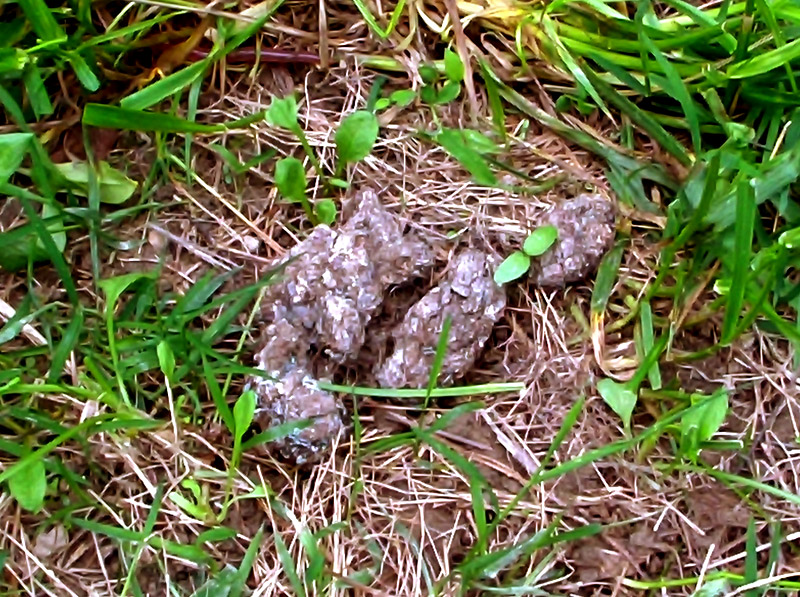
Image Source: www.petpooskiddoo.com
Fathoming The Stages of Dog Decomposition
Decomposition is a complex biological process driven by bacteria, fungi, insects, and environmental factors. It’s not a single event but a series of stages that transform a body over time. Understanding these phases helps us grasp the overall dog decomposition timeline.
Stage 1: Fresh Stage (Autolysis and Putrefaction)
Immediately after death, the body begins to break down from within. This initial phase is called autolysis. Enzymes within the dog’s cells, normally responsible for breaking down waste, begin to digest the cells themselves. This leads to a softening of tissues.
Simultaneously, putrefaction begins. Bacteria, naturally present in the gut, start to multiply and spread throughout the body. These bacteria consume the remaining organic matter, producing gases as a byproduct. This gas build-up can cause bloating and a greenish discoloration of the skin, particularly around the abdomen, as blood pigments break down.
Stage 2: Bloat Stage
As gases accumulate within the body cavities, the dog’s body will visibly swell. This is a clear sign of active decomposition. The skin may become taut and shiny. This stage is temporary, as the gases will eventually escape.
Stage 3: Active Decay (Ruin Stage)
This is often the most visible and rapid stage of decomposition. The accumulated gases cause the body to rupture, releasing liquids and softer tissues. This is when insect activity often becomes most prominent. Flies will lay eggs, and maggots will hatch, consuming the decaying flesh.
Different types of insects are attracted at different times. Flesh flies arrive first, followed by blowflies, and then house flies. Later, carrion beetles and other scavengers may also contribute to the breakdown. The dog decomposition timeline can be significantly influenced by the presence and activity of these insects.
Stage 4: Advanced Decay
During this stage, the soft tissues are significantly reduced. The body becomes more flattened. The insect population may start to shift as maggots pupate and fly populations decrease. What remains is largely skeletal material and tougher tissues like cartilage and skin.
Stage 5: Skeletonization
The final stage is when only the bones, teeth, and sometimes dried ligaments and hair remain. The bones themselves will continue to break down over time, but at a much slower rate, eventually becoming part of the soil.
Factors Affecting Decomposition Rates
The exact duration of each stage, and therefore the overall time it takes for a dog to decompose, is highly variable. Several key factors influence how long it takes to decompose a dog.
Environmental Conditions Dog Decay
The environment where the dog is located plays a crucial role in decomposition.
- Temperature: Warmer temperatures accelerate decomposition. Bacteria and insect activity are directly linked to temperature. In hot weather, decomposition can happen much faster than in cold weather. Conversely, freezing temperatures can halt decomposition almost entirely until the body thaws.
- Moisture: Water is essential for bacterial activity. Damp environments generally promote faster decomposition than dry ones. However, excessive moisture, such as submersion in water, can slow down certain aspects of decomposition, like insect colonization, but can preserve tissues for longer in other ways (e.g., adipocere formation).
- Oxygen Availability: Decomposition by aerobic bacteria requires oxygen. In environments with limited oxygen, such as deep within compacted soil or water, anaerobic decomposition will occur, which is a slower process.
- Exposure to Elements: A body exposed to the open air is more accessible to insects and scavengers, leading to faster breakdown. A body buried deeply or protected from the elements will decompose more slowly.
Soil Impact on Decomposition
If a dog is buried, the characteristics of the soil are paramount.
- Soil Type: Sandy or rocky soils drain well and are often less hospitable to decomposers compared to rich, loamy soils that retain moisture and nutrients.
- Soil pH: The acidity or alkalinity of the soil can affect bacterial activity.
- Soil Compaction: Compacted soil restricts oxygen and insect access, slowing decomposition. Loose, well-aerated soil can facilitate it.
- Soil Microbes: The natural microbial community in the soil can either aid or inhibit decomposition.
Body Size and Condition
While a dog’s size matters, its overall condition at the time of death also plays a role.
- Body Fat: A fatter dog may decompose slightly slower initially as the fat can act as a protective barrier. However, it also provides more energy for decomposers.
- Clothing or Coverings: If a dog is buried with clothing or a blanket, this can insulate the body and affect the rate of decomposition, potentially slowing it down by limiting insect access and regulating temperature.
- Trauma: Open wounds can accelerate initial decomposition by providing entry points for bacteria and insects.
Presence of Scavengers and Insects
As mentioned in the stages, insects and scavengers are major drivers of decomposition.
- Insect Access: If a dog is protected from insects (e.g., in a sealed coffin or very deep burial), decomposition will rely more heavily on internal bacteria and slow environmental breakdown.
- Scavengers: Larger animals can significantly speed up decomposition by consuming tissue.
Estimating the Dog Decomposition Timeline
Given the multitude of variables, providing an exact timeframe for dog decomposition is challenging. However, we can offer estimates based on common scenarios. These are general guidelines and can vary significantly.
Burial Scenarios
The pet burial process is a common choice for pet owners. The depth and method of burial are critical.
- Shallow Burial (e.g., 2-3 feet): In favorable conditions (moderate temperature, moist soil), a dog buried at this depth might begin to skeletonize within 6 months to 2 years. The softer tissues will break down relatively quickly, but the skeleton can take much longer to fully disintegrate.
- Deep Burial (e.g., 4-6 feet): A deeper burial offers more protection from scavengers and insects and can moderate temperature fluctuations. This generally slows decomposition. Skeletonization might take 1 to 5 years, with the skeleton itself persisting for many more years.
- No Burial / Surface Exposure: If a dog is left on the surface in a temperate climate, decomposition can be rapid, with significant breakdown occurring within weeks to months. This scenario is also more prone to scavenging.
Other Scenarios
- Pet Cremation Times: It’s worth noting that pet cremation times offer a stark contrast. Cremation, a process of high-temperature incineration, effectively reduces a pet’s remains to bone fragments and ash within a few hours. This is a method of rapid disposal, unlike the natural decomposition process.
- Water Burial: Submerging a dog in water can lead to saponification (formation of adipocere, a waxy substance) if the water is cool and low in oxygen, which can preserve the body for a very long time. In warmer, oxygenated waters, decomposition can be faster due to bacterial and aquatic organism activity.
Time for Dog Carcass Decay: A Deeper Look
Let’s break down the estimated time for different parts of the decay process, keeping in mind the influencing factors.
Soft Tissue Breakdown
The fleshy parts of the dog – muscle, organs, and fat – are the first to decompose.
- Weeks to Months: In temperate climates, with good insect access and moderate temperatures, the majority of soft tissue can be consumed or broken down by bacteria and maggots within 2-6 months.
- Months to Years: In colder conditions, or with less insect activity, this process can extend to a year or more.
Skeletonization Timeline
The skeletal system is much more resistant to decay.
- 6 Months to 5 Years: As noted, this is a general range for the majority of the skeleton to be exposed and largely intact.
- Years to Decades: The actual disintegration of the bones themselves is a much slower process, influenced by soil acidity and microbial action. While a skeleton might be “formed” within a few years, it can take decades or even centuries for the bones to fully break down into the soil.
Table: Approximate Dog Decomposition Timeline Factors
To help visualize the impact of different conditions, consider this simplified table.
| Factor | Impact on Decomposition Speed | Notes |
|---|---|---|
| Temperature | Warmer = Faster | Bacteria and insects thrive in heat. Freezing halts activity. |
| Moisture | Moist = Faster | Essential for microbial activity. Excessive water can alter processes. |
| Oxygen | High = Faster | Aerobic bacteria are more efficient. Low oxygen leads to slower anaerobic breakdown. |
| Insect/Scavenger Access | High = Faster | Flies, maggots, beetles, and larger animals consume tissue rapidly. |
| Burial Depth | Shallow = Faster | More exposure to environment, insects, and scavengers. |
| Soil Type | Loamy/Rich = Faster | Retains moisture and nutrients, supporting decomposers. Sandy/rocky soils drain faster, slowing the process. |
| Body Condition | Obese = Slightly Slower (initial) | Fat can insulate. However, offers more energy source for decomposers. |
| Clothing/Covering | Protective = Slower | Limits insect access and can regulate temperature. |
Other Considerations for Animal Remains Breakdown
When we discuss animal remains breakdown, it’s important to remember that dogs are mammals with a similar biological makeup to humans in terms of decomposition. The principles governing dog decomposition timeline are largely the same for other medium-sized mammals.
The factors affecting decomposition are universal across species. The rate at which animal remains break down depends on the same interplay of internal biological processes and external environmental influences.
What About Pet Cremation Times?
For owners who prefer a quicker, more sterile method of handling their pet’s remains, pet cremation times are significantly shorter than natural decomposition. Pet cremation typically takes a few hours. The body is placed in a specialized crematorium, and high temperatures reduce it to ash and bone fragments. The exact time depends on the size of the animal and the type of cremation (communal or individual). This process bypasses the natural biological decay entirely.
The Pet Burial Process
Choosing the pet burial process means selecting a method that allows for natural decomposition. This can involve:
- Home Burial: Burying your pet in your backyard. It’s crucial to check local ordinances regarding pet burial. A depth of at least 2-3 feet is generally recommended to prevent scavengers and to ensure proper decomposition.
- Pet Cemeteries: These facilities offer designated burial plots and services, ensuring proper depth and care.
The soil impact on decomposition during a pet burial means that the healthier the soil ecosystem, the more efficient the breakdown will be.
Frequently Asked Questions (FAQ)
Q1: How quickly do the maggots appear on a dog carcass?
Maggots typically appear within hours of death, especially in warm conditions, as flies are attracted to lay eggs on fresh carcasses.
Q2: Can a dog’s body decompose faster in water?
It depends. In cool, low-oxygen water, a body might be preserved for a long time (adipocere formation). In warmer, oxygenated water, decomposition can be accelerated by bacteria and aquatic life.
Q3: What is adipocere?
Adipocere is a waxy substance formed from body fat under certain anaerobic (low oxygen) and moist conditions. It can preserve the body’s shape for extended periods.
Q4: How long does it take for a dog’s skeleton to disappear completely?
The complete disappearance of a dog’s skeleton can take many decades, even centuries, depending on the soil’s chemical composition and the presence of other environmental factors that break down bone.
Q5: Is it harmful to bury a pet in my garden?
Generally, no, as long as local regulations are followed. However, ensure the burial depth is sufficient to prevent animals from digging it up and to allow for proper decomposition.
Q6: Does the breed of dog affect decomposition time?
While the breed itself doesn’t directly impact decomposition, factors associated with breeds like coat thickness or body fat percentage can indirectly influence the initial stages of decay.
Q7: What happens if a dog is buried in a plastic bag?
Burying a dog in a plastic bag will significantly slow down decomposition because it restricts access for insects and limits oxygen flow, promoting anaerobic decomposition, which is much slower. It also prevents beneficial soil microbes from interacting with the body.
Q8: How does cremation compare to decomposition in terms of environmental impact?
Decomposition is a natural part of the ecosystem, recycling nutrients. Cremation, especially modern pet cremation, is an energy-intensive process that releases gases into the atmosphere.
Q9: Can I dig up my pet after burying them?
While technically possible, it’s generally not recommended due to the emotional distress and the nature of decomposition. If there’s a strong reason, ensure you understand the process and wear protective gear.
Q10: Are there ways to speed up decomposition in a burial?
While not typically desired, factors like shallow burial, exposure to elements, and introducing soil microbes could theoretically speed up decomposition, but these are generally not recommended practices for responsible pet aftercare.
In conclusion, the journey of a dog’s decomposition is a natural, albeit sometimes unsettling, part of life. By understanding the various stages of dog decomposition and the myriad factors affecting decomposition, we can better comprehend the processes that occur after our pets pass, whether they are returned to the earth through the pet burial process or handled through other means like pet cremation times. The dog decomposition timeline is a testament to nature’s cycles, reminding us of the intricate ways life and death are intertwined.