
So, how many hairs are on a dog? While there’s no single, exact number that fits every dog, a healthy dog can have anywhere from 10,000 to over 100,000 hairs per square inch of skin, depending heavily on breed, genetics, and coat type. This vast range highlights the incredible diversity in canine coats.
A dog’s coat is more than just pretty fur; it’s a vital part of their health and well-being. It protects them from the elements, helps regulate body temperature, and even plays a role in their sensory perception. Let’s dive deep into the world of canine hair and explore everything that contributes to the amazing variety we see in our furry friends.
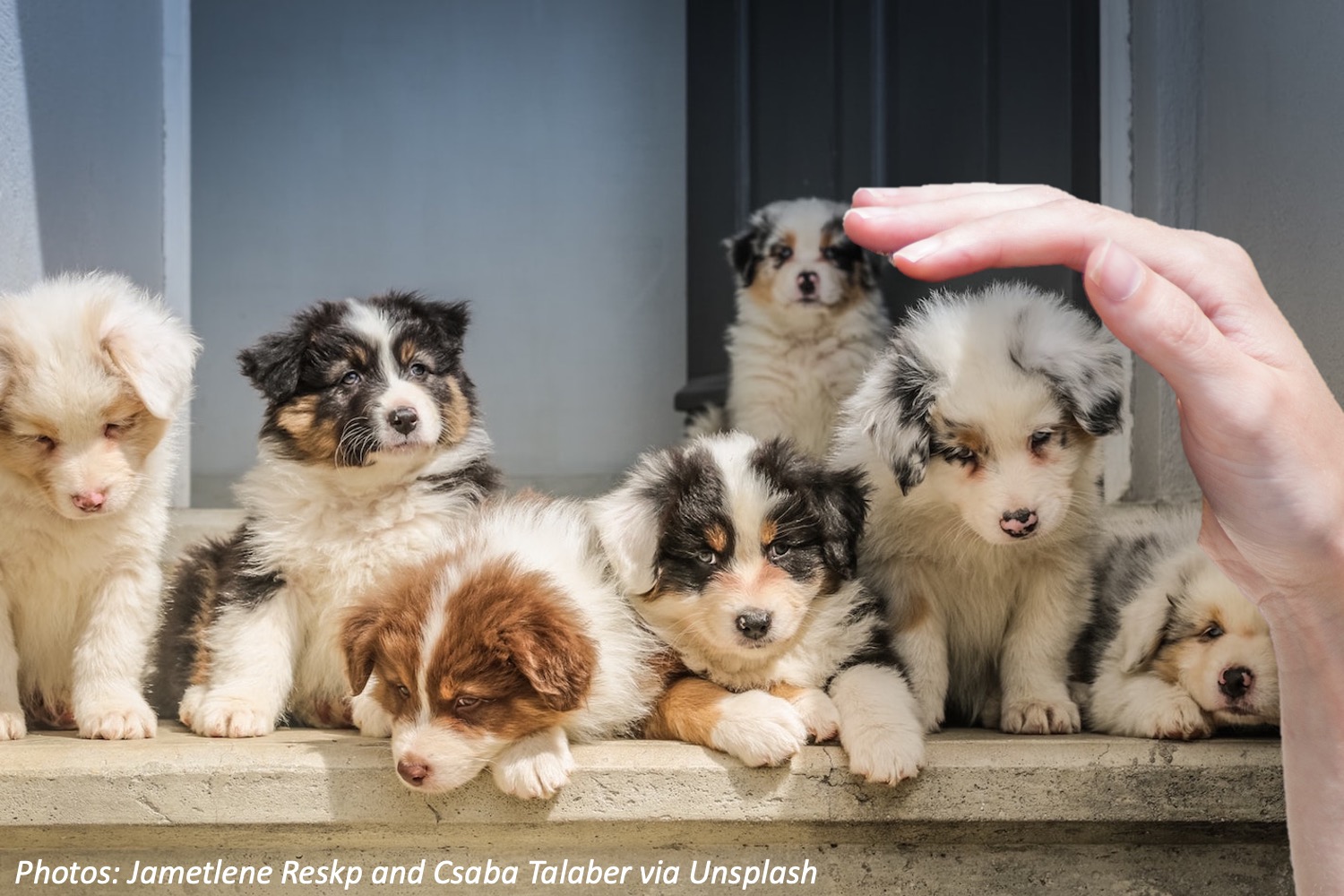
Image Source: s36737.pcdn.co
Decoding Dog Coat Density
Dog coat density refers to how tightly packed the hairs are on a dog’s skin. Some breeds, like the Siberian Husky or the Newfoundland, have incredibly dense coats, feeling almost like a thick carpet. Others, like the Greyhound or the Vizsla, have sparse coats where you can easily see their skin. This density is a primary factor in the sheer number of hairs a dog possesses.
Think of it like a forest. A dense forest has many trees packed closely together, while a sparser forest has trees spaced further apart. The same principle applies to a dog’s fur. The underlying genetic programming dictates how much hair each follicle produces and how closely these follicles are situated on the skin.
The Intricate Canine Hair Count
The canine hair count is a fascinating but nearly impossible number to pinpoint precisely for an individual dog. What we do know is that it’s a combination of several factors:
- Breed Predisposition: Certain breeds are genetically predisposed to have more hair than others.
- Coat Type: Single-coated versus double-coated breeds have vastly different hair numbers.
- Health and Nutrition: A healthy dog with good nutrition will typically have a fuller, denser coat.
- Season: Dogs may have variations in hair density throughout the year due to seasonal shedding.
It’s important to remember that this isn’t just about the visible hair on the surface. Beneath that, there’s a complex system at play.
Examining Puppy Fur Amount
When we talk about a puppy fur amount, we’re looking at the initial coat that a puppy is born with. This is often softer and finer than an adult coat. Many puppies go through a “puppy uglies” phase where they shed their soft puppy fur and grow in their adult coat, which can be thicker and sometimes a different color or texture. The amount of fur a puppy has is a preview of their adult coat’s potential density.
The transition from puppy fur to adult coat is a crucial developmental stage. During this time, owners might notice increased shedding. It’s a natural process as the body prepares for a more robust and protective covering.
Fathoming Dog Shedding Volume
Dog shedding volume is a topic many dog owners are intimately familiar with! Shedding is a natural process where dogs lose old or damaged hair. The amount shed varies dramatically.
- Continuous Shedders: Breeds like Labrador Retrievers or German Shepherds shed continuously throughout the year, with some seasonal increases.
- Seasonal Shedders: Breeds like Huskies or Malamutes “blow” their coat twice a year, experiencing a massive shedding event.
- Low Shedders: Breeds like Poodles or Bichon Frises shed very little, with their hair often getting caught in their curls instead of falling out.
The volume of shed hair is directly related to the density of the coat and the hair growth cycle. More hair follicles producing hair means more potential hair to shed.
Exploring Hair Follicle Density Dogs
Hair follicle density dogs refers to how many hair follicles are present in a given area of skin. This is a genetically determined trait that varies significantly between breeds. A dog with high follicle density will have more hairs growing from each section of skin.
- High Density: Breeds like Collies or Samoyeds often have a high number of follicles, contributing to their thick, plush coats.
- Low Density: Breeds with short, smooth coats, such as the Whippet, tend to have fewer follicles per square inch.
These follicles are the tiny structures in the skin that produce hair. Each follicle can produce multiple hairs over its lifetime, and the rate at which it does so is also influenced by genetics.
Deciphering the Dog Hair Growth Cycle
Every hair on your dog’s body goes through a specific dog hair growth cycle. This cycle consists of three main phases:
- Anagen (Growth Phase): This is when the hair is actively growing from the follicle. The duration of this phase determines how long the hair can get.
- Catagen (Transitional Phase): In this short phase, the hair stops growing, and the follicle begins to shrink.
- Telogen (Resting Phase): The hair rests in the follicle. Eventually, new hair will start to grow, pushing the old hair out, leading to shedding.
The length of each phase varies by breed and even by the specific location of the hair on the dog’s body. For example, leg hair might have a shorter growth phase than the hair on their back.
Breed Hair Differences: A World of Variety
The most significant factor influencing breed hair differences is genetics. Breeders have selectively bred dogs for specific coat types, textures, and lengths over centuries. This has resulted in the astonishing array of coats we see today.
- Double Coats: Many breeds, especially those originating from colder climates, have a double coat. This consists of a soft, dense undercoat for insulation and longer, coarser guard hairs that protect from weather and debris. Examples include Huskies, German Shepherds, and Golden Retrievers.
- Single Coats: These dogs have only one layer of hair. They often have less insulation and may be more sensitive to extreme temperatures. Examples include Poodles, Afghan Hounds, and Vizslas.
- Wiry Coats: Breeds like Schnauzers and Scottish Terriers have a coarse, wiry outer coat that is very protective. They often have a softer undercoat as well.
- Hairless Breeds: Some breeds, like the Chinese Crested or the Xoloitzcuintli, are genetically predisposed to having very little hair, though they often have tufts of hair in specific areas.
Exploring Dog Coat Types
The concept of dog coat types is closely linked to breed differences. We can categorize coats broadly, but within these categories, there’s immense variation.
| Coat Type | Description | Examples |
|---|---|---|
| Double Coat | Dense, soft undercoat; longer, coarser guard hairs. Excellent insulation. | Siberian Husky, German Shepherd, Golden Retriever |
| Single Coat | One layer of hair, often fine or silky. Less insulation, can be prone to sun damage. | Poodle, Afghan Hound, Vizsla |
| Wiry Coat | Coarse, stiff outer coat; often paired with a softer undercoat. Very protective. | Schnauzer, Scottish Terrier, Wire Fox Terrier |
| Curly Coat | Hair grows in tight curls or waves. Minimal shedding as hair gets trapped. | Poodle, Portuguese Water Dog, Bichon Frise |
| Smooth Coat | Short, sleek, and close to the body. Little insulation. | Greyhound, Beagle, Rottweiler |
| Corded Coat | Hair forms long, rope-like strands. Requires significant grooming. | Puli, Komondor |
| Hairless | Minimal to no hair on most of the body. Skin is often sensitive. | Chinese Crested, Xoloitzcuintli |
Grooming Hair Removal Dogs: Managing the Shed
Grooming hair removal dogs is essential for maintaining a healthy coat and managing shedding within your home. The strategy for grooming depends entirely on the dog’s coat type.
- Brushing: Regular brushing is key for most dogs. It removes loose hair, prevents matting, distributes natural oils, and stimulates circulation.
- Slicker brushes: Good for removing mats and loose undercoat in dense coats.
- Bristle brushes: Suitable for short, smooth coats to remove loose hair and add shine.
- Pin brushes: Effective for longer coats to detangle without breaking the hair.
- Undercoat rakes/deshedding tools: Essential for double-coated breeds during shedding seasons.
- Bathing: Bathing helps loosen dead hair and can make brushing more effective. Use a dog-specific shampoo and conditioner. Over-bathing can strip natural oils, so follow your vet’s recommendations.
- Professional Grooming: For some breeds, professional grooming is necessary. This can include clipping, hand-stripping (for wiry coats), and specialized deshedding treatments.
Proper grooming not only keeps your dog looking and feeling good but also helps you manage the inevitable amount of hair that ends up around your house.
Addressing Dog Hair Loss Concerns
While shedding is normal, significant dog hair loss concerns can indicate underlying health issues. If you notice bald patches, excessive thinning, or skin irritation along with hair loss, it’s time to consult your veterinarian.
Possible causes of abnormal hair loss include:
- Parasites: Fleas, mites, and ticks can cause itching and subsequent hair loss.
- Allergies: Food allergies or environmental allergies can lead to skin inflammation and hair loss.
- Infections: Bacterial or fungal infections of the skin can damage hair follicles.
- Hormonal Imbalances: Conditions like hypothyroidism can affect hair growth.
- Nutritional Deficiencies: Lack of essential vitamins and minerals can lead to a dull, thinning coat.
- Stress or Anxiety: In some cases, stress can contribute to temporary hair loss.
- Genetics: Some breeds are prone to specific types of hair loss.
A veterinarian can diagnose the cause of excessive hair loss and recommend appropriate treatment.
The Science of Dog Hair Follicles
Each hair on your dog’s body grows from a hair follicle, a small, complex structure embedded in the skin. These follicles are responsible for producing the hair shaft. The density and activity of these follicles are crucial determinants of coat fullness.
- Melanocytes: These cells within the follicle produce melanin, the pigment that gives hair its color.
- Sebaceous Glands: Associated with each follicle, these glands produce sebum, an oily substance that lubricates and waterproofs the hair and skin.
- Arrector Pili Muscles: Tiny muscles attached to the follicle can contract, causing the hair to stand on end (think of a “frightened” dog’s hackles raised).
The health and proper functioning of these follicles are vital for a healthy coat. Factors like nutrition, hormones, and environmental conditions can all impact follicle activity.
Seasonal Shedding and Coat Cycles
Many dogs experience more intense shedding during specific times of the year, known as seasonal shedding. This is particularly true for breeds with double coats, which are adapted to grow a thick insulating coat for winter and shed it for the warmer months.
- Spring Shedding: Dogs shed their thick winter undercoat to prepare for warmer weather. This can result in a noticeable increase in loose hair.
- Fall Shedding: Dogs grow a thicker winter coat, and some shedding occurs as the body adjusts.
While some shedding is normal year-round, these seasonal “blow-outs” can be quite dramatic. Understanding your dog’s breed and its typical shedding patterns can help you prepare.
Comparing Different Dog Coat Types
The diversity in different dog coat types is a testament to selective breeding. What might be a desirable trait for one purpose can be less ideal for another.
- Protection: Wiry and double coats offer excellent protection against the elements, thorns, and even bites.
- Insulation: Thick undercoats are crucial for dogs in cold climates, providing warmth.
- Water Resistance: Oily sebum produced by hair follicles contributes to water resistance, especially in breeds that work in water.
- Thermoregulation: While hair provides insulation, panting is the primary way dogs cool down, but a healthy coat can also help prevent overheating in some cases by shielding the skin from direct sun.
The complexity of these coat types means that grooming needs and shedding patterns will vary widely.
The Lifecycle of Dog Hair
To truly comprehend the number of hairs, we need to look at the lifecycle of dog hair. As mentioned, the anagen, catagen, and telogen phases govern how long a hair grows and when it is shed.
The duration of the anagen phase is a key determinant of hair length. Breeds with long, flowing hair, like the Yorkshire Terrier or the Afghan Hound, have a very long anagen phase, allowing their hair to grow continuously. Breeds with shorter coats have a shorter anagen phase.
When the telogen phase ends, the old hair is released, making way for new growth. This is why even dogs that don’t shed much still lose some hair over time.
Factors Influencing Coat Fullness
Several factors beyond genetics contribute to how full and luxurious your dog’s coat appears:
- Nutrition: A balanced diet rich in proteins, healthy fats (like Omega-3 and Omega-6 fatty acids), vitamins, and minerals is essential for healthy hair growth. Poor nutrition can lead to a dull, brittle coat and increased shedding.
- Health: Underlying health conditions can manifest in the coat. A healthy dog generally has a healthy coat.
- Grooming Practices: Regular brushing and appropriate bathing can improve coat health and appearance. However, over-grooming or using harsh products can damage the coat.
- Age: Puppies have soft, fine fur, while senior dogs might experience thinning or changes in coat texture.
The Importance of a Healthy Coat
A dog’s coat is a barometer of its overall health. A shiny, full, and healthy coat is often indicative of good nutrition and general well-being. Conversely, a dull, brittle, or thinning coat can be an early warning sign of health issues.
Regularly inspecting your dog’s coat for any changes, parasites, or skin abnormalities is a crucial part of responsible pet ownership. Early detection of problems can lead to more effective treatment and a happier, healthier dog.
Frequently Asked Questions (FAQ)
Q1: Can I count the hairs on my dog?
A1: No, it’s practically impossible to count the exact number of hairs on your dog. The sheer volume and constant cycle of growth and shedding make it an unfeasible task. We can only estimate based on breed and coat density.
Q2: Why does my dog shed so much?
A2: Shedding is a natural process for most dogs. The amount of shedding depends on breed, coat type, genetics, season, and health. Breeds with double coats tend to shed more, especially seasonally.
Q3: Is it normal for my puppy to lose fur?
A3: Yes, puppies often go through a shedding phase as they transition from their soft puppy fur to their adult coat. This is a natural process, but excessive or concerning hair loss should be checked by a vet.
Q4: How does breed affect the number of hairs on a dog?
A4: Breed is the primary factor. Breeds selectively bred for thick, dense coats (like Huskies or Newfoundlands) will have significantly more hairs than breeds with short, sparse coats (like Greyhounds).
Q5: What are some common dog hair loss concerns?
A5: Common concerns include hair loss due to parasites (fleas, mites), allergies, skin infections, hormonal issues, nutritional deficiencies, and stress. If you’re worried, consult your veterinarian.
Q6: How often should I groom my dog to manage shedding?
A6: The frequency of grooming depends on your dog’s coat type. Dogs with heavy shedding coats may benefit from daily brushing during peak shedding seasons, while others might only need brushing a few times a week. Always use appropriate grooming tools for your dog’s specific coat.
Q7: Can diet affect my dog’s coat density?
A7: Yes, a balanced diet rich in protein and essential fatty acids is crucial for healthy hair growth and can contribute to a denser, healthier-looking coat. Poor nutrition can lead to thinning and dullness.