
The question of how many steps a dog should take a day is a common one for pet owners. While there’s no single magic number, a general guideline for adult dogs is between 30 to 60 minutes of moderate-intensity exercise daily, which translates to roughly 8,000 to 10,000 steps for many breeds.
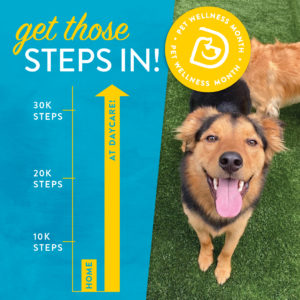
Image Source: s3-prod.dogtopia.com
Gauging Your Dog’s Daily Activity Needs
Ensuring your dog gets enough exercise is vital for their overall well-being. Dog daily exercise isn’t just about burning energy; it plays a crucial role in their physical and mental health. When a dog isn’t getting adequate activity, it can lead to a variety of issues, from weight gain and joint problems to boredom-induced destructive behaviors and anxiety. Conversely, over-exercising can also be detrimental, causing injuries and exhaustion. Therefore, finding that sweet spot is key to a happy, healthy canine companion. This guide will help you decipher your dog’s unique canine activity needs and establish a fitness routine tailored to them.
Factors Influencing Your Dog’s Step Count
Several elements come into play when determining the ideal daily step count for your dog. It’s not a one-size-fits-all scenario.
- Breed: Different breeds were developed for different purposes, and this history significantly impacts their energy levels and exercise requirements.
- High-Energy Breeds: Think Border Collies, Australian Shepherds, Weimaraners, and Huskies. These dogs often need upwards of 60-90 minutes of vigorous activity daily, which can easily translate to 15,000-20,000+ steps. They thrive on challenging activities like running, fetch, agility, and long hikes.
- Medium-Energy Breeds: Breeds like Labrador Retrievers, Golden Retrievers, and German Shepherds typically need 30-60 minutes of moderate exercise, around 8,000-10,000 steps. They enjoy walks, playtime, and moderate hiking.
- Low-Energy Breeds: Bulldogs, Basset Hounds, and Shih Tzus have lower exercise needs. 20-30 minutes of gentle activity, perhaps 4,000-6,000 steps, is often sufficient. Short, leisurely walks are usually best.
- Age: A dog’s age is a significant factor in how much exercise they can handle.
- Puppies: Puppy exercise requirements are different. While active and playful, their bones and joints are still developing. Over-exercising can lead to long-term damage. A common guideline is the “5-minute rule”: 5 minutes of structured exercise per month of age, twice a day. So, a 4-month-old puppy might get 20 minutes of walking or playtime twice a day. Free play in the yard is also beneficial.
- Adult Dogs: This is where the general 30-60 minute guideline often applies, with variations based on breed and individual fitness.
- Senior Dogs: Senior dog activity needs decrease with age. While they still benefit greatly from regular, low-impact exercise, their stamina will be lower. Shorter, more frequent walks, often 15-30 minutes, are usually recommended. Pay attention to signs of fatigue or discomfort.
- Health and Fitness Level: An active, healthy adult dog can handle more than a dog recovering from illness or surgery. Dog physical health is paramount, and you should always consult your veterinarian before starting or significantly changing an exercise program, especially if your dog has underlying health conditions like arthritis, heart disease, or respiratory issues. Exercise for overweight dogs needs careful consideration to avoid stressing their joints.
- Temperament and Personality: Some dogs are naturally more driven and energetic than others, regardless of breed. A dog that loves to play fetch might be content with a shorter walk if they get a good play session.
What is “Moderate Intensity” Exercise?
Moderate-intensity exercise for a dog means their heart rate increases, they breathe a bit harder, but they can still carry on a conversation (or in their case, pant without gasping for air). They should be able to bark or wag their tail during the activity. This is the sweet spot for most adult dogs.
Canine Activity Levels: Beyond Just Steps
While step counts are a useful metric, they don’t tell the whole story of dog activity levels. The type of activity also matters immensely.
- Walking: A staple for most dogs, providing mental stimulation through smells and sights.
- Running/Jogging: Excellent for building stamina and burning calories, but ensure your dog is physically capable and it’s appropriate for their age and health.
- Fetch/Tug-of-War: Great for short bursts of high-energy output and bonding.
- Agility/Training Classes: Provides mental and physical challenges, strengthening the bond between dog and owner.
- Swimming: A low-impact exercise that’s excellent for dogs with joint issues or during hot weather.
- Puzzle Toys/Nose Work: These engage a dog’s mind and can be just as tiring as physical activity.
How Many Steps Should My Dog Take A Day? A Detailed Breakdown
Let’s delve deeper into the step count, keeping in mind these are general guides and individual needs vary.
Breed-Specific Exercise Recommendations
This table provides a rough estimate of daily step goals for various breeds. Remember to consult your veterinarian for personalized advice.
| Breed Group | Example Breeds | Estimated Daily Steps | Duration (Minutes) | Intensity | Notes |
|---|---|---|---|---|---|
| Sporting | Labrador Retriever, Golden Retriever | 8,000 – 12,000 | 45 – 60 | Moderate | Enjoy fetch, swimming, and field work. |
| Hound | Beagle, Basset Hound, Greyhound | 6,000 – 10,000 | 30 – 50 | Moderate (Beagle), Low-Moderate (Basset), High (Greyhound) | Scent hounds need good sniffing opportunities. Greyhounds need sprints. |
| Working | Doberman Pinscher, Rottweiler, Boxer | 10,000 – 15,000 | 60 – 75 | Moderate to High | Bred for tasks, need mental and physical stimulation. |
| Terrier | Jack Russell Terrier, Scottish Terrier | 8,000 – 12,000 | 40 – 60 | Moderate to High | Often energetic and tenacious; enjoy digging and chasing. |
| Toy | Chihuahua, Poodle (Toy), Yorkshire Terrier | 3,000 – 6,000 | 15 – 30 | Low to Moderate | Need less exercise but still benefit from regular walks. |
| Non-Sporting | Poodle (Standard), Bulldog, Dalmatian | 7,000 – 10,000 | 40 – 60 | Moderate | Varies greatly; Bulldogs need careful monitoring for heat. |
| Herding | Border Collie, German Shepherd, Corgi | 12,000 – 20,000+ | 60 – 90+ | High | Extremely high energy; need consistent, challenging activity. |
Age-Specific Exercise Considerations
Puppy Exercise Requirements:
- Very Young Puppies (8-16 weeks): Focus on short, frequent play sessions and gentle walks. Avoid forced, repetitive movements.
- Adolescent Puppies (4-12 months): Gradually increase duration and intensity. Continue to monitor for signs of fatigue. Crucial period for socialization through walks and interactions.
- Adolescence can be a tricky time with sudden bursts of energy followed by napping.
Senior Dog Activity:
- Reduced Stamina: Expect shorter walks and less intensity.
- Joint Health: Opt for softer surfaces like grass. Consider low-impact activities like swimming.
- Consistency is Key: Even short, regular outings are better than infrequent long ones.
- Monitor for Discomfort: Watch for limping, stiffness, or reluctance to move.
Exercise for Overweight Dogs
When you have an overweight dog, the goal is to increase dog physical health through controlled activity.
- Start Slowly: Begin with short, frequent walks. Gradually increase the duration and pace as your dog builds stamina.
- Low-Impact Options: Swimming or walking in water (if available and safe) is excellent as it minimizes stress on joints.
- Consistency over Intensity: Multiple short walks throughout the day can be more effective and safer than one long, strenuous session.
- Portion Control is Crucial: Exercise alone won’t solve obesity; dietary management is equally important.
- Consult Your Vet: They can help create a safe and effective weight-loss plan.
Implementing an Effective Exercise Routine
Establishing a consistent routine is fundamental for achieving your dog fitness goals.
Incorporating Dog Walking Frequency
The ideal dog walking frequency depends on your dog’s needs and your lifestyle.
- Minimum: Most adult dogs benefit from at least two walks per day, typically 15-30 minutes each.
- Ideal: For active breeds, three or more walks, or longer, more intense sessions, might be necessary.
- Mental Stimulation: Vary your routes to provide new sights, sounds, and smells, which are crucial for mental well-being.
How to Track Your Dog’s Steps
Modern technology offers convenient ways to monitor your dog’s activity.
- Activity Trackers: These are small, lightweight devices that attach to your dog’s collar. They can track steps, distance, calories burned, and sometimes even sleep patterns. Popular brands include FitBark, Whistle, and Tractive.
- Pedometers: Some human pedometers can be adapted, though they might not be as accurate for a dog’s gait.
- Smartwatch Apps: Some apps allow you to manually log walks and estimate distance.
When using trackers, remember they are estimates. Observe your dog’s behavior and energy levels for the most accurate assessment of their needs.
Recognizing Signs Your Dog Needs More or Less Exercise
It’s essential to be attuned to your dog’s cues.
Signs Your Dog Needs More Exercise:
- Restlessness or inability to settle
- Destructive behavior (chewing, digging)
- Excessive barking
- Weight gain
- Hyperactivity or “zoomies” that don’t subside
Signs Your Dog Needs Less Exercise:
- Excessive panting or fatigue
- Limping or stiffness after exercise
- Reluctance to move or play
- Sore paws
- Heat exhaustion (especially in warm weather)
Common Pitfalls to Avoid
- Over-exercising Puppies: As mentioned, this can cause severe joint damage.
- Ignoring Senior Dogs’ Needs: While they slow down, they still need gentle, regular movement.
- Inconsistent Routines: Daily activity is more beneficial than sporadic bursts.
- Not Considering Breed-Specific Needs: A Corgi doesn’t need the same workout as a Border Collie.
- Relying Solely on Steps: The type and quality of exercise matter just as much as the quantity.
- Exercising in Extreme Weather: Heatstroke and frostbite are serious risks.
Frequently Asked Questions (FAQ)
Q1: Can my dog get too much exercise?
Yes, it’s possible. Signs include extreme fatigue, reluctance to move, limping, or heatstroke. Over-exercising can lead to injuries, especially in growing puppies and older dogs. It’s crucial to balance activity with rest and pay attention to your dog’s individual limits.
Q2: How much exercise does a mixed-breed dog need?
For mixed breeds, you’ll need to assess their likely energy level based on their physical characteristics and any known lineage. If they look more like a high-energy breed, they’ll likely need more exercise than a dog that appears more sedentary. Observe their behavior and adjust accordingly.
Q3: Is a 30-minute walk enough for my dog?
For many adult dogs of moderate energy, a 30-minute walk can be a good baseline, especially when supplemented with short play sessions. However, high-energy breeds might require longer or more vigorous activities in addition to their walks.
Q4: How do I introduce a new exercise routine to my dog?
Start slowly and gradually increase the duration and intensity. If you’re introducing running, begin with short intervals of jogging interspersed with walking. Always warm up and cool down your dog with a brief period of gentle walking. Watch for signs of fatigue.
Q5: Does mental stimulation count towards my dog’s exercise?
Absolutely! Mental stimulation is a vital component of a dog’s overall well-being and can be just as tiring as physical exertion. Puzzle toys, training sessions, and scent work engage their minds and prevent boredom.
By paying close attention to your dog’s breed, age, health, and individual personality, you can create a personalized exercise plan that keeps them happy, healthy, and fit. Remember, consistency and observation are your best tools.