
Can I give my dog alprazolam? Yes, a veterinarian can prescribe alprazolam for dogs, but only for specific medical reasons and under strict professional guidance. It is crucial to never administer human medication to pets without explicit veterinary approval, as the alprazolam dosage for dogs varies significantly from human recommendations and can be dangerous if misused. This guide will delve into the responsible use of alprazolam in canine companions, exploring its applications, the factors influencing dosage, potential risks, and the importance of veterinary supervision.
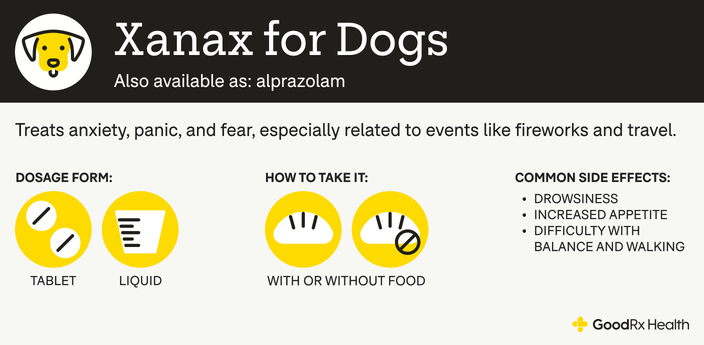
Image Source: www.grxstatic.com
Alprazolam: A Brief Overview for Pet Owners
Alprazolam, commonly known by brand names like Xanax, is a benzodiazepine medication primarily used in humans to treat anxiety and panic disorders. In veterinary medicine, veterinary alprazolam is sometimes prescribed off-label to manage specific behavioral issues in dogs, particularly those related to anxiety and stress. Its primary mechanism of action involves enhancing the effects of a neurotransmitter called gamma-aminobutyric acid (GABA) in the brain. GABA acts as an inhibitory neurotransmitter, meaning it slows down nerve activity. By boosting GABA’s effects, alprazolam effectively calms the central nervous system, leading to a reduction in anxiety and a sedative effect.
When is Alprazolam Considered for Dogs?
The decision to use alprazolam for a dog is never taken lightly by veterinary professionals. It is typically reserved for situations where other, less potent or non-pharmacological interventions have proven insufficient. Common scenarios where a vet might consider prescribing alprazolam include:
- Severe Separation Anxiety: Dogs experiencing extreme distress when left alone, exhibiting destructive behaviors, excessive vocalization, or house soiling.
- Situational Anxiety: For dogs who become profoundly anxious during specific events, such as thunderstorms, fireworks, car rides, or visits to the veterinary clinic.
- Travel Anxiety: To help dogs cope with the stress of travel, especially long distances or unfamiliar environments.
- Phobias: In cases of severe phobias, like fear of loud noises or specific objects, where the dog’s quality of life is significantly impacted.
It is important to emphasize that alprazolam is not a first-line treatment for general behavioral problems. A thorough behavioral assessment and modification plan are usually implemented first.
Deciphering Alprazolam Dosage for Dogs
Determining how much Xanax can a dog have is a complex process that relies entirely on a veterinarian’s expertise. There is no one-size-fits-all answer, and attempting to self-medicate a pet with alprazolam can lead to serious health consequences. The safe alprazolam dose for dogs is meticulously calculated based on several critical factors.
Factors Influencing Alprazolam Dosage
Veterinarians consider a multitude of factors before prescribing alprazolam and determining the correct dog anxiety medication dosage:
- Weight of the Dog: This is a primary determinant. Generally, medication dosages are calculated per kilogram or pound of body weight. A larger dog will require a higher dose than a smaller dog.
- Severity of the Anxiety or Condition: More severe symptoms might necessitate a higher starting dose or more frequent administration, always under veterinary supervision.
- Metabolism and Age: Younger dogs and senior dogs, as well as dogs with certain metabolic conditions, may process medication differently. Age can influence how quickly a drug is broken down and eliminated from the body.
- Breed Predispositions: Some breeds may be more sensitive to certain medications or have different metabolic rates.
- Overall Health Status: Pre-existing health conditions, such as liver or kidney disease, can affect how the body processes and eliminates alprazolam, requiring dosage adjustments.
- Other Medications: If the dog is currently taking other medications, there is a potential for drug interactions. The veterinarian will review the dog’s complete medical history to avoid adverse effects.
- Formulation of the Medication: Alprazolam comes in various strengths and formulations (e.g., tablets). The specific product prescribed will influence the dosage instructions.
Typical Alprazolam Dosages (For Informational Purposes Only)
While specific dosages must come from your veterinarian, it’s helpful to understand the general principles. Xanax for dogs dosage is typically expressed in milligrams per kilogram (mg/kg) of body weight. For example, a common starting point for anxiety might be in the range of 0.01 to 0.05 mg/kg every 8 to 12 hours. However, this is a broad range, and your vet might use different guidelines.
Table 1: Example Alprazolam Dosage Ranges (Illustrative, Not Prescriptive)
| Dog Weight (lbs) | Dog Weight (kg) | Illustrative mg/kg Range | Example Dose (mg) | Frequency (per day) |
|---|---|---|---|---|
| 10 | 4.5 | 0.01 – 0.05 | 0.05 – 0.23 | 1-3 |
| 25 | 11.3 | 0.01 – 0.05 | 0.11 – 0.57 | 1-3 |
| 50 | 22.7 | 0.01 – 0.05 | 0.23 – 1.14 | 1-3 |
| 75 | 34.0 | 0.01 – 0.05 | 0.34 – 1.70 | 1-3 |
Important Disclaimer: This table is purely for educational illustration. Never attempt to calculate or administer alprazolam based on this information. Always consult your veterinarian for an accurate pet medication dosage.
Administering Alprazolam Safely
Once a veterinarian prescribes alprazolam, following their instructions precisely is paramount. Safe administration involves more than just giving the correct amount; it also includes understanding when and how to give the medication.
Timing and Administration
- With or Without Food: Your veterinarian will specify whether the medication should be given with food. For some medications, taking them with food can help reduce stomach upset.
- Dosage Accuracy: Use a calibrated measuring device (like a pill splitter or oral syringe) to ensure the correct dose is given. Do not crush or break tablets unless specifically instructed to do so by your vet.
- Consistency: Administer the medication at the same times each day as prescribed to maintain consistent levels in the dog’s system.
- Never Double Dose: If you miss a dose, do not give a double dose to compensate. Contact your veterinarian for guidance on how to proceed.
Monitoring Your Dog’s Response
After administering alprazolam, vigilant monitoring is crucial. Observe your dog for both the intended effects and any potential adverse reactions. This proactive approach allows for timely adjustments or interventions if needed.
Potential Alprazolam Side Effects in Dogs
While alprazolam can be effective, like all medications, it carries the risk of alprazolam side effects dogs may experience. It’s essential to be aware of these and report any concerning symptoms to your veterinarian promptly.
Common Side Effects
- Drowsiness or Sedation: This is a common effect as alprazolam is a central nervous system depressant. Some level of sedation is often expected, but excessive lethargy or unresponsiveness can be a concern.
- Lethargy or Weakness: Similar to drowsiness, dogs may appear less energetic than usual.
- Ataxia (Loss of Coordination): This can manifest as stumbling, wobbliness, or difficulty with balance.
- Increased Appetite: Some dogs may show an increased interest in food.
- Vomiting or Diarrhea: Gastrointestinal upset can occur in some individuals.
Less Common but More Serious Side Effects
- Paradoxical Excitement: In a small percentage of dogs, instead of calming down, they may become more agitated or hyperactive.
- Behavioral Changes: While intended to reduce anxiety, in rare cases, it could lead to unexpected behavioral shifts.
- Allergic Reactions: Signs can include hives, facial swelling, difficulty breathing, or itching. This is a medical emergency.
- Liver or Kidney Issues: Although rare, long-term use or high doses could potentially affect organ function. Regular veterinary check-ups are important to monitor this.
- Dependence and Withdrawal: Prolonged use can lead to physical dependence. Abruptly stopping the medication can cause withdrawal symptoms like tremors, anxiety, or seizures. Therefore, discontinuing alprazolam should always be done under veterinary guidance with a gradual tapering of the dose.
When to Contact Your Veterinarian
It’s vital to maintain open communication with your veterinarian throughout the treatment period. Contact them immediately if you observe any of the following:
- Severe lethargy or unresponsiveness.
- Difficulty breathing.
- Signs of an allergic reaction.
- Worsening or new behavioral issues.
- Any other concerning or unusual symptoms.
- Concerns about the effectiveness of the medication.
Your vet is the best resource for managing your dog’s health and ensuring the safe and effective use of alprazolam. They may need to adjust the alprazolam dosage for dogs or explore alternative treatment options.
Alternatives and Complementary Therapies
Alprazolam is not the only tool in the arsenal for managing canine anxiety. Often, the most effective approach involves a multi-modal strategy that combines medication with behavioral modification techniques and environmental enrichment.
Behavioral Modification
- Desensitization and Counter-Conditioning: Gradually exposing the dog to anxiety-provoking stimuli at low intensities while pairing them with positive experiences (treats, praise) can help change their emotional response.
- Routine and Predictability: Establishing a consistent daily routine can provide a sense of security for anxious dogs.
- Training: Positive reinforcement training can build confidence and strengthen the bond between you and your dog, reducing general anxiety.
Environmental Enrichment
- Puzzle Feeders: Engaging toys that dispense treats can provide mental stimulation and distract from anxiety.
- Comfortable Den Space: A safe, quiet space where the dog can retreat when feeling overwhelmed.
- Calming Music or White Noise: Some dogs respond well to soothing sounds.
- Interactive Toys and Play: Regular playtime can help release pent-up energy and reduce stress.
Other Medications and Supplements
Your veterinarian may also suggest or prescribe other medications or supplements, such as:
- Selective Serotonin Reuptake Inhibitors (SSRIs): Medications like fluoxetine or sertraline are often used for chronic anxiety.
- Tricyclic Antidepressants (TCAs): Amitriptyline or clomipramine are another class of drugs for behavioral issues.
- Nutritional Supplements: Products containing L-theanine, tryptophan, or specific probiotics may offer some calming benefits for mild to moderate anxiety.
- Pheromone Products: Synthetic pheromones, like Adaptil, can mimic natural calming signals.
The choice of treatment depends on the individual dog’s needs, the underlying cause of anxiety, and the owner’s ability to implement behavioral strategies.
The Importance of Veterinary Alprazolam Prescription
The legality and safety surrounding alprazolam for dogs hinge entirely on professional veterinary involvement. Prescribing alprazolam for dogs is a controlled practice, and for good reason.
Why Veterinary Supervision is Non-Negotiable
- Accurate Diagnosis: Anxiety in dogs can stem from various causes, including medical issues. A veterinarian can perform a thorough physical examination and diagnostic tests to rule out underlying health problems that might mimic anxiety symptoms.
- Appropriate Dosage Calculation: As discussed, precise dog anxiety medication dosage is critical. A vet has the knowledge to calculate this based on the dog’s unique profile.
- Monitoring for Efficacy and Side Effects: Veterinarians can assess whether the medication is working and identify any adverse reactions, intervening as necessary.
- Preventing Misuse and Abuse: Alprazolam is a controlled substance, and its misuse can be harmful to both pets and humans. Veterinary oversight ensures it is used responsibly.
- Managing Long-Term Treatment: If long-term use is necessary, a vet can monitor for potential dependence, tolerance, or withdrawal symptoms and guide the owner on safe tapering or discontinuation.
What if My Dog Accidentally Ingested Alprazolam?
If you suspect your dog has ingested alprazolam (either prescribed or from a human source) without veterinary guidance, this is a medical emergency. Contact your veterinarian or an emergency veterinary clinic immediately. Do not wait for symptoms to appear. Provide as much information as possible, including the estimated amount ingested, the time of ingestion, and your dog’s weight.
Frequently Asked Questions About Alprazolam for Dogs
Q1: Can I give my dog Xanax that was prescribed for me?
A: Absolutely not. Human medication dosages are not suitable for dogs and can be extremely dangerous. Always consult your veterinarian for any medication your dog needs.
Q2: How long does it take for alprazolam to work in dogs?
A: The onset of action can vary, but typically, the sedative effects can be felt within 30-60 minutes. For behavioral changes related to anxiety, it might take several days or weeks of consistent dosing to see a significant improvement.
Q3: Is alprazolam addictive for dogs?
A: Yes, like in humans, alprazolam can lead to physical dependence with prolonged use. Withdrawal symptoms can occur if the medication is stopped abruptly. Therefore, any discontinuation should be managed by a veterinarian.
Q4: What are the signs of alprazolam overdose in dogs?
A: Signs of an overdose can include extreme sedation, lethargy, ataxia, confusion, slow breathing, low blood pressure, coma, and in severe cases, death. Seek immediate veterinary attention if you suspect an overdose.
Q5: Can alprazolam be used long-term for dog anxiety?
A: In some cases, veterinarians may prescribe alprazolam for long-term management of severe anxiety disorders. However, this will involve regular monitoring and potentially cycling the medication with others to prevent tolerance or dependence. Behavioral modification and other therapies are usually integrated into long-term treatment plans.
Conclusion
Alprazolam can be a valuable tool in managing severe anxiety and phobias in dogs, offering relief and improving their quality of life. However, its use must be approached with the utmost caution and always under the direct supervision of a qualified veterinarian. The determination of how much alprazolam can my dog take safely is a complex decision based on individual factors, and self-medication is a dangerous path. By working closely with your vet, understanding the risks and benefits, and adhering to prescribed dosages and administration guidelines, you can help your canine companion overcome anxiety in the safest and most effective way possible. Remember, your veterinarian is your primary partner in ensuring your pet’s well-being.