
The cost of treating a broken leg in a dog can range from a few hundred dollars to several thousand dollars, depending on the severity of the break, the type of treatment needed, and your location.
A broken leg is a serious and often painful injury for any dog. When your furry friend suffers such an accident, your primary concern is their well-being, but the financial aspect can also be a significant worry for pet owners. This comprehensive guide aims to shed light on the various factors that contribute to the dog leg fracture cost, helping you prepare for the financial commitment involved in your dog’s recovery. We’ll delve into the specifics of dog bone surgery prices, veterinary orthopedic surgery cost, dog limb repair cost, and the overall cost of repairing dog leg injuries.
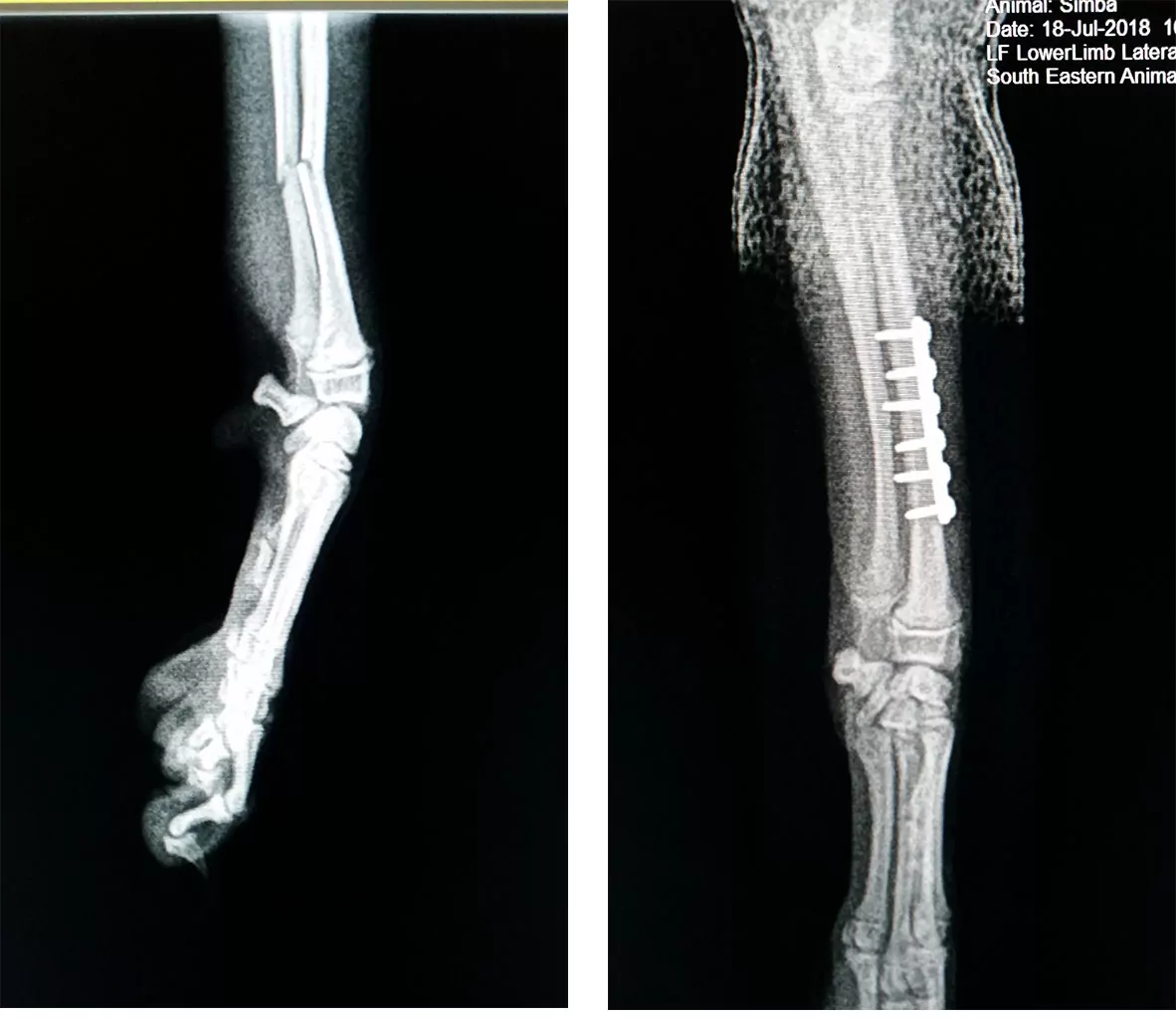
Image Source: www.melbournepetsurgery.com.au
Factors Influencing the Total Cost
Several elements come into play when determining the final bill for a broken leg. It’s not a one-size-fits-all scenario. The complexity of the fracture, the chosen treatment method, and the ongoing care all play crucial roles.
Type and Severity of the Fracture
The nature of the break significantly impacts the treatment plan and, consequently, the cost.
- Simple Fractures: These are often hairline cracks or clean breaks where the bone is still in alignment. They might require less invasive procedures, potentially leading to lower costs.
- Compound Fractures: In these cases, the broken bone pierces the skin. This introduces a higher risk of infection and often necessitates more complex surgical intervention, driving up the price.
- Comminuted Fractures: This involves the bone breaking into multiple pieces. These are among the most challenging to repair and typically require extensive surgical work, increasing the dog fracture treatment cost.
- Location of the Fracture: A break in a major weight-bearing bone like the femur or humerus might be more complex to stabilize than a fracture in a smaller bone in the paw.
Treatment Options and Procedures
The veterinarian will assess the fracture and recommend the most appropriate treatment. These options can range from non-surgical to highly specialized surgical interventions.
Non-Surgical Treatments
For certain minor fractures, non-surgical methods might be sufficient.
- Casting or Splinting: This is often used for simpler fractures, particularly in younger dogs with good healing potential. The dog leg cast cost can vary depending on the size of the dog and the complexity of the cast application. While generally less expensive than surgery, it requires careful monitoring to ensure the cast remains effective and doesn’t cause skin irritation or pressure sores.
- Rest and Pain Management: Strict crate rest and prescribed pain medications are essential components of any fracture treatment, surgical or non-surgical. The cost of medications will be an ongoing expense.
Surgical Treatments
More severe fractures almost always require surgery to ensure proper alignment and stability for healing. This is where the canine broken leg surgery cost and dog bone surgery prices come into play.
- Internal Fixation: This involves using surgical implants to hold the bone fragments together. Common methods include:
- Plates and Screws: Metal plates are screwed directly into the bone to stabilize the fracture. This is a very common and effective method. The cost of repairing dog leg with plates and screws can be substantial due to the implants and the surgical expertise required.
- Intramedullary Pins (IM Pins): A metal pin is inserted down the hollow center of the bone to provide support.
- Interlocking Nails: Similar to IM pins but with screws that lock the nail in place, providing greater stability.
- Wires and Cerclage Bands: These are used to hold smaller bone fragments together or to reinforce other fixation methods.
- External Fixation: This involves placing pins that go through the skin and into the bone fragments. These pins are then connected to an external frame that stabilizes the fracture. This is often used for complex or open fractures. The dog limb repair cost for external fixation can also be significant due to the specialized equipment and the need for regular adjustments.
The choice between internal and external fixation depends on the fracture type, the dog’s age and size, and the surgeon’s preference.
Diagnostic Imaging
Before any treatment, accurate diagnosis is crucial. This usually involves:
- X-rays (Radiographs): Multiple views are typically taken to assess the fracture’s location, type, and severity.
- CT Scans or MRIs: In some complex cases, more advanced imaging might be needed for a detailed assessment, which adds to the initial diagnostic cost.
Anesthesia and Surgical Fees
The dog surgery expenses broken leg scenario will always include the costs associated with anesthesia and the surgical procedure itself.
- Anesthesia: This includes the cost of anesthetic drugs, monitoring equipment, and the anesthetist’s time.
- Surgeon’s Fee: This is a significant portion of the total cost, reflecting the skill and experience of the veterinary orthopedic surgeon.
Post-Operative Care and Rehabilitation
Recovery is a critical phase and often involves ongoing costs.
- Pain Management: Continued use of pain medications.
- Antibiotics: Especially important for open fractures to prevent infection.
- Follow-up Appointments and X-rays: To monitor healing progress.
- Physical Therapy/Rehabilitation: This can be vital for a full recovery, especially after complex surgeries. It might include hydrotherapy, laser therapy, or therapeutic exercises. This is an important consideration for the overall dog fracture treatment cost.
Location and Veterinary Clinic
Costs can vary significantly based on your geographic location. Major metropolitan areas often have higher veterinary costs than rural areas. Additionally, specialized veterinary surgical centers may have higher fees than general veterinary practices, but they often offer advanced expertise and equipment for complex cases like a broken hind leg dog cost scenarios.
Estimated Cost Breakdown
To give you a clearer picture, here’s a general breakdown of potential costs. These are estimates and can fluctuate widely.
| Cost Component | Estimated Range ($) | Notes |
|---|---|---|
| Initial Examination & Diagnosis | 100 – 300 | Includes physical exam and initial X-rays. |
| Advanced Imaging (CT/MRI) | 500 – 1500+ | For complex fractures requiring detailed views. |
| Non-Surgical Treatment | 300 – 1000 | Casting, splinting, medication, follow-up checks. |
| Surgical Treatment (Simple) | 1000 – 3000 | Basic internal fixation (pins, wires) for simpler breaks. |
| Surgical Treatment (Complex) | 2000 – 6000+ | Plates, screws, external fixation for severe or comminuted fractures. |
| Anesthesia | 200 – 600 | Cost of drugs and monitoring. |
| Medications (Post-Op) | 50 – 200+ | Pain relievers, antibiotics. |
| Rechecks & Follow-up X-rays | 150 – 400 | Multiple visits needed to monitor healing. |
| Rehabilitation/Physical Therapy | 200 – 1000+ | Depending on the number of sessions and type of therapy. |
| Total Estimated Cost | 800 – 8000+ | This is a broad range; individual cases will vary significantly. |
Comparing Treatment Costs
It’s important to note that while non-surgical treatments might seem cheaper upfront, they may not always be the best long-term solution. If a fracture doesn’t heal correctly without surgery, it could lead to chronic pain, arthritis, or even amputation, incurring higher costs down the line. The cost of repairing dog leg with surgical intervention, while higher initially, often offers a better prognosis for a full recovery.
What If My Dog Needs Amputation?
In some severe cases, especially with open fractures, extensive tissue damage, or nerve damage, amputation might be the most recommended and safest treatment option. While this might sound daunting, many dogs adapt remarkably well to life on three legs.
The cost of amputation is generally lower than complex fracture repair surgery.
- Amputation Surgery Cost: This can range from $800 to $2,500, depending on the complexity and the clinic. This includes anesthesia, the surgical procedure, and post-operative care.
- Prosthetics/Wheelchairs: While not always necessary, some owners opt for prosthetic limbs or wheelchairs for their pets, which adds an additional cost.
Even with amputation, there will be ongoing costs for pain management and follow-up appointments.
Financial Preparedness and Options
The significant cost of treating a broken leg can be a shock. Here are some ways to prepare and manage these expenses:
Pet Insurance
One of the best ways to prepare for unexpected veterinary bills is through pet insurance. Policies vary, but many cover accidents and illnesses, including surgeries. It’s crucial to enroll your pet before they get injured, as pre-existing conditions are typically not covered.
Savings and Emergency Funds
Regularly contributing to a dedicated pet emergency fund can help cushion the blow of unexpected vet bills.
Veterinary Financing and Payment Plans
Many veterinary clinics offer payment plans or work with third-party financing companies like CareCredit. These options can help spread the cost over several months, making treatment more manageable.
CareCredit
CareCredit is a credit card specifically for healthcare costs, including veterinary care. It often offers promotional financing options with no interest if paid in full within a certain period.
Discussing Costs with Your Veterinarian
Be open and honest with your veterinarian about your financial concerns. They can explain all available treatment options, including those that might be less expensive, and help you prioritize based on your dog’s needs and your budget. They can also provide a detailed estimate of the anticipated costs.
What to Expect During Recovery
Once your dog has undergone treatment, the recovery process is paramount. This phase requires patience and diligent adherence to your veterinarian’s instructions.
Activity Restriction
Strict activity restriction is vital. Your dog will likely need to be confined to a crate or a small, confined space to prevent re-injury or damage to the repair site. Leash walks will be short and controlled, only for bathroom breaks. Over-exertion can compromise healing and lead to complications.
Wound Care
If surgery was performed, you’ll need to monitor the incision site for signs of infection, such as redness, swelling, or discharge. Your vet will provide instructions on how to care for the wound and when to change bandages, if applicable.
Medication Administration
Administering all prescribed medications on time is crucial for pain management, infection prevention, and promoting healing.
Follow-Up Appointments
Regular check-ups are scheduled to assess healing progress. Your vet will likely take follow-up X-rays to ensure the bone is mending properly and that implants are stable.
Rehabilitation
As your dog progresses, your vet may recommend physical therapy or rehabilitation exercises. This can help restore strength, range of motion, and function to the affected limb. This is a critical step in achieving a full recovery and can influence the long-term dog limb repair cost by preventing future complications.
Frequently Asked Questions (FAQ)
Q1: What is the average cost for a dog with a broken leg?
A: The average cost can range significantly, from around $800 for a simple non-surgical case to $6,000 or more for complex surgical repairs.
Q2: Can a dog’s broken leg heal without surgery?
A: Yes, some simple fractures, especially in young dogs, can heal with casting or splinting and strict rest. However, severe or unstable fractures often require surgery for proper alignment and healing.
Q3: How long does it take for a dog’s broken leg to heal?
A: Healing time varies depending on the dog’s age, the severity of the fracture, and the treatment. It can range from 6-12 weeks for a young dog with a simple fracture to several months for more complex breaks requiring surgery.
Q4: What are the signs of a broken leg in a dog?
A: Signs include limping or inability to bear weight on the leg, swelling, pain (whimpering, yelping), an obvious deformity, or the bone protruding through the skin (in open fractures).
Q5: What happens if a dog’s broken leg isn’t treated?
A: Untreated broken legs can lead to severe pain, infection, improper healing (malunion), permanent lameness, arthritis, and in severe cases, may necessitate amputation.
Q6: Is a broken hind leg dog cost different from a front leg?
A: The cost is generally similar, but a broken hind leg dog cost might sometimes be higher if it involves the hip or pelvis, which are more complex to address surgically. Weight-bearing capacity also plays a role in surgical planning.
Q7: What is included in dog surgery expenses broken leg?
A: This typically includes pre-anesthetic bloodwork, anesthesia, the surgical procedure itself, medications (pain relief, antibiotics), hospitalization, and post-operative check-ups.
Conclusion
Dealing with a dog’s broken leg is a challenging experience, both emotionally and financially. By understanding the factors that influence the dog leg fracture cost, the various treatment options, and the importance of post-operative care, you can be better prepared. While the cost of repairing dog leg injuries can be substantial, investing in proper veterinary care is crucial for your dog’s long-term health, comfort, and mobility. Remember to discuss all options thoroughly with your veterinarian and explore financial assistance if needed to ensure your beloved companion receives the best possible care.