
Starting a dog daycare can be a rewarding business. The cost to start a dog daycare can range from $20,000 to over $150,000, depending on factors like location, size, services offered, and whether you choose to buy or lease a property, and if you opt for a franchise. This detailed guide will break down the key dog daycare startup expenses and help you budget for your new venture.
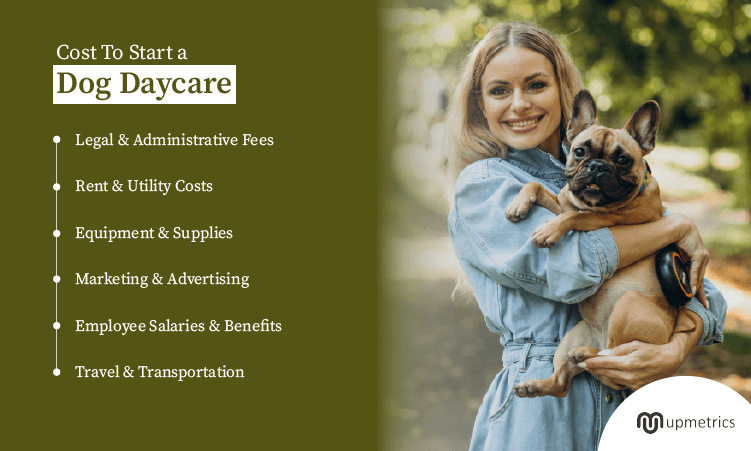
Image Source: static-web.upmetrics.co
Fathoming the Initial Investment for Dog Daycare
The initial investment for dog daycare is a significant hurdle for many aspiring entrepreneurs. It encompasses a wide array of costs, from securing a suitable space to purchasing essential equipment and covering initial operational needs. Think of it as building your doggy haven from the ground up.
Property and Leasehold Improvements
The first major cost is your physical space. You have two main options:
-
Leasing: This is often more budget-friendly upfront. You’ll need to consider:
- Security Deposit and First/Last Month’s Rent: This can range from a few thousand to tens of thousands of dollars, depending on your location and the size of the space.
- Leasehold Improvements: You’ll likely need to adapt the space to be dog-friendly and safe. This could include:
- Flooring: Durable, non-porous, and easy-to-clean materials like epoxy or specialized rubber flooring are essential. Budget anywhere from $2,000 to $10,000 or more depending on the square footage.
- Fencing/Containment: Secure, high-quality fencing is crucial for play areas. This can cost $1,000 to $5,000.
- Ventilation and HVAC: Proper air circulation is vital for health and odor control. Upgrading existing systems or installing new ones can be a significant expense, potentially $3,000 to $15,000.
- Water and Drainage: Easy access to water and adequate drainage in play and cleaning areas are important. Plumbing modifications could add $1,000 to $5,000.
- Soundproofing: To minimize noise complaints and create a calmer environment, soundproofing materials can add $1,000 to $7,000.
- Interior Walls/Layout: Creating separate play areas for different dog sizes or temperaments might require building new walls or modifying existing ones. This can add $2,000 to $8,000.
-
Buying Property: This is a much larger upfront investment but offers long-term asset ownership and control.
- Down Payment: This will be a substantial percentage of the property’s value.
- Mortgage Payments: Ongoing monthly costs.
- Property Taxes and Insurance: Annual expenses.
- Renovations: Similar to leasehold improvements, but you have more freedom to make changes.
Licensing, Permits, and Legal Fees
Before you can open your doors, you’ll need to navigate the regulatory landscape.
- Business Licenses: State, county, and city business licenses are required. Costs vary, typically $50 to $300.
- Zoning Permits: Ensuring your chosen location is zoned for a pet care business is critical. This can involve application fees and potential legal consultation.
- Health and Safety Permits: Inspections and permits related to sanitation and animal welfare are common.
- Legal Fees: For business formation, lease review, and contract drafting (e.g., client service agreements). Budget $500 to $2,500.
Essential Dog Daycare Equipment Costs
The right equipment ensures safety, comfort, and efficiency.
- Kennels and Crates: For nap times, separation of dogs, or if boarding is offered. Prices range from $50 to $500 per unit.
- Play Equipment: Tunnels, ramps, agility equipment, and durable toys are crucial for enrichment. Budget $500 to $3,000 for a good selection.
- Cleaning Supplies and Equipment: Industrial-grade disinfectants, mops, buckets, vacuum cleaners, and possibly a carpet cleaner. This initial stock might cost $300 to $1,000.
- Grooming Supplies (Optional): If offering grooming services, you’ll need tubs, brushes, dryers, and shampoos. This can add $500 to $2,000+.
- First-Aid Supplies: A comprehensive pet first-aid kit is non-negotiable. Cost: $50 to $150.
- Office Equipment: Desks, chairs, computers, printers, phones, and a reliable point-of-sale (POS) system. Budget $1,000 to $4,000.
- Security System: Cameras and alarm systems for safety and liability. Costs can range from $500 to $3,000.
Dog Daycare Insurance Costs
Protecting your business from unforeseen events is paramount.
- General Liability Insurance: Covers third-party bodily injury or property damage.
- Professional Liability Insurance (or Animal Bailee Insurance): Covers negligence or errors in providing your services.
- Workers’ Compensation Insurance: Required if you have employees.
- Property Insurance: Covers damage to your building and contents.
Dog daycare insurance costs can be significant, typically ranging from $1,000 to $5,000 or more annually, depending on coverage levels, location, and services offered. It’s crucial to get multiple quotes from insurers experienced with pet businesses.
Operating Your Dog Daycare: Ongoing Dog Daycare Business Costs
Once you’re up and running, you’ll face recurring dog daycare operational costs. These need careful budgeting to ensure profitability.
Staffing and Payroll
Dog daycare staffing costs are often the largest ongoing expense.
- Wages: Depending on your location and the experience of your staff (e.g., daycare attendants, supervisors, cleaners), hourly rates can vary significantly.
- Payroll Taxes: Employer contributions for social security, Medicare, and unemployment.
- Benefits: Health insurance, paid time off, and other benefits can increase labor costs but are important for attracting and retaining good staff.
A good rule of thumb is that total labor costs (wages, taxes, benefits) can be 1.5 to 2 times the gross wages paid.
Utilities
- Electricity: For lighting, HVAC, computers, and equipment.
- Water: For cleaning, drinking, and outdoor play areas.
- Gas/Heating: For warmth during colder months.
- Internet and Phone: Essential for communication and operations.
These costs will fluctuate based on usage, climate, and the size of your facility. Budget several hundred to a few thousand dollars per month.
Supplies and Inventory
- Cleaning Supplies: Continued replenishment of disinfectants, paper towels, trash bags, etc.
- Dog Supplies: Poop bags, treats (if permitted and provided), and occasional replacement toys.
- Office Supplies: Paper, ink cartridges, pens, etc.
Marketing and Advertising
A strong dog daycare marketing budget is vital for attracting clients.
- Website Development and Maintenance: A professional website is your digital storefront.
- Online Advertising: Google Ads, social media ads (Facebook, Instagram).
- Local SEO: Optimizing your online presence for local searches.
- Print Materials: Flyers, business cards, brochures.
- Community Outreach: Sponsoring local pet events, partnering with veterinarians and pet stores.
- Loyalty Programs and Promotions: Encouraging repeat business.
Your dog daycare marketing budget could start at a few hundred dollars per month and increase as you grow.
Rent/Mortgage and Property Expenses
If leasing, this is your monthly rent. If you own, it’s your mortgage payment, property taxes, and maintenance.
Software and Technology
- Booking and CRM Software: For managing client information, bookings, and payments.
- Accounting Software: For tracking finances.
Maintenance and Repairs
Unexpected wear and tear on flooring, equipment, or the building itself will require budget allocation for repairs.
Pricing a Dog Daycare Business
Pricing a dog daycare business requires a balance between covering your costs, being competitive, and offering value to your customers.
Factors Influencing Pricing
- Location: High cost-of-living areas often support higher prices.
- Services Offered: Basic daycare versus daycare with added grooming, training, or specialized activities.
- Facility Size and Amenities: A larger, well-equipped facility can command higher rates.
- Staff-to-Dog Ratio: Lower ratios often indicate higher quality care and can justify premium pricing.
- Competitor Pricing: Research what other daycares in your area are charging.
Common Pricing Models
- Half-Day Rates: Typically 4-6 hours of care.
- Full-Day Rates: 6+ hours of care.
- Package Deals: Discounts for purchasing multiple days or weeks of care upfront.
- Monthly Memberships: Offering unlimited or a set number of days per month for a recurring fee.
- Add-On Services: Fees for grooming, training sessions, special treats, or premium playtimes.
Example Pricing Structure (Illustrative):
| Service | Price |
|---|---|
| Half-Day Care | $30 – $45 |
| Full-Day Care | $45 – $65 |
| 5-Day Package | $200 – $280 |
| 10-Day Package | $380 – $520 |
| Monthly Unlimited | $450 – $600 |
| Grooming (Bath) | $40 – $80 |
| Add-On Training | $25 – $40 |
Note: These are rough estimates. Always conduct thorough market research.
Dog Daycare Franchise Costs
Choosing a dog daycare franchise can offer a proven business model, brand recognition, and operational support. However, it comes with its own set of costs.
Franchise Fees
- Initial Franchise Fee: This is a one-time payment to the franchisor for the right to use their brand and system. This can range from $20,000 to $75,000+.
- Royalty Fees: A percentage of your gross revenue paid to the franchisor, typically 5-10%.
- Marketing/Advertising Fees: Contributions to a national or regional marketing fund, often 1-3% of gross revenue.
Other Franchise-Related Costs
- Territory Fees: Sometimes associated with securing an exclusive operating area.
- Training Fees: For initial and ongoing training programs.
- Startup Assistance Fees: For help with site selection, build-out, and grand opening.
The total dog daycare franchise costs can vary widely, but expect the initial investment to be at least $50,000 and potentially over $200,000, depending on the brand and territory.
Financial Projections and Working Capital
Beyond the initial setup and ongoing costs, it’s crucial to have sufficient working capital. This is the money you need to cover expenses until your business becomes profitable.
- Cash Reserve: Aim to have at least 3-6 months of operating expenses in reserve. This will cushion you during slower periods or unexpected events.
- Contingency Fund: An additional buffer for unforeseen costs.
Sample Startup Budget Breakdown (Illustrative)
This is a hypothetical breakdown for a small to medium-sized dog daycare. Actual costs will vary greatly.
| Category | Estimated Cost Range | Notes |
|---|---|---|
| Property/Leasehold Imp. | $20,000 – $75,000 | Includes deposits, renovations, flooring, fencing. |
| Licensing & Legal Fees | $1,000 – $3,000 | Permits, business registration, lawyer fees. |
| Equipment (Initial) | $3,000 – $10,000 | Kennels, toys, cleaning, office supplies, POS system. |
| Insurance (Initial Premium) | $1,000 – $3,000 | First year’s insurance coverage. |
| Initial Marketing/Branding | $1,000 – $5,000 | Website, signage, initial ad campaigns. |
| Initial Inventory | $500 – $1,500 | Cleaning supplies, minor dog supplies. |
| Working Capital (3-6 mo.) | $15,000 – $50,000+ | To cover payroll, rent, utilities before profitability. |
| Contingency Fund | $5,000 – $15,000 | For unexpected expenses. |
| TOTAL ESTIMATED STARTUP | $46,500 – $162,500+ | This is a broad range. |
Frequently Asked Questions (FAQ)
Q1: What is the most significant startup cost for a dog daycare?
A1: Typically, the most significant dog daycare startup expenses are related to securing and renovating the physical space, including leasehold improvements, specialized flooring, and adequate containment systems.
Q2: Can I start a dog daycare with limited funds?
A2: It is possible, but challenging. Starting smaller, perhaps with a home-based operation if local zoning allows, or offering limited services initially, can reduce the initial investment for dog daycare. However, professional insurance and safety measures are still critical and have associated costs.
Q3: How much does dog daycare insurance cost annually?
A3: Dog daycare insurance costs can range from $1,000 to $5,000 or more per year, depending on the level of coverage, the services offered, the number of employees, and the business’s location.
Q4: What are the typical dog daycare operational costs?
A4: Key dog daycare operational costs include staffing and payroll, utilities, rent or mortgage, ongoing supplies, insurance premiums, marketing, and maintenance.
Q5: Is starting a dog daycare franchise more expensive than starting independently?
A5: Generally, yes. While dog daycare franchise costs include franchise fees and royalties, they often provide a faster path to market with established branding and support, which can offset some of the higher upfront expenses for certain entrepreneurs.
Q6: How do I determine the right pricing for my dog daycare services?
A6: Pricing a dog daycare business involves researching local competitor rates, calculating your overhead and desired profit margins, and considering the value of your services, facility, and staff expertise. Offering packages and memberships can also attract consistent business.
Starting a dog daycare is a significant undertaking, but with thorough planning and a clear grasp of the financial requirements, you can build a successful and fulfilling business.