
What’s the typical price for a hot dog? The price of a hot dog can range from as little as $1 to over $15, depending on where you buy it, the type of dog, and any toppings or special preparations.
Hot dogs are a beloved American staple. From backyard barbecues to bustling city streets, these simple yet satisfying meals are everywhere. But have you ever stopped to wonder why one hot dog might cost a dollar while another from a fancy restaurant rings up at ten times that price? Let’s dive deep into the world of hot dog pricing and explore all the factors that influence the cost of this iconic food. We’ll be looking at everything from the basic cost of hot dogs to the premium prices you might find at a gourmet eatery.
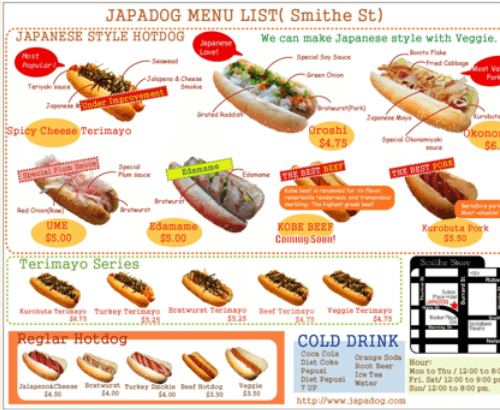
Image Source: learnhotdogs.com
Deciphering Hot Dog Prices: Factors at Play
Many things affect hot dog prices. It’s not just about the sausage itself. Think about it: a hot dog from a cart on a busy corner will likely have a different price than one served on a plate in a sit-down restaurant. We’ll break down the main influences.
The Sausage Itself: Quality Matters
The core of any hot dog is, well, the hot dog. The type and quality of the meat used play a huge role.
- Basic Hot Dogs: These are often made with a blend of pork, beef, and sometimes chicken or turkey. They are typically more affordable to produce.
- All-Beef Hot Dogs: Made with only beef, these tend to be pricier due to the higher cost of beef.
- Specialty Sausages: Think bratwurst, Italian sausage dogs, or even plant-based alternatives. These often come with a higher price tag due to specialized ingredients and production methods.
- Brand Names: Well-known brands might command slightly higher prices due to brand recognition and perceived quality.
The Bun: More Than Just a Carrier
Don’t underestimate the humble hot dog bun! The type and quality of the bun can also affect the overall price.
- Standard White Buns: These are the most common and cost-effective.
- Brioche Buns: Softer, richer, and often slightly sweeter, brioche buns add a touch of elegance and a higher cost.
- Artisan Buns: Some vendors might offer specialty buns, perhaps whole wheat, seeded, or even gluten-free options, which can increase the price.
Toppings and Condiments: The Personal Touch
This is where customization really impacts the final bill. While basic mustard and ketchup are usually freebies or included, more elaborate toppings can add up.
- Standard Toppings: Relish, onions, sauerkraut, mustard, ketchup. These are typically included or cost very little extra.
- Premium Toppings: Chili, cheese sauce, nacho cheese, jalapeños, bacon bits, coleslaw, caramelized onions, specialty peppers, avocado. Each of these can add anywhere from $0.50 to $3 or more to the price of a single hot dog.
- Gourmet Toppings: Think truffle aioli, artisanal cheeses, or unique house-made relishes. These can significantly elevate both the flavor and the price.
Where You Buy It: Location, Location, Location
The venue you choose for your hot dog fix is a massive determinant of the price. Different settings have different overheads and target audiences.
Street Food Hot Dog Prices
Street food hot dog prices are generally among the most accessible. These vendors often operate from carts or small trucks, keeping their overhead relatively low.
- Typical Price Range: $2 – $6 for a basic hot dog.
- Factors: High foot traffic locations, lower operating costs compared to brick-and-mortar establishments, often focus on quick service.
- Examples: Hot dog carts in city centers, at parks, or near event venues.
Ballpark Hot Dog Cost
Attending a sporting event often comes with a premium for classic stadium food. The ballpark hot dog cost is notorious for being higher.
- Typical Price Range: $5 – $10 for a basic hot dog, often more with added toppings.
- Factors: High overhead costs for stadiums (rent, utilities, staffing), captive audience, convenience of having food readily available during the game, often include slightly better quality buns or dogs than street carts.
- Examples: Hot dogs purchased at baseball, football, or soccer games.
Hot Dog Vendor Prices (General)
This broad category encompasses various types of vendors beyond just street carts. It can include food trucks, temporary stands at festivals, or even small kiosks.
- Typical Price Range: $3 – $7 for a standard hot dog.
- Factors: Varying overhead depending on the vendor’s setup, type of event, and the market they serve. Food trucks might have higher initial investment but can offer more variety.
Convenience Store Hot Dog Price
For a quick bite on the go, convenience stores offer a readily available option, though quality can vary.
- Typical Price Range: $1.50 – $4 for a basic hot dog, often part of a combo deal.
- Factors: Focus on speed and convenience, lower ingredient costs for mass-produced dogs, limited customization options.
- Examples: 7-Eleven, Wawa, Circle K roller grill hot dogs.
Restaurant Hot Dog Cost
When hot dogs move into sit-down restaurants, the pricing structure changes significantly.
- Typical Price Range: $7 – $15 for a hot dog, with potential for higher prices for gourmet or specialty versions.
- Factors: Higher labor costs, rent for prime restaurant locations, ambiance and service, higher quality ingredients, creative preparation, and presentation.
- Examples: Gastropubs, diners, American-style restaurants featuring hot dogs on their menu.
Gourmet Hot Dog Prices
This is where the humble hot dog gets a serious upgrade. Gourmet hot dog prices reflect the use of premium ingredients, unique flavor combinations, and often artisanal preparation.
- Typical Price Range: $10 – $20+ for a single hot dog.
- Factors: High-quality, specialty sausages (e.g., Wagyu beef, duck, or lamb), artisanal buns, unique house-made condiments, exotic toppings, professional chef preparation, and sometimes even wine or craft beer pairings.
- Examples: High-end restaurants, specialty food trucks focused on elevated street food, or events featuring culinary innovation.
Exploring the Cost of Hot Dogs: What You’re Really Paying For
Let’s break down the actual cost of hot dogs from a business perspective to see why prices vary so much.
Ingredient Costs
This is the most direct cost.
- Sausage: Prices can range from $0.50 per hot dog for bulk, lower-quality options to $3+ for premium artisanal sausages.
- Buns: Standard buns might cost $0.10 – $0.25 each, while gourmet buns could be $0.50 – $1.50.
- Toppings & Condiments: While basic condiments are cheap, ingredients like avocado, specialty cheeses, or premium chili can add significant cost per serving.
Labor Costs
Someone has to cook, serve, and clean up. This is a major expense, especially in restaurants and at busy events.
Overhead Costs
This includes:
- Rent/Location Fees: Prime locations are expensive.
- Utilities: Gas for cooking, electricity for refrigeration and lighting.
- Equipment: Carts, grills, fryers, refrigerators, POS systems.
- Permits & Licenses: Especially for street vendors.
- Marketing & Branding: For established businesses.
Profit Margin
Every business needs to make a profit to survive and grow. The profit margin can vary widely. Street vendors might aim for a 50-100% markup, while restaurants with higher overheads might need a 200-300% markup or more on their food items.
A Comparative Look at Hot Dog Prices
To give you a clearer picture, let’s look at some hypothetical price breakdowns for different scenarios.
Table: Typical Hot Dog Price Breakdown
| Venue Type | Average Hot Dog Price | Sausage Cost (Est.) | Bun Cost (Est.) | Toppings/Condiments (Est.) | Labor/Overhead/Profit (Est.) |
|---|---|---|---|---|---|
| Street Cart | $3.00 | $0.75 | $0.20 | $0.30 | $1.75 |
| Ballpark | $7.00 | $1.00 | $0.30 | $1.20 | $4.50 |
| Convenience Store | $2.50 | $0.60 | $0.15 | $0.25 | $1.50 |
| Casual Restaurant | $9.00 | $1.25 | $0.40 | $1.35 | $6.00 |
| Gourmet Hot Dog Stand | $12.00 | $2.50 | $0.60 | $2.90 | $6.00 |
Note: These are estimated costs and can vary significantly.
Special Considerations for Hot Dog Pricing
Beyond the basics, some other factors can influence what you pay.
Seasonal and Event Pricing
During major holidays, festivals, or specific sporting events, prices for all food items, including hot dogs, can sometimes be slightly inflated due to increased demand.
Combo Deals and Promotions
Many vendors offer combo deals, where a hot dog, fries, and a drink are bundled together at a slightly reduced price compared to buying each item separately. These promotions are great for value.
Regional Differences
Hot dog prices can also vary by region within a country. In cities with a higher cost of living, you’ll generally find higher prices for food across the board, including hot dogs.
The Value Proposition: What Makes a Hot Dog Worth the Price?
So, when is a $15 hot dog a good deal? It comes down to value.
- Quality of Ingredients: If it’s a premium sausage made with high-quality meat and unique spices, it’s likely worth more.
- Creativity and Flavor Profile: A chef-designed hot dog with a complex, delicious topping combination can justify a higher price.
- Experience: Dining in a nice restaurant, enjoying a meal at a vibrant festival, or having a perfectly prepared hot dog at a ballpark is part of the experience, and you’re paying for that too.
- Convenience: Sometimes, you just need a quick, easy meal, and a convenience store hot dog is perfect for that, even if it’s not the highest quality.
Frequently Asked Questions About Hot Dog Pricing
Here are some common questions people have about how much hot dogs cost.
FAQ: Your Hot Dog Price Questions Answered
-
What is the cheapest place to buy a hot dog?
Generally, convenience stores and some very basic street carts offer the lowest prices for a standard hot dog. -
Can I expect to pay more for an all-beef hot dog?
Yes, all-beef hot dogs are typically more expensive than those made with a blend of meats due to the higher cost of beef. -
How much does a hot dog usually cost at a baseball game?
Ballpark hot dogs commonly range from $5 to $10, with prices often exceeding $10 for specialty dogs or those with premium toppings. -
Are gourmet hot dogs worth the extra cost?
This is subjective. If you appreciate high-quality ingredients, unique flavors, and expert preparation, then gourmet hot dogs can offer a superior culinary experience and be worth the higher price. -
What affects the cost of a hot dog from a hot dog stand?
The location of the stand, the quality of the sausage and bun, the variety and cost of toppings offered, and the vendor’s operational expenses and profit goals all influence the prices at a hot dog stand. -
Why are restaurant hot dogs more expensive than street food hot dogs?
Restaurants have higher overhead costs (rent, staff, utilities, ambiance) and often use higher-quality ingredients and more elaborate preparations, which contribute to higher pricing. -
How much does a street food hot dog price differ from a convenience store hot dog price?
Street food hot dogs can be slightly more expensive than convenience store hot dogs, as street vendors may focus on slightly better quality ingredients and are often located in higher-traffic, premium locations, which translates to higher operating costs and pricing. -
What’s the average hot dog price I can expect in a typical American city?
The average hot dog price across various venues in a typical American city can range from $3 to $7 for a standard hot dog, but this is highly variable based on the specific location and type of establishment.
In conclusion, the next time you grab a hot dog, take a moment to appreciate the journey that hot dog has taken and all the factors that contribute to its price tag. From the farm to your hand, each step adds a little bit to that delicious final cost. Whether you’re a budget-conscious buyer or a gourmet enthusiast, there’s a hot dog out there for every taste and every wallet.