
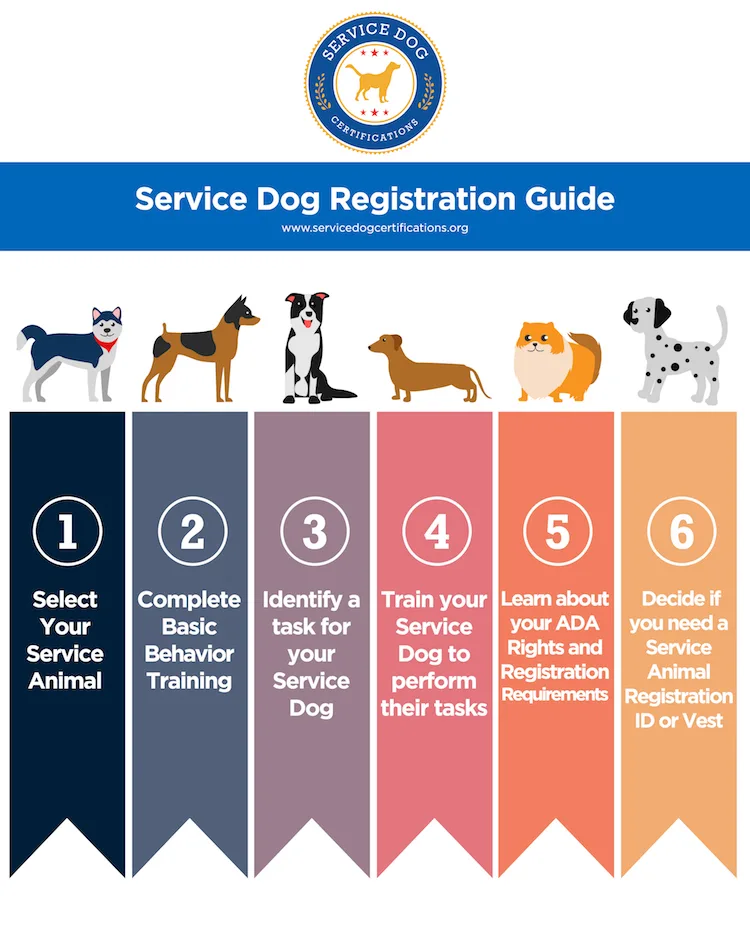
Image Source: www.servicedogcertifications.org
Dog Registration: How Much Is It?
How much is it to register a dog? The cost to register a dog varies significantly based on your location, breed, whether the dog is spayed/neutered, and sometimes even the number of dogs you own. Generally, expect to pay anywhere from $10 to $50 annually for a basic dog license.
Registering your dog is more than just a bureaucratic step; it’s a crucial part of responsible pet ownership. It helps ensure your furry friend can be identified if lost, supports animal welfare services, and sometimes even contributes to public health initiatives like rabies control. But the question on many pet parents’ minds is, “How much does it cost?” The answer isn’t a simple one-size-fits-all figure.
Decoding the Dog License Cost
The dog license cost is a localized matter. Each city, town, or county sets its own fees and regulations. This means that registering your dog in one neighborhood might cost considerably more or less than in a neighboring one. Understanding these local variations is the first step in preparing for this expense.
Factors Influencing Pet Registration Fees
Several factors contribute to the overall pet registration fees:
- Location: As mentioned, your specific municipality is the biggest determinant of the cost. Urban areas might have higher fees than rural ones, but this isn’t a strict rule.
- Spay/Neuter Status: Most places offer a discounted rate for dogs that have been spayed or neutered. This is a common incentive to help control pet overpopulation.
- Breed or Size: While less common, some areas might have tiered pricing based on dog size or breed, though this is rare for basic registration.
- Number of Dogs: If you’re a multi-dog household, some jurisdictions might offer a slight discount for additional pets, while others might charge a higher fee for each additional animal.
- Lifetime Registration: Some places offer a one-time lifetime registration fee, which can be more economical in the long run, though the upfront cost is higher.
The Annual Dog Registration Fee: What to Expect
The annual dog registration fee is the recurring cost associated with keeping your dog legally registered. This fee typically covers the cost of the license tag and supports local animal control services.
Typical Fee Ranges
While it’s impossible to give exact figures for every location, here’s a general idea of what you might expect for the annual dog registration fee:
- Basic Registration (Spayed/Neutered): $10 – $25
- Basic Registration (Intact): $20 – $50 (or more)
- Senior Citizen Discounts: Some areas offer reduced fees for seniors registering their pets.
- Service Animals: In many places, registered service animals are exempt from fees.
It’s essential to check with your local government animal control agency or city hall for the precise figures in your area.
Puppy Registration Cost: An Early Investment
When you bring a new puppy home, you might be wondering about the puppy registration cost. The good news is that the initial registration fee for a puppy is usually the same as for an adult dog. The key difference is that puppies will need their rabies vaccinations before they can be registered.
Getting Your Puppy Licensed
The process for licensing a puppy typically involves:
- Rabies Vaccination: Your puppy must be vaccinated against rabies by a licensed veterinarian.
- Veterinarian Certificate: You’ll need proof of rabies vaccination, usually a certificate from your vet.
- Proof of Spay/Neuter (if applicable): If you’re claiming a lower fee for a spayed or neutered pet, you’ll need documentation from your vet.
- Application: Completing the registration application form provided by your local animal control or licensing authority.
- Payment: Paying the required pet licensing fees.
It’s usually recommended to register your puppy within 30 to 60 days of turning a certain age (often 3 or 4 months) or within a specific timeframe after adoption.
Renewing Your Dog License: Staying Compliant
Renewing your dog license is a routine task that keeps your pet legal and identifiable. Most dog licenses are valid for one year, though some municipalities offer multi-year licenses.
The Renewal Process
The renewal process is typically straightforward:
- Notification: Most authorities will send you a reminder notice when your dog’s license is due for renewal, often by mail or email.
- Updated Vaccination Records: If your dog’s rabies vaccination has expired, you’ll need to provide updated proof of vaccination.
- Fee Payment: Pay the renewal fee, which is generally the same as the initial registration fee.
- New Tag: Upon renewal, you’ll typically receive a new license tag for the current year.
Losing your tag doesn’t usually mean paying the full registration fee again. There’s often a small fee for a replacement dog tag cost.
Local Dog Registration: Your Primary Point of Contact
Your local dog registration authority is your go-to source for all information regarding pet licensing. This is usually your city or county animal control department, or sometimes the clerk’s office.
Where to Find Your Local Authority
- City or County Website: Search for “animal control,” “licensing,” or “pet registration” on your local government’s official website.
- Veterinarian’s Office: Your vet can often provide information on local registration requirements.
- Local Pet Stores: Sometimes pet stores have flyers or information from local animal services.
Animal Registration Requirements: What You’ll Need
The animal registration requirements are generally consistent across most jurisdictions, though specifics can vary.
Essential Documentation and Information
To successfully register your dog, you will typically need:
- Proof of Rabies Vaccination: A current vaccination certificate signed by a veterinarian. This is non-negotiable.
- Proof of Spay/Neuter: A certificate or statement from your veterinarian if you are applying for a reduced fee.
- Owner’s Contact Information: Your name, address, and phone number.
- Dog’s Information: Breed, color, sex, age, and name.
- Microchip Information (Optional but Recommended): While not always required for licensing, having your dog microchipped is highly recommended.
Pet Licensing Fees: A Breakdown
The term pet licensing fees is a broad umbrella that covers the costs associated with legally identifying your pet.
Comparing Different Fee Structures
| Fee Type | Typical Cost Range | Notes |
|---|---|---|
| Annual License | $10 – $50 | Most common; renewed yearly. |
| Spayed/Neutered | $5 – $20 | Discounted rate for altered pets. |
| Unspayed/Unneutered | $20 – $50+ | Higher fee for intact pets. |
| Multi-Year License | $30 – $100+ | Valid for 2-3 years; upfront cost can be higher. |
| Replacement Tag | $2 – $10 | Fee for a lost or damaged license tag. |
| Late Fee | $5 – $25+ | Applied if you miss the renewal deadline. |
Municipality Dog Permit: Another Term for Registration
In some areas, you might encounter the term municipality dog permit. This is essentially the same thing as a dog license. The name might differ depending on the local government’s terminology.
What a Municipality Dog Permit Entails
A municipality dog permit will involve the same requirements:
- Proof of rabies vaccination.
- Information about your dog.
- Payment of the established fee.
The purpose remains the same: to identify your dog, ensure it’s vaccinated, and aid in its return if it gets lost.
Why is Dog Registration Important?
Beyond the cost, let’s delve into the significant reasons why registering your dog is a vital practice:
- Public Safety and Health: Rabies vaccination is a mandatory part of dog licensing. This helps prevent the spread of rabies, a dangerous disease, among pets and humans. It ensures your dog is protected and contributes to community health.
- Lost Pet Recovery: The license tag on your dog’s collar is a quick and easy way for anyone who finds a lost dog to identify its owner. The tag will have a unique license number that, when checked against the registry, provides your contact information. This dramatically increases the chances of a happy reunion.
- Supporting Animal Shelters and Services: The fees collected from dog licensing often go directly towards funding local animal shelters, animal control services, and humane societies. These funds help provide care for stray, abandoned, or abused animals, support adoption programs, and enforce animal welfare laws.
- Legal Compliance: In most areas, it is a legal requirement to register your dog. Failing to do so can result in fines or penalties.
- Community Planning: Registration data can help municipalities understand pet populations, which aids in planning for animal-related services, park facilities, and public awareness campaigns.
Navigating the Registration Process: A Step-by-Step Guide
Let’s outline the typical steps involved in registering your dog for the first time:
- Confirm Rabies Vaccination Status: Ensure your dog’s rabies vaccination is up-to-date. If it’s due or your dog is new, schedule an appointment with your veterinarian. Obtain the official rabies certificate.
- Determine Spay/Neuter Status: If your dog has been spayed or neutered and you plan to claim the reduced fee, have your veterinarian provide documentation (a certificate or note on letterhead).
- Locate Your Local Licensing Authority: Visit your city or county government website or contact your local animal control agency to find out where and how to register.
- Obtain a Registration Form: You can usually download this from the authority’s website or pick one up in person.
- Complete the Application: Fill out the form accurately with your contact information, your dog’s details (name, breed, color, age, sex), and proof of vaccination.
- Submit the Application and Required Documents: You may be able to submit your application online, by mail, or in person. Make sure to include copies of your dog’s rabies certificate and spay/neuter documentation if applicable.
- Pay the Registration Fee: Submit the correct payment according to the accepted methods (cash, check, credit card).
- Receive Your License Tag: Once your registration is processed, you will receive a license tag with a unique identification number. Attach this tag securely to your dog’s collar.
Frequently Asked Questions (FAQ)
-
Q1: Do I have to register my dog every year?
A1: Most dog licenses are annual, meaning you need to renew them each year. Some municipalities offer multi-year licenses, which can be a convenient option. Always check with your local authority for their specific renewal policies. -
Q2: What if I move to a new town or state?
A2: If you move to a new municipality or state, you will need to register your dog according to their local laws and requirements. The registration from your previous location will not be valid. -
Q3: Can I register my dog online?
A3: Many jurisdictions now offer online registration and renewal services, which is a convenient way to complete the process. Check your local animal control or city government website to see if this option is available. -
Q4: What happens if my dog loses its license tag?
A4: If your dog loses its license tag, you should contact your local licensing authority. There is usually a small fee to get a replacement tag. It’s important to get a replacement tag promptly to ensure your dog is properly identified. -
Q5: Are there exemptions from dog registration fees?
A5: Yes, in many areas, registered service animals are exempt from dog registration fees. Some municipalities may also offer exemptions or reduced fees for licensed breeders, kennels, or possibly for very elderly dog owners. It’s best to inquire with your local authority. -
Q6: Does my dog need to be microchipped to be registered?
A6: Microchipping is not typically a requirement for dog registration itself, but it is highly recommended for permanent identification. Many shelters and vets scan for microchips when a lost pet is found, and linking your microchip information to your dog’s license can improve recovery chances. -
Q7: What if my dog is a puppy? When do I need to register it?
A7: You generally need to register your puppy shortly after it receives its first rabies vaccination, which is typically around 3-4 months of age. Most places require registration within 30-60 days of the vaccination or adoption. Always check your local rules for specific age or timeframe requirements. -
Q8: Is the registration fee the same for all dog breeds?
A8: For the most part, the dog license cost is not breed-specific. The primary factors influencing the fee are whether the dog is spayed/neutered and your residency within the municipality. However, very rarely, some specific regulations might exist, so it’s always good to verify with your local animal control. -
Q9: Can I register a dog that is not my own?
A9: Typically, the owner of the dog is responsible for registering it. You would need to provide your contact information and be the legal owner or guardian of the dog. -
Q10: What are the consequences of not registering my dog?
A10: Not registering your dog can lead to fines or penalties if caught by animal control officers. More importantly, it means your dog won’t have an official identification tag, significantly reducing the chances of a swift reunion if it ever gets lost. It also means you might not be complying with mandatory rabies vaccination laws.