
So, you’ve been bitten by a dog. How much money can you get? The answer varies, but you can potentially receive compensation for medical bills, lost wages, pain and suffering, and more. This article will guide you through the factors that determine your payout and how to maximize your claim value.
When you’re dealing with the aftermath of a dog bite, the financial implications can be significant. From immediate medical care to long-term recovery, the costs can add up quickly. Understanding how to approach a dog bite claim is crucial to ensuring you receive fair compensation for your injuries. This guide will delve into the specifics of dog bite settlement amounts, the process of claiming dog attack compensation, and what influences the average payout dog bite lawsuit.
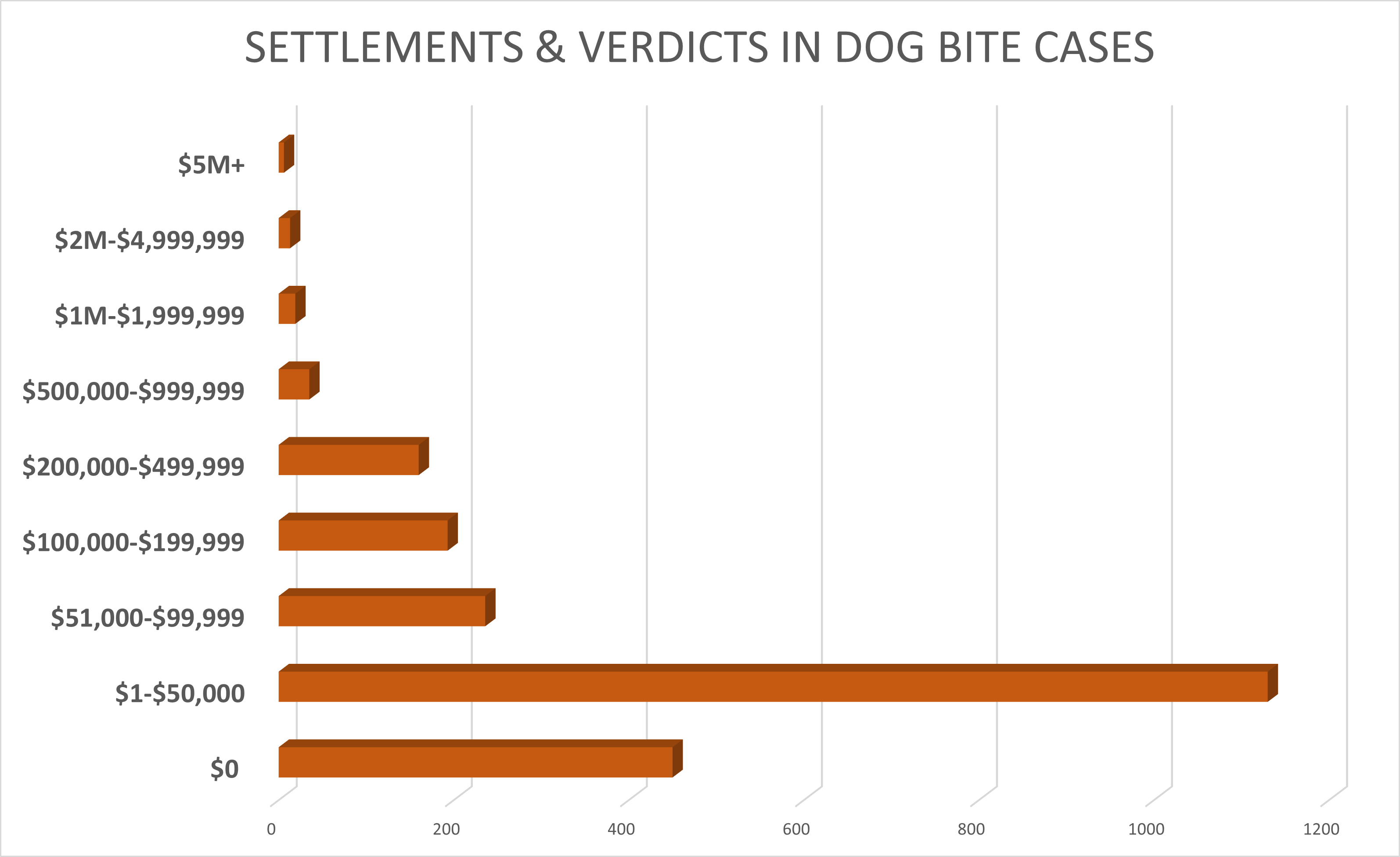
Image Source: www.lawsuit-information-center.com
Figuring Out Your Dog Bite Injury Claim Value
The worth of your dog bite injury claim value is not a simple number; it’s a sum of many parts. Several key elements contribute to the overall value of your case. These include the severity of your injuries, the necessity of medical treatment, and how the bite has impacted your life.
The Impact of Injury Severity
The more severe your injuries, the higher your potential compensation. Minor nips might result in minimal medical expenses and short recovery times. However, deep lacerations, broken bones, or nerve damage can lead to extensive medical treatment, physical therapy, and even permanent scarring or disability. These severe injuries naturally increase the claim value.
Medical Expenses: Past, Present, and Future
A significant portion of any dog bite claim is the dog bite medical expenses. This covers everything from the initial emergency room visit and stitches to ongoing care like physical therapy, specialist consultations, prescription medications, and any necessary surgeries.
- Immediate Treatment: This includes emergency care, wound cleaning, stitches, and pain management.
- Follow-Up Care: Doctor’s appointments, physical therapy sessions, and specialized treatments.
- Future Medical Needs: If the injury requires ongoing care, future surgeries, or long-term rehabilitation, these costs will be factored into your claim. Documenting all medical expenses is vital. Keep every bill, receipt, and invoice.
Lost Wages and Earning Capacity
If your injuries prevent you from working, you can claim compensation for lost wages. This includes income lost from the time of the bite until you can return to work. If your injuries permanently affect your ability to earn a living, you may also be able to claim for diminished earning capacity.
Pain and Suffering
This is often a substantial component of a dog bite legal settlements. Dog bite pain and suffering accounts for the physical pain, emotional distress, and mental anguish you experienced due to the attack. This can include:
- Physical Pain: The immediate pain of the bite, pain during treatment, and chronic pain.
- Emotional Distress: Fear, anxiety, PTSD, depression, and sleep disturbances resulting from the trauma.
- Loss of Enjoyment of Life: Inability to participate in hobbies, social activities, or daily routines that you once enjoyed.
Other Compensable Damages
Beyond medical bills and lost wages, other damages can be claimed:
- Scarring and Disfigurement: Compensation for permanent scars or disfigurement that affects your appearance.
- Rehabilitation Costs: Expenses related to physical therapy, occupational therapy, or psychological counseling.
- Out-of-Pocket Expenses: Costs incurred for transportation to medical appointments, necessary medical equipment, or even changes to your home to accommodate injuries.
Calculating Dog Bite Compensation: The Process
How to calculate dog bite compensation involves gathering evidence and evaluating the various categories of damages. While there’s no exact dog bite damages calculator that works for every case, legal professionals use established methods to estimate the value.
The Role of Documentation
Thorough documentation is the backbone of any successful dog bite claim. Without proper records, it’s challenging to prove the extent of your damages.
Essential Documents to Collect:
- Police or Animal Control Reports: Official records of the incident.
- Medical Records and Bills: All documentation related to your treatment.
- Photos and Videos: Pictures of the bite, the dog, the scene, and your injuries at various stages of healing.
- Witness Statements: Contact information and statements from anyone who saw the attack.
- Proof of Lost Wages: Pay stubs, employer letters, or tax returns.
- Correspondence: Any communication with the dog owner or their insurance company.
Estimating Pain and Suffering
Quantifying dog bite pain and suffering is subjective but often follows certain guidelines. Lawyers may use a multiplier method, where they multiply the total of economic damages (medical bills, lost wages) by a factor (typically between 1.5 and 5, depending on severity) to arrive at a pain and suffering estimate. Alternatively, a per diem method can be used, assigning a daily rate for the pain experienced.
Determining Liability
Who is responsible for the dog bite is a critical factor. In most jurisdictions, dog owners are responsible for their pets’ actions. However, some states have “one-bite rules” where the owner may only be liable if they knew or should have known the dog had a propensity to bite. Other states have strict liability laws, meaning the owner is liable regardless of prior knowledge.
- Owner Negligence: Failing to restrain the dog, allowing it to roam freely, or not controlling a known aggressive animal.
- Premises Liability: If the bite occurred on a property, the property owner might also bear some responsibility, especially if they failed to warn visitors about a dangerous animal.
- Leash Laws: Violations of local leash laws can strengthen a claim against the owner.
Factors Influencing Dog Bite Settlement Amounts
The final dog bite settlement amounts are not predetermined. They are the result of negotiation and, sometimes, litigation, influenced by several factors.
Insurance Policy Limits
The dog owner’s homeowner’s insurance policy often covers dog bite incidents. The coverage limit of this policy can significantly impact the maximum payout available. If your damages exceed the policy limit, you might need to pursue the owner’s personal assets, which can be more challenging.
The Strength of Your Case
A well-documented case with clear evidence of liability and substantial damages will generally command a higher settlement. If the evidence is weak, or if there are questions about your own actions contributing to the bite (e.g., trespassing, provoking the dog), your payout may be reduced.
Negotiating Skills and Legal Representation
The experience and skill of your attorney play a crucial role in maximizing your settlement. Experienced lawyers know how to present your case effectively, negotiate with insurance adjusters, and, if necessary, litigate to achieve a fair outcome.
What is my dog bite case worth? To get a realistic answer, consult with a personal injury attorney specializing in dog bite cases. They can assess your specific situation and provide a professional evaluation.
Comparative Negligence
In some states, if you are found partially at fault for the dog bite (e.g., you provoked the dog), your compensation may be reduced by your percentage of fault. For instance, if you are found to be 20% at fault, you might only receive 80% of your total damages.
Maximizing Your Dog Bite Compensation
To ensure you receive the maximum possible compensation for your dog bite, follow these strategic steps:
Seek Immediate Medical Attention
Even if the bite seems minor, it’s crucial to get professional medical care. This not only ensures your health but also creates vital medical records that document your injury from the outset.
Report the Incident
Always report the dog bite to local animal control or the police. This creates an official record of the incident, which is essential for your claim.
Document Everything Thoroughly
As mentioned before, comprehensive documentation is key. Take photos and videos of the bite, the dog, the environment where the bite occurred, and your injuries as they heal. Collect all medical bills and records.
Identify the Dog Owner and Insurance Information
Knowing who owns the dog and whether they have homeowner’s insurance is important. If the owner is a renter, their landlord might also have some liability if they were aware of a dangerous dog on the property.
Do Not Give Recorded Statements to the Owner’s Insurance Company Without Legal Counsel
Insurance adjusters are trained to minimize payouts. They may ask you to give a recorded statement that could be used against you. It’s best to have an attorney handle all communications with the insurance company.
Avoid Social Media Posts About the Incident
Be cautious about what you post on social media. Insurance companies may review your profiles to find information that could undermine your claim.
Consult with a Specialized Attorney
Navigating a dog bite claim can be complex. An attorney experienced in these cases can:
- Evaluate the strength of your case.
- Help you understand what is my dog bite case worth.
- Negotiate with insurance companies.
- Gather necessary evidence.
- Represent you in court if a settlement cannot be reached.
Typical Dog Bite Settlement Amounts and Averages
While every case is unique, looking at typical dog bite settlement amounts and the average payout dog bite lawsuit can provide some perspective. These figures are highly variable and depend on the factors already discussed.
Examples of Dog Bite Payouts (Illustrative)
| Type of Injury | Typical Compensation Range (USD) | Notes |
|---|---|---|
| Minor Bite | $1,000 – $5,000 | Minor cuts, bruises, minimal medical care |
| Moderate Bite | $10,000 – $50,000 | Deeper cuts, stitches, infection risk, some scarring, temporary work disruption |
| Severe Bite | $50,000 – $250,000+ | Deep tissue damage, broken bones, nerve damage, surgery, permanent scarring, significant lost wages, emotional trauma |
| Fatal Attack | $100,000 – $1,000,000+ | Wrongful death claims, funeral expenses, loss of companionship |
Disclaimer: These are illustrative ranges and not guarantees. Actual payouts depend on individual case specifics and jurisdiction.
What Influences the Average Payout?
The average payout dog bite lawsuit is influenced by:
- Jurisdiction: Laws regarding dog bites vary by state, impacting liability and compensation caps.
- Dog Breed: In some areas, certain breeds may face stricter regulations or have a reputation that influences perception, though “breed discrimination” in settlements is complex and not always a direct factor.
- Owner’s Financial Status: While insurance is primary, an owner’s personal assets can be relevant in high-value cases.
- Legal Precedent: Past court decisions in similar cases can set benchmarks for compensation.
Frequently Asked Questions (FAQ)
Q1: How long does a dog bite claim take?
A: The duration of a dog bite claim can vary widely, from a few months for minor incidents with clear liability to several years for complex cases involving severe injuries, multiple parties, or extensive litigation.
Q2: Do I need a lawyer for a dog bite claim?
A: While not legally required, hiring an experienced personal injury attorney significantly increases your chances of maximizing your compensation. Lawyers are skilled in negotiation and legal procedures, which can be crucial for securing a fair dog bite settlement amount.
Q3: What if the dog owner doesn’t have insurance?
A: If the dog owner is uninsured, you may need to pursue their personal assets to recover damages. This can be more challenging, and the success of such claims often depends on the owner’s financial situation and the strength of your evidence.
Q4: Can I be compensated for emotional distress after a dog bite?
A: Yes, emotional distress and psychological trauma are compensable damages in many dog bite cases. This falls under “pain and suffering” and can include anxiety, fear, PTSD, and depression stemming from the attack.
Q5: What is considered a severe dog bite injury?
A: Severe dog bite injuries typically involve deep tissue damage, muscle or nerve damage, fractures, significant blood loss, rabies exposure, requiring surgical intervention, resulting in permanent scarring or disfigurement, or leading to long-term physical or psychological impairment. These injuries naturally contribute to a higher dog bite injury claim value.
By understanding the components of a dog bite claim and taking the right steps, you can work towards receiving fair compensation for your injuries and losses. Remember, meticulous documentation and professional legal guidance are your strongest allies in this process.