
A typical hot dog can contain anywhere from 400 to 600 milligrams of sodium. If you’re wondering about the sodium content in your favorite ballpark snack, you’ve come to the right place. This guide will break down the salt levels in hot dogs, delve into hot dog nutrition facts, discuss sodium intake, the role of processed meat sodium, and explore low sodium hot dogs and the health effects of hot dog salt.
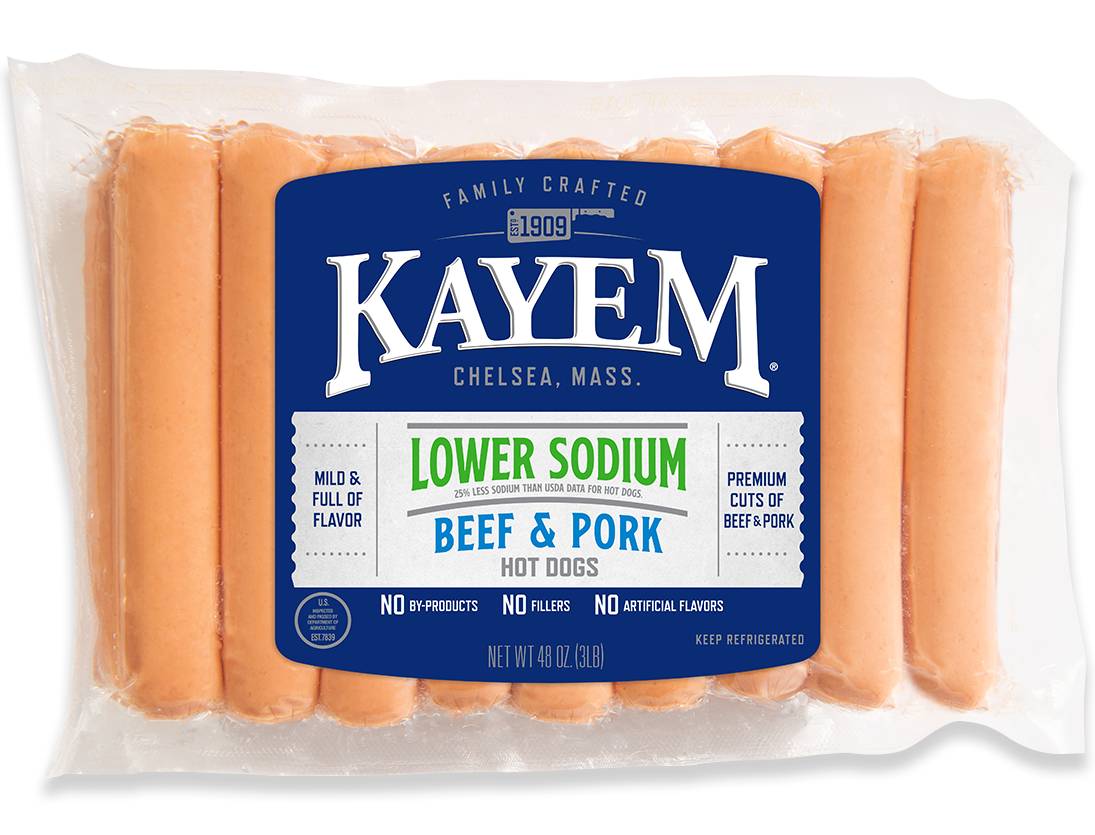
Image Source: www.kayem.com
Deciphering the Sodium Story in Hot Dogs
Hot dogs are a beloved comfort food for many, but their appeal often comes with a hidden cost: a significant amount of salt. This isn’t just about taste; salt plays a crucial role in preserving the meat, enhancing its texture, and, of course, making it incredibly flavorful. However, for those mindful of their health, the sodium per hot dog can be a point of concern.
The Role of Salt in Hot Dog Production
Salt, or sodium chloride, is a fundamental ingredient in the creation of hot dogs. Its functions extend beyond simply seasoning the meat.
- Preservation: Salt inhibits the growth of harmful bacteria, extending the shelf life of the hot dog. This is particularly important for a product that is often pre-cooked and packaged.
- Flavor Enhancement: Salt is a powerful flavor enhancer, bringing out the natural tastes of the meat and spices.
- Texture Improvement: Salt helps to bind the meat proteins together, contributing to the characteristic firm and smooth texture of a hot dog. It aids in emulsification, creating a uniform blend of meat, fat, and water.
- Water Retention: Salt helps the meat retain moisture, which is vital for a juicy and tender hot dog.
What Makes Hot Dogs Salty?
The saltiness of a hot dog stems from several factors in its production process and ingredient list.
- Added Salt: This is the most direct contributor. Manufacturers add salt during the grinding and mixing stages of meat preparation.
- Curing Agents: Often, curing agents like sodium nitrite and sodium nitrate are used. These compounds also contain sodium and contribute to the overall sodium count. While primarily used for preservation and color, they add to the saltiness.
- Other Sodium-Containing Ingredients: Depending on the specific recipe, other ingredients like MSG (monosodium glutamate), certain spices, and even water used in the processing can contain sodium.
Average Salt in a Hot Dog: A Closer Look
Pinpointing the exact average salt in a hot dog is tricky because recipes and brands vary widely. However, we can look at general figures and understand the range.
Typical Sodium Ranges by Brand and Type
Most standard beef, pork, or mixed-meat hot dogs fall within a predictable sodium range.
- Standard Hot Dogs: A single, typical hot dog (around 50-60 grams) can contain between 400 mg and 600 mg of sodium. Some brands might even exceed this, reaching up to 700 mg or more for larger or more heavily seasoned varieties.
- “All-Beef” Hot Dogs: While often perceived as healthier, all-beef hot dogs are not necessarily lower in sodium. Their sodium content is often comparable to mixed-meat versions.
- “Reduced Sodium” or “Low Sodium” Hot Dogs: These products are specifically formulated to have less salt. They can contain anywhere from 250 mg to 350 mg of sodium per hot dog, offering a significant reduction.
- Specialty Hot Dogs: Varieties like frankfurters, wieners, or even those with added cheese or jalapeños can have different sodium profiles, sometimes higher due to additional seasonings or ingredients.
Hot Dog Nutrition Facts: What to Look For
When you’re trying to gauge the sodium content of a hot dog, the nutrition label is your best friend. Here’s what to pay attention to:
- Serving Size: This is critical. The label will specify the weight of one serving, which might be one hot dog or half a hot dog. Always check this to ensure you’re calculating correctly.
- Sodium: This is the key number. It’s usually listed in milligrams (mg) per serving.
- Percent Daily Value (% DV): The % DV for sodium is based on a recommended daily intake of 2,300 mg. A hot dog providing 20% DV, for example, means it contains about 460 mg of sodium.
Example Nutrition Label Breakdown (Hypothetical Standard Hot Dog):
| Nutrient | Amount per Serving | % Daily Value |
|---|---|---|
| Calories | 180 | |
| Total Fat | 16g | 21% |
| Saturated Fat | 6g | 30% |
| Cholesterol | 55mg | 18% |
| Sodium | 500mg | 22% |
| Total Carb. | 2g | 1% |
| Protein | 8g |
In this example, a single hot dog provides 500 mg of sodium, which is 22% of the daily recommended intake. Eating two such hot dogs would put you at 44% of your daily sodium limit.
The Impact of Processed Meat Sodium
Hot dogs are a prime example of processed meat sodium. Processed meats, in general, are known for their high sodium content due to the methods used in their preparation.
Why Processed Meats Are High in Sodium
The processing of meats like hot dogs involves curing, smoking, and the addition of preservatives and flavor enhancers, all of which frequently involve sodium.
- Curing Salts: These are mixtures of salt and curing agents like sodium nitrite.
- Flavor and Preservation: Salt is essential for making these products palatable and safe for consumption over extended periods.
- Tenderness and Texture: As mentioned, salt contributes to the desired texture of processed meats.
National Health Recommendations and Sodium Intake
Health organizations worldwide recommend limiting sodium intake to prevent health issues like high blood pressure.
- American Heart Association (AHA): Recommends an ideal limit of no more than 1,500 mg per day for most adults, especially those with high blood pressure.
- Dietary Guidelines for Americans: Recommends limiting sodium intake to less than 2,300 mg per day as part of a healthy eating pattern.
Considering these recommendations, a single standard hot dog can contribute a substantial portion of your daily sodium allowance. If you eat two, you’re likely exceeding half of the recommended limit for the entire day. This highlights the importance of being aware of sodium intake from sources like hot dogs.
Exploring Low Sodium Hot Dogs
For individuals who enjoy hot dogs but are concerned about their sodium intake, low sodium hot dogs offer a viable alternative.
What Makes a Hot Dog “Low Sodium”?
The term “low sodium” is regulated. Generally, a product can be labeled “low sodium” if it contains no more than 140 mg of sodium per serving. However, in the context of hot dogs, brands often use “reduced sodium” or “lower sodium” to indicate a significant reduction compared to their regular counterparts.
- “Reduced Sodium” Label: This means the product has at least 25% less sodium per serving than the regular version of the same product.
- “Lower Sodium” Label: This implies the product has at least 25% less sodium per serving than comparable products that are not lower in sodium.
Comparing Regular vs. Low Sodium Hot Dogs
The difference in sodium can be quite significant, making low-sodium options a healthier choice for many.
| Feature | Standard Hot Dog (per hot dog) | Low Sodium Hot Dog (per hot dog) |
|---|---|---|
| Sodium Content | 400-600 mg | 250-350 mg |
| % DV for Sodium | 17-26% | 11-15% |
Choosing a low-sodium hot dog can save you 150-250 mg of sodium per serving, which adds up quickly if you consume more than one.
Tips for Finding and Choosing Low Sodium Hot Dogs
- Read Labels Carefully: Always check the nutrition facts panel. Look for the “sodium” amount and compare it between brands.
- Compare “Per Serving” Amounts: Ensure you are comparing the same serving size, whether it’s one hot dog or a specified weight.
- Look for “Reduced Sodium” or “Lower Sodium” Claims: These are good indicators, but always verify with the nutrition facts.
- Consider Ingredient Lists: Some brands might replace some salt with potassium chloride, which can add a slightly different taste.
- Explore Different Brands: Many brands now offer lower-sodium versions of their popular hot dogs.
Health Effects of Hot Dog Salt
The high sodium content in hot dogs, particularly when consumed regularly, can have several health effects of hot dog salt.
High Blood Pressure (Hypertension)
Excessive sodium intake is a well-established cause of high blood pressure. Sodium causes your body to retain water, which increases the volume of blood in your bloodstream. More blood volume means higher pressure against your artery walls.
- Mechanism: Sodium pulls water into blood vessels. More water means more blood. More blood circulating creates more pressure.
- Consequences: Chronic high blood pressure can lead to heart disease, stroke, kidney problems, and other serious health issues.
Cardiovascular Disease
Hypertension, driven by high sodium intake, is a major risk factor for cardiovascular diseases.
- Heart Attack and Stroke: High blood pressure damages arteries, making them less elastic and prone to blockages, increasing the risk of heart attacks and strokes.
- Heart Failure: The heart has to work harder to pump blood against increased pressure, which can lead to weakening and enlargement of the heart muscle, eventually causing heart failure.
Kidney Issues
The kidneys play a crucial role in regulating blood pressure and filtering waste from the blood, including excess sodium. High sodium intake can strain the kidneys.
- Increased Workload: The kidneys must work harder to excrete excess sodium, which can lead to damage over time.
- Kidney Stones: Some studies suggest a link between high sodium intake and an increased risk of calcium excretion in the urine, which can contribute to kidney stones.
Other Potential Health Concerns
- Osteoporosis: High sodium intake has been linked to increased calcium excretion from the body, which could potentially affect bone health and increase the risk of osteoporosis, especially in those with inadequate calcium intake.
- Stomach Cancer: While not solely due to sodium, processed meats, which are typically high in sodium and often contain nitrates and nitrites, have been linked to an increased risk of stomach cancer. The World Health Organization (WHO) classifies processed meats as carcinogenic.
How Hot Dog Ingredients Salt Contributes
The amount of salt in a hot dog isn’t just about the salt shaker. The hot dog ingredients salt plays a complex role.
Salt as a Binder and Emulsifier
Salt interacts with meat proteins, helping them to bind together and emulsify fat and water. This is crucial for creating the smooth, uniform texture characteristic of hot dogs. Without adequate salt, the mixture might separate, leading to a less desirable product.
The Flavor Profile
Salt doesn’t just make things salty; it enhances other flavors. The careful balance of salt with spices and meat in a hot dog is what creates its distinct taste.
The Trade-offs
Manufacturers often face a trade-off between creating a flavorful, well-textured product and minimizing sodium content. This is where innovation in low sodium hot dogs comes into play, using alternative ingredients or processing techniques to achieve a similar outcome with less salt.
Making Healthier Choices: Beyond Low Sodium Options
While opting for low sodium hot dogs is a good start, consider these additional tips for enjoying hot dogs more healthily:
Portion Control
- Limit yourself to one hot dog per serving.
- Be mindful of toppings, which can add significant amounts of sodium (e.g., processed cheese, certain relishes, ketchup, mustard).
Pairing and Preparation
- Whole Wheat Buns: Choose whole wheat buns for added fiber.
- Healthy Toppings: Opt for fresh vegetable toppings like onions, tomatoes, sauerkraut (rinced to reduce sodium), or avocado. Use mustard sparingly if you’re watching sodium, as some mustards can be quite salty.
- Hydration: Drink plenty of water to help your body manage sodium levels.
Frequency of Consumption
- Treat hot dogs as an occasional indulgence rather than a daily staple.
- Balance your diet with plenty of fruits, vegetables, and whole grains, which are naturally low in sodium and rich in nutrients.
Frequently Asked Questions (FAQ)
Q1: Is sodium in hot dogs bad for you?
A: Consuming too much sodium can be detrimental to your health. It’s linked to high blood pressure, heart disease, and other issues. While a hot dog won’t cause problems in isolation, frequent consumption of high-sodium foods like regular hot dogs can contribute to these health risks.
Q2: Can I reduce the sodium in a hot dog I’ve already cooked?
A: No, once a hot dog is processed and cooked, its sodium content is fixed. You cannot remove sodium from an already prepared hot dog. The best approach is to choose lower-sodium options or consume them in moderation.
Q3: What is the sodium content in a typical hot dog bun?
A: A standard hot dog bun typically contains about 200-300 mg of sodium. This can add a significant amount to your meal, so if you’re monitoring your sodium intake, consider this as well. Some brands offer lower-sodium buns.
Q4: Are all types of hot dogs equally high in sodium?
A: No, while most standard hot dogs are high in sodium, there’s variation. Low sodium hot dogs are specifically made with less salt. Specialty sausages or gourmet hot dogs might also have different sodium levels depending on their preparation and ingredients.
Q5: How does processed meat sodium compare to sodium in other foods?
A: Processed meats are generally among the highest sources of sodium in the typical Western diet. While other foods like canned soups, frozen meals, and cured meats are also high in sodium, hot dogs are a frequent offender due to their widespread popularity and the way they are prepared.
Q6: Is it possible to make homemade hot dogs with less sodium?
A: Yes, you can make homemade hot dogs with significantly less sodium. This allows you complete control over the hot dog ingredients salt and other additives. However, achieving the same preservation and texture as commercially produced hot dogs without specialized equipment and knowledge can be challenging.
Q7: What are the main sources of sodium in a hot dog?
A: The main sources of sodium in a hot dog are the added salt during processing, curing agents like sodium nitrite, and any other sodium-containing flavor enhancers or preservatives used in the recipe.
Q8: What are the health effects of hot dog salt?
A: High consumption of sodium from hot dogs can lead to increased blood pressure (hypertension), which in turn increases the risk of heart disease, stroke, and kidney problems.
Q9: Can I eat hot dogs if I have a medical condition like high blood pressure?
A: If you have high blood pressure or other medical conditions, it’s best to consult with your doctor or a registered dietitian. They can advise you on how to incorporate hot dogs into your diet, suggesting low sodium hot dogs, portion control, and mindful topping choices.
By making informed choices and being aware of the sodium content, you can enjoy hot dogs as part of a balanced and healthy diet.