
Deciding how much to feed your Great Pyrenees is a common question for owners, and the answer depends on several factors like age, activity level, and the specific food you’re using. Generally, a Great Pyrenees puppy needs a carefully managed diet to support its rapid growth, while an adult will require a different nutritional balance.
The Great Pyrenees is a magnificent, large breed with a gentle soul and a powerful build. These majestic dogs, originally bred in the Pyrenees Mountains to guard livestock, possess a calm demeanor and a strong protective instinct. Their sheer size, however, means their dietary needs are significant and specific. Providing the right amount of food at the right time is crucial for their overall health, growth, and well-being throughout their lives. This comprehensive guide will delve into everything you need to know about feeding your Great Pyrenees, from puppyhood to adulthood, ensuring they receive the optimal nutrition to thrive.
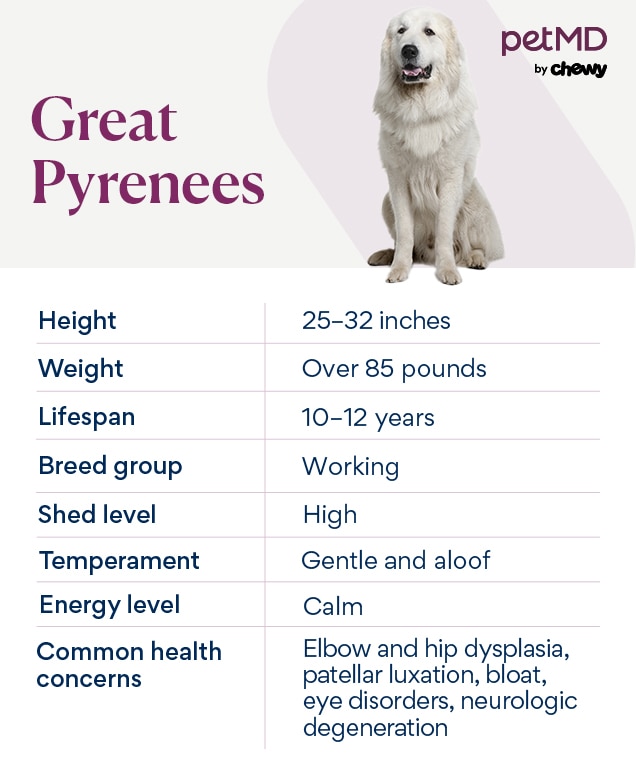
Image Source: image.petmd.com
Deciphering Great Pyrenees Puppy Feeding Needs
Bringing home a Great Pyrenees puppy is an exciting time, but it also comes with the responsibility of ensuring they grow into healthy, strong adults. Puppyhood is a period of incredibly rapid development, and their diet plays a pivotal role.
Great Pyrenees Growth Stages Feeding
Puppies grow at an astonishing rate, and their nutritional requirements change as they mature. It’s essential to feed a high-quality puppy food formulated for large breeds. These foods contain the correct balance of calcium and phosphorus, which are vital for proper bone development and help prevent conditions like hip and elbow dysplasia, common in large breeds.
- Early Puppyhood (8-16 weeks): This is the most rapid growth phase. Puppies need frequent meals, typically 3-4 times a day.
- Mid-Puppyhood (4-6 months): Growth may slow slightly, but they still require significant nutrition. You can often transition to 3 meals a day.
- Late Puppyhood (6-12 months): Growth continues, but at a more gradual pace. Many owners transition to 2 meals a day during this stage.
Great Pyrenees Puppy Feeding Chart: A General Guideline
This chart provides a general idea of how much to feed a Great Pyrenees puppy. Remember, this is just a starting point. Always consult your veterinarian and the specific food manufacturer’s recommendations.
| Puppy Age (Months) | Daily Amount (Cups) | Number of Meals | Notes |
|---|---|---|---|
| 2-3 | 2.5 – 3.5 | 4 | Focus on puppy food for large breeds. Monitor for weight gain. |
| 3-4 | 3.5 – 4.5 | 3-4 | Ensure consistent portion sizes. |
| 4-6 | 4.5 – 5.5 | 3 | May start to notice a slight leveling in weight gain. |
| 6-8 | 5.5 – 6.5 | 3 | Continue with large-breed puppy food. Consider transitioning to 2 meals if recommended by vet. |
| 8-10 | 6.0 – 7.0 | 2-3 | Gradually reduce meal frequency if transitioning to two meals. |
| 10-12 | 6.5 – 7.5 | 2 | Approaching adulthood. Transition to adult large-breed food around 12 months. |
Important Considerations for Puppies:
- Quality of Food: Invest in a premium, large-breed puppy formula. Look for a named meat source as the first ingredient. Avoid foods with excessive fillers, artificial colors, or flavors.
- Free-Feeding vs. Scheduled Meals: For puppies, scheduled meals are generally preferred. This allows you to monitor food intake, track appetite changes, and prevent overeating, which can be detrimental to skeletal development.
- Water: Always ensure fresh, clean water is available.
- Treats: Factor in treats when calculating daily food intake. Too many treats can lead to nutritional imbalances and weight gain.
Great Pyrenees Adult Food Requirements
As your Great Pyrenees transitions from puppyhood to adulthood, their dietary needs shift. Growth slows, and the focus moves to maintaining a healthy weight, supporting their energy levels, and ensuring their continued well-being.
Great Pyrenees Adult Food Requirements
Adult Great Pyrenees dogs typically require a high-quality food formulated for large or giant breeds. These foods are designed to provide the right nutrient profile for mature dogs of this size.
- Protein: Adults need sufficient protein to maintain muscle mass, typically around 20-26% of their diet.
- Fat: Moderate fat levels (10-14%) provide energy and support a healthy coat.
- Fiber: Crucial for digestive health.
- Vitamins and Minerals: Essential for overall health, including calcium and phosphorus for bone health, even in adulthood.
Determining Great Pyrenees Daily Calorie Intake
The exact number of calories your Great Pyrenees needs daily is highly individual. Factors influencing this include:
- Age: While adult, younger adults might need more than seniors.
- Activity Level: A couch potato needs fewer calories than a dog that accompanies you on long hikes.
- Metabolism: Just like people, some dogs have faster metabolisms than others.
- Neutered/Spayed Status: Neutered dogs may have slightly lower metabolic rates.
- Health Status: Certain health conditions can affect caloric needs.
As a general rule of thumb, an average adult Great Pyrenees weighing between 80-110 pounds might need 1800-2400 calories per day. This can vary significantly.
How to Estimate:
- Consult Your Vet: This is the most reliable method. Your vet can assess your dog’s body condition and provide a precise caloric recommendation.
- Food Manufacturer Guidelines: Most dog food bags have a feeding guide based on weight. Use this as a starting point, adjusting based on your dog’s individual needs and body condition.
- Body Condition Score (BCS): Learn to assess your dog’s BCS. You should be able to feel their ribs easily without them being visible, they should have a visible waist from above, and a tuck in their abdomen from the side.
Great Pyrenees Food Portions: Measuring for Success
Portion control is vital for preventing obesity, a common issue in large breeds.
- Use a Measuring Cup: Never eyeball portions. Use a standard measuring cup for consistent amounts.
- Adjust Based on Food Density: Calorie and nutrient content vary greatly between brands and types of food. A cup of kibble from one brand may have significantly more or fewer calories than a cup from another. Always refer to the specific food’s packaging.
- Monitor and Adjust: Observe your dog’s weight and body condition regularly. If they are gaining too much weight, reduce the portion slightly. If they seem too thin, increase it slightly, or consult your vet.
Example Adult Feeding Guide (This is a general estimate; ALWAYS refer to your specific food brand’s guidelines):
| Dog Weight (lbs) | Daily Amount (Cups) | Notes |
|---|---|---|
| 80 | 3.0 – 3.5 | For active dogs, lean towards the higher end. For less active dogs, lean towards the lower end. |
| 90 | 3.5 – 4.0 | Adjust based on activity level and body condition. |
| 100 | 4.0 – 4.5 | Monitor for any signs of weight gain. |
| 110+ | 4.5 – 5.0+ | Very large dogs may require more, but always prioritize health over sheer volume. Consult your vet for precise amounts. |
How Often to Feed a Great Pyrenees
For adult Great Pyrenees, feeding twice a day is the most common and recommended approach.
- Morning Meal: Provides energy for the day.
- Evening Meal: Supports them overnight.
Benefits of Two Meals:
- Reduced Bloat Risk: While not completely eliminated, feeding multiple smaller meals can help reduce the risk of bloat (Gastric Dilatation-Volvulus), a serious and potentially life-threatening condition in deep-chested breeds like the Great Pyrenees.
- Better Digestion: Spreading food intake throughout the day aids digestion and nutrient absorption.
- Appetite Management: Consistent feeding times help regulate appetite and can prevent begging between meals.
Can I Feed My Great Pyrenees Once a Day?
While some owners opt for a single daily feeding, it is generally not recommended for large or giant breeds. The risk of bloat is significantly higher when a large volume of food is consumed at once. Sticking to two meals is safer and promotes better digestive health.
Best Food for Great Pyrenees: Nutritional Considerations
Choosing the best food is paramount for your Great Pyrenees’ health. It’s not just about the brand, but the quality of ingredients and the suitability for their specific life stage and breed characteristics.
Great Pyrenees Dietary Needs
- Large Breed Formulas: These are specifically balanced for the slower growth rates and skeletal development of large breeds. They often have controlled levels of calcium and phosphorus.
- High-Quality Protein: Essential for muscle development and maintenance. Look for named meat sources (e.g., chicken, lamb, salmon) as the primary ingredients.
- Healthy Fats: Omega-3 and Omega-6 fatty acids are crucial for skin and coat health, reducing inflammation, and supporting overall well-being.
- Controlled Carbohydrates: Opt for digestible carbohydrate sources like sweet potatoes, brown rice, or barley.
- Joint Support: Glucosamine and chondroitin are often added to large-breed formulas to support joint health, which is critical for a breed prone to hip and elbow dysplasia.
Types of Food to Consider
- Kibble (Dry Food): The most common and convenient option. Choose a high-quality, large-breed kibble.
- Wet Food: Can be a good addition for palatability or for dogs who need more hydration. However, feeding solely wet food can be expensive and may not offer the same dental benefits as kibble.
- Raw Diet: Some owners choose raw diets. If you opt for this, it’s crucial to work with a veterinary nutritionist to ensure a balanced and safe diet.
- Home-Cooked Diet: Similar to raw, a home-cooked diet requires careful planning and formulation by a veterinary nutritionist to meet all of your dog’s nutritional requirements.
What to Avoid:
- “By-product” meals: Unless clearly defined (e.g., chicken by-product meal), these can be of lower quality.
- Artificial colors, flavors, and preservatives: Can be linked to health issues in some dogs.
- Excessive fillers: Corn, wheat, and soy are common fillers. While not inherently bad for all dogs, they are less nutrient-dense than other ingredients and can be allergens for some.
Weight Management for Great Pyrenees
Maintaining a healthy weight is one of the most important things you can do for your Great Pyrenees’ long-term health. Obesity puts immense strain on their joints, heart, and other organs, increasing the risk of various health problems.
Strategies for Effective Weight Management
- Accurate Portioning: As discussed, precise measurement is key.
- Consistent Exercise: Regular, moderate exercise helps burn calories and build lean muscle. Avoid strenuous exercise immediately after meals to reduce bloat risk.
- Healthy Treats: If you use treats, opt for low-calorie options or use a portion of their regular kibble as treats.
- Regular Vet Check-ups: Your veterinarian can monitor your dog’s weight and body condition and offer personalized advice.
- Monitor Food Intake: Be aware of how much food your dog is actually eating, including any accidental “sharing” from other pets or family members.
- Consider a “Weight Management” Food: If your dog is overweight, your vet might recommend a specially formulated diet food that is lower in calories but still provides essential nutrients.
Crafting a Great Pyrenees Meal Plan
A well-structured Great Pyrenees meal plan takes into account all the factors discussed, ensuring your dog receives consistent, appropriate nutrition.
Key Components of a Meal Plan:
- Type of Food: Based on life stage, health, and vet recommendation.
- Daily Amount: Calculated based on the food’s caloric density and your dog’s individual needs.
- Feeding Schedule: Typically twice a day for adults.
- Treat Allocation: Decide how many treats are appropriate and factor them into the daily caloric intake.
- Water Availability: Constant access to fresh water.
- Monitoring and Adjustment: Regularly check your dog’s weight and body condition and adjust the plan as needed.
Sample Adult Great Pyrenees Meal Plan:
- Morning (7:00 AM): 2 cups of high-quality, large-breed adult kibble.
- Midday (Optional/If needed for very active dogs): Small, low-calorie training treat or a piece of cooked chicken breast (approx. 50-100 calories).
- Evening (6:00 PM): 2 cups of high-quality, large-breed adult kibble.
- Throughout the Day: Fresh water available at all times.
- Occasional Treats: A few small training treats daily, ensuring they don’t exceed 10% of the total daily caloric intake.
Important Note: This is a sample and your dog’s needs may differ significantly. Always consult your veterinarian to create a personalized meal plan.
Frequently Asked Questions (FAQ)
Q1: How much should I feed my 6-month-old Great Pyrenees puppy?
A: A 6-month-old Great Pyrenees puppy typically needs around 4.5 to 5.5 cups of high-quality, large-breed puppy food per day, divided into three meals. However, this is a general guideline. Always refer to the specific feeding instructions on your chosen puppy food and consult your veterinarian for the most accurate recommendation based on your puppy’s individual growth and activity level.
Q2: What is the best food for a Great Pyrenees?
A: The best food for a Great Pyrenees is a high-quality, large-breed specific formula. Look for a named meat source as the first ingredient, controlled levels of calcium and phosphorus, and added joint support like glucosamine and chondroitin. Brands that focus on whole ingredients and avoid artificial additives are generally preferred. Consulting with your veterinarian about specific brands that are suitable for your dog is highly recommended.
Q3: How often should I feed my adult Great Pyrenees?
A: Adult Great Pyrenees dogs should be fed twice a day, typically in the morning and evening. This feeding schedule helps to manage their risk of bloat and aids in digestion.
Q4: Can I feed my Great Pyrenees table scraps?
A: It is generally not recommended to feed your Great Pyrenees table scraps. Table scraps are often high in fat, salt, and spices, which can be detrimental to their health and lead to digestive upset, obesity, or even more serious conditions like pancreatitis. If you want to give them a special treat, opt for dog-specific treats or small, plain pieces of cooked meat or vegetables that are safe for dogs.
Q5: How do I know if I’m feeding my Great Pyrenees the right amount?
A: You can tell if you’re feeding your Great Pyrenees the right amount by regularly assessing their body condition. You should be able to feel their ribs easily without them protruding, they should have a visible waist when viewed from above, and an apparent tuck in their abdomen from the side. If your dog is gaining too much weight or appears too thin, adjust their food portions accordingly, ideally under the guidance of your veterinarian.
Q6: What are the key Great Pyrenees dietary needs?
A: Key Great Pyrenees dietary needs include high-quality protein for muscle maintenance, controlled levels of calcium and phosphorus for skeletal health, healthy fats for skin and coat health, and adequate fiber for digestion. Large-breed specific formulas are designed to meet these needs, especially during growth and throughout adulthood to support joint health and prevent obesity.
Q7: How much exercise does a Great Pyrenees need, and how does it affect their food intake?
A: Adult Great Pyrenees generally need moderate daily exercise, such as a couple of brisk walks. More active dogs or those involved in activities like hiking will require more calories than less active dogs. Their exercise level directly impacts their Great Pyrenees daily calorie intake; a more active dog will need a slightly larger portion or more calorically dense food compared to a sedentary one.
Q8: What is a Great Pyrenees meal plan?
A: A Great Pyrenees meal plan is a structured schedule detailing what, when, and how much your dog eats. It includes the type of food, portion sizes for each meal, treat allowances, and a consistent feeding schedule, usually two meals per day for adults, designed to meet their specific nutritional requirements and manage their weight effectively.