
How often does a dog get a rabies shot? A dog typically receives its first rabies vaccine between 12 and 16 weeks of age, followed by a booster shot one year later. After that, the frequency of rabies vaccinations depends on the type of vaccine used and local regulations, usually administered every one to three years.
Ensuring your canine companion is up-to-date on their rabies vaccinations is a cornerstone of responsible pet ownership and a critical aspect of rabies prevention for dogs. This viral disease, transmitted through the saliva of infected animals, is almost always fatal once symptoms appear in dogs. Fortunately, rabies is preventable with timely and appropriate vaccination. Deciphering the dog rabies vaccine schedule can sometimes feel complex, involving initial shots, boosters, and varying vaccine durations. This comprehensive guide aims to clarify how often to vaccinate dog for rabies, covering everything from puppyhood to adult dog care.
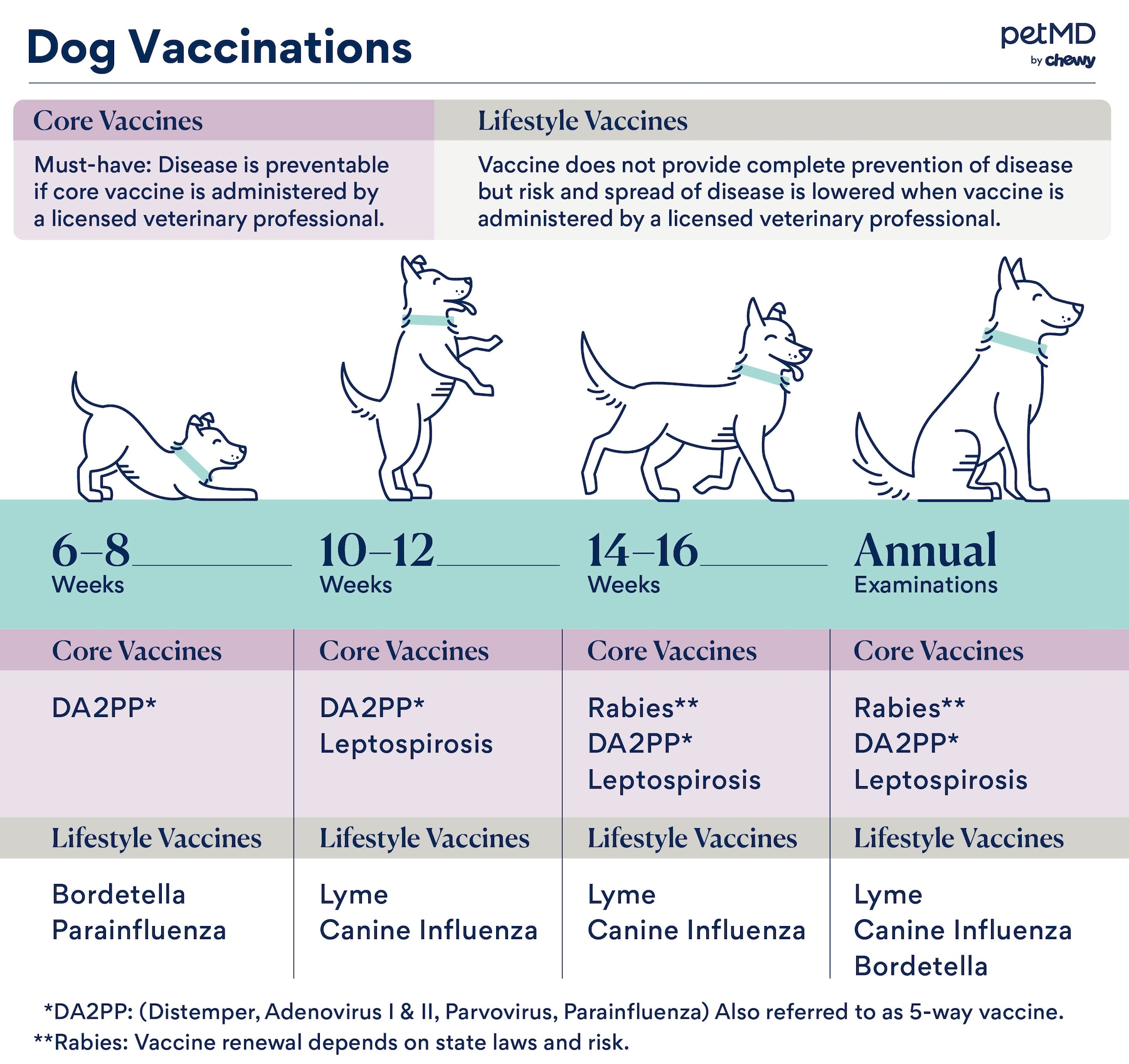
Image Source: image.petmd.com
The Importance of Rabies Vaccination
Rabies is a zoonotic disease, meaning it can be transmitted from animals to humans. In dogs, it is primarily transmitted through the bite of an infected animal. The virus attacks the central nervous system, causing severe neurological signs. While rare in vaccinated populations, rabies remains a significant public health concern worldwide. Keeping your dog vaccinated is not just about protecting your pet; it’s also about protecting your family and community from this devastating disease. Your veterinarian rabies vaccination recommendations are tailored to your dog’s individual needs and local risk factors.
Puppy’s First Rabies Vaccine: When to Give Puppy Rabies Vaccine
The journey of dog health vaccine timeline begins early in a puppy’s life. The initial rabies vaccine is typically administered when puppies are between 12 and 16 weeks old. This timing is crucial because maternal antibodies, passed from the mother to her puppies through colostrum, can interfere with the puppy’s immune system’s ability to respond effectively to vaccines. By waiting until the maternal antibodies have waned, we ensure the puppy can build its own robust immunity.
Puppy Vaccine Protocols
- Initial Rabies Vaccine: Administered between 12 and 16 weeks of age.
- Booster Shot: A crucial follow-up vaccine is given approximately one year after the initial vaccination. This booster strengthens the immunity developed from the first shot.
It’s important to note that the exact age for the first rabies vaccine can vary slightly based on veterinary recommendations and the specific vaccine used. Always consult your veterinarian for the most accurate guidance for your puppy.
Adult Dog Rabies Vaccination: The Booster Cycle
Once a dog has completed their initial puppy vaccinations and received their first rabies booster one year later, the question of rabies shot frequency for dogs becomes about subsequent boosters. This is where understanding the difference between annual rabies vaccine for dogs and triennial rabies vaccine for dogs comes into play.
Booster Schedules Explained
The duration of rabies vaccine immunity in dogs is a key factor in determining booster frequency. Historically, rabies vaccines were administered annually. However, advancements in vaccine technology have led to the development of longer-lasting vaccines.
- Annual Rabies Vaccine for Dogs: If your dog receives a vaccine labeled as an annual vaccine, it means that a booster is recommended every 12 months. While less common now, some older vaccine formulations or specific regional requirements might necessitate this schedule.
- Triennial Rabies Vaccine for Dogs: The majority of rabies vaccines currently available for dogs are considered triennial. This means they provide protection for three years. After the initial puppy series and the one-year booster, subsequent rabies vaccinations are typically given every three years.
Factors Influencing Vaccine Frequency
Several factors can influence the recommended canine rabies booster schedule:
- Local Laws and Regulations: Many states and municipalities have specific laws dictating the minimum frequency of rabies vaccinations for dogs. These laws are in place to protect public health. Your veterinarian will be knowledgeable about the regulations in your area.
- Type of Vaccine Used: As mentioned, the duration of immunity is tied to the specific vaccine administered. Your vet will use a vaccine approved for either annual or triennial administration.
- Dog’s Lifestyle and Risk Exposure: Dogs that spend a lot of time outdoors, in areas with known wildlife populations (like raccoons, bats, or foxes, which can carry rabies), or travel to different regions might benefit from a more frequent vaccination schedule, even if a triennial vaccine is used.
- Individual Dog’s Health Status: For dogs with compromised immune systems or specific health conditions, a veterinarian might adjust the vaccination schedule.
Deciphering the Dog Rabies Vaccine Schedule: A Practical Look
Let’s break down a typical dog rabies vaccine schedule to make it clearer:
| Age of Puppy | Vaccine | Notes |
|---|---|---|
| 12-16 weeks | First Rabies Vaccine | Puppy’s first dose. |
| 1 year after first dose | Rabies Booster | Crucial follow-up to strengthen immunity. This is often the first “triennial” vaccine if a 3-year duration vaccine is used. |
| Every 3 years thereafter | Rabies Booster | If a triennial vaccine is used, boosters are given every three years. |
| Every 1 year thereafter | Rabies Booster | If an annual vaccine is used, boosters are given every year. |
What if My Dog Missed a Vaccination?
Missing a scheduled rabies booster can happen. If your dog’s rabies vaccination has lapsed, don’t panic. The best course of action is to contact your veterinarian immediately. They will assess your dog’s situation and recommend the most appropriate way to get them back on track with their rabies prevention for dogs. Often, a lapsed vaccination may require a booster shot followed by a regular schedule moving forward, but this depends on how long ago the last vaccination was given and local laws.
The Role of the Veterinarian in Rabies Vaccination
Your veterinarian rabies vaccination expertise is invaluable. They are the primary source of information regarding the best vaccine options for your dog, the appropriate timing of boosters, and compliance with local laws. Veterinarians stay current with the latest research on vaccine efficacy and duration of immunity. They will also perform a physical examination of your dog before administering any vaccine to ensure they are healthy enough to receive it.
Questions to Ask Your Veterinarian
When you visit your vet, don’t hesitate to ask questions about your dog’s rabies vaccination. Here are some important ones:
- “What type of rabies vaccine are you administering, and what is its duration of immunity?”
- “When is the next rabies booster due for my dog?”
- “Are there any specific rabies risks in our local area?”
- “What are the legal requirements for rabies vaccination in our state/county?”
- “What side effects should I watch for after the vaccination?”
Ensuring Compliance and Peace of Mind
Adhering to the recommended rabies shot frequency for dogs is essential for protecting your pet and complying with public health mandates. Many states require proof of rabies vaccination for dog licensing. Keeping accurate vaccination records, often provided by your veterinarian, is vital. These records serve as proof of vaccination and are important if your dog were ever to bite someone or be involved in an animal control incident.
Addressing Common Concerns About Rabies Vaccines
While rabies vaccines are incredibly safe and effective, some pet owners have questions.
Are Rabies Vaccines Safe?
Modern rabies vaccines are rigorously tested for safety and efficacy. Serious side effects are rare. Mild reactions, such as localized swelling or soreness at the injection site, or a brief period of lethargy, can occur but typically resolve within 24-48 hours. Allergic reactions are uncommon but can be severe. Your veterinarian will monitor your dog for any immediate reactions after vaccination.
Can My Dog Be Exempt from Rabies Vaccination?
In very rare circumstances, a veterinarian may recommend a medical exemption from rabies vaccination due to a severe pre-existing health condition that makes vaccination potentially dangerous. Such exemptions typically require a written statement from the veterinarian and may still be subject to local legal requirements. This is a decision made in close consultation with your vet.
Rabies Prevention for Dogs: Beyond Vaccination
While vaccination is the most critical component of rabies prevention for dogs, other practices contribute to keeping your pet safe:
- Supervision: Always supervise your dog when they are outdoors, especially in areas where wildlife is present.
- Leash Laws: Keep your dog on a leash when in public areas. This prevents them from encountering potentially rabid wildlife or stray animals.
- Avoid Feeding Wildlife: Do not feed wild animals, as this can encourage them to approach homes and pets, increasing the risk of exposure.
- Report Stray Animals: If you see a stray animal, do not approach it. Report it to your local animal control agency.
Conclusion
The question of rabies shot frequency for dogs is answered by a combination of scientific data on vaccine efficacy and legal mandates designed to protect public health. For most dogs, the dog rabies vaccine schedule involves an initial vaccine between 12-16 weeks, a booster one year later, and then subsequent boosters typically every three years for triennial vaccines, or annually for annual vaccines, as determined by local regulations and veterinary recommendation. Your veterinarian is your most trusted partner in navigating your dog’s vaccination needs, ensuring your beloved pet remains protected against this serious disease. By staying informed and following your vet’s guidance, you contribute significantly to the safety of your dog, your family, and your community.
Frequently Asked Questions (FAQ)
Q1: How often does a dog need a rabies shot?
A1: After the initial puppy vaccine and the one-year booster, rabies shots are typically given every one to three years, depending on the vaccine used and local laws.
Q2: What is the difference between an annual and a triennial rabies vaccine for dogs?
A2: An annual rabies vaccine requires a booster every year, while a triennial rabies vaccine provides protection for three years, requiring boosters every three years.
Q3: When should a puppy get its first rabies vaccine?
A3: A puppy typically receives its first rabies vaccine between 12 and 16 weeks of age.
Q4: Why is a rabies booster so important after the first year?
A4: The first-year booster is crucial to strengthen the immunity developed from the initial vaccine and ensure long-lasting protection.
Q5: Can I vaccinate my dog myself instead of going to the veterinarian?
A5: No, rabies vaccinations should only be administered by a licensed veterinarian. They can properly assess your dog’s health, use appropriate vaccine products, and maintain accurate records.
Q6: What happens if my dog’s rabies vaccine expires?
A6: If your dog’s rabies vaccination lapses, contact your veterinarian immediately. They will advise you on the best course of action, which usually involves administering a booster shot to re-establish immunity.
Q7: Are there any side effects to rabies vaccines for dogs?
A7: While rabies vaccines are very safe, mild side effects like soreness or swelling at the injection site, or temporary lethargy, can occur. Severe reactions are rare. Your veterinarian will monitor your dog after vaccination.
Q8: Do all states have the same rabies vaccination laws?
A8: No, rabies vaccination laws can vary by state and even by county. Your veterinarian will be aware of the specific regulations in your area.