
A properly fitting cone for your dog is crucial for their recovery and comfort. What is the correct way to size an e-collar for a dog? A dog cone should fit snugly enough around the neck to prevent the dog from reaching the injury or surgical site, but not so tight that it restricts breathing or causes discomfort. The length of the cone should extend past the tip of the dog’s nose to effectively block access.
Bringing a canine recovery collar home for the first time can feel a bit daunting. You want to ensure your furry friend is as comfortable as possible during their healing process, and a big part of that is getting the dog e-collar fit just right. It’s not just about buying a cone; it’s about selecting the cone size for dog that perfectly suits their needs. This guide will delve deep into how a cone should fit a dog, covering everything from taking measurements to making adjustments for optimal dog cone comfort.
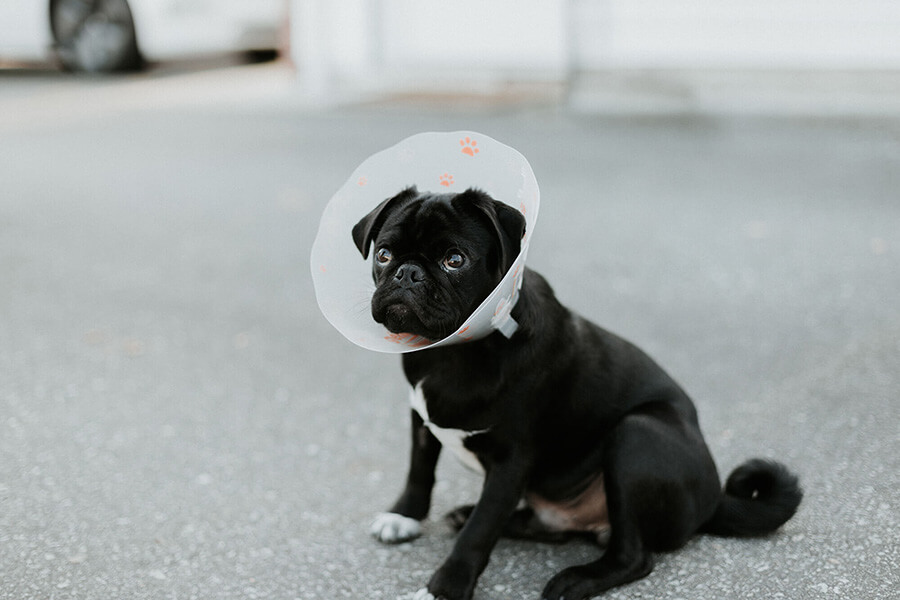
Image Source: petsinstitches.com
Deciphering the Purpose of a Dog Cone
Before we get into the nitty-gritty of sizing, let’s quickly touch on why these often-maligned plastic (or fabric) contraptions are so important. The Elizabethan collar, or e-collar, is designed to prevent a dog from licking, chewing, or scratching at wounds, surgical sites, or skin irritations. This simple yet effective barrier is key to preventing infection, further injury, and complications during healing. Without it, many post-operative or injury recoveries would be significantly prolonged and fraught with setbacks. The goal is to ensure the dog cannot contort themselves in a way that allows them to reach the problematic area. This is why proper cone placement is as vital as the initial sizing.
Fathoming the Fundamentals of E-Collar Fitting
Getting the Elizabethan collar fitting correct involves a few key steps. It’s a process that requires a bit of attention to detail, but the payoff in terms of your dog’s well-being is immense.
Measuring Your Dog for the Right Cone
The first and most critical step in ensuring a good dog neck cone fit is accurate measurement. You can’t effectively choose a cone size for dog if you don’t have the right numbers.
What to Measure: The Neck Circumference and Length
To achieve the correct dog e-collar fit, you’ll need two main measurements:
- Neck Circumference: This is the distance around your dog’s neck where the collar usually sits.
- Neck Length: This is the distance from the base of the neck (where it meets the shoulders) to the point where the muzzle begins.
How to Take the Measurements Accurately
- Use a Flexible Measuring Tape: A soft, flexible tailor’s tape measure is ideal for getting accurate measurements, especially around your dog’s neck. If you don’t have one, you can use a piece of string or ribbon and then measure the string against a ruler.
- Neck Circumference Measurement: Gently wrap the measuring tape around your dog’s neck. Ensure it’s snug enough to feel the fur but not tight enough to choke them. It should be similar to how you would fit a regular collar.
- Neck Length Measurement: Start at the base of your dog’s neck, where it connects to their shoulders. Measure up along the top of their neck to just before their ears or the start of their muzzle. This measurement dictates the length of the cone needed to prevent them from reaching their body.
Gauging Cone Length: The Crucial Dimension
The length of the cone is paramount to its effectiveness. It needs to be long enough to extend past the tip of your dog’s nose.
- Why Length Matters: If the cone is too short, your dog will still be able to reach their surgical site or wound, defeating the purpose of the cone entirely. Imagine trying to protect a treat on a table; if your arm isn’t long enough to reach it, the protection isn’t effective. The same applies to your dog and their injury.
- Determining the Minimum Length: The measurement you took from the base of the neck to the tip of the nose is your minimum required cone length. Always opt for a cone that meets or slightly exceeds this measurement.
Assessing Neck Fit: The Comfort Factor
While length is for efficacy, the neck fit is all about dog cone comfort.
- Not Too Tight: The cone should not constrict your dog’s breathing or ability to swallow. You should be able to comfortably slide two fingers between the cone’s collar and your dog’s neck.
- Not Too Loose: Conversely, if the cone is too loose, your dog might be able to wriggle out of it, especially if they are particularly adept at preventing cone removal. A loose cone also shifts around, making it less effective and potentially more irritating.
Choosing the Right Cone Type and Material
Not all cones are created equal. The material and design can significantly impact how well your dog tolerates wearing one.
Traditional Plastic Cones (The Elizabethans)
These are the classic, rigid plastic cones.
- Pros: Highly effective at blocking access to injuries, generally affordable, easy to clean.
- Cons: Can be cumbersome, obstruct vision and hearing, make it difficult to eat and drink, and can be noisy as they bump into things. This often leads to stress and dog cone comfort issues.
Soft Fabric or Inflatable Cones
These are softer, more flexible alternatives.
- Pros: Less intimidating, allow for better peripheral vision and hearing, easier to eat and drink, often more comfortable.
- Cons: Some dogs can still manage to get around them if they are persistent chewers or particularly flexible. Their effectiveness can be compromised if the dog can bend the edges to reach the wound.
Choosing Based on Measurement Charts
Most reputable pet supply stores and veterinary clinics will have sizing charts for their specific brands of cones. These charts will typically provide neck circumference ranges for each cone size.
Table 1: Sample Cone Sizing Chart (Illustrative)
| Cone Size | Neck Circumference Range (inches) | Typical Breed Examples (Neck Size Dependent) |
|---|---|---|
| XS | 6-8 | Chihuahua, Yorkie |
| S | 8-12 | Beagle, Pug, Cocker Spaniel |
| M | 12-16 | Labrador Retriever, Golden Retriever |
| L | 16-20 | German Shepherd, Rottweiler |
| XL | 20+ | Great Dane, Mastiff |
Important Note: These are just examples. Always refer to the specific manufacturer’s sizing guide for the cone you are purchasing. Breed is a guideline, but individual dog measurements are definitive.
Achieving the Perfect Dog E-Collar Fit: Adjustment and Installation
Once you have your cone, the next step is ensuring the dog e-collar fit is spot on.
Installing the Cone Correctly
Most cones have an adjustable collar or straps that secure around your dog’s neck.
- Loosen the Collar: Before putting it on your dog, loosen the neck portion of the cone as much as possible.
- Place it Around the Neck: Gently place the cone around your dog’s neck, ensuring their muzzle is inside the wide end of the cone.
- Secure the Neck Collar: Fasten the adjustable collar or straps.
- Check for Snugness: Use the two-finger rule mentioned earlier – you should be able to slide two fingers between the cone’s collar and your dog’s neck. This ensures it’s not too tight or too loose.
- Test the Length: Verify that the cone extends past your dog’s nose. Have them turn their head. Does the cone still cover the area effectively when they shift?
Making Necessary Dog Cone Adjustments
Sometimes, even with the right size, minor adjustments are needed.
- Too Loose? If the neck collar is too loose, tighten it gradually until the two-finger rule is met. Ensure the excess strap is tucked away so it doesn’t snag or cause an issue for preventing cone removal.
- Too Tight? If it feels too tight, loosen it immediately. Check if there’s a larger size available or if a different style of cone might be better.
- Cone Flipping? If the cone seems to be flipping upwards or downwards, making it less effective, it might be too wide or too narrow at the base of the neck. You might need to try a different model or size.
Addressing Dog Cone Comfort for Better Compliance
A comfortable dog is a more compliant dog. Maximizing dog cone comfort is key to reducing stress and preventing preventing cone removal.
Tips for Enhancing Dog Cone Comfort
- Soft Edges: If your cone has sharp plastic edges, you can try padding them with soft fabric tape or a rolled-up sock secured with tape.
- Padding the Neck: Some dogs find the plastic edge against their neck irritating. You can carefully wrap a soft scarf or a strip of fleece around the neck portion of the cone, ensuring it doesn’t compromise the fit or create a chewing hazard.
- Food and Water Access: Ensure your dog can still easily reach their food and water bowls. You might need to elevate the bowls or use shallower dishes. For some dogs, especially those with shorter muzzles, eating and drinking can be challenging. You might need to hand-feed them or cut their food into smaller pieces.
- Rest and Relaxation: Provide a comfortable, quiet space for your dog to rest. The cone can make sleeping awkward, so a familiar, soft bed can help.
- Supervision: Initially, keep a close eye on your dog. This allows you to address any immediate comfort issues or attempts at preventing cone removal.
The Challenge of Preventing Cone Removal
Dogs are surprisingly resourceful when they want to be. They might try to chew it off, dig at it, or use their paws.
- Secure Fastening: Ensure the cone is securely fastened around the neck and that any straps are tucked away.
- Cone Length Check: Regularly re-check that the cone is still extending past the nose, especially after the dog has been active or sleeping.
- Distraction: Sometimes, offering a favorite toy or treat can distract them from focusing on the cone.
- Veterinary Consultation: If your dog is extremely distressed or persistent in trying to remove the cone, consult your veterinarian. They might suggest alternative recovery solutions, like surgical suits or specialized bandages, or provide strategies for better cone management.
When to Seek Professional Advice on Cone Fit
While this guide provides comprehensive information, there are times when professional help is invaluable.
When to Consult Your Veterinarian
- Uncertainty with Measurements: If you’re unsure about taking measurements or interpreting sizing charts, your vet or vet tech can assist.
- Persistent Discomfort: If your dog is exceptionally uncomfortable, distressed, or showing signs of pain despite your best efforts, seek veterinary advice.
- Inability to Eat or Drink: If the cone significantly impedes your dog’s ability to eat or drink, your vet can offer solutions or alternative products.
- Cone Ineffectiveness: If you suspect the current cone isn’t effectively preventing your dog from reaching the wound, a consultation is necessary to reassess the dog e-collar fit.
- Aggressive Behavior: If the cone causes extreme aggression or anxiety, your vet can help manage these behavioral issues.
The Role of Veterinary Staff in E-collar Sizing
Veterinary professionals are experts in dog e-collar fit and can provide invaluable guidance. They see dogs in cones every day and know which types and sizes work best for various breeds and temperaments. They can also demonstrate proper installation and adjustment techniques.
Common Pitfalls in Cone Sizing and Fitting
Even with the best intentions, mistakes can happen. Knowing these common pitfalls can help you avoid them.
Pitfall 1: Guessing the Size
- The Problem: Relying on breed stereotypes rather than actual measurements. Every dog is an individual.
- The Solution: Always measure your dog’s neck circumference and length accurately.
Pitfall 2: Prioritizing Aesthetics Over Functionality
- The Problem: Choosing a cute, novelty cone that doesn’t adequately protect the wound.
- The Solution: Functionality and effectiveness are paramount. Choose a cone that ensures proper coverage and protection, regardless of its appearance.
Pitfall 3: Incorrect Neck Fit (Too Tight/Too Loose)
- The Problem:
- Too Tight: Can cause chafing, restrict breathing, and be very uncomfortable.
- Too Loose: Allows the dog to remove the cone or reach the wound.
- The Solution: Strictly adhere to the two-finger rule for the neck fit and ensure the cone is secured properly.
Pitfall 4: Insufficient Cone Length
- The Problem: The cone doesn’t extend past the dog’s nose, rendering it useless.
- The Solution: Measure the length from the base of the neck to the tip of the nose and select a cone that meets or exceeds this measurement.
Pitfall 5: Ignoring Dog Comfort
- The Problem: Making the dog miserable, leading to stress, anxiety, and attempts at preventing cone removal.
- The Solution: Implement strategies to enhance dog cone comfort, such as padding or using softer alternatives if appropriate.
Frequently Asked Questions (FAQ)
Q1: Can my dog eat and drink with a cone on?
A1: Yes, ideally. A properly fitted cone should allow your dog to reach their food and water bowls. You might need to elevate the bowls or use shallow ones. If your dog struggles significantly, consult your veterinarian.
Q2: How long does my dog need to wear the cone?
A2: This depends entirely on the type of injury or surgery and your veterinarian’s recommendation. They will advise you on the duration required for healing and preventing complications. Never remove the cone prematurely.
Q3: My dog is miserable in the cone. What can I do?
A3: While cones can be uncomfortable, your dog’s safety and healing are the priority. Try enhancing comfort with padding, ensuring the fit is correct, and providing reassurance. If distress is severe, discuss alternatives with your vet.
Q4: Can I use a soft cone instead of a plastic one?
A4: Soft cones or inflatable collars can be suitable alternatives for some dogs and situations. However, they may not be effective for very determined dogs or injuries in hard-to-reach areas. Discuss this option with your veterinarian to ensure it provides adequate protection for your dog’s specific needs.
Q5: How do I stop my dog from removing the cone?
A5: Ensure a snug but comfortable fit, check the length regularly, and make sure the fasteners are secure. If your dog is persistent, they may require closer supervision or alternative recovery methods discussed with your vet.
Q6: What if the cone rubs my dog’s neck raw?
A6: This indicates the dog e-collar fit might be too tight, or the material is causing irritation. Loosen the collar slightly and check for chafing. You can also try padding the neck area of the cone with a soft material like fleece or a rolled-up sock, ensuring it doesn’t interfere with the fit or allow the dog to chew it. If irritation persists, consult your veterinarian.
Q7: My dog bumps into things constantly. How can I help?
A7: This is common with traditional plastic cones. Keep your home environment clear of obstacles. You can also try a softer, more flexible cone if your vet agrees it’s appropriate for the injury. Supervise your dog in new environments until they adjust.
Q8: Should I take the cone off when I’m home?
A8: It is strongly discouraged to remove the cone even when you are home, unless explicitly instructed by your veterinarian. Many dogs can lick or chew at a surgical site or wound very quickly and discreetly. The risk of re-injury or infection is too high. Always follow your vet’s guidance.
By following these detailed guidelines, you can ensure your dog wears their canine recovery collar effectively and with as much dog cone comfort as possible, facilitating a smooth and successful recovery.