
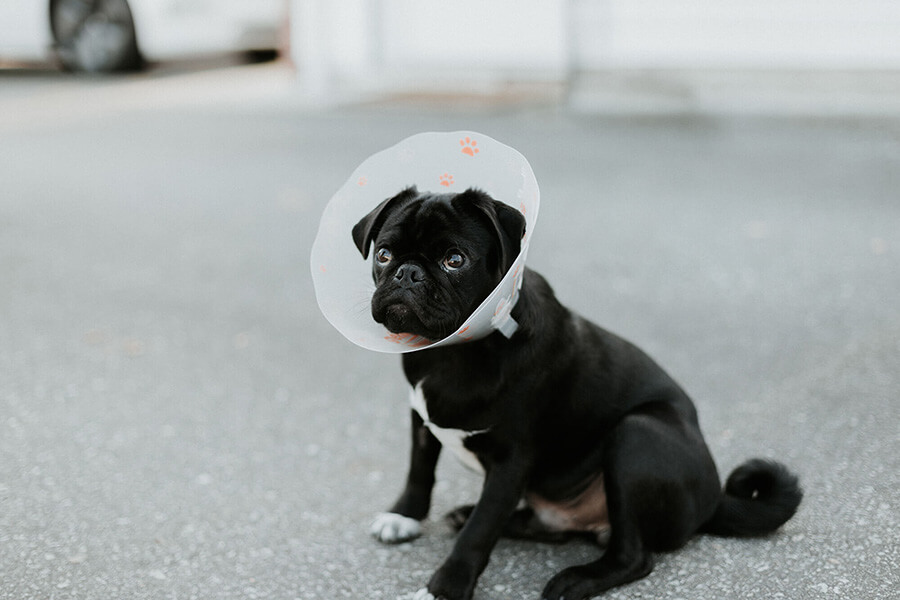
Image Source: petsinstitches.com
How Should A Cone Fit On A Dog For Comfort and Healing: Proper Sizing & Best Practices
What is the best way to fit a cone on a dog? A properly fitted cone, also known as an Elizabethan collar, should allow your dog to eat, drink, and move without restriction, while effectively preventing them from reaching surgical incisions, wounds, or irritated skin. It needs to be snug enough to stay in place but loose enough to avoid choking or discomfort.
The introduction of a cone, or Elizabethan collar, to your dog’s life can be a significant adjustment, both for them and for you. These devices, essential for preventing self-trauma to wounds or surgical sites, often evoke images of dogs looking dejected or uncomfortable. However, with the right approach to dog cone size and fitting, you can ensure your canine companion experiences minimal distress and optimal healing. This guide delves into the specifics of veterinary cone fitting, e-collar sizing, and best practices for using a dog recovery cone to maximize pet cone comfort.
Why Cones Are Necessary for Your Dog’s Healing
The primary purpose of an Elizabethan collar is to create a physical barrier. Dogs, by instinct, will lick, chew, or scratch at anything that feels unusual on their body. This natural behavior, while normal, can be incredibly detrimental to healing.
- Preventing Wound Disruption: Surgical incisions, sutures, or staples are delicate. Licking can introduce bacteria, tear stitches, and restart the healing process, potentially leading to infection.
- Stopping Skin Irritation: Conditions like hot spots, severe allergies, or skin infections often cause intense itching. Without a cone, dogs can create further damage through constant scratching and chewing, worsening the inflammation and opening the door for secondary infections.
- Protecting Bandages: If your dog has a bandage on a limb or body, licking or chewing can quickly remove it, exposing the wound and compromising the protection the bandage offers.
- Managing Post-Surgical Discomfort: While the cone itself can be an adjustment, it prevents your dog from exacerbating any post-operative pain by interfering with the healing site.
Choosing the Right Dog Cone Size: A Crucial First Step
The dog cone size is paramount to its effectiveness and your dog’s comfort. Too small, and it won’t prevent access to the wound. Too large, and it can impede eating, drinking, and even vision, leading to frustration and anxiety.
Measuring for the Perfect Fit
The most accurate way to determine the correct e-collar sizing is to measure your dog. You’ll need a flexible measuring tape.
- Measure the Neck Circumference: Gently wrap the tape measure around the base of your dog’s neck, where the collar normally sits. Ensure it’s snug but not tight. Record this measurement.
- Measure the Length from Neck to Snout Tip: Measure from the base of the neck (where you measured the circumference) to the tip of your dog’s nose. This measurement is critical for determining the cone’s length. The cone needs to be long enough to extend at least an inch or two beyond the tip of your dog’s nose. This ensures they cannot reach around the edge to lick or chew.
Cone Types and How They Affect Sizing
Different types of cones require slightly different considerations for fit:
- Traditional Plastic Cones: These are the most common. The length measurement is key here. The diameter of the cone should be wide enough to prevent bending around, but not so wide it becomes unwieldy.
- Inflatable Dog Collars (Donut Collars): These soft, inflatable collars act as a buffer. For these, focus on the neck circumference measurement. The collar should inflate to a degree that your dog cannot bend their neck sufficiently to reach their body or paws. They are often preferred for comfort but may not be suitable for dogs intent on reaching specific areas like the face or tail.
- Soft Fabric Cones: Similar to inflatable collars, these are more flexible. Again, the neck fit is crucial, and the length of the fabric should prevent access to the wound. Some have adjustable drawstrings at the neck for a secure fit.
Achieving the Elizabethan Collar Fit: Practical Steps
Once you have the correct dog cone size, the actual Elizabethan collar fit needs to be adjusted for optimal comfort and function.
Attaching the Cone Securely
Most cones have attachment points.
- Using the Collar Slots: Many plastic cones have slots designed to thread your dog’s regular collar through. This is the best method for securing the cone. The cone should be attached to the collar, not directly to the dog’s neck. This prevents the cone from slipping or being pulled off.
- Adjustable Straps: Some cones have adjustable straps that wrap around the neck. Ensure these are snug but not constricting. You should be able to fit two fingers comfortably between the cone’s collar and your dog’s neck.
Ensuring Proper Cone Placement
Proper cone placement is about more than just attachment; it’s about making sure it serves its purpose without hindering your dog’s basic needs.
- Snout Clearance: As mentioned, the cone must extend beyond your dog’s nose. When the cone is on, your dog should still be able to see and navigate their surroundings clearly. The widest part of the cone should be facing outwards.
- Eating and Drinking Access: The cone should not prevent your dog from reaching their food and water bowls. If it does, you might need to elevate the bowls or consider a cone with a slightly different shape or length. Test this by placing your dog near their bowls.
- Freedom of Movement: While a cone naturally limits some movement, it shouldn’t make your dog feel completely trapped. They should be able to walk, lie down, and turn without excessive bumping into objects or feeling completely disoriented.
Adjusting for Comfort and Safety
- No Choking Hazard: The most critical aspect is ensuring the cone isn’t too tight around the neck. Always check for the two-finger rule. A constricted airway can be dangerous and incredibly uncomfortable.
- Avoiding Eye Irritation: Ensure the edges of the cone aren’t rubbing against your dog’s eyes. If they are, you may need to trim a very small portion of the edge (only if the material allows and without compromising structural integrity) or consider a different cone type.
- Comfort Padding: For longer wear, you can add a soft fabric around the neck opening of a plastic cone where it meets the dog’s skin. This can help prevent chafing and irritation.
Best Practices for Cone Use and Dog Recovery
Beyond proper e-collar sizing and fitting, several practices can make the cone experience more manageable for your dog.
Gradual Introduction
- Short Sessions: Before a full deployment, let your dog wear the cone for short periods around the house. Give them treats and praise while wearing it to create positive associations.
- Positive Reinforcement: Associate the cone with good things like treats, praise, and gentle petting. Avoid scolding or punishing them for reacting negatively to the cone.
Mealtime and Hydration Strategies
- Elevated Bowls: If the cone makes it hard to reach bowls, consider using elevated feeders.
- Shallow Bowls: Some dogs find it easier to eat from shallower bowls, reducing the chance of the cone dipping into the food or water.
- Supervised Meals: Stay with your dog during meals initially to ensure they can eat and drink effectively.
Navigating the Home Environment
- Clear Pathways: Remove tripping hazards or fragile items from your dog’s usual pathways.
- Doorways: Be mindful of narrow doorways or tight spaces. Guide your dog through them, especially in the initial stages.
- Stairs: Supervise your dog on stairs, as the cone can affect their balance.
Grooming and Hygiene
- Face Cleaning: You’ll need to clean your dog’s face carefully, often lifting the cone slightly or working around it.
- Cone Cleaning: Regularly clean the cone itself to maintain hygiene, especially if it gets wet or dirty.
When to Consider Alternatives to the Traditional Cone
While effective, traditional plastic cones aren’t always the best solution for every dog or every situation.
Soft Cones and Inflatable Collars
As discussed, these offer a more comfortable alternative. They are great for dogs who find plastic cones highly distressing or for wounds that aren’t easily accessible with careful monitoring. However, they may not be sufficient for determined chewers or for wounds on the legs or tail.
Protective Bodysuits
For some surgical incisions, particularly on the torso, a soft, breathable surgical recovery suit or a dog onesie can provide protection without the bulk of a cone. These are ideal for preventing licking without obstructing vision or movement.
Post-Surgical Collars (e.g., Bite-Not Collars)
These are a different type of collar that restricts neck movement, preventing the dog from turning their head to lick. They can be more comfortable for some dogs but are not suitable for all wound locations.
The Role of Veterinary Professionals in Cone Fitting
It’s essential to remember that your veterinarian is your best resource. They are experienced in veterinary cone fitting and can provide tailored advice based on your dog’s specific condition and breed.
- Initial Fitting: Your vet will typically fit your dog with a cone before you leave the clinic.
- Advice on Sizing: They can help you choose the right dog cone size and type.
- Troubleshooting: If your dog is struggling significantly with the cone, consult your vet. They might have alternative solutions or tips.
- Cone-Free Alternatives: For some procedures or dogs, your vet may approve of alternative wound protection methods.
Common Challenges and Solutions
| Challenge | Solution |
|---|---|
| Dog is bumping into things | Elevate food/water bowls, clear pathways, supervise closely. Consider a slightly shorter or more flexible cone if possible and still effective for wound protection. |
| Dog can’t eat or drink | Elevate bowls, use shallower bowls, or ensure the cone is not excessively long. Supervise meals. |
| Dog is trying to remove cone | Ensure the cone is attached securely via the collar slots. Check for any gaps or weak points. Never leave the dog unsupervised if they are determined to remove it. |
| Dog is distressed/anxious | Use positive reinforcement, short introduction sessions, and create positive associations. Talk to your vet about calming aids if distress is severe. |
| Cone edges irritating eyes | Check the Elizabethan collar fit. Ensure it extends past the nose but doesn’t press on the eyes. If the edges are sharp, consider adding soft padding or a different cone type. |
| Cone causes chafing on neck | Ensure the cone is not too tight. Add soft padding (like a thin scarf or fabric strip) to the inside edge of the cone where it meets the skin. |
Frequently Asked Questions (FAQ)
Q1: How long does my dog need to wear a cone?
A: The duration depends entirely on the reason for the cone. For surgical incisions, it might be 10-14 days until stitches are removed or the wound has sufficiently healed. For skin irritations, it could be days or weeks, as advised by your veterinarian. Always follow your vet’s instructions.
Q2: Can I take the cone off my dog briefly?
A: It’s generally not recommended to remove the cone, even for short periods, unless under direct supervision and with the specific intention of cleaning or applying medication to the wound. Even a few minutes of licking can undo days of healing or worsen an irritation. Your vet will guide you on when it’s safe to remove it.
Q3: My dog is miserable in the cone. What can I do?
A: While it’s hard to see, the cone is crucial for their health. Focus on positive reinforcement: give extra treats, praise, and gentle affection while they wear it. Ensure the fit is as comfortable as possible, and try to keep their environment calm. If distress is extreme, consult your veterinarian for advice or alternative solutions like inflatable collars if appropriate for the wound.
Q4: Will the cone affect my dog’s personality?
A: While dogs can be unhappy and a bit subdued while wearing a cone, it’s a temporary measure. Their personality will return once the cone is removed and they are feeling better. The goal of the cone is to facilitate a faster and safer recovery, so they can return to their normal selves sooner.
Q5: How do I clean my dog’s face with the cone on?
A: You’ll need to gently lift the edge of the cone to clean around their face, eyes, and muzzle with a damp cloth or pet-safe wipes. Be gentle, especially around the eyes. Some dogs may tolerate having their face cleaned while the cone is slightly adjusted or moved.
Q6: My dog has a wound on its leg. Will a cone work?
A: A traditional cone is effective for most body wounds. However, for wounds on the legs, especially towards the paws, some dogs can twist and reach around the cone. If this is the case, your vet might recommend a specialized leg protector or a longer, more rigid cone.
Q7: Are inflatable dog collars as effective as plastic cones?
A: Inflatable collars (donut collars) are effective for many situations, especially for preventing licking of the torso or neck. However, they are less effective for dogs determined to reach wounds on their legs or tail. They are generally more comfortable but less restrictive. Your veterinarian can advise if an inflatable option is suitable for your dog’s specific needs.
By carefully considering dog cone size, prioritizing a comfortable and secure Elizabethan collar fit, and implementing these best practices, you can help your dog navigate this essential recovery period with greater ease and ensure optimal dog wound care. Remember, patience and a gentle approach are key to a successful healing journey.