
Can you become a police dog trainer? Yes, you absolutely can, but it requires dedication, specific skills, and often, experience. Becoming a police dog trainer is a fulfilling career that merges a passion for animals with a commitment to public safety. These specialized professionals are instrumental in preparing canines for vital roles in law enforcement, from tracking suspects to detecting illegal substances. This guide will walk you through the steps and considerations for embarking on this rewarding path.
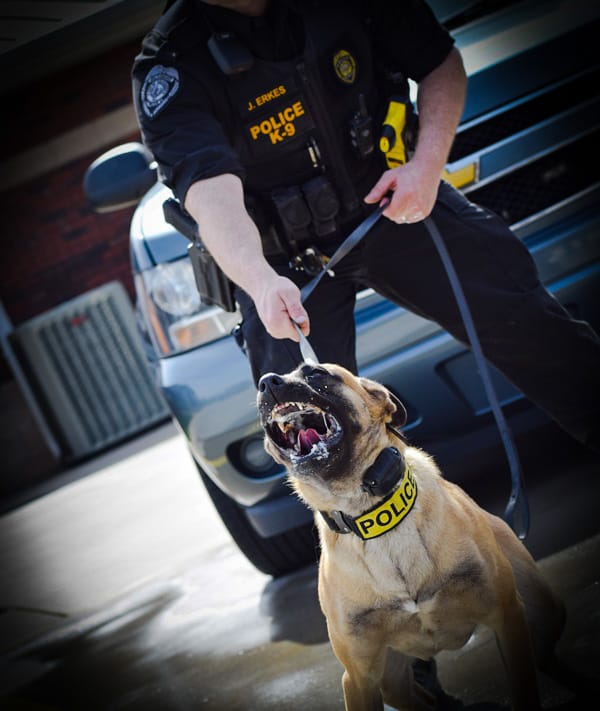
Image Source: tacticalpolicek9training.com
The Essential Foundation: Building Blocks for Success
Before diving into the specifics of police dog training, it’s crucial to establish a strong foundation in animal handling and behavior. A deep appreciation for dogs and their capabilities is paramount.
Gaining Hands-On Experience
Practical experience is non-negotiable. You won’t become a police dog trainer overnight. Start by working with dogs in various capacities.
- Volunteer at Animal Shelters: This provides exposure to different breeds, temperaments, and behavioral issues. You’ll learn basic care, handling, and how to manage stress in animals.
- Work at a Kennel or Doggy Daycare: Similar to shelters, these environments offer daily interaction with many dogs. You’ll hone your skills in managing groups, recognizing stress signals, and ensuring safety.
- Assist a Professional Dog Trainer: Seek out experienced trainers, especially those who work with more challenging dogs. Offer your time and assistance to learn their methods and gain insights.
Acquiring Foundational Dog Knowledge
A solid understanding of canine psychology and behavior is critical. You need to know why dogs do what they do to effectively train them.
- Dog Behavior and Psychology: Learn about canine communication, learning theory, and the impact of socialization and environment. A good dog behaviorist can offer invaluable insights through their work.
- Basic Obedience Training: Mastering fundamental commands like sit, stay, come, and heel is the first step in any training regimen. This forms the bedrock for more advanced obedience training.
- Positive Reinforcement Techniques: Modern, effective police dog training relies heavily on positive reinforcement. This involves rewarding desired behaviors, making training a positive experience for the dog.
Educational Pathways and Certifications
While a formal degree isn’t always mandatory, it can provide a strong advantage. More importantly, specialized certifications demonstrate your proficiency.
- Relevant Educational Backgrounds: Degrees in Animal Science, Psychology, or Veterinary Technology can be beneficial. These programs often cover animal behavior, physiology, and welfare.
- Professional Certifications: Look for certifications from reputable organizations. These validate your skills in areas like professional dog training and canine behavior.
The Path to Police K9 Training: Specialized Skills and Requirements
Once you have a solid foundation, you’ll need to focus on the specific skills required for K9 training within law enforcement. This is where the focus shifts from general dog handling to the unique demands of police work.
Understanding the Role of a Police Dog
Police dogs, often referred to as K9s, are highly trained working animals. They perform a variety of critical tasks that support law enforcement officers.
- Detection: Locating narcotics, explosives, accelerants, or missing persons.
- Apprehension: Tracking and apprehending fleeing suspects.
- Patrol: Crowd control, officer protection, and search and rescue.
- Article Search: Finding evidence discarded by suspects.
Developing Essential K9 Training Skills
Police K9 training schools offer programs designed to impart these specialized skills.
- Scent Detection Training: This is a cornerstone of many police dog roles. Dogs are trained to identify and alert to specific scents. This involves systematic exposure to target odors in various environments.
- Agility Training: Police dogs need to be physically capable of navigating diverse terrains and obstacles. Agility training ensures they can jump, climb, and maneuver effectively.
- Obedience and Control: Beyond basic commands, police dogs require exceptional obedience under high-stress conditions. This includes off-leash control and the ability to ignore distractions.
- Bite Work and Apprehension: For dogs trained in apprehension, rigorous and ethical bite work is essential. This focuses on controlled aggression and the ability to release on command.
- Handler Protection: Training the dog to protect its handler is a critical aspect of patrol work.
Becoming a Police Dog Handler First
Often, the most direct route to becoming a police dog trainer is to first become a police dog handler. This hands-on experience provides invaluable insight into the working relationship between a dog and its handler.
- Law Enforcement Academy: You’ll need to meet the requirements for joining a police department and successfully complete a police academy.
- Selection Process for K9 Units: Once an officer, you can express interest in the K9 unit. Selection typically involves a rigorous evaluation of your experience, temperament, and potential.
- Handler Training: As a selected officer, you will undergo intensive training alongside your assigned K9 partner. This phase is crucial for building the bond and mastering the techniques needed for police work.
Transitioning from Handler to Trainer
With experience as a handler, you can then move into a training role.
- Advanced Handler Experience: Accumulate significant experience as an active police dog handler.
- Mentorship and Apprenticeship: Seek opportunities to learn from experienced police dog trainers within your department or through external programs.
- Formal Trainer Certification: Pursue certifications specifically for police K9 trainers. Organizations dedicated to law enforcement training often offer these.
Finding the Right Training: Police Dog Training Schools and Programs
Choosing the right police K9 training schools is vital for acquiring the necessary expertise. These institutions offer structured curricula designed to prepare individuals for the rigorous demands of the field.
What to Look For in a Police K9 Training School
Not all schools are created equal. Here are key factors to consider:
- Accreditation and Reputation: Research the school’s standing. Look for affiliations with recognized law enforcement or animal training organizations.
- Instructor Experience: Are the instructors former experienced police dog handlers or trainers with a proven track record?
- Curriculum Content: Does the program cover all essential aspects of specialized police dog training, including obedience, detection, tracking, and potentially apprehension?
- Training Methodologies: Ensure the school employs modern, ethical, and effective training techniques, primarily focusing on positive reinforcement.
- Dog Welfare: A reputable school prioritizes the health, safety, and welfare of the dogs throughout the training process.
- Certification Opportunities: Does the school prepare you for or offer specific police dog certification upon completion?
Types of Police Dog Training Programs
Programs vary in length and focus.
- Basic K9 Handler Courses: These are typically for new handlers partnering with their dogs.
- Advanced K9 Training: For experienced handlers looking to specialize or refine skills.
- Trainer Certification Programs: These are specifically designed for individuals aiming to become trainers.
- Specialized Scent Detection Courses: Focusing solely on narcotic, explosive, or other scent detection disciplines.
- Apprehension and Protection Training Courses: Concentrating on the skills needed for suspect tracking and apprehension.
Table 1: Key Features of Reputable Police K9 Training Programs
| Feature | Description | Importance |
|---|---|---|
| Experienced Instructors | Trainers with extensive practical experience in law enforcement and K9 operations. | Provides real-world insights and proven methodologies. |
| Comprehensive Curriculum | Covers all aspects of K9 training, including obedience, detection, tracking, and behavioral management. | Ensures a well-rounded skill set for effective training. |
| Ethical Training Methods | Focuses on positive reinforcement and humane treatment of the dogs. | Promotes strong handler-dog relationships and avoids developing behavioral problems. |
| Handler-Dog Partnership | Emphasizes building a strong bond and effective communication between the handler and the dog. | Crucial for successful K9 unit operations. |
| Realistic Training Scenarios | Utilizes diverse environments and situations to simulate real-world police work. | Prepares dogs and handlers for the challenges they will face in the field. |
| Certification Pathways | Offers preparation for or direct provision of recognized police dog certification. | Validates the training and skills acquired, essential for deployment. |
| Dog Welfare Standards | Adheres to high standards of canine health, nutrition, and safety throughout the training. | Ensures the well-being of the animals involved in training. |
The Training Process: From Puppy to Patrol Partner
K9 training is a continuous journey, not a destination. It involves meticulous planning, consistent effort, and adaptability.
Puppy Socialization and Foundation Building
The training process often begins with young dogs. Proper obedience training starts early.
- Early Socialization: Exposing puppies to a wide range of sights, sounds, people, and environments is crucial for developing confident, well-adjusted dogs.
- Basic Obedience: Establishing a strong command of basic obedience before introducing complex tasks.
- Building Drive and Motivation: Encouraging a dog’s natural drives and channeling them positively.
Advanced Training Disciplines
Once the foundation is solid, specialized training begins.
- Scent Detection Training: This involves conditioning the dog to associate a specific odor with a reward. The complexity increases with varying odor concentrations, masking scents, and different search patterns. This is a vital part of specialized police dog training.
- Agility Training: This component focuses on building the dog’s physical confidence and capability. Obstacles can include walls, tunnels, ladders, and hurdles.
- Tracking and Trailing: Teaching dogs to follow a specific person’s scent trail. This requires developing their ability to discriminate individual scents and maintain focus over distance and time.
- Area Search: Training dogs to systematically search a given area for a person or a specific object.
Handler Training and Partnership Development
The effectiveness of a police K9 unit hinges on the bond between the handler and the dog.
- Teamwork and Communication: Training emphasizes clear, non-verbal communication between handler and dog.
- Problem-Solving: Equipping handlers with the skills to read their dog’s cues and adapt training or deployment strategies as needed.
- Reinforcement Strategies: Learning how and when to reward the dog to maintain motivation and reinforce desired behaviors.
Maintaining Proficiency: Ongoing Training and Certification
Police dog certification is not a one-time achievement. It requires ongoing training and regular re-certification to ensure continued proficiency.
- Regular Practice: Departments conduct regular training sessions to keep the dogs sharp.
- New Scenarios and Odors: Introducing new challenges and scents helps maintain the dog’s alertness and adaptability.
- Performance Evaluations: Periodic evaluations assess the handler-dog team’s performance in various tasks.
Career Progression and Opportunities
The career path of a police dog trainer can be diverse and rewarding.
Roles Within Law Enforcement
- K9 Unit Trainer: Directly responsible for training new dogs and handlers within a police department.
- K9 Unit Supervisor: Overseeing the K9 unit’s operations, training schedules, and personnel.
- Master Trainer: A highly experienced individual who develops training protocols and mentors other trainers.
Private Sector Opportunities
Some experienced police dog trainers transition to the private sector.
- Private Security Firms: Training dogs for security roles, such as detection or guard work.
- Service Dog Training: While distinct from police work, the foundational skills in behavior and training are transferable.
- Consulting: Offering expertise to law enforcement agencies or private organizations on K9 program development and training.
The Importance of Continuous Learning
The field of canine behavior and training is constantly evolving. Staying current is essential.
- Attend Seminars and Workshops: Participate in continuing education opportunities to learn about new techniques and research.
- Networking: Connect with other trainers and handlers to share knowledge and experiences.
- Reading and Research: Stay informed through books, journals, and reputable online resources.
Frequently Asked Questions (FAQ)
What qualifications do I need to become a police dog trainer?
You generally need prior experience in law enforcement, ideally as a police dog handler, coupled with extensive knowledge of canine behavior and training. Specific certifications in K9 training are often required, and some departments may prefer or require a degree in a related field.
How long does it take to become a police dog trainer?
The timeline can vary significantly. Becoming an experienced police dog handler can take several years after joining a police force. Transitioning to a trainer role usually requires several more years of dedicated experience and specialized training. Some police K9 training schools offer intensive trainer certification programs that can be completed in a few months, but this assumes you already have a strong background.
What are the most important skills for a police dog trainer?
Key skills include: deep knowledge of canine behavior and learning theory, proficiency in various training methods (especially positive reinforcement), excellent communication and leadership skills, patience, problem-solving abilities, and a thorough understanding of law enforcement procedures and safety protocols. The ability to assess a dog’s temperament and potential is also crucial.
Is bite work necessary for all police dogs?
No. While apprehension dogs undergo extensive bite work training, many police dogs are trained for other specialized roles like scent detection training or tracking, which do not involve apprehension or bite work. The type of training depends entirely on the dog’s intended function within the police department.
How do police select dogs for training?
Dogs are typically selected based on specific breed characteristics known for good working traits (like German Shepherds, Belgian Malinois, and Labrador Retrievers) and, more importantly, individual temperament. Trainers look for dogs that are confident, possess a high prey drive and a strong desire to work, are not overly reactive, and can remain focused under stress. Puppy evaluations and assessments of adult dogs are common.
What is the difference between a police dog handler and a police dog trainer?
A police dog handler is an officer who works directly with a trained police dog in the field, applying the dog’s skills during law enforcement operations. A police dog trainer is responsible for selecting, socializing, and teaching both the dogs and the handlers the necessary skills for police work. A handler becomes a trainer through experience and further specialization.
How are police dogs certified?
Police dog certification is typically achieved through rigorous testing by recognized certifying bodies or through internal departmental standards that align with national guidelines. These tests evaluate the dog’s proficiency in specific tasks, such as scent detection training, obedience, tracking, or apprehension, under realistic operational conditions. Re-certification is usually required periodically to ensure continued competence.