
Can I calm my dog for grooming? Yes, you absolutely can calm your dog for grooming by employing a combination of preparation, positive reinforcement, and gentle techniques. This guide provides a comprehensive approach to transforming grooming sessions from stressful ordeals into positive experiences for both you and your furry companion.
Grooming is a necessary part of pet ownership. It keeps your dog healthy and looking their best. However, many dogs find grooming stressful. Anxious dog grooming can be a real challenge for owners. It’s important to know how to help your dog feel safe and relaxed. This guide will show you how to do just that. We will cover dog desensitization grooming, positive reinforcement grooming, and fear-free grooming techniques. You’ll also learn about calming aids for dogs grooming and dog grooming anxiety relief. Let’s get started on preparing dog for grooming so it’s a happy time.
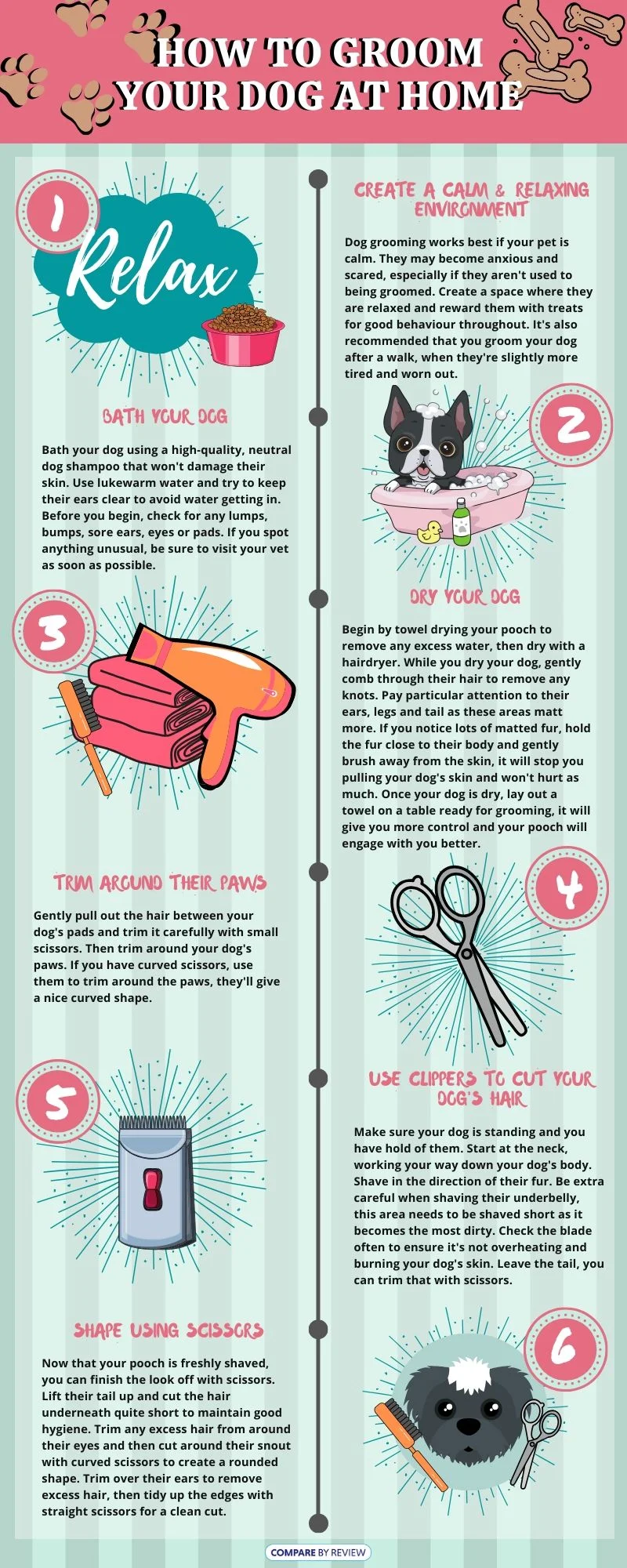
Image Source: www.comparebyreview.com
Why Do Dogs Get Anxious About Grooming?
Dogs can become anxious about grooming for many reasons. Their experiences shape their feelings. If a dog has had a bad grooming experience in the past, they might be fearful.
- Past Negative Experiences: A rough handling, a loud dryer, or an uncomfortable restraint can create lasting fear.
- Sensory Overload: Grooming involves many new sensations. The sound of clippers, the feel of water, or the smell of shampoos can be overwhelming.
- Lack of Familiarity: If a dog isn’t used to being touched or handled in certain ways, they may resist. This includes nail trims, ear cleaning, or brushing.
- Physical Discomfort: Some dogs might have underlying health issues that make grooming painful. For example, arthritis can make lying still difficult.
- Fear of Restraint: Being held or confined can trigger anxiety in dogs, especially if they aren’t used to it.
Creating a Calm Environment for Grooming
The environment plays a huge role in a dog’s comfort level. A calm space can make a big difference.
Setting the Scene
- Quiet Space: Choose a quiet room away from noise and distractions. This could be a bathroom, a spare bedroom, or even a corner of your living room.
- Comfortable Surface: Use a non-slip mat or a towel on the grooming surface. This helps dogs feel more secure and prevents them from sliding.
- Familiar Scents: If your dog has a favorite blanket or toy, bring it into the grooming area. Familiar scents can be very comforting.
Temperature Control
- Not too hot, not too cold: Make sure the room is a comfortable temperature. Overheating or feeling too cold can add to a dog’s stress.
- Good Ventilation: Ensure there is good air flow, especially if using a dryer.
Gradual Introduction: Dog Desensitization Grooming
Dog desensitization grooming is a process of slowly introducing your dog to grooming tools and procedures. This helps them become less afraid. It’s all about making good things happen during grooming.
Step-by-Step Introduction to Tools
Start with simple steps and build up slowly.
- Brushing:
- Begin by simply holding the brush. Let your dog sniff it.
- Give a treat.
- Gently brush your dog for a few seconds.
- Reward with a treat and praise.
- Gradually increase brushing time and cover more areas of their body.
- Clippers (Without Sound):
- Show your dog the clippers. Let them sniff.
- Give a treat.
- Turn the clippers on away from your dog.
- Give a treat when they hear the sound from a distance.
- Slowly move the clippers closer as they get comfortable.
- Clippers (With Touch):
- Turn clippers off.
- Gently touch the clippers to your dog’s fur for a second.
- Immediately reward with a treat.
- Repeat this, getting them used to the sensation on different parts of their body.
- Water:
- If using a hose or showerhead, start by letting them see and sniff it.
- Turn on a trickle of water away from them. Reward.
- Gradually introduce the water to their paws, then legs, etc.
- Use lukewarm water.
Counter-Conditioning: Making Grooming Rewarding
This is a key part of positive reinforcement grooming. You want your dog to associate grooming with good things.
- High-Value Treats: Use special grooming treats for dogs that your dog absolutely loves. These should be small, tasty, and given frequently. Think tiny pieces of cheese, chicken, or specialized training treats.
- Timing is Key: Deliver treats during and immediately after a positive grooming experience. This strengthens the connection.
- Associate Tools with Treats: Place tools near your dog, then give a treat. Let them see the tool, then get a treat. This builds positive associations.
Positive Reinforcement Grooming Techniques
Positive reinforcement grooming rewards desired behaviors, making grooming a more enjoyable experience for your dog.
Rewarding Calmness and Cooperation
- Praise and Affection: Use a soft, happy voice. Offer gentle pets and scratches in their favorite spots.
- Treats, Treats, Treats: As mentioned, use high-value treats liberally. If your dog stands still for brushing, reward them. If they allow you to trim one nail, reward them.
- Short, Sweet Sessions: Start with very short grooming sessions. Even 30 seconds of positive interaction is a win. Gradually increase the duration as your dog becomes more comfortable.
What Not To Do
- Never Punish: Punishing a dog for being anxious or resistant will only increase their fear and make future grooming sessions harder.
- Avoid Forcing: If your dog is showing clear signs of distress (licking lips, yawning, whale eye, trying to escape), stop and try again later with an easier step.
- No Startling Noises: Avoid dropping tools or making loud, sudden noises.
Fear-Free Grooming Techniques: Gentle and Safe Practices
Fear-free grooming techniques focus on minimizing stress and ensuring your dog feels safe throughout the entire process. This prioritizes your dog’s emotional well-being.
Gentle Handling
- Soft Touch: Always handle your dog with a gentle, calm touch. Avoid rough tugging or pulling.
- Support Their Body: When handling their paws or head, support their body to make them feel more secure.
- Read Their Body Language: Pay close attention to your dog’s signals. Learn to recognize early signs of stress and adjust your approach accordingly.
Safe Dog Grooming Practices
Safe dog grooming practices are essential to prevent injury and ensure a positive experience.
- Proper Restraint: If you need to restrain your dog, use gentle, secure methods. Avoid anything that pinches or causes discomfort. A grooming loop can be helpful, but it should be adjusted loosely enough to prevent choking.
- Tool Safety: Ensure grooming tools are clean, sharp, and in good working order. Dull blades can pull fur and cause pain. Be careful with sharp edges.
- Water Temperature: Always check water temperature before wetting your dog. Lukewarm is best.
- Ear and Eye Protection: Use cotton balls loosely in the ears to prevent water from entering. Be very careful around the eyes. Use a veterinarian-approved eye lubricant if needed.
Specific Grooming Tasks and How to Ease Them
Let’s break down common grooming tasks and how to make them less stressful.
Nail Trimming
Nail trims are often a major source of anxiety.
- Start Early: Get puppies used to having their paws handled from a young age.
- Touch Paws Regularly: Gently hold your dog’s paws daily, offering treats.
- Introduce Clippers: Let them see and sniff the nail clippers. Reward.
- Trim One Nail at a Time: If your dog is very fearful, just trim one nail per session, then stop and offer a high-value treat.
- Avoid the Quick: Be sure to only trim the tip of the nail. The quick contains blood vessels and nerves. Cutting it will cause pain and bleeding. If you accidentally cut the quick, stay calm, apply styptic powder, and reassure your dog.
- Grinders: Some dogs tolerate nail grinders better than clippers. The vibration can still be a challenge, so desensitization is key here too.
Bathing
Bathing can be a sensory challenge for many dogs.
- Preparation is Key: Brush your dog thoroughly before the bath to remove loose hair and mats. Mats can become painful when wet.
- Gradual Water Introduction: Start by wetting your dog’s paws and legs. Use a gentle stream of lukewarm water.
- Shampoo Placement: Apply shampoo to your hands first, then work it into their coat. This avoids direct contact with concentrated shampoo on their skin.
- Calm Voice: Speak in a soft, reassuring tone throughout the bath.
- Avoid Face and Ears: Be very careful to avoid getting water or shampoo in your dog’s eyes or ears. You can use cotton balls loosely in their ears.
- Gentle Towel Drying: Pat your dog dry with a soft towel. If using a dryer, start on a low, cool setting and keep it moving.
Ear Cleaning
Ear cleaning requires a delicate touch.
- Use Approved Cleaner: Only use an ear cleaner recommended by your veterinarian.
- Introduce the Bottle: Let your dog sniff the cleaner bottle. Reward.
- Gentle Massage: Put a few drops of cleaner into the ear canal and gently massage the base of the ear for about 20 seconds.
- Let Them Shake: Allow your dog to shake their head. This helps dislodge debris.
- Wipe Clean: Use a cotton ball or gauze to gently wipe away loosened debris from the outer ear. Never insert anything deep into the ear canal.
Hair Trims and Clipping
This is often the most intimidating part for dogs due to noise and sensation.
- Desensitize to Clippers: As outlined above, this is crucial.
- Start with Quiet Areas: Begin with less sensitive areas like the back or chest before moving to the face, legs, or belly.
- Use Sharp Blades: Sharp blades cut fur cleanly, reducing pulling and discomfort.
- Keep Clippers Cool: Clippers can heat up during use. If they become warm, stop and let them cool down, or use a cooling spray.
- Work in Short Bursts: Clip for a few seconds, then stop and offer a treat and praise.
Introducing Calming Aids for Dogs Grooming
Sometimes, extra support is needed. Calming aids for dogs grooming can be a helpful addition to your strategy.
Types of Calming Aids
- Dietary Supplements: Many supplements contain ingredients like L-theanine, melatonin, or chamomile, known for their calming properties.
- Pheromones: Synthetic pheromone diffusers or sprays can mimic natural calming signals.
- Calming Treats: These are treats infused with calming ingredients.
- Anxiety Wraps/Thundershirts: These apply gentle, constant pressure, which can have a soothing effect on some dogs.
- Veterinary Consultation: For severe anxiety, talk to your veterinarian. They may recommend prescription medications.
Using Calming Aids Safely
- Consult Your Vet: Always discuss any new supplements or aids with your veterinarian, especially if your dog has existing health conditions or is on other medications.
- Follow Dosage Instructions: Use products only as directed.
- Start Early: For supplements or pheromones, start using them a few days or weeks before grooming, not just during the session.
Recognizing and Responding to Stress Signals
Learning your dog’s body language is vital for dog grooming anxiety relief.
Common Signs of Stress in Dogs
| Sign | Description |
|---|---|
| Lip Licking | Rapid licking of the lips, often when not eating or drinking. |
| Yawning | Yawning, especially when not tired. |
| Whale Eye | The whites of the dog’s eyes become visible as they turn their head away. |
| Tail Tucked | Tail held low or between the legs. |
| Pacing/Restlessness | Inability to settle, moving around constantly. |
| Panting | Excessive panting, especially when not hot or having exercised. |
| Trembling/Shaking | Shaking or trembling, even in warm temperatures. |
| Ears Pinned Back | Ears held flat against the head. |
| Freezing/Immobility | Becoming stiff and unmoving, often with a tense body. |
| Growling/Snapping | Vocalization or snapping, indicating extreme discomfort or fear. |
What to Do When You See Stress Signals
- Pause: If you notice any of these signs, stop what you are doing.
- Reassure: Speak in a soft, calm voice. Offer a gentle pet if your dog is receptive.
- Return to a Lower Step: Go back to the previous step in the desensitization process that your dog was comfortable with.
- End on a Positive Note: If your dog tolerates even a small part of the grooming process, end the session with a treat and praise.
When to Seek Professional Help
While many owners can manage grooming at home with patience and the right techniques, sometimes professional help is needed.
Signs You Might Need a Professional Groomer
- Extreme Anxiety: If your dog’s anxiety is so severe that they become aggressive or shut down completely.
- Matting: Severe matting can be painful to groom and may require professional tools and expertise to remove safely.
- Skin Conditions: If your dog has skin issues that require specialized shampoos or treatments.
- Your Own Comfort Level: If you are feeling overwhelmed or unable to provide a safe and calm grooming experience.
Choosing a Fear-Free Groomer
- Ask About Their Methods: Inquire about their approach to anxious dogs. Look for groomers who emphasize fear-free grooming techniques and positive reinforcement grooming.
- Observe the Environment: Visit the salon if possible. Does it look clean and calm? Are dogs being handled gently?
- Read Reviews: Check online reviews for feedback on how they handle anxious or difficult dogs.
Frequently Asked Questions (FAQ)
Here are some common questions about calming dogs for grooming.
How long does it take to desensitize a dog to grooming?
The time it takes varies greatly depending on the dog. Some dogs may become comfortable in a few weeks, while others may take months. Consistency and patience are key.
Can I groom my dog at home?
Yes, you can groom your dog at home. Many basic grooming tasks like brushing, occasional baths, and nail trims can be done by owners, especially with proper preparation and techniques.
What are the best grooming treats for dogs?
The best treats are small, high-value, and something your dog absolutely loves. Think small pieces of cooked chicken, cheese, liver treats, or specialized training treats.
How often should I groom my dog?
The frequency depends on your dog’s breed, coat type, and lifestyle. Most dogs benefit from regular brushing a few times a week. Baths may be needed monthly or as necessary, and nail trims every few weeks. Professional grooming schedules vary widely.
My dog hates clippers. What can I do?
Start with dog desensitization grooming by introducing the clippers slowly. Let them see and sniff the clippers (turned off). Then, turn them on from a distance. Reward your dog for calm behavior at each step. You can also try touching them with the clippers (turned off) and rewarding them, gradually working up to turning them on while they are on the dog. Using a high-quality, quiet clipper can also help.
What if my dog tries to bite during grooming?
If your dog shows aggression, stop immediately. This is a sign of extreme fear or distress. Do not force the grooming. Re-evaluate your approach. You may need to go back to simpler steps or seek professional help from a groomer or a certified dog trainer specializing in behavior.
By implementing these strategies, you can make grooming a less stressful and more positive experience for your beloved dog, strengthening your bond and ensuring their well-being. Remember, patience, consistency, and a focus on positive reinforcement are your best tools.