
Can you clean dog pee from a couch? Yes, you absolutely can clean dog pee from a couch, and the sooner you act, the better your chances of complete success. Getting dog urine out of furniture is a common challenge for pet owners, but with the right approach and products, you can effectively tackle both the stain and the odor.
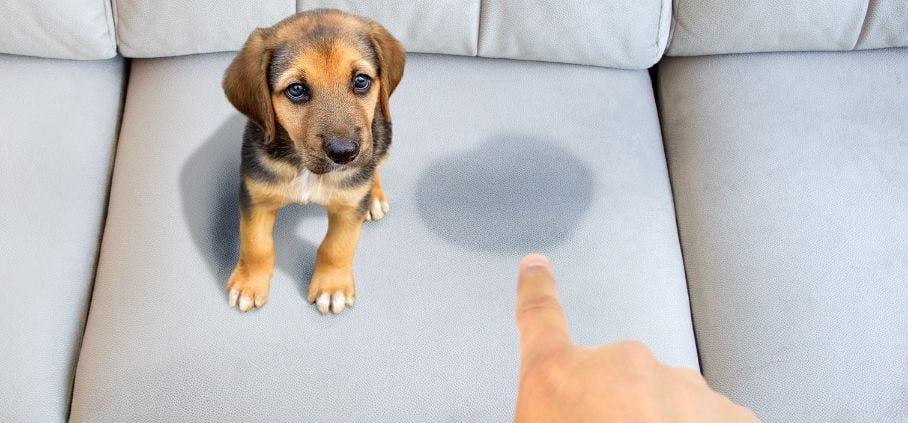
Image Source: fantasticservicesgroup.com.au
Why Prompt Action is Crucial for Dog Urine on Your Couch
When your dog has an accident on the couch, it’s easy to feel frustrated. But the most important thing is to act fast. Dog urine is not just water; it contains uric acid crystals, proteins, and other compounds that can soak deep into your couch’s fabric and cushioning. If left untreated, these components can bind to the fibers, leading to persistent stains and a lingering odor that can be difficult to eliminate. The longer the urine sits, the harder it will be to get rid of it completely. Fresh accidents are much easier to clean than old, set-in stains.
Different Types of Couch Fabrics and How They React to Cleaning
Your couch’s material plays a big role in how you should clean it. Different fabrics need different care. Always check the manufacturer’s tag for cleaning instructions.
Fabric Couch Cleaning Considerations
- Microfiber: This material is generally durable and easy to clean. Most microfiber couches can handle water-based cleaners.
- Cotton & Linen: These natural fibers are absorbent and can be prone to water stains. They may require more gentle cleaning methods.
- Leather: Leather is not fabric, but it’s a common couch material. It needs specialized leather cleaners and conditioners. Avoid using too much water, as it can damage the leather.
- Suede & Velvet: These delicate fabrics require very specific cleaning methods, often involving specialized products or professional upholstery cleaning. Harsh chemicals or excessive moisture can ruin their texture and appearance.
Knowing your couch’s material helps you choose the right couch cleaning products and avoid making the problem worse.
Step-by-Step Guide: Tackling Dog Pee Stains and Odors
Removing dog urine stain removal requires a systematic approach. Here’s how to tackle it:
Step 1: Blotting Up Excess Moisture
- What to do: Immediately after discovering the accident, grab clean, absorbent cloths or paper towels. Press them firmly onto the wet area to soak up as much urine as possible.
- Why it’s important: This step is critical. The more urine you can remove by blotting, the less will have a chance to soak into the couch fibers and padding.
- How to do it: Keep blotting with fresh towels until no more moisture transfers to the towels. Avoid rubbing, as this can spread the urine and push it deeper into the fabric.
Step 2: Choosing the Right Cleaning Solution
This is where you decide between commercial products and DIY dog pee cleaner options.
Commercial Couch Cleaning Products
When looking for commercial solutions, seek out products specifically designed for pet stain remover. The most effective type of cleaner for dog urine is an enzymatic cleaner for dog urine.
- Enzymatic Cleaners: These cleaners contain active enzymes that break down the uric acid crystals in urine. This process not only removes the stain but also neutralizes the odor-causing compounds. They are the gold standard for how to get rid of dog pee smell.
- Upholstery Cleaners: Many general upholstery cleaners can work for fresh stains, but they might not fully eliminate the odor. Always ensure they are safe for your couch’s fabric type.
- Odor Neutralizers: Some products are specifically designed to eliminate odors without necessarily cleaning the stain itself. These can be helpful as a follow-up step.
Natural Couch Cleaner and DIY Options
If you prefer a natural couch cleaner, you have a few effective options.
- Vinegar and Water Solution:
- What you need: White vinegar, water, spray bottle.
- How to make it: Mix equal parts white vinegar and water in a spray bottle.
- Why it works: Vinegar is acidic and can help neutralize the alkaline salts in urine, helping to break down odors.
- How to use it: Spray the solution liberally onto the stained area. Let it sit for 10-15 minutes, then blot thoroughly.
- Baking Soda:
- What you need: Baking soda.
- Why it works: Baking soda is a natural deodorizer and absorbent.
- How to use it: After blotting and potentially using a vinegar solution, generously sprinkle baking soda over the damp area. Let it sit overnight to absorb moisture and odors. Vacuum it up the next day.
Table: Pros and Cons of Cleaning Solutions
| Solution Type | Pros | Cons |
|---|---|---|
| Enzymatic Cleaner | Highly effective at removing stains and odors; breaks down uric acid. | Can be more expensive; requires time to work. |
| Vinegar & Water | Natural, inexpensive, helps neutralize odors. | May not fully remove deep stains; the vinegar smell needs to dissipate. |
| Baking Soda | Excellent deodorizer, absorbent, natural. | Primarily addresses odor and surface moisture; not a primary stain remover on its own. |
| General Upholstery Cleaner | Can be effective for fresh stains; widely available. | May not fully eliminate urine odor; always check fabric compatibility. |
Step 3: Applying the Cleaning Solution
- If using an enzymatic cleaner: Follow the product instructions precisely. Typically, you’ll spray it generously onto the affected area, ensuring it saturates the fabric and reaches the padding. Some products require you to cover the area with a damp cloth and let it sit for a specific period, sometimes for several hours or even overnight, to allow the enzymes to work.
- If using the vinegar solution: Spray the vinegar and water mixture onto the stain until it’s damp, but not soaking wet. Let it sit for about 10-15 minutes.
- Important Note: Always spot-test any cleaning product on an inconspicuous area of your couch first to ensure it doesn’t cause discoloration or damage.
Step 4: Blotting and Rinsing (if necessary)
- For enzymatic cleaners: After the recommended dwell time, blot the area thoroughly with clean cloths to absorb the loosened residue.
- For vinegar solution: Blot the area with clean, damp cloths to “rinse” away the vinegar solution. You want to remove the vinegar without re-saturating the couch.
- If using a general upholstery cleaner: Follow the product’s instructions for application and blotting.
Step 5: Drying the Couch
- Air Drying: The best way to dry your couch is to let it air dry completely. Open windows to improve ventilation.
- Fans: Use fans to speed up the drying process. Directing fans towards the damp area can significantly reduce drying time.
- Avoid Heat: Do not use hairdryers on high heat, as this can set any remaining stains or odors and potentially damage the fabric.
Step 6: Deodorizing (If Odor Lingers)
If, after drying, you can still detect a dog pee smell, you’ll need to address the odor.
- Baking Soda: Sprinkle a generous amount of baking soda over the dried, affected area. Let it sit for at least several hours, or preferably overnight. Then, vacuum it up thoroughly. This is an excellent way to remove dog odor from sofa.
- Enzymatic Sprays: If the odor persists, you might need another application of an enzymatic cleaner. Ensure the product is specifically designed for odor elimination.
- Activated Charcoal: Place bowls of activated charcoal near the couch. It’s highly effective at absorbing odors from the air.
Tackling Stubborn Stains and Persistent Odors
Sometimes, a single cleaning isn’t enough, especially for older or deeper stains.
Repeat Applications
- For tough stains, you may need to repeat the cleaning process. Apply the enzymatic cleaner for dog urine again, ensuring it penetrates deeply. Patience is key here.
Dealing with Deep Saturation
- If the urine has soaked through to the couch’s padding or frame, it becomes much more challenging. You might need to lift the cushions and clean the underside as well. For severely saturated couches, professional upholstery cleaning might be the most effective solution.
The Role of UV Light
- A UV or black light can help you locate dried urine stains that are invisible to the naked eye. Urine stains fluoresce under UV light, allowing you to target any missed spots for treatment.
Preventing Future Accidents on Your Couch
Prevention is always better than cure.
House-Training Your Dog
- If your dog is still being house-trained, ensure they have frequent opportunities to go outside. Reward them when they do their business in the appropriate place.
Addressing Underlying Issues
- Sudden house-soiling can be a sign of a medical issue (like a urinary tract infection) or behavioral problem (like anxiety or separation distress). Consult your veterinarian to rule out any health concerns. If it’s behavioral, consider consulting a professional dog trainer or behaviorist.
Protecting Your Couch
- Washable Covers: Use a waterproof, washable slipcover for your couch. These are lifesavers for pet owners and can be easily tossed into the washing machine.
- Pet Repellents: Some commercial pet repellent sprays can discourage dogs from soiling furniture, though their effectiveness varies. Always test these in an inconspicuous area first.
- Positive Reinforcement: Continue to reinforce good behavior. Praise and reward your dog for staying off the couch if that’s your preference, or for going outside to relieve themselves.
Common Mistakes to Avoid When Cleaning Dog Pee
- Rubbing the Stain: This pushes the urine deeper into the fabric. Always blot.
- Using Ammonia-Based Cleaners: Ammonia is a component of urine, so using ammonia-based cleaners can actually attract your dog back to the same spot to mark it again.
- Using Too Much Water: Over-wetting the couch can lead to mold and mildew, and can damage certain fabrics.
- Not Testing Products: Always test cleaners on a hidden area first.
- Not Eliminating Odor: If the odor isn’t completely gone, your dog might return to the same spot. This is why enzymatic cleaners are so important for how to get rid of dog pee smell.
Frequently Asked Questions (FAQ)
Q1: How long does it take for enzymatic cleaners to work?
A: The dwell time for enzymatic cleaners varies by product, but it can range from a few minutes to several hours, or even overnight. Always follow the specific instructions on the product label.
Q2: Can I use a steam cleaner on dog urine stains?
A: Generally, it’s not recommended to use a steam cleaner on dog urine stains. The heat from the steam can permanently set the stain and odor into the fabric fibers.
Q3: What should I do if my dog peed on a leather couch?
A: For leather couches, blot up as much moisture as possible with a dry cloth. Then, use a cleaner specifically designed for leather. Avoid using water or harsh chemicals. You may need a leather conditioner afterward.
Q4: How do I know if the odor is truly gone?
A: Your sense of smell is the best indicator. If you can no longer detect any urine odor, it’s likely gone. However, if your dog seems to be returning to the same spot, even if you can’t smell it, they might still be detecting a faint odor. This is when an enzymatic cleaner is particularly crucial.
Q5: Are DIY cleaners as effective as commercial enzymatic cleaners?
A: While DIY solutions like vinegar can help neutralize odors and clean some fresh stains, commercial enzymatic cleaner for dog urine is generally more effective at breaking down the uric acid crystals that cause stubborn stains and persistent odors. They are formulated specifically for this purpose.
By following these detailed steps and choosing the right products, you can successfully clean dog pee from your couch and keep your home smelling fresh. Remember, quick action and the right approach are your best allies.