
Can you clean dog urine from a sofa? Yes, absolutely! With the right approach and products, you can effectively tackle dog urine stains and odors on your sofa, restoring it to a fresh, clean state. This guide will walk you through the best methods for sofa cleaning tips and how to deal with those unwelcome accidents.
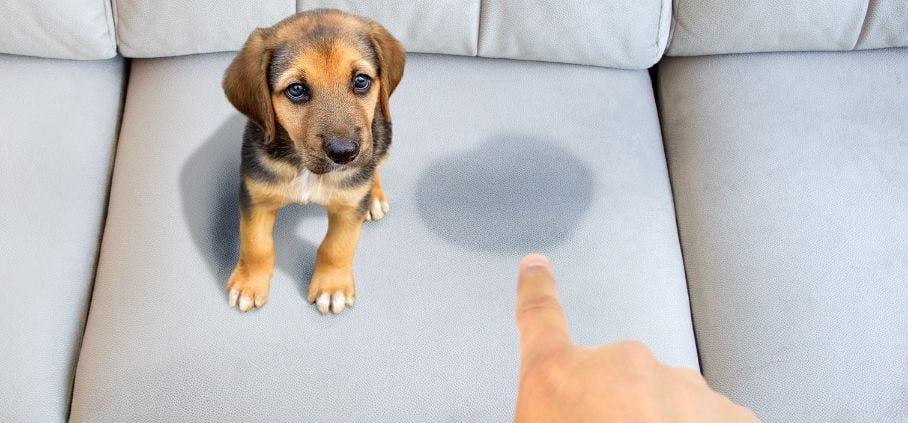
Image Source: fantasticservicesgroup.com.au
Immediate Action: The First Line of Defense
When your furry friend has an accident on the sofa, acting fast is crucial. The sooner you address the stain, the easier it will be to remove. Fresh urine is much easier to clean than dried-in stains.
1. Blot, Don’t Rub
The most important first step is blotting pet stains. Grab clean, absorbent cloths or paper towels immediately. Press them firmly onto the wet spot. The goal here is to soak up as much of the liquid as possible. Replace the cloths as they become saturated. Avoid rubbing, as this can push the urine deeper into the sofa fibers and spread the stain.
2. Containment is Key
If the accident is on a cushion, remove it from the sofa if possible. This prevents the urine from seeping into the sofa’s inner structure.
Choosing Your Cleaning Arsenal
Selecting the right pet stain remover is vital for success. Not all cleaning products are created equal, especially when dealing with organic stains like urine.
Essential Cleaning Supplies:
- Absorbent Cloths/Paper Towels: For initial blotting.
- Enzymatic Cleaner: This is your superstar for dog urine. More on this later.
- Mild Dish Soap: For initial surface cleaning if needed.
- White Vinegar: A natural disinfectant and odor neutralizer.
- Baking Soda: Excellent for baking soda for odor absorption.
- Spray Bottles: For applying cleaning solutions.
- Soft-bristled Brush: For gentle agitation.
- Clean Water: For rinsing.
- Vacuum Cleaner: With upholstery attachment.
The Power of Enzymatic Cleaners
For tackling dog urine, an enzymatic cleaner is your best friend. These cleaners contain natural enzymes that break down the organic molecules in urine, effectively eliminating both the stain and the odor at its source. Standard cleaners might mask the smell, but enzymes digest it.
How Enzymatic Cleaners Work:
- Breaking Down Proteins: Urine contains proteins that enzymes target.
- Eliminating Odor Molecules: By breaking down these proteins, the enzymes neutralize the ammonia and other odor-causing compounds.
- Preventing Re-Soiling: When odors are completely removed, dogs are less likely to mark the same spot again.
How to Use an Enzymatic Cleaner:
- Test in an Inconspicuous Area: Before applying liberally, test the cleaner on a hidden spot of your sofa to ensure it doesn’t cause discoloration or damage.
- Saturate the Area: Apply the enzymatic cleaner generously to the affected area. It needs to reach as deep as the urine did.
- Allow to Dwell: Follow the product instructions. Most enzymatic cleaners require a specific dwell time (often several hours or even overnight) for the enzymes to work effectively. You might need to cover the area with a damp cloth or plastic wrap to keep it moist and active.
- Blot Again: After the dwell time, blot up any excess moisture.
- Air Dry: Let the area air dry completely. Avoid using heat, as it can set any remaining stains or odors.
The Vinegar Solution Method
A vinegar solution is another effective and natural way to clean dog urine. Vinegar is acidic and can help neutralize the alkaline ammonia in urine, tackling both stain and odor.
Preparing and Using Your Vinegar Solution:
- Mix the Solution: Combine equal parts white vinegar and cool water in a spray bottle.
- Test First: As always, test this solution on an inconspicuous area of your sofa.
- Apply to the Stain: Lightly spray the vinegar solution onto the urine-affected area. Don’t saturate it to the point of soaking the sofa’s inner layers unless absolutely necessary and you are prepared for a longer drying time.
- Blot Gently: Use a clean cloth to gently blot the area.
- Let it Sit: Allow the vinegar solution to sit on the stain for about 10-15 minutes.
- Rinse (Optional but Recommended): Lightly mist the area with clean water and blot again to remove any residual vinegar.
- Dry: Blot thoroughly with dry cloths and allow the area to air dry.
Addressing Stubborn Odors with Baking Soda
Even after cleaning, a lingering smell can be a problem. This is where baking soda for odor comes into play. Baking soda is a fantastic natural deodorizer that absorbs smells.
Using Baking Soda to Eliminate Odors:
- Ensure Dryness: Make sure the area is completely dry after initial cleaning.
- Sprinkle Liberally: Sprinkle a generous amount of baking soda over the treated area.
- Let it Work: Leave the baking soda on for at least several hours, or preferably overnight. The longer it sits, the more odor it can absorb.
- Vacuum Up: Use your vacuum cleaner with the upholstery attachment to thoroughly remove all the baking soda.
Dealing with Different Sofa Materials
The type of fabric your sofa is made of will influence the best cleaning approach. Always check the manufacturer’s care tag for specific cleaning instructions.
Fabric Considerations:
- Microfiber: Microfiber is generally durable and relatively easy to clean. Most cleaning solutions work well.
- Cotton/Linen: These natural fibers can be absorbent and may require more gentle cleaning. Test solutions carefully.
- Leather: Leather requires specialized cleaners. Avoid excessive moisture and harsh chemicals.
- Velvet: Velvet can be delicate. Blotting is key, and using too much moisture can damage the pile.
Cleaning Other Sofa Types:
Leather Sofas:
- Immediate Blotting: Essential for leather.
- Leather Cleaner: Use a cleaner specifically designed for leather.
- Vinegar for Tough Spots (with caution): For very stubborn urine spots on leather, a highly diluted vinegar solution (1 part vinegar to 10 parts water) can be used very sparingly with a soft cloth. Blot immediately and then follow with a leather conditioner.
- Conditioning: Always condition leather after cleaning to restore moisture.
Velvet Sofas:
- Gentle Blotting: Crucial to avoid crushing the pile.
- Enzymatic Cleaner (Water-Based): Many enzymatic cleaners are water-based and safe for velvet, but always test.
- Avoid Over-Wetting: Use a damp cloth rather than spraying directly.
- Brush the Pile: Once dry, gently brush the velvet pile in its natural direction.
The Best Upholstery Cleaner for Pet Stains
When looking for an upholstery cleaner, prioritize those specifically formulated for pet stains. These are often enzymatic cleaners or contain oxygen-based brighteners that are effective against organic matter.
What to Look for in an Upholstery Cleaner:
- Enzymatic Action: As discussed, this is paramount.
- Odor Neutralizers: Look for products that don’t just mask but eliminate odors.
- Fabric Safety: Ensure it’s suitable for your sofa’s material.
- Non-Toxic/Pet-Friendly: For the safety of your pets and family.
Can I Use a Carpet Cleaner for Sofas?
Yes, you can often use a carpet cleaner for sofas, provided it’s a portable upholstery cleaner or a spray designed for both carpets and upholstery. However, be cautious:
- Moisture Control: Upholstery has less airflow than carpets. Over-wetting can lead to mildew or damage to the sofa’s internal padding and frame.
- Solution Strength: Use a diluted solution and ensure good ventilation for drying.
- Testing is Key: Always test in an inconspicuous area first.
Deep Cleaning Your Sofa
Sometimes, a simple spot clean isn’t enough, especially if the urine has spread or dried. A deeper clean might be necessary.
Step-by-Step Deep Clean:
- Initial Stain Treatment: Address any visible stains using the methods described above (enzymatic cleaner is highly recommended).
- General Cleaning: For the entire sofa, you might consider a diluted all-purpose upholstery cleaner or the vinegar solution.
- Using an Upholstery Cleaning Machine: If you have access to a portable upholstery cleaning machine, follow its instructions carefully. Use a cleaning solution appropriate for pet stains and your upholstery type. Ensure you don’t oversaturate.
- Thorough Drying: This is critical. Open windows, use fans, or a dehumidifier to speed up drying. Ensure the sofa is completely dry before allowing pets or people to use it.
Preventing Future Accidents
The best way to deal with dog urine on the sofa is to prevent it from happening in the first place.
Prevention Strategies:
- Frequent Potty Breaks: Ensure your dog has regular opportunities to relieve themselves outdoors.
- Positive Reinforcement: Praise and reward your dog for going potty in the designated outdoor area.
- Supervision: Keep a close eye on your dog, especially puppies or new dogs, and redirect them if they start to exhibit signs of needing to go indoors.
- Address Underlying Issues: If accidents are happening frequently, consider if there are behavioral issues, anxiety, or medical problems contributing to them. Consult your veterinarian or a professional dog trainer.
- Pet-Friendly Cleaning Products: For routine cleaning, always opt for pet friendly cleaning products to avoid exposing your dog to harsh chemicals.
Removing Dog Smell: A Holistic Approach
Effectively removing dog smell involves a multi-pronged approach. It’s not just about cleaning the spot; it’s about neutralizing all odor molecules.
Comprehensive Odor Removal:
- Immediate Cleaning: As stressed before, tackle stains immediately.
- Enzymatic Treatment: Essential for breaking down odor-causing bacteria.
- Baking Soda Application: For absorbing residual odors.
- Vinegar Solution: For its neutralizing properties.
- Ventilation: Keep the room well-ventilated during and after cleaning.
- Air Purifiers: Consider using an air purifier with a HEPA filter and activated charcoal to help remove airborne odors.
- Professional Cleaning: For persistent or widespread odors, professional upholstery cleaning might be necessary.
Troubleshooting Common Issues
Even with the best efforts, you might encounter some challenges.
Common Sofa Cleaning Challenges:
| Problem | Solution |
|---|---|
| Dried-on Urine Stains | Re-wet the area with an enzymatic cleaner. Allow a longer dwell time. You may need to repeat the process multiple times. Gentle agitation with a soft brush after the cleaner has worked can help loosen dried debris. |
| Lingering Ammonia Smell | This indicates the ammonia hasn’t been fully neutralized. Reapply an enzymatic cleaner, ensuring it saturates the area. Baking soda applied to a dry surface afterwards can absorb remaining odors. Ensure thorough drying. |
| Discoloration after Cleaning | This can happen if a cleaning solution was too harsh or if the dye in the fabric was affected. Always test first. For minor discoloration, sometimes a gentle rinse with clean water and blotting can help. For severe discoloration, professional cleaning or dyeing may be the only options. |
| Saturated Sofa Cushion | If a cushion is thoroughly soaked, it may need to be removed from its cover and allowed to dry completely in a well-ventilated area, perhaps outdoors on a sunny day (but protected from direct sun if it can cause fading). Ensure the inner foam or batting is fully dry before reinserting it into the cover. |
| Urine in Sofa Crevices | Use a spray bottle for precise application of enzymatic cleaner. A soft toothbrush can help gently work the cleaner into crevices. Ensure thorough blotting to remove excess moisture. |
Frequently Asked Questions (FAQ)
Q1: How long does it take for an enzymatic cleaner to work?
A1: Most enzymatic cleaners require a dwell time of several hours, often 6-12 hours or even overnight, to allow the enzymes to break down the urine molecules effectively. Always refer to the product’s instructions.
Q2: Can I use bleach on dog urine stains on my sofa?
A2: Absolutely not! Bleach can damage many sofa fabrics, permanently discolor them, and can react with ammonia in urine to create toxic fumes. Avoid bleach at all costs when cleaning pet stains.
Q3: My dog keeps peeing on the same spot on the sofa. What can I do?
A3: This usually means the odor hasn’t been completely eliminated from the dog’s perspective. Thoroughly re-treat the area with an enzymatic cleaner, ensuring it penetrates deeply. Consider blocking access to the spot temporarily or using a pet deterrent spray (test first). Consult a vet to rule out medical issues and a trainer for behavioral modification.
Q4: Is it safe to use a steam cleaner on dog urine?
A4: While steam cleaning can kill bacteria, the heat can also permanently set urine stains and odors. It’s generally not recommended for fresh urine stains. For a deep clean after the urine has been neutralized by other methods, a steam cleaner designed for upholstery might be used with extreme caution regarding moisture levels, but enzymatic cleaners are far more effective for the actual urine components.
Q5: How do I make sure my sofa is completely dry after cleaning?
A5: Ensure good air circulation by opening windows and using fans. You can also use a dehumidifier. Feel the fabric and padding to ensure it’s dry to the touch, especially in deeper layers of the cushion. Avoid using hair dryers on high heat, as this can damage fibers and set stains.
Conclusion
Cleaning dog urine from your sofa requires prompt action, the right products, and a thorough approach. By utilizing enzymatic cleaner and baking soda for odor, along with careful blotting pet stains, you can effectively eliminate both the stain and the unpleasant odor, restoring your sofa to its former glory. Remember to always test your chosen upholstery cleaner on an inconspicuous area first and consider the specific fabric of your sofa for the best results. With these couch cleaning tips, you can confidently tackle these common pet accidents and maintain a fresh, clean home.