
Can an old dog be fattened up safely? Yes, an old dog can be safely fattened up, but it’s crucial to do so under veterinary guidance to address any underlying health issues contributing to weight loss. This guide will explore how to achieve healthy weight gain for old pets, focusing on weight gain for senior dogs and increasing calories for elderly dogs.
As dogs age, several changes can occur that lead to unintentional weight loss. These can range from dental issues making it hard to eat, to digestive problems hindering nutrient absorption, or even more serious medical conditions like kidney disease, hyperthyroidism, or cancer. It’s never a good idea to simply start overfeeding your senior dog without first figuring out why they’ve become underweight. A veterinarian is your first and most important stop on this journey. They can perform a thorough examination, run necessary tests, and help identify the root cause of the weight loss. This ensures that any weight gain plan is safe and addresses the dog’s overall health, not just their weight.
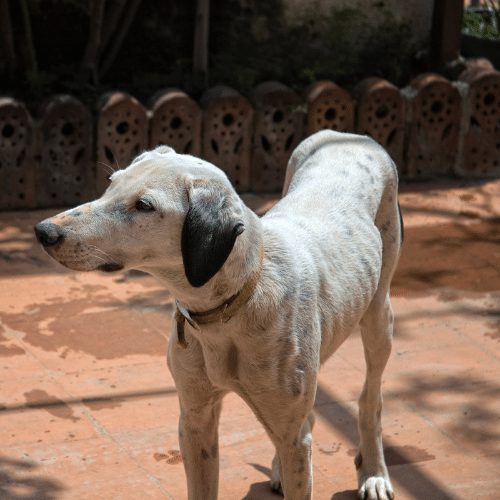
Image Source: spiritdogtraining.com
Why Are Older Dogs Losing Weight? Fathoming the Causes
It’s vital to understand the common reasons behind a senior dog’s declining weight. These aren’t always obvious and require careful observation and professional diagnosis.
Common Medical Reasons for Weight Loss in Senior Dogs
- Dental Problems: Many older dogs suffer from gum disease, tooth decay, or fractured teeth. This can make chewing food painful, leading them to eat less or avoid food altogether. Swollen gums or visible pain when eating are tell-tale signs.
- Gastrointestinal Issues: Conditions like inflammatory bowel disease (IBD), malabsorption syndromes, or even parasites can prevent the dog from properly digesting and absorbing nutrients from their food, even if they are eating normally.
- Kidney Disease: Chronic kidney disease is common in older dogs. It can lead to a loss of appetite, nausea, and increased thirst, all contributing to weight loss.
- Hyperthyroidism: Though less common in dogs than in cats, an overactive thyroid gland can speed up metabolism, causing dogs to burn calories faster than they can consume them, leading to a lean physique despite a good appetite.
- Diabetes Mellitus: Uncontrolled diabetes can lead to significant weight loss as the body cannot effectively use glucose for energy, breaking down fat and muscle instead.
- Heart Disease: Advanced heart conditions can cause fatigue and a reduced interest in food. Fluid buildup in the abdomen can also create a false sense of fullness.
- Cancer: Various types of cancer can affect a dog’s appetite, metabolism, and nutrient absorption, often resulting in rapid and severe weight loss.
- Arthritis and Mobility Issues: If a dog is experiencing pain from arthritis, they might struggle to get to their food bowl or may feel too uncomfortable to eat.
- Changes in Smell or Taste: As dogs age, their senses of smell and taste can diminish, making food less appealing.
Behavioral and Environmental Factors
- Stress and Anxiety: Changes in the household, new pets, or separation anxiety can impact a dog’s appetite.
- Competition with Other Pets: If there are multiple pets in the home, a senior dog might be intimidated or unable to access their food without competition.
- Dietary Changes: A sudden switch to a new food that isn’t palatable or easily digestible can cause a senior dog to eat less.
Helping an Emaciated Old Dog: A Step-by-Step Approach
When faced with an emaciated old dog, the approach must be gradual, safe, and always informed by veterinary advice. Rushing the process can cause more harm than good.
Step 1: Veterinary Consultation is Non-Negotiable
This is the absolute first step. Bring your dog to the veterinarian for a complete check-up. This includes:
- Physical Examination: Assessing body condition, checking teeth, palpating the abdomen, listening to the heart and lungs.
- Blood Work: Complete blood count (CBC) and chemistry panel to check organ function, detect infections, and assess metabolic status.
- Urinalysis: To evaluate kidney function and check for urinary tract infections.
- Fecal Exam: To rule out internal parasites.
- Diagnostic Imaging: X-rays or ultrasounds may be recommended to look for tumors or organ abnormalities.
Why is this so important? Without a diagnosis, you could be attempting to “fatten up” a dog who is wasting away due to a serious illness, and the methods you use might even exacerbate their condition.
Step 2: Implementing a Veterinary-Approved Feeding Plan
Once underlying medical issues are ruled out or managed, your vet will help tailor a feeding plan. This is where senior dog weight management truly begins.
Adjusting Food Type and Quality
- High-Calorie, Nutrient-Dense Foods: Look for foods specifically formulated for senior dogs or those with higher caloric content. These often have more fat and protein to help with weight gain.
- Palatability: Senior dogs often need more enticing food. Wet food generally has a stronger aroma and softer texture, making it more appealing. You can also try warming the food slightly to enhance its scent.
- Digestibility: Choose foods that are easily digestible to ensure that the calories and nutrients are absorbed. Ingredients like probiotics and prebiotics can aid digestion.
Feeding Strategies for Senior Dogs
- Small, Frequent Meals: Instead of one or two large meals, offer 3-5 smaller meals throughout the day. This can be easier on their digestive system and prevent them from feeling overwhelmed by a large quantity of food.
- Free-Feeding (with caution): In some cases, if the dog is not prone to overeating or obesity and has a clean environment, leaving food available throughout the day might encourage more consistent intake. However, this needs careful monitoring.
- Scheduled Feeding: Establishing a consistent feeding schedule can help regulate their appetite and digestive system.
Step 3: Enhancing Food Appeal
Making meals more exciting is key to how to improve appetite in old dogs.
- Toppers and Mix-ins:
- Low-sodium, plain cooked chicken or turkey: Boiled or baked without spices.
- Plain scrambled eggs: A great source of protein and healthy fats.
- Plain yogurt (unsweetened, low-fat): Can be beneficial for gut health.
- Small amounts of cooked sweet potato or pumpkin: Easily digestible and palatable.
- Broth (low-sodium, no onion/garlic): Can be added to kibble to soften it and add flavor.
- Gentle Warming: Warming food slightly releases aromas, making it more enticing.
- Variety: Rotating between a few high-quality, vet-approved foods (in consultation with your vet) can prevent boredom.
Step 4: Nutritional Supplements for Underweight Old Dogs
Your vet may recommend specific supplements to support weight gain for senior dogs.
- Omega-3 Fatty Acids: Found in fish oil, these can help reduce inflammation, support cognitive function, and can sometimes improve appetite.
- Probiotics and Prebiotics: These support a healthy gut microbiome, which is crucial for nutrient absorption and can improve digestion, potentially leading to better weight gain.
- Digestive Enzymes: If malabsorption is suspected, your vet might suggest digestive enzymes to help break down food more effectively.
- Appetite Stimulants: In some cases, your vet may prescribe medication to stimulate appetite if the dog is significantly underweight and not eating enough.
Best Foods to Fatten an Old Dog Safely
Choosing the right food is paramount. The goal is to provide nutrient-dense options that are also highly palatable and digestible.
High-Quality Commercial Foods
- Senior Formulas: Many brands offer senior-specific diets that are formulated with adjusted nutrient profiles to support aging dogs. Look for those with good protein and fat content.
- Recovery or Convalescence Diets: These are often highly palatable and calorie-dense, designed for sick or recovering animals. They can be excellent for underweight seniors, but should be used short-term or as directed by your vet.
- Prescription Diets: If a specific medical condition is diagnosed, your vet may prescribe a specialized therapeutic diet.
Homemade Diet Considerations (with extreme caution and veterinary guidance)
While a homemade diet can be customized, it is very difficult to balance correctly and can lead to deficiencies if not done perfectly. Always consult with a veterinary nutritionist before attempting a homemade diet for your senior dog. A balanced homemade diet might include:
- Protein Sources: Cooked lean meats (chicken, turkey, beef), eggs, fish.
- Fat Sources: Small amounts of animal fats, or healthy oils like salmon oil or coconut oil (use sparingly).
- Carbohydrates: Cooked rice, sweet potatoes, oats, quinoa.
- Vegetables: Cooked carrots, green beans, peas (ensure they are well-cooked and pureed if necessary).
Table 1: Example of Calorie-Dense Food Additions (Vet Approved)
| Food Item | Approximate Calories (per serving) | Notes |
|---|---|---|
| Cooked Chicken Breast | 165 calories per 100g | Plain, boiled or baked; dice or shred finely. |
| Cooked Scrambled Egg | 155 calories per large egg | Cooked without oil or butter; plain. |
| Plain Greek Yogurt | 59 calories per 100g | Unsweetened, low-fat; can be mixed with food. |
| Salmon Oil | Varies (check label) | Added to food for Omega-3s and calories; start with small amounts. |
| Sweet Potato (cooked) | 86 calories per 100g | Mashed or pureed; good source of vitamins and digestible carbs. |
| Canned Sardines (in water) | ~145 calories per 4oz can | Low sodium, boneless/skinless; excellent source of protein and fats. |
Important Note: Portion sizes and frequency need to be carefully managed. Introducing new foods too quickly can cause digestive upset.
Monitoring Progress and Adjusting the Plan
Senior dog weight management is an ongoing process. Regular monitoring is essential.
How to Track Your Dog’s Weight Gain
- Regular Weigh-Ins: Use your home scale if your dog is small enough, or take them to the vet or a pet store that has scales for regular weigh-ins. Aim for weekly weigh-ins initially.
- Body Condition Score (BCS): Learn to assess your dog’s BCS. You should be able to feel their ribs without pressing too hard, see a visible waist from above, and a tuck in their abdomen from the side. Your vet can teach you how to do this.
- Observe Appetite and Energy Levels: Is your dog eating consistently? Are their energy levels improving?
When to Seek Veterinary Re-evaluation
- No Weight Gain: If your dog isn’t gaining weight despite the new feeding plan.
- Rapid Weight Loss: If weight loss continues or accelerates.
- Digestive Upset: Vomiting, diarrhea, or extreme lethargy.
- Changes in Behavior: Increased thirst, changes in urination, jaundice, or any other concerning signs.
Common Pitfalls to Avoid
- Overfeeding Too Quickly: This can lead to digestive upset, pancreatitis, or other health issues. Gradual increases are key.
- Ignoring Underlying Medical Conditions: Attempting to fatten a dog without addressing the root cause of their emaciation is ineffective and potentially harmful.
- Using Human Foods Without Caution: Many human foods are toxic to dogs (e.g., onions, garlic, grapes, chocolate) or too fatty and can cause pancreatitis.
- Forcing Food: Never force-feed a dog. This can create negative associations with food and cause distress.
- Not Consulting Your Vet: This is the biggest pitfall. Professional guidance is crucial for safe and effective weight gain.
Frequently Asked Questions (FAQ)
How much weight should my old dog gain per week?
Generally, a safe rate of weight gain for dogs is about 0.5% to 2% of their ideal body weight per week. Your vet will help determine the appropriate target for your specific dog.
My old dog suddenly lost weight, what should I do?
The first and most important step is to schedule an appointment with your veterinarian immediately. Sudden weight loss in senior dogs is almost always a sign of an underlying health problem that needs professional diagnosis and treatment.
Can I give my old dog human food to help them gain weight?
While some human foods can be incorporated as toppers (like plain cooked chicken or eggs), it’s crucial to choose wisely and in moderation. Many human foods are not suitable for dogs, can cause digestive upset, or are toxic. Always consult your vet before adding significant amounts of human food to your dog’s diet.
My old dog is a picky eater. How can I encourage them to eat more?
Improving appetite in old dogs can involve making food more appealing by warming it, adding low-sodium broth or palatable toppers, offering smaller more frequent meals, and ensuring they are in a calm environment free from stress or competition. Again, rule out medical causes with your vet.
Is it normal for an old dog to be skinny?
While it’s common for senior dogs to have a leaner appearance than younger dogs, being significantly underweight or emaciated is not normal and usually indicates a health issue. A healthy senior dog should maintain a good body condition score.
This comprehensive guide provides a framework for addressing underweight senior dogs. Remember, patience, vigilance, and a strong partnership with your veterinarian are the cornerstones of successfully helping your beloved old companion regain their health and vitality.