
A guaranteed analysis for dog treats is a list of the minimum and maximum percentages of specific nutrients, like protein, fat, fiber, and moisture, that are present in the product. You can easily obtain a guaranteed analysis for dog treats by working with a qualified pet food laboratory that offers analytical testing services.
Making your own dog treats can be a rewarding experience, offering control over the dog treat ingredients and ensuring your furry friend gets the best. However, if you plan to sell these treats, or even just want to be absolutely sure about their nutritional content, you’ll need a guaranteed analysis explained. This document is not just a formality; it’s a crucial part of responsible pet food labeling and a testament to the quality and safety of your creations.
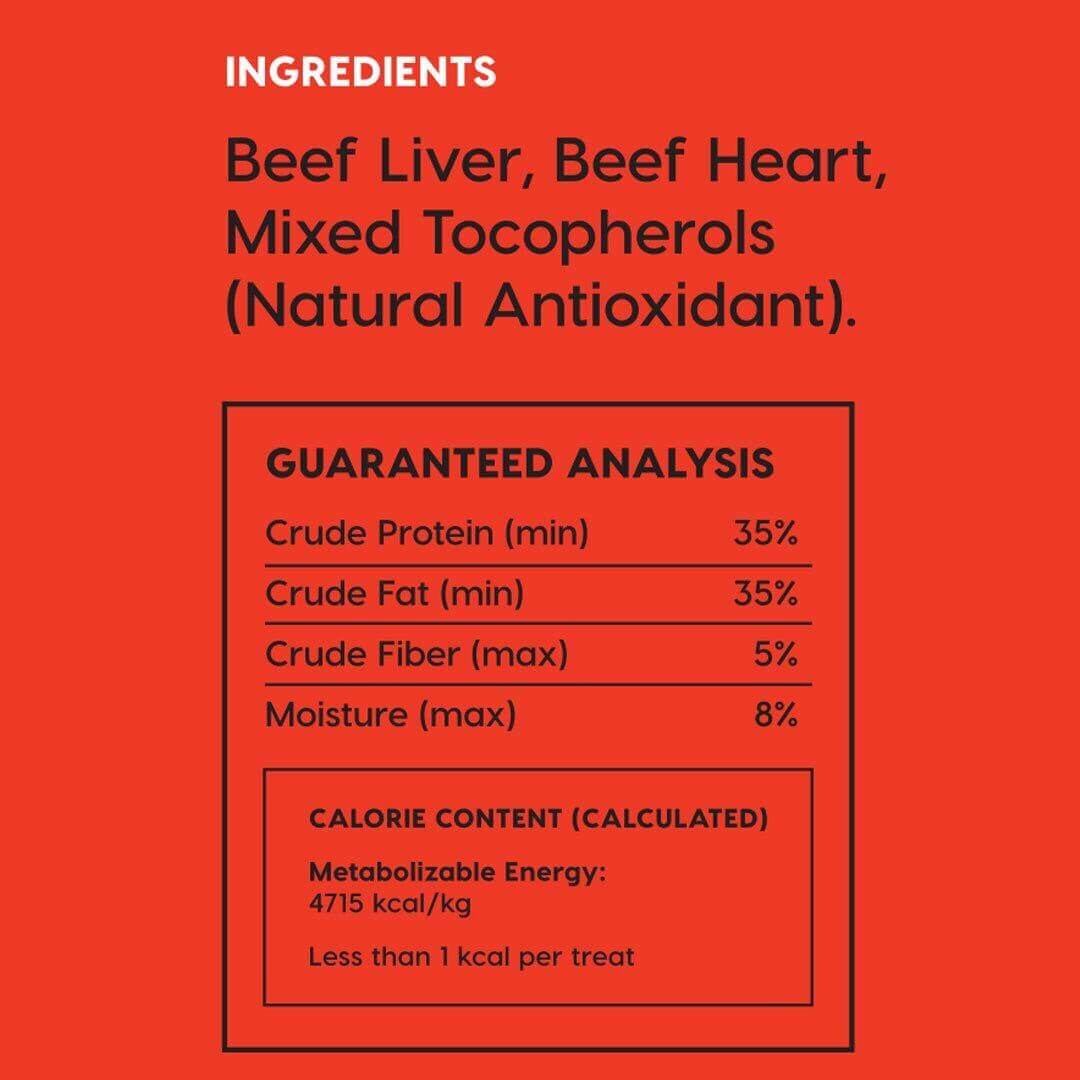
Image Source: pupford.b-cdn.net
Why You Need a Guaranteed Analysis
A guaranteed analysis is more than just a label; it’s a promise to the consumer about the nutritional value of the product. For those venturing into pet treat manufacturing, especially for commercial sale, this is a non-negotiable step.
Key Reasons for a Guaranteed Analysis:
- Consumer Confidence: It builds trust with pet owners, assuring them about what they are feeding their pets.
- Nutritional Integrity: It confirms that the dog treat formulation meets certain nutritional standards.
- Regulatory Compliance: Many regions have regulatory requirements for pet food that mandate a guaranteed analysis.
- Product Differentiation: A clear and accurate analysis can set your treats apart from competitors.
Deconstructing the Guaranteed Analysis: What Does It Mean?
The term “guaranteed analysis” might sound complex, but it’s designed to be straightforward. It essentially breaks down the nutritional profile of your dog treats. Here’s a look at the typical components you’ll find and what they signify.
Typical Guaranteed Analysis Components:
- Crude Protein (Minimum): This indicates the minimum percentage of protein in the treats. Protein is essential for muscle development, repair, and overall body function.
- Crude Fat (Minimum): This shows the minimum percentage of fat. Fats are vital for energy, healthy skin, and coat.
- Crude Fiber (Maximum): This represents the maximum percentage of fiber. Fiber aids digestion and can help regulate bowel movements. Too much fiber can hinder nutrient absorption.
- Moisture (Maximum): This indicates the maximum percentage of water content. High moisture can affect shelf life, as it can encourage bacterial growth.
- Ash (Maximum – sometimes included): Ash refers to the mineral content left after all organic matter has been burned away. While minerals are essential, excessive ash can indicate a high mineral load, which may not always be desirable.
How the Percentages Work:
It’s important to grasp how these percentages are presented. For protein and fat, you see a “minimum” because the actual amount can fluctuate slightly depending on the batch. For fiber and moisture, it’s a “maximum” because manufacturers aim to keep these levels as low as possible to ensure nutrient density and shelf stability.
Navigating the Regulatory Landscape
Understanding the rules is crucial, especially if you intend to sell your treats. Different countries and even states have their own specific guidelines.
Key Regulatory Bodies and Considerations:
- FDA Pet Food Regulations: In the United States, the Food and Drug Administration (FDA) oversees pet food safety and labeling. While the FDA doesn’t pre-approve pet food labels, it does set standards for accuracy and honesty in labeling, including the guaranteed analysis. Compliance with FDA pet food regulations is essential for any commercial operation.
- AAFCO (Association of American Feed Control Officials): AAFCO plays a significant role in developing model regulations and guidelines for pet food labeling and nutritional standards in the U.S. While AAFCO is not a government agency, its standards are widely adopted by state feed control officials. They provide guidance on how to formulate pet foods and what information must be included on labels.
- State-Specific Regulations: Each state in the U.S. has its own feed control laws. It’s vital to check the specific requirements of the states where you plan to sell your dog treats.
- International Regulations: If you plan to sell internationally, you’ll need to research the regulations in those specific countries (e.g., EU regulations for pet food, Canada’s CFIA).
The Science Behind the Analysis: What Labs Do
Getting an accurate guaranteed analysis involves sending your dog treats to a specialized laboratory for testing. These labs use precise scientific methods to determine the nutritional content.
The Role of a Pet Food Laboratory:
A reputable pet food laboratory is equipped with the necessary technology and expertise to perform a wide range of analyses. They are crucial partners for anyone involved in dog treat formulation and manufacturing.
Common Testing Methods Used by Labs:
- Proximate Analysis: This is a standard set of tests used to determine the major nutritional components of food, including crude protein, crude fat, crude fiber, moisture, and ash.
- Protein Analysis (Kjeldahl Method or Dumas Method): These methods are used to determine the nitrogen content, which is then converted to a protein percentage.
- Fat Analysis (Soxhlet Extraction or Acid Hydrolysis): These techniques are used to extract and measure the total fat content.
- Fiber Analysis (Weende or Van Soest methods): These methods quantify different types of fiber.
- Moisture Analysis (Oven Drying or Karl Fischer Titration): These methods measure the water content.
Choosing the Right Laboratory:
Selecting the right lab is paramount for obtaining accurate and reliable results.
Criteria for Selecting a Lab:
- Accreditation: Look for labs accredited by recognized bodies like AOAC International or ISO standards.
- Experience: Choose a lab with specific experience in pet food analysis.
- Services Offered: Ensure they can perform all the necessary tests for a complete guaranteed analysis.
- Turnaround Time: Consider how quickly you need the results.
- Cost: Obtain quotes and compare pricing, but don’t let cost be the sole deciding factor.
Steps to Get Your Guaranteed Analysis
The process is relatively straightforward, but it requires careful preparation and execution.
Step 1: Finalize Your Dog Treat Formulation
Before sending your treats for analysis, ensure your dog treat formulation is finalized. Any changes to ingredients or their proportions will alter the nutritional profile and require re-testing.
Key Considerations for Formulation:
- Ingredient Sourcing: The quality and type of ingredient sourcing for pet treats can significantly impact the final nutritional breakdown.
- Nutrient Balance: While treats are not a complete diet, aim for a balanced profile that complements your pet’s primary food.
- Palatability and Texture: While not part of the guaranteed analysis, these are crucial for treat success.
Step 2: Prepare Your Samples
Proper sample preparation is vital for accurate lab results.
Sample Preparation Guidelines:
- Representative Samples: Ensure the samples you send accurately represent a typical batch of your treats.
- Sufficient Quantity: Labs will specify the amount of product they need for testing.
- Proper Packaging: Package the samples securely to prevent contamination or degradation during transit.
- Labeling: Clearly label each sample with your company name, product name, and any specific testing requests.
Step 3: Contact and Ship to the Laboratory
Once you have your samples ready, it’s time to connect with the lab.
Actions to Take:
- Request a Quote: Contact several labs to get quotes for the specific tests you require.
- Complete Submission Forms: Fill out all necessary paperwork provided by the lab accurately. This usually includes details about your product and the desired analyses.
- Arrange Shipping: Follow the lab’s instructions for shipping your samples. Consider expedited shipping if you have a tight deadline.
Step 4: Receive and Interpret the Results
After the lab completes its analysis, you’ll receive a detailed report.
What to Do with the Report:
- Review Carefully: Check the report for accuracy and ensure all requested analyses have been performed.
- Formulate Your Label: Use the results to create your guaranteed analysis statement for your product packaging.
- Consult Experts: If you’re unsure about interpreting the results or how to best present them on your label, consult with a pet food nutritionist or regulatory expert.
Example of a Guaranteed Analysis Statement
Here’s how a guaranteed analysis might look on a dog treat bag:
Guaranteed Analysis:
- Crude Protein (Min): 25%
- Crude Fat (Min): 15%
- Crude Fiber (Max): 3%
- Moisture (Max): 10%
- Ash (Max): 7%
This statement clearly communicates the basic nutritional content of the treats to the consumer.
Common Challenges and How to Overcome Them
While the process is structured, there can be hurdles.
Potential Pitfalls:
- Inconsistent Batch Results: Variations in ingredient sourcing for pet treats or manufacturing processes can lead to slightly different results between batches. Regular testing of new batches can help monitor this.
- Misinterpreting Results: Without a solid grasp of pet food labeling requirements or basic nutrition, you might misinterpret the lab report.
- Regulatory Changes: Keeping up with evolving regulatory requirements for pet food can be challenging.
Strategies for Success:
- Standard Operating Procedures (SOPs): Develop clear SOPs for pet treat manufacturing to ensure consistency.
- Partner with Experts: Collaborate with pet food nutritionists and regulatory consultants.
- Stay Informed: Subscribe to industry newsletters and updates from regulatory bodies.
FAQ Section: Your Questions Answered
Q1: Do I need a guaranteed analysis if I’m only making treats for my own dog?
A1: No, a guaranteed analysis is not legally required for personal use. However, it can still be helpful if you want to ensure your homemade treats are nutritionally balanced for your pet.
Q2: Can I estimate the guaranteed analysis myself based on my recipe?
A2: You can create an estimated nutritional profile based on the known nutritional values of your individual ingredients. However, this is not a substitute for laboratory testing for commercial purposes. Factors like ingredient processing, interactions between ingredients, and batch variations mean lab analysis is the only way to get an accurate guaranteed analysis.
Q3: How often do I need to get my dog treats tested?
A3: For commercial products, it’s recommended to test each production run or at least periodically to ensure consistency. If you make significant changes to your recipe or your ingredient sourcing for pet treats, you must re-test.
Q4: What are the most common errors people make when getting a guaranteed analysis?
A4: Common errors include sending unrepresentative samples, not providing complete information to the lab, misunderstanding what the percentages mean, and not checking for compliance with all relevant regulatory requirements for pet food.
Q5: Is there a difference between a guaranteed analysis and a nutritional adequacy statement?
A5: Yes. A guaranteed analysis lists the minimum and maximum nutrient levels. A nutritional adequacy statement, often found on complete and balanced pet foods, states that the food is formulated to meet the nutritional levels established by AAFCO for a specific life stage (e.g., growth, maintenance). Treats are typically not meant to be nutritionally complete or balanced, so they usually only carry a guaranteed analysis.
Q6: How long does it typically take to get a guaranteed analysis from a lab?
A6: Turnaround times can vary, but generally, it can take anywhere from a few days to a couple of weeks, depending on the lab’s workload and the complexity of the tests required.
Q7: What if my guaranteed analysis results are significantly different from what I expected based on my recipe?
A7: This can happen due to several factors, including the way nutrients are processed or metabolized during baking, the specific analytical methods used by the lab, or slight variations in ingredient composition. It’s a good idea to discuss unexpected results with the lab technicians and potentially a pet food nutritionist to refine your dog treat formulation or test the ingredients themselves.
Q8: Does the guaranteed analysis need to be on the primary display panel of the packaging?
A8: Regulations typically require the guaranteed analysis to be on the label, but not always on the primary display panel. However, many manufacturers choose to include it prominently to highlight the quality of their product. Always check the specific labeling requirements applicable to your sales region.
Q9: Can I use the guaranteed analysis from a similar product if I’m just starting out?
A9: No. Every product is unique, and the dog treat ingredients and preparation methods will influence the nutritional profile. You must obtain an analysis specific to your own product to ensure accuracy and compliance. Relying on others’ data could lead to inaccurate labeling and potential legal issues.
Q10: What’s the best way to ensure my ingredient sourcing is reliable for consistent results?
A10: Establish strong relationships with your suppliers. Ask for certificates of analysis for your raw ingredients, especially for critical components like protein and fat sources. Consistent suppliers and well-documented ingredient sourcing for pet treats are key to predictable results in your finished product.
By following these guidelines, you can effectively obtain and utilize a guaranteed analysis for your dog treats, ensuring quality, transparency, and compliance for your valued customers and their beloved pets.