
Can you get a service dog in Michigan? Yes, individuals with disabilities in Michigan can obtain a service dog. This guide will walk you through the essential steps and provide valuable tips for acquiring a service dog in the Great Lakes State.
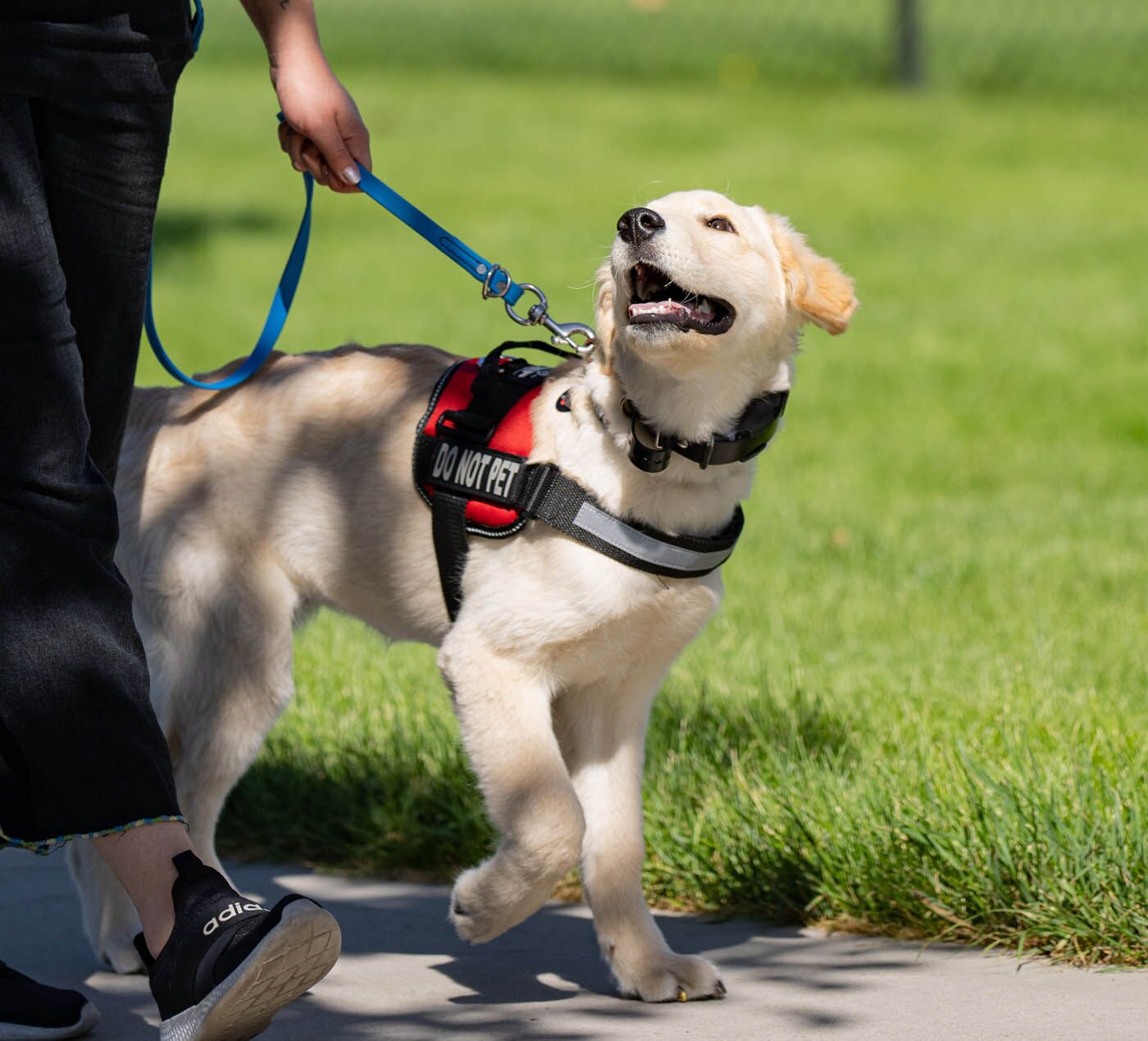
Image Source: cdn-kcgij.nitrocdn.com
Deciphering Michigan Service Dog Laws
It’s crucial to comprehend the legal framework surrounding service dogs in Michigan. While there isn’t a specific state registry for service dogs, Michigan adheres to federal guidelines established by the Americans with Disabilities Act (ADA). The ADA defines a service animal as a dog individually trained to do work or perform tasks for the benefit of an individual with a disability. This definition is key to your eligibility.
Key Aspects of Michigan Service Dog Laws:
- Task-Oriented Training: The dog must be trained to perform specific tasks related to the handler’s disability. This is the primary distinguishing factor between a service dog and an emotional support animal.
- Public Access Rights: Under the ADA, service dogs are permitted in public places, including businesses, restaurants, and transportation, regardless of “no pets” policies.
- No Mandatory Registration or Certification: The ADA does not require service dogs to be certified or registered. While some organizations offer these services, they are not legally mandated for a dog to be recognized as a service animal.
- Handler’s Disability: The individual seeking a service dog must have a disability, which is defined as a physical or mental impairment that substantially limits one or more major life activities.
Service Dog Eligibility Michigan: Are You Qualified?
To qualify for a service dog in Michigan, you must meet specific criteria based on disability and the need for trained tasks.
Factors Determining Service Dog Eligibility in Michigan:
- Disability Status: You must have a disability as defined by the ADA. This is a broad definition encompassing a wide range of physical, sensory, intellectual, or mental health impairments that significantly limit one or more major life activities.
- Disability-Related Needs: Your disability must create a need for a service dog. This means the dog must be trained to perform specific tasks that mitigate your disability.
- Examples of Tasks:
- Mobility Assistance: Retrieving dropped items, opening doors, providing stability.
- Medical Alert: Alerting to changes in blood sugar, impending seizures, or low oxygen levels.
- Psychiatric Support: Interrupting self-harming behaviors, providing deep pressure therapy, reminding of medication.
- Sensory Assistance: Guiding individuals with visual impairments, alerting to sounds for individuals with hearing impairments.
Important Distinction: Emotional Support Animal Michigan vs. Service Dog
It’s vital to differentiate between a service dog and an emotional support animal (ESA). This distinction is critical for understanding rights and access.
- Service Dog:
- Training: Must be trained to perform specific tasks to mitigate a disability.
- Access: Has broad public access rights under the ADA.
- Tasks Examples: Alerting to a panic attack, preventing falls, retrieving medication.
- Emotional Support Animal (ESA):
- Training: Does not require specific task training; provides comfort through presence.
- Access: Primarily allowed in housing under the Fair Housing Act (FHA) with proper documentation, but typically not granted public access rights outside of housing.
- Tasks Examples: Offering companionship, reducing anxiety through petting.
In Michigan, as elsewhere, a dog providing comfort solely through its presence is not considered a service dog and does not have the same public access rights.
Steps to Get a Service Dog in Michigan
The process of acquiring a service dog involves several deliberate steps.
Step 1: Determine Your Need and the Type of Service Dog Required
Before embarking on the search, clearly identify how a service dog can assist you.
- Self-Assessment: List the specific tasks a dog could perform to help manage your disability.
- Consultation: Discuss your needs with your doctor, therapist, or other healthcare professionals. They can help confirm the necessity of a service dog and suggest appropriate tasks.
- Research Dog Breeds: Different breeds have varying temperaments, energy levels, and aptitudes for specific tasks. Consider breeds known for their trainability and suitability for service work, such as Labrador Retrievers, Golden Retrievers, Poodles, and German Shepherds.
Step 2: Explore Options for Acquiring a Service Dog
There are several avenues for obtaining a service dog in Michigan.
Service Dog Adoption Michigan
- Breed-Specific Rescues: Many rescues specialize in certain breeds and may have dogs with suitable temperaments for service work.
- General Animal Shelters: While less common, some shelters may have dogs that, with assessment and training, could become service dogs.
- Considerations: Adoption often involves a lower upfront cost but requires significant investment in training. Ensure the dog’s temperament is assessed for service dog suitability.
Working with Reputable Organizations
- Non-Profit Service Dog Organizations: Many organizations train and place service dogs with individuals with disabilities. These organizations often have waiting lists and specific application processes.
- Benefits: These organizations typically provide fully trained dogs and ongoing support, but costs can be substantial, though some offer grants or fundraising assistance.
- Finding Organizations: Look for organizations with a proven track record and positive testimonials.
Training a Service Dog Michigan (Owner-Training)
This is a viable option for those with the time, resources, and ability to manage the extensive training process.
- Finding a Service Dog Trainer Michigan: This is a critical step for owner-training.
- Specialization: Seek trainers experienced in service dog training, not just basic obedience.
- Credentials: While not legally required, certifications from recognized organizations like the Certification Council for Professional Dog Trainers (CCPDT) or the Karen Pryor Academy can indicate a trainer’s expertise.
- Reputation: Ask for references and testimonials from clients who have successfully trained service dogs.
- Training Philosophy: Ensure their methods align with positive reinforcement and ethical practices.
- Commitment: Owner-training requires a significant time commitment (often 1-2 years) and consistency.
- Cost: While you save on purchasing a fully trained dog, the cost of training, equipment, and vet care can still be considerable.
Step 3: The Application and Selection Process
Whether you’re working with an organization or considering owner-training, there will be an assessment phase.
- Application Review: Organizations will review your application, medical documentation, and assess your ability to care for and train a service dog.
- Interviews: You may have interviews with the organization or potential trainers to discuss your needs and lifestyle.
- Dog Matching: Organizations will often match you with a dog whose temperament and abilities best suit your requirements. If owner-training, you’ll be selecting a puppy or adult dog.
Step 4: Service Dog Training
This is the most intensive and crucial part of the process.
Training a Service Dog Michigan: Core Components
- Basic Obedience: A strong foundation in obedience (sit, stay, come, down, leave it) is essential.
- Advanced Obedience: Reliable performance of commands even with distractions.
- Task-Specific Training: This is where the dog learns to perform actions directly related to your disability. Examples include:
- Deep Pressure Therapy: For anxiety or panic attacks.
- Alerting: To medical changes (e.g., blood sugar fluctuations) or environmental hazards.
- Retrieving: Bringing medications, dropped items, or the phone.
- Balance and Support: Providing stability for mobility impairments.
- Public Access Training: This involves desensitizing the dog to various environments, sounds, and people to ensure they can behave appropriately in public. This includes:
- Ignoring distractions (food, other animals, people).
- Remaining calm and quiet.
- Not bothering other people or animals.
- Navigating crowded spaces.
- Handler Training: You will need to learn how to handle your service dog, cue specific behaviors, and reinforce their training.
Finding a Service Dog Trainer Michigan
As mentioned earlier, a qualified trainer is paramount. Here’s a breakdown of what to look for when searching for a service dog trainer in Michigan:
| Trainer Trait | What to Look For | Why It Matters |
|---|---|---|
| Experience | Proven track record in training dogs for specific disabilities and tasks. | Ensures they understand the complexities of service dog work. |
| Specialization | Focus on service dog training, not just general obedience or therapy dog training. | Different skill sets are required for each type of canine assistance. |
| Training Methods | Positive reinforcement, reward-based training. Avoid trainers who use aversive or punishment-based methods. | Promotes a strong bond and ensures the dog’s well-being and eagerness to work. |
| Knowledge of Laws | Familiarity with the ADA and other relevant regulations governing service dogs. | Helps guide you through legal rights and responsibilities. |
| Client References | Willingness to provide testimonials or contact information for previous clients. | Allows you to verify their effectiveness and client satisfaction. |
| Professionalism | Clear communication, organized approach, reliable scheduling, and ethical practices. | Indicates a commitment to their profession and client support. |
| Assessment Skills | Ability to assess a dog’s temperament and suitability for service work. | Crucial for selecting the right dog for owner-training. |
| Handler Support | Provides guidance and instruction for the handler throughout the training process. | Your ability to manage and cue the dog is as important as the dog’s training. |
| Certification (Optional but Recommended) | Certifications from reputable bodies like CCPDT or IAABC. | While not legally required, it suggests a standardized level of knowledge and skill. |
Step 5: Public Access Testing
Once your dog is trained, they will need to pass a public access test to demonstrate their ability to behave appropriately in public settings. While the ADA does not mandate a specific test, many organizations and trainers use standardized tests to evaluate a dog’s readiness.
Step 6: Ongoing Training and Maintenance
Service dog training is not a one-time event.
- Reinforcement: Continue to practice commands and behaviors regularly.
- New Tasks: As needs evolve, you may need to train new tasks.
- Health and Well-being: Regular veterinary check-ups and proper care are essential for your service dog’s health and performance.
What About Service Dog Registration Michigan?
It’s important to clarify the role of service dog registration Michigan. As previously stated, service dog registration Michigan is not a legal requirement under federal law or specific Michigan statutes for a dog to be recognized as a service animal.
While some organizations offer service dog registration Michigan or provide identification cards and vests, these are purely voluntary and do not confer any additional legal rights or protections beyond those already granted by the ADA. Businesses are not legally permitted to ask for proof of registration or certification. They can only ask two questions: (1) Is the dog a service animal required because of a disability? and (2) What work or task has the dog been trained to perform?
Essential Equipment: The Service Dog Vest Michigan
A service dog vest Michigan can be a helpful tool, though not legally required.
- Purpose: A vest clearly identifies the dog as a service animal, signaling to the public that the dog is working and should not be approached, petted, or distracted.
- Legalities: While vests can aid in public access, remember that a dog does not need a vest to be a service dog.
- What to Look For:
- Clarity: Vests often have clear “Service Dog” or “Do Not Pet” markings.
- Comfort: Ensure the vest is comfortable and doesn’t impede the dog’s movement.
- Durability: Choose a vest made from durable materials.
- Misrepresentation: It is illegal under the ADA to misrepresent a pet or an emotional support animal as a service dog by using a service dog vest or ID.
Finding Service Dog Organizations Michigan
Michigan has several dedicated service dog organizations Michigan that play a vital role in training and placing assistance dogs.
Examples of Service Dog Organizations Michigan (This is not an exhaustive list, and availability may vary):
- Canine Companions: A national organization with a presence that may assist Michigan residents. They train highly–trained assistance dogs for people with disabilities.
- Paws With a Cause: Based in Michigan, this organization trains assistance dogs for people with disabilities and hearing impairments.
- Guiding Eyes for the Blind: While primarily focused on guide dogs for the visually impaired, they may have programs or partnerships that benefit Michigan residents.
- Local Therapy Dog Groups (for potential early temperament assessment): While not service dog specific, some local groups might be aware of resources or individuals who train service dogs.
When contacting organizations, inquire about:
- Their training programs and methodologies.
- The types of disabilities they serve.
- Their application process and waiting lists.
- Any costs associated with obtaining a dog.
- Support services provided after placement.
Psychiatric Service Dog Michigan: Specific Considerations
For individuals with mental health conditions, a psychiatric service dog Michigan can provide invaluable support.
Tasks a Psychiatric Service Dog May Perform:
- Interrupting Destructive Behaviors: A dog might be trained to nudge or block a person who is engaging in self-harming behaviors like head-banging.
- Deep Pressure Therapy (DPT): The dog can lie on the handler’s chest or lap to provide calming pressure during periods of high anxiety or panic.
- Alerting to An impending Episode: Some dogs can be trained to detect subtle changes in a person’s body chemistry or behavior that may precede a mental health crisis, such as a panic attack or manic episode.
- Grounding: In dissociative states, a dog can provide tactile stimulation and focus to help ground the handler in reality.
- Medication Reminders: While less common as a primary task, a dog can be trained to alert to medication times.
- Creating a Buffer Zone: In crowded or overwhelming situations, a dog can stand between the handler and others, creating a sense of security.
Training a Psychiatric Service Dog Michigan:
- Trainer Expertise: It is crucial to work with a service dog trainer Michigan who has specific experience in training psychiatric service dogs. This is a nuanced area of training that requires a deep understanding of both canine behavior and psychiatric conditions.
- Handler Involvement: The handler’s active participation and ability to recognize early warning signs of their condition are vital for the dog’s effectiveness.
Frequently Asked Questions (FAQ)
Q1: Do I need a doctor’s note for a service dog in Michigan?
While not legally required by the ADA for public access, a letter from your doctor or mental health professional confirming your disability and the need for a service dog can be helpful, especially when working with training organizations or for housing accommodations under the Fair Housing Act.
Q2: Can I train my own service dog in Michigan?
Yes, you can train your own service dog in Michigan. This is often referred to as owner-training. However, it requires a significant commitment to learning and implementing professional-level training techniques, often with the guidance of a qualified trainer.
Q3: What are the legal rights of a service dog owner in Michigan?
In Michigan, service dog owners have the right to public access for their dogs in most places where the public is allowed, under the provisions of the Americans with Disabilities Act (ADA). This includes businesses, restaurants, and public transportation.
Q4: Are there specific Michigan laws for service dogs?
Michigan adheres to the federal Americans with Disabilities Act (ADA) for service dogs. While there aren’t many state-specific laws that differ from federal guidelines, it’s always good to stay informed about any local ordinances that might apply.
Q5: How much does a service dog cost in Michigan?
The cost can vary significantly. Purchasing a fully trained service dog from an organization can range from $10,000 to $50,000 or more. Owner-training involves costs for the dog (if purchased), extensive training classes, equipment, vet care, and food, which can still add up to several thousand dollars.
Q6: Can a business in Michigan ask for proof of my service dog’s training or registration?
No, under the ADA, businesses cannot ask for proof of a service dog’s training or registration. They are only allowed to ask two specific questions: whether the dog is required because of a disability, and what task the dog has been trained to perform.
Q7: What is the difference between a service dog and a therapy dog in Michigan?
A service dog is trained to perform specific tasks for an individual with a disability. A therapy dog provides comfort and companionship to many people in settings like hospitals, nursing homes, or schools, but they are not trained for specific tasks for an individual and do not have public access rights.
Q8: Where can I find a service dog trainer in Michigan?
You can find a service dog trainer Michigan through referrals from disability advocacy groups, service dog organizations, veterinary clinics, or by searching online directories that specialize in professional dog trainers with experience in assistance dog training.
Q9: Can a landlord in Michigan deny me a service dog?
No, under the Fair Housing Act (FHA), landlords in Michigan cannot deny reasonable accommodation for a service dog, even if they have a “no pets” policy. This applies to individuals with disabilities who require a service dog. You may need to provide documentation of your disability and the need for the service dog.
Q10: What if my service dog is denied access in Michigan?
If your service dog is denied access in violation of the ADA, you can file a complaint with the U.S. Department of Justice. It’s helpful to have documentation, such as the names of individuals involved, the date and time of the incident, and any witnesses.