
Can my dog eat after surgery? Yes, your dog can and should eat after surgery, but it’s crucial to approach their recovery diet carefully. Loss of appetite is a common and concerning side effect following any surgical procedure in dogs. This reduced interest in food can be due to a variety of factors, including pain, nausea from anesthesia, stress, or changes in routine. However, proper nutrition is vital for healing and a speedy recovery. This comprehensive guide will delve into effective strategies and solutions to encourage your canine companion to eat after surgery, ensuring they receive the necessary recovery diet to get back on their paws.
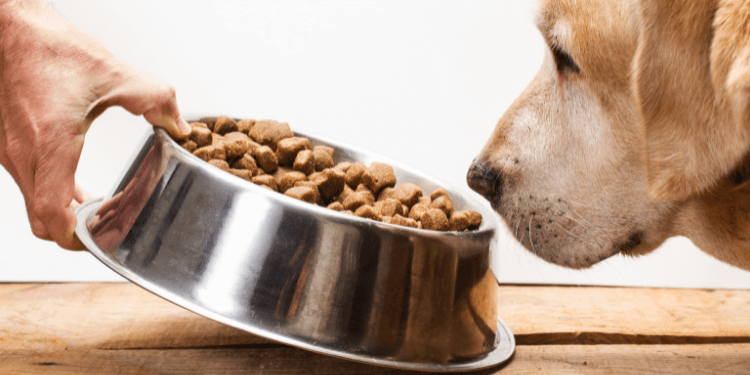
Image Source: topdoghealth.com
Why Dogs Lose Their Appetite Post-Surgery
Several factors contribute to a dog’s reluctance to eat after surgery. Comprehending these reasons is the first step in addressing the issue.
Anesthesia and Pain Medications
Anesthesia, while essential for surgery, can leave a dog feeling groggy and nauseous. Many pain medications, particularly opioids, are known to cause gastrointestinal upset, including nausea and a decreased desire to eat. This is a temporary side effect, but it significantly impacts post-operative feeding.
Pain and Discomfort
The surgical site itself can be a source of pain and discomfort, making the act of eating difficult or unpleasant. If your dog is experiencing significant pain, their focus will likely be on managing that rather than seeking food.
Stress and Anxiety
Surgery is a stressful event for dogs. Being in an unfamiliar environment, undergoing anesthesia, and experiencing post-operative discomfort can all lead to anxiety. This emotional distress can manifest as a reduced appetite.
Gastrointestinal Upset
Beyond medication side effects, the trauma of surgery can sometimes disrupt a dog’s digestive system, leading to nausea or even vomiting after surgery. If your dog is feeling sick to their stomach, they won’t want to eat.
Underlying Medical Conditions
While less common, an underlying health issue that was present before the surgery could be exacerbated by the procedure, contributing to the loss of appetite.
Signs of Dehydration to Watch For
Ensuring your dog stays hydrated is as important as encouraging them to eat. Dehydration can worsen their condition and slow down recovery.
Subtle Signs of Dehydration
- Lethargy: A dog that is severely dehydrated will often be very tired and unwilling to move much.
- Sunken Eyes: Their eyes might appear to be set deeper in their sockets.
- Dry Gums: Healthy gums are moist and pink. Dehydrated gums will feel sticky or dry to the touch.
- Loss of Skin Elasticity: Gently pinch the skin on the back of your dog’s neck. In a well-hydrated dog, it will spring back quickly. If it stays tented, they may be dehydrated.
How to Ensure Hydration for Dogs
- Fresh Water Availability: Always ensure a clean bowl of fresh water is accessible.
- Water Additives: Sometimes, adding a small amount of low-sodium chicken or beef broth (ensure no onion or garlic) to the water can make it more appealing.
- Ice Chips: For dogs that find drinking difficult, offering small ice chips can be a way to encourage fluid intake without overwhelming them.
- Wet Food: Switching to wet food, even temporarily, can significantly increase fluid intake.
- Veterinary Consultation: If you are concerned about your dog’s hydration, consult your veterinarian immediately. They may recommend subcutaneous fluids or other interventions.
Strategies to Stimulate Appetite
When your dog is refusing food, it’s time for some appetite stimulation. Here are several effective strategies.
Elevate Their Food Bowl
Sometimes, a simple change in the feeding setup can make a difference. Elevating the food bowl can make eating more comfortable, especially for dogs recovering from orthopedic or abdominal surgery. It reduces the need to bend down significantly, which can be painful.
Warm Up Their Food
Warming food slightly can enhance its aroma, making it more enticing. You can do this by adding a little warm water or low-sodium broth to their kibble or by gently warming canned food. Ensure the food is lukewarm, not hot, to avoid burning their mouth.
Introduce New Textures and Flavors
Soft dog food is often more appealing and easier to eat than dry kibble, especially if a dog is experiencing mouth pain or has dental issues.
Options for Soft Dog Food
- Canned Wet Food: High-quality canned dog food is readily available and comes in many flavors.
- Soaked Kibble: You can soak dry kibble in warm water or broth until it softens significantly.
- Homemade Recovery Meals: In consultation with your veterinarian, you might consider preparing a bland, easily digestible homemade meal. Common ingredients include boiled chicken or white fish, white rice, and pureed pumpkin. Always get veterinary approval before feeding homemade diets to ensure nutritional completeness and suitability for your dog’s specific condition.
Hand Feeding Your Dog
Hand feeding dog companions can be a powerful way to encourage them to eat. This personal interaction provides comfort and reassurance, and it allows you to gauge their interest and ensure they are eating. Start with small amounts, offering a bite at a time. This also allows you to monitor their consumption closely.
Consider a Bland Diet for Dogs
A bland diet for dogs is often recommended by veterinarians after surgery, particularly if there’s been gastrointestinal upset. This diet is typically low in fat and fiber and easy to digest.
Common Bland Diet Components
- Boiled White Meat Chicken or Turkey: Plain, boiled, and shredded.
- White Rice: Plain boiled rice.
- Pumpkin Puree: Plain, 100% pumpkin puree (not pie filling), which can aid digestion.
- Low-Fat Cottage Cheese or Scrambled Eggs: In small amounts, if tolerated.
Important Note: A bland diet is usually a short-term solution. Transitioning back to your dog’s regular food should be done gradually and under veterinary guidance.
Use Appetizers or Toppers
Sometimes, a small amount of something highly palatable can whet their appetite.
Palatable Toppers
- Low-Sodium Broth: A splash of warm, low-sodium chicken or beef broth.
- Small Amount of Canned Food: Mixing a spoonful of wet food with their kibble.
- Commercial Dog Food Toppers: Many brands offer savory toppers designed to make dry food more appealing.
- Plain Yogurt: A small dollop of plain, unsweetened yogurt (ensure it doesn’t contain xylitol, which is toxic to dogs).
- Cooked Sweet Potato or Pumpkin: Plain, mashed.
Small, Frequent Meals
Instead of one or two large meals, offer smaller portions more frequently throughout the day. This can be less overwhelming for a dog with a sensitive stomach or reduced appetite.
When to Seek Veterinary Advice for Dogs
It’s crucial to know when to reach out for professional help. Veterinary advice for dogs is paramount in ensuring their safety and recovery.
Red Flags Indicating a Need for Veterinary Attention
- Persistent Vomiting or Diarrhea: If your dog is experiencing vomiting after surgery more than once or twice, or has persistent diarrhea, it’s a sign of significant gastrointestinal distress.
- Inability to Keep Food or Water Down: If your dog is vomiting immediately after eating or drinking, they are at risk of dehydration and malnutrition.
- Lethargy or Weakness: Extreme tiredness or a noticeable decline in energy levels, beyond what’s expected after surgery.
- Signs of Pain: Whining, panting excessively, reluctance to move, or aggression when touched near the surgical site.
- No Interest in Food for More Than 24-48 Hours: While a temporary dip in appetite is common, a complete lack of interest for an extended period warrants a vet visit.
- Weight Loss: If you notice your dog is visibly losing weight.
What Your Veterinarian Can Do
- Prescribe Anti-Nausea Medications: If nausea is the primary cause of the loss of appetite, your vet can prescribe anti-emetic medications.
- Adjust Pain Management: They can modify pain medication dosages or switch to a different type if the current regimen is causing side effects.
- Suggest Specialized Diets: Your vet can recommend specific prescription diets formulated for post-operative recovery, gastrointestinal issues, or sensitive stomachs.
- Administer Fluids: In cases of dehydration, they can provide subcutaneous (under the skin) or intravenous (in the vein) fluids.
- Force Feeding (Under Veterinary Supervision): In extreme cases, and only under strict veterinary guidance, specialized feeding methods like syringe feeding or even a temporary feeding tube might be considered. Never attempt force feeding without professional instruction, as it can lead to aspiration pneumonia or other complications.
Creating a Conducive Feeding Environment
The setting in which you offer food can also play a significant role in your dog’s willingness to eat.
Calm and Quiet Space
Ensure your dog has a quiet, comfortable place to eat, free from distractions, loud noises, or the presence of other pets that might cause stress. A calm environment helps reduce anxiety and allows them to focus on eating.
Familiar Bowls
Using your dog’s regular food and water bowls can provide a sense of familiarity and comfort.
Patience and Positive Reinforcement
It’s essential to be patient. Avoid pressuring your dog. Offer food, give them time, and offer praise and gentle petting when they do take an interest or eat. Positive reinforcement can create a more positive association with meal times.
Nutritional Considerations for Recovery
A dog’s nutritional needs change during recovery. The recovery diet should support healing and energy levels.
High-Quality, Digestible Protein
Protein is crucial for tissue repair and immune function. Easily digestible sources like boiled chicken, turkey, or white fish are excellent choices.
Easily Digestible Carbohydrates
Carbohydrates provide energy. Plain white rice or boiled sweet potatoes are good options as they are gentle on the digestive system.
Moderate Fat Content
While fat is a calorie-dense energy source, excessive fat can be difficult to digest, especially after surgery. A moderate fat content is usually best unless your vet recommends a specific fat level for their condition.
Essential Vitamins and Minerals
A balanced diet will provide the necessary vitamins and minerals for healing. If you are using a veterinary-recommended commercial food or preparing a short-term bland diet, ensure it is nutritionally complete.
Sample Feeding Schedule Adjustments
Modifying the feeding schedule can be a key part of encouraging your dog to eat.
Post-Surgery Day 1-2: Focus on Small, Frequent Offerings
- Morning: Offer 1-2 tablespoons of a soft, highly palatable food every 2-3 hours.
- Midday: Continue with small offerings.
- Afternoon/Evening: Small, frequent meals.
- Hydration: Continuously monitor water intake.
Post-Surgery Day 3-5: Gradually Increase Portions
- As appetite improves, slowly increase the amount offered at each feeding.
- You might be able to extend the time between feedings to 4-6 hours.
- Continue to monitor for any signs of nausea or discomfort.
Transitioning Back to Regular Food
- Once your dog is eating consistently and comfortably, begin a gradual transition back to their regular diet.
- Mix a small amount of their regular food with their current recovery diet, increasing the proportion of regular food over 5-7 days.
- Always consult your veterinarian for specific guidance on transitioning back to their normal diet.
Common Challenges and Solutions
Dealing with a dog that won’t eat requires persistence and creative problem-solving.
Challenge: Dog is Too Nauseous to Eat
- Solution: Talk to your vet about anti-nausea medication. Try very small, frequent meals of a bland, soft diet. Ensure they have access to water.
Challenge: Dog is in Too Much Pain to Eat
- Solution: Ensure pain management is adequate. Consult your vet if you suspect pain is a significant factor. Try hand feeding in a comfortable position.
Challenge: Dog is Distracted or Stressed
- Solution: Feed in a quiet, isolated area. Minimize handling and unnecessary disturbances. Offer food when the dog is most relaxed.
Challenge: Dog Simply Refuses the Offered Food
- Solution: Experiment with different textures and flavors of soft dog food. Try warming the food or adding a highly palatable topper. Hand feeding can sometimes overcome resistance.
Frequently Asked Questions (FAQ)
Q1: How long can a dog go without eating after surgery?
While a temporary dip in appetite is normal, a healthy adult dog should ideally not go without eating for more than 24 hours without a significant decline in energy. For puppies, elderly dogs, or those with pre-existing health conditions, this window is even shorter. If your dog hasn’t eaten anything for 12-24 hours, it’s advisable to contact your veterinarian.
Q2: Is it okay to give my dog human food after surgery?
Only specific types of plain, unseasoned human food, like boiled chicken or white rice, are generally considered safe as part of a temporary bland diet. However, it’s crucial to consult your veterinarian before introducing any human food. Many human foods are toxic to dogs or can cause digestive upset, especially when they are recovering. Avoid anything with onions, garlic, spices, or excessive fat.
Q3: My dog vomited after surgery, what should I do?
Occasional vomiting shortly after anesthesia can happen. However, if your dog vomits more than once or twice, or if they seem unwell, lethargic, or in pain, contact your veterinarian immediately. They can assess the situation and advise on the next steps, which might include medication or dietary adjustments.
Q4: Can I force-feed my dog if they won’t eat?
Force-feeding a dog without proper veterinary guidance can be dangerous. It can lead to aspiration pneumonia if food enters the lungs, or cause significant stress and a negative association with food. If your dog is refusing to eat, your best course of action is to contact your veterinarian for advice and potential solutions, rather than attempting to force-feed them yourself.
Q5: How much water should my dog drink after surgery?
Hydration for dogs is critical. A general guideline is that a dog should drink about 1 ounce of water per pound of body weight per day. However, this can vary based on activity level, temperature, and health status. After surgery, monitor your dog’s intake closely. Offer water frequently, and if you notice signs of dehydration or they are not drinking, contact your veterinarian. Wet food and adding water or broth to their food can also contribute to fluid intake.
Conclusion
Encouraging your dog to eat after surgery is a critical component of their recovery. By understanding the reasons behind their loss of appetite, employing appetite stimulation techniques, offering soft dog food, and knowing when to seek veterinary advice for dogs, you can help your beloved companion regain their strength and health. Patience, a calm environment, and a focus on their comfort will go a long way in navigating this sensitive period. Remember, every dog is an individual, and what works for one may not work for another. Always prioritize your veterinarian’s guidance for the best possible outcome for your furry friend’s recovery diet.