
Yes, you can effectively get dog urine smell out of a leather couch. The key is to act fast and use the right cleaning methods and products. Can you remove dog pee smell from leather without damaging it? Absolutely, with careful attention to the type of leather and the products you use.
Dog urine on your beloved leather couch can be a nightmare. That pungent odor and potential stain can feel like permanent damage. But fear not! This guide will walk you through every step to successfully tackle dog urine on leather, from immediate action to full restoration. We’ll explore the best approaches, from specialized leather cleaner for dog urine to effective DIY solutions, ensuring your couch is fresh and free from that unwelcome pet odor.
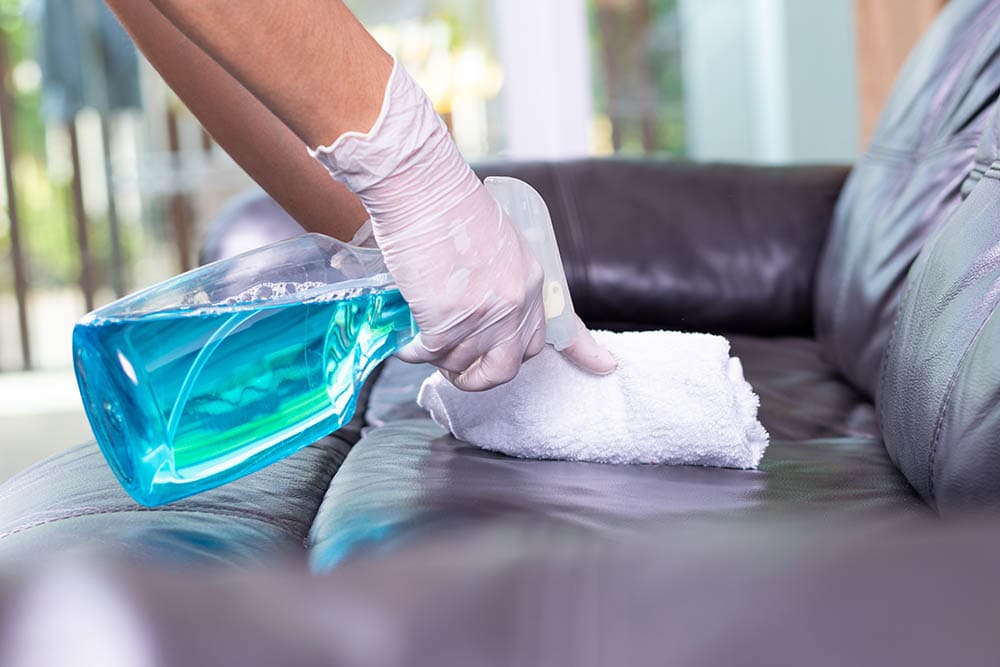
Image Source: www.dogster.com
The Science Behind the Stink: Why Dog Urine Lingers
Dog urine isn’t just water. It contains urea, uric acid, urochrome, and various salts and minerals. When fresh, it’s relatively easy to clean. However, as it dries, the urea breaks down into ammonia, causing that strong, sharp smell. The real culprit for persistent odor, though, is uric acid. Uric acid crystals don’t dissolve easily in water and can remain in porous materials like leather, re-releasing odors when humidity levels rise. This is why simple wiping often doesn’t solve the problem and why specific cleaners are crucial for removing dog pee smell from leather.
Immediate Action: Your First Line of Defense
The moment you discover a urine accident, speed is your greatest ally. The longer the urine sits, the deeper it penetrates the leather and the harder it will be to eliminate the smell and any potential staining.
Step 1: Blot, Don’t Rub!
- Gather your supplies: Paper towels or clean, absorbent cloths.
- Gently blot: Press the paper towels or cloth firmly onto the wet area. Your goal is to soak up as much liquid as possible.
- Be thorough: Continue blotting with fresh towels until no more moisture is absorbed. Remember, rubbing can spread the urine deeper into the leather’s pores and potentially damage its surface.
Step 2: Rinse (Carefully!)
- Dampen a clean cloth: Use plain water. Make sure the cloth is just damp, not wet.
- Wipe the area: Gently wipe the affected area to help dilute any remaining surface urine. Again, avoid excessive moisture.
- Blot dry: Immediately blot the area again with dry towels to remove any excess water.
Choosing the Right Cleaner: What Works Best for Leather
Leather is a natural material with a delicate finish. Using the wrong cleaner can cause discoloration, drying, cracking, or even remove the protective coating. It’s vital to select products specifically designed for leather or those known to be safe for it.
H3: The Power of Enzymatic Cleaners
Enzymatic cleaners are often considered the best cleaner for dog urine on leather. These cleaners contain special enzymes that break down the organic compounds in urine, effectively eliminating the odor at its source, not just masking it.
- How they work: Enzymes target the uric acid crystals, breaking them down into odorless components. This is crucial for deodorizing leather couch urine permanently.
- Application:
- Ensure the urine is blotted up and the area is dry.
- Follow the product instructions carefully. Most enzymatic cleaners are sprayed or applied with a cloth.
- Allow the cleaner to sit for the recommended time, often several hours or even overnight, to let the enzymes work.
- Gently blot away any excess cleaner with a clean, damp cloth, then dry.
- Important Note: Always test an enzymatic cleaner on an inconspicuous area of your leather couch first to check for any adverse reactions. Look for products specifically labeled as safe for leather or upholstery. Some brands offer specialized enzymatic cleaner for leather.
H3: Specialized Leather Cleaners for Pet Stains
Many reputable brands offer pet stain remover leather couch formulations. These are specifically designed to be tough on pet stains and odors while being gentle on leather.
- What to look for: Labels that mention “leather safe,” “pet stain removal,” and “odor elimination.”
- Application: Typically involves applying the cleaner to a cloth and gently wiping the stained area. Some may require a light scrub with a soft brush. Always follow the manufacturer’s instructions.
H3: DIY Leather Urine Remover: Natural and Effective Options
For those who prefer a more natural approach, several DIY leather urine remover options can be effective, especially for fresh stains.
H4: White Vinegar Solution
White vinegar is a natural deodorizer and disinfectant.
- Recipe: Mix equal parts white vinegar and distilled water.
- Application:
- Dampen a clean cloth with the solution.
- Gently wipe the affected area.
- Allow it to air dry completely.
- Blot with a dry cloth.
- Caution: Vinegar has a strong smell that dissipates as it dries. Test on a hidden spot first, as it can slightly alter the pH of the leather.
H4: Baking Soda Paste
Baking soda is excellent at absorbing odors.
- Recipe: Mix baking soda with a small amount of water to form a thick paste.
- Application:
- Apply the paste to the urine stain, ensuring it covers the area.
- Let it dry completely (this can take several hours).
- Gently brush or vacuum away the dried paste.
- Note: This method is best for absorbing residual moisture and odor.
H4: Cornstarch for Absorbency
Similar to baking soda, cornstarch can help absorb moisture and odors.
- Application: Sprinkle a generous amount of cornstarch over the affected area after initial blotting. Let it sit for several hours or overnight, then vacuum it up.
H4: Hydrogen Peroxide (Use with Extreme Caution!)
Hydrogen peroxide has disinfectant and mild bleaching properties. Use this only on light-colored leather and always test in a hidden area first, as it can lighten or discolor darker leather.
- Recipe: Mix 1 part hydrogen peroxide (3%) with 3 parts distilled water.
- Application:
- Dampen a cloth with the solution.
- Gently dab the affected area.
- Allow it to air dry.
- Blot with a dry cloth.
H3: What to AVOID When Cleaning Leather Urine Stains
- Harsh Chemicals: Ammonia-based cleaners, bleach, or aggressive solvents can strip the leather’s finish, cause discoloration, and permanently damage it.
- Excessive Water: Soaking the leather can lead to water stains, warping, and mold growth.
- Heat: Avoid using hairdryers or placing the couch near heat sources to speed up drying, as this can dry out and crack the leather.
- Abrasive Scrubbing: This can scratch and damage the leather’s surface.
Tackling Stubborn Stains and Odors: Advanced Techniques
If the initial steps haven’t completely resolved the issue, or if the accident has been there for a while, more targeted approaches are needed.
H3: Deep Cleaning and Deodorizing
For deeply set odors, you might need to repeat the cleaning process or use a multi-step approach.
H4: Repeat Enzymatic Treatment
If the smell persists after the first enzymatic treatment, a second application is often necessary. Ensure the area is completely dry between treatments.
H4: Leather Conditioner After Cleaning
Cleaning can sometimes strip natural oils from the leather. Once the area is clean and dry, apply a good quality leather conditioner to restore moisture and protect the material. This is a crucial step in restoring leather from dog urine damage.
H3: Addressing Odor Trapped in Cushions and Fillings
If the urine has soaked through the leather into the couch’s padding or stuffing, the odor can be incredibly persistent.
- If cushions are removable:
- Try to air them out in sunlight (if the leather is light-colored and won’t fade).
- Sprinkle baking soda liberally on the fabric (if accessible) or use an enzymatic spray designed for upholstery. Let it sit, then vacuum thoroughly.
- For inner padding: This is more challenging. If the odor is severe and trapped deep within, professional cleaning might be the best option.
How to Clean Dog Pee Stains Leather: A Step-by-Step Recap
Let’s consolidate the process for effectively cleaning dog pee stains from your leather couch.
Step 1: Immediate Blotting
- Use absorbent cloths or paper towels to soak up as much urine as possible. Press gently, do not rub.
Step 2: Initial Rinse and Blot
- Dampen a clean cloth with plain water.
- Gently wipe the affected area.
- Blot dry immediately.
Step 3: Apply Your Chosen Cleaner
- Option A (Recommended): Enzymatic cleaner specifically for pet stains and leather. Apply as directed, let it work, then blot dry.
- Option B: Specialized leather cleaner for pet stains.
- Option C (DIY): A 1:1 white vinegar and water solution, or a baking soda paste. Apply, let dry, and remove residue. Always test first.
Step 4: Allow to Dry Completely
- Let the couch air dry naturally in a well-ventilated area. Avoid heat.
Step 5: Re-assess and Repeat if Necessary
- Once dry, sniff test the area. If any odor remains, repeat the cleaning process with your chosen method.
Step 6: Condition the Leather
- After the area is completely clean and dry, apply a high-quality leather conditioner to moisturize and protect the leather. This is vital for restoring leather from dog urine impact.
Preventing Future Accidents: The Best Long-Term Solution
The most effective way to deal with dog urine on leather is to prevent it from happening in the first place.
- Proper House Training: Ensure your dog is thoroughly house-trained.
- Regular Potty Breaks: Take your dog out frequently, especially after waking up, eating, and playing.
- Address Underlying Issues: If accidents are frequent, consult a veterinarian to rule out medical problems or a behaviorist to address anxiety or marking behaviors.
- Supervision: Keep a close eye on your dog, especially in new environments or when they are exhibiting signs of needing to go.
- Protective Covers: Consider using waterproof, washable throws or slipcovers on your leather couch, especially during the house-training phase or if your dog has a history of accidents.
Restoring Leather After Urine Damage: Beyond Cleaning
Sometimes, even after the odor is gone, a slight discoloration or dryness may remain. This is where targeted restoration comes in.
H3: Leather Recoloring and Repair
- For light discoloration: A good quality leather recoloring balm or conditioner in a matching shade can often mask minor color changes.
- For deeper damage: If the urine has permanently altered the leather’s color or texture, professional leather repair services might be necessary. They can often recolor, recondition, and even repair minor tears or damage caused by prolonged exposure to urine.
H3: Leather Maintenance Tips
- Regular Conditioning: Apply a leather conditioner every 6-12 months to keep your couch supple and protected.
- Routine Cleaning: Wipe down your leather furniture regularly with a soft, dry cloth to remove dust and surface grime. For general cleaning (not urine!), use a cleaner specifically formulated for leather.
- Prompt Spill Cleanup: Address any spills immediately, whether it’s water, food, or anything else, using the blotting method.
Frequently Asked Questions (FAQ)
Q1: Can I use baby wipes to clean dog urine off leather?
A1: It’s generally not recommended. Baby wipes often contain alcohols or chemicals that can dry out or damage leather. It’s better to use plain water for initial blotting and a specialized leather cleaner or enzymatic cleaner for the actual treatment.
Q2: Will sunlight fade my leather couch if I try to air it out?
A2: Yes, prolonged exposure to direct sunlight can cause leather, especially lighter colors, to fade or become brittle. If you need to air out cushions or the couch, do so in a well-ventilated area out of direct sunlight.
Q3: How long does it take for an enzymatic cleaner to work?
A3: This varies depending on the product and the severity of the stain and odor. Most require several hours, and some recommend leaving them overnight. Always check the product’s instructions.
Q4: What if the urine has soaked into the stitching or seams?
A4: This is a challenging area. Apply enzymatic cleaners carefully to the seams using a cotton swab, allowing it to penetrate. Blotting is crucial here to draw out moisture and cleaner. You might need multiple applications.
Q5: How do I know if my leather is protected or unprotected?
A5: Protected leather (also called finished or pigmented leather) has a protective coating on top, making it more resistant to stains and easier to clean. Unprotected leather (like aniline or nubuck) is more porous, absorbs liquids more readily, and is much more delicate. Always identify your leather type before cleaning. If unsure, err on the side of caution and test any cleaner in a hidden spot.
Q6: Is there a specific natural leather cleaner dog urine option that is always safe?
A6: While vinegar and baking soda are natural, they can sometimes affect the leather’s pH or leave a slight odor. For guaranteed safety and effectiveness, especially on delicate or expensive leather, a well-reviewed enzymatic cleaner for leather or a dedicated pet stain remover leather couch product is usually the safest bet. Always perform a spot test.
Q7: My couch smells like urine even after cleaning. What else can I do to deodorize leather couch urine?
A7: If the odor persists, it likely means the uric acid crystals are still present. A repeat application of an enzymatic cleaner is the best next step. Ensure you are saturating the area sufficiently (as per product instructions) and allowing ample drying time. Sometimes, the smell can be trapped in the couch’s internal padding, which is much harder to treat. Consider consulting a professional upholstery cleaner who specializes in pet odors.
Q8: Can I use a regular upholstery cleaner on my leather couch?
A8: No. Regular upholstery cleaners are designed for fabric and may contain harsh chemicals that can damage leather finishes, causing drying, cracking, or discoloration. Always use products specifically formulated for leather.
This comprehensive guide should equip you with the knowledge to tackle dog urine on your leather couch effectively, helping you restore its freshness and appearance. Remember patience, the right products, and prompt action are key!