
The most responsible and safe approach to “getting your dog high” is to avoid it entirely. Dogs cannot consent to being exposed to intoxicating substances, and their physiology is very different from ours. What might seem mild to a human can be dangerous or even fatal to a dog. This article will explore the risks associated with cannabis and dogs, explain the potential marijuana side effects dogs may experience, and emphasize pet safety cannabis. We will also discuss THC toxicity pets, dog toxicology, and what to do in a veterinary emergency cannabis.
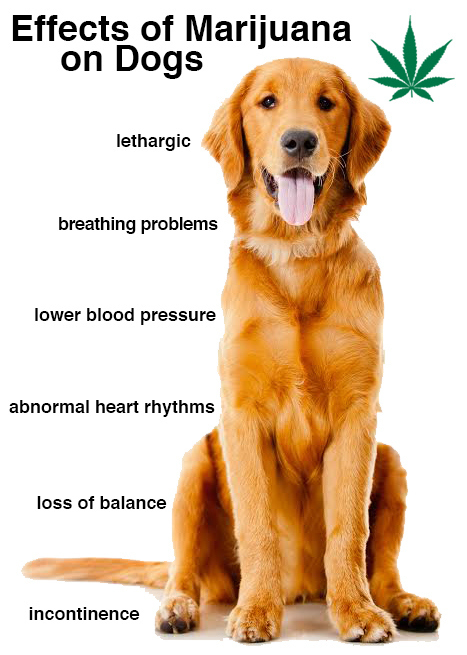
Image Source: img.buzzfeed.com
The Dangers of Intoxicating Pets
The idea of intentionally giving a dog an intoxicating substance is fundamentally flawed. Pets, including dogs, cannot understand or agree to participate in such activities. Their bodies process substances differently, making them far more vulnerable to adverse reactions. This section will delve into why intoxicating pets is never a safe or ethical choice.
Why Dogs React Differently to Intoxicating Substances
Dogs have unique metabolic pathways that affect how they process chemicals. Their liver enzymes and gut flora differ significantly from humans, meaning the same compound can have vastly different effects.
- Metabolism: Dogs may metabolize THC (the psychoactive compound in cannabis) more slowly than humans. This can lead to prolonged exposure to the substance, increasing the risk of severe symptoms.
- Receptor Sensitivity: While dogs do have cannabinoid receptors (CB1 and CB2) in their brains and bodies, the precise way THC interacts with these receptors in dogs is not fully understood but is clearly different from humans, often leading to exaggerated effects.
- Body Weight: Smaller animals are generally more susceptible to the effects of toxins because a given dose of a substance is a larger proportion of their body mass.
The Ethical Considerations of Intoxicating Your Dog
Beyond the physiological risks, there are significant ethical concerns.
- Lack of Consent: Animals cannot provide informed consent to receive any medication or substance that alters their mental state.
- Animal Welfare: The primary duty of a pet owner is to ensure their animal’s well-being. Intentionally causing distress or harm, even if unintended, goes against this principle.
- Potential for Abuse: This line of inquiry can easily lead to the mistreatment of animals, intentionally or unintentionally.
What Happens When Dogs Ingest Cannabis?
Accidental ingestion of cannabis products is a common reason dogs are brought to veterinary clinics. Understanding the signs and risks is crucial for pet owners.
Accidental Ingestion Dogs: Common Scenarios
Dogs are naturally curious and can be attracted to the smell and taste of edible cannabis products like brownies, cookies, or gummies. They might also chew on discarded joints or vape cartridges.
- Edibles: These are particularly dangerous because they often contain high concentrations of THC and are made to be palatable for humans. A dog eating even a small amount can experience severe intoxication.
- Flower and Concentrates: Dogs might chew on cannabis plants or ingest residue from vaping devices. These can deliver a potent dose of THC.
- CBD Products: While CBD is generally considered safe for dogs, products that also contain THC are risky. It’s important to ensure any CBD product is THC-free.
Signs of Intoxication Dogs Can Exhibit
When a dog ingests THC, the signs can range from mild to severe. These symptoms can appear anywhere from 30 minutes to 12 hours after ingestion.
- Neurological Symptoms:
- Dazed or sleepy appearance
- Wobbly gait (ataxia)
- Vomiting
- Lethargy or depression
- Disorientation
- Hypersalivation (drooling)
- Dilated pupils
- Tremors or seizures (in severe cases)
- Coma (in very severe cases)
- Behavioral Changes:
- Increased anxiety or panic
- Unusual vocalization
- Clinginess or unresponsiveness
- Agitation
- Apparent hallucinations
- Physical Symptoms:
- Increased or decreased heart rate
- Lowered body temperature (hypothermia)
- Incontinence (urinary or fecal)
THC Toxicity Pets: Understanding the Risk
THC toxicity pets is a serious concern. The psychoactive effects of THC can cause significant distress and physiological impairment in dogs. The severity of THC toxicity pets depends on the amount ingested and the dog’s individual metabolism and health.
Table 1: Potential Effects of THC Ingestion in Dogs
| THC Dose (mg/kg) | Likely Effects |
|---|---|
| 1-3 | Mild ataxia, mild lethargy, hypersalivation. |
| 3-5 | Moderate ataxia, depression, vomiting, hypersalivation, altered heart rate. |
| 5-10 | Severe ataxia, vocalization, tremors, potential for seizures, hypothermia. |
| >10 | Severe neurological signs, coma, respiratory depression, potential death. |
Note: These are approximate dosages and effects. Individual responses can vary greatly.
Dog Toxicology: A Broader Perspective
When discussing cannabis and dogs, it’s important to consider dog toxicology in general. Dogs can be susceptible to a wide range of toxins, and understanding their physiological responses is key to their health.
Common Household Toxins for Dogs
Beyond cannabis, many everyday items can be poisonous to dogs.
- Medications: Human pain relievers (like ibuprofen and acetaminophen), antidepressants, and heart medications can be fatal.
- Foods: Chocolate, xylitol (an artificial sweetener), grapes, raisins, onions, and garlic are toxic.
- Plants: Many common houseplants, such as lilies, tulips, and poinsettias, can cause illness.
- Chemicals: Antifreeze, rodenticides, and cleaning supplies are highly poisonous.
How Cannabis Fits into Dog Toxicology
Cannabis, particularly the THC component, falls under the umbrella of dog toxicology when ingested. The effects are primarily neurological, but systemic effects can also occur.
- Interaction with Canine Systems: As mentioned, dogs have cannabinoid receptors. When THC binds to these receptors, it can disrupt normal bodily functions, leading to the observed signs of intoxication.
- Long-Term Effects: While acute intoxication is the primary concern with accidental ingestion, the long-term effects of repeated or chronic exposure to THC in dogs are not well-studied and are best avoided.
CBD for Dogs: A Different Conversation
While THC can be dangerous for dogs, cannabidiol (CBD) is a different compound with a different interaction with the body. It’s crucial to differentiate between THC and CBD when discussing cannabis and dogs.
What is CBD?
CBD is a non-psychoactive cannabinoid found in cannabis and hemp plants. Unlike THC, it does not produce a “high.”
Potential Benefits of CBD for Dogs
Research into CBD for dogs is ongoing, but preliminary studies and anecdotal evidence suggest potential benefits for:
- Anxiety and Stress: CBD may help calm dogs experiencing situational anxiety (e.g., during thunderstorms or fireworks) or separation anxiety.
- Pain and Inflammation: It may help manage pain associated with arthritis or other inflammatory conditions.
- Seizures: Some studies indicate CBD might help reduce the frequency of seizures in dogs with epilepsy.
Important Considerations for CBD Use in Dogs
If you are considering CBD for your dog, it’s essential to:
- Consult Your Veterinarian: Always discuss CBD use with your vet. They can advise on appropriate dosages and potential interactions with other medications.
- Choose High-Quality Products: Look for products specifically formulated for pets from reputable brands. Ensure they are third-party lab tested for purity and potency and are guaranteed THC-free.
- Start Low and Go Slow: Begin with a very low dose and gradually increase it while monitoring your dog’s response.
Veterinary Emergency Cannabis: When to Seek Immediate Help
If you suspect your dog has ingested cannabis, especially THC-containing products, prompt veterinary attention is crucial.
Recognizing a Veterinary Emergency
Any dog showing severe signs of intoxication should be seen by a veterinarian immediately.
- Severe Neurological Signs: Seizures, collapse, unresponsiveness, or extreme disorientation.
- Respiratory Distress: Difficulty breathing.
- Persistent Vomiting: Leading to dehydration.
- Inability to Regain Normal Function: If symptoms persist for an extended period or worsen.
What to Tell Your Veterinarian
When you call or visit the vet, be prepared to provide as much information as possible.
- What was ingested: If you know the specific product (e.g., a specific brand of edible, flower, concentrate).
- How much was ingested: Estimate the quantity if possible.
- When it was ingested: The time of ingestion is important for treatment.
- Your dog’s weight and any pre-existing health conditions.
- Any symptoms you are observing.
Veterinary Treatments for Cannabis Poisoning
Veterinary treatment aims to manage symptoms and support the dog’s system until the THC is cleared.
- Inducing Vomiting: If ingestion was recent, the vet may induce vomiting to remove the substance from the stomach.
- Activated Charcoal: This can be administered to bind to toxins in the digestive tract, preventing further absorption.
- Intravenous Fluids: To combat dehydration and help flush the system.
- Supportive Care: This can include sedatives for agitation, anti-nausea medication, and medications to control seizures or tremors.
- Monitoring: Close observation of vital signs like heart rate, temperature, and neurological status.
Pet Safety Cannabis: Prevention is Key
The safest way to handle cannabis around pets is to prioritize pet safety cannabis. This involves strict storage and responsible use practices.
Secure Storage of Cannabis Products
All cannabis products should be stored out of reach and sight of pets.
- High Shelves or Locked Cabinets: Treat cannabis products like any other medication or potentially harmful substance.
- Childproof and Pet-Resistant Packaging: While not foolproof, these can provide an extra layer of security.
- Never Leave Products Unattended: Especially when pets are present.
Educating Household Members
Ensure everyone in the household understands the risks associated with cannabis and pets.
- No Sharing: Never offer cannabis products to pets.
- Proper Disposal: Dispose of any cannabis waste (e.g., butts from joints, empty packaging) securely.
- Awareness: Make sure visitors are aware of the need to keep cannabis products away from your pets.
Responsible Use and Environmental Control
If you use cannabis, be mindful of your pet’s environment.
- Ventilation: Ensure good ventilation when smoking or vaping cannabis to minimize secondhand exposure.
- Clean Up: Immediately clean up any spills or dropped products.
- Observation: Always monitor your dog for any unusual behavior after you have consumed cannabis, in case of accidental exposure through residue or licking.
Frequently Asked Questions (FAQ)
Q1: Can my dog get high from secondhand smoke?
While it’s less likely to cause severe intoxication than ingestion, dogs can inhale THC from secondhand smoke. This can lead to mild symptoms like lethargy or dilated pupils. It’s best to avoid exposing your dog to smoke.
Q2: Is CBD oil safe for my dog?
CBD oil is generally considered safe for dogs, provided it is THC-free and of high quality. However, always consult your veterinarian before giving your dog any CBD product.
Q3: What if my dog ate a cannabis edible?
If your dog ate a cannabis edible, contact your veterinarian or an animal poison control center immediately. Edibles can be particularly dangerous due to their potency and palatability.
Q4: How long do marijuana side effects dogs experience last?
The duration of marijuana side effects dogs experience can vary significantly, typically lasting from a few hours to 24-72 hours, depending on the dose, the dog’s metabolism, and the method of ingestion. Severe cases may require extended veterinary care.
Q5: Can cannabis kill my dog?
While THC overdose can be fatal in dogs, it is rare. However, severe intoxication can lead to serious complications like seizures, respiratory depression, and coma, which can be life-threatening if not treated promptly.
Conclusion
The conversation around “how to get my dog high safely” is a misleading one. The inherent risks to a dog’s health and well-being far outweigh any perceived benefit. Instead, the focus for any responsible pet owner should be on understanding the dangers of cannabis and dogs, recognizing the signs of intoxication, and prioritizing pet safety cannabis through secure storage and responsible practices. By staying informed about dog toxicology and consulting with veterinary professionals, we can ensure our canine companions remain happy, healthy, and safe from accidental or intentional exposure to harmful substances. The responsible approach is always prevention and safeguarding your pet’s welfare above all else.