
Can you force a dog to walk when they refuse? No, you cannot and should not force a dog to walk when they refuse. Forcing your dog to walk can create negative associations with walks and potentially worsen their reluctance. What are the reasons a dog might refuse to walk? A dog might refuse to walk for many reasons, including fear, past negative experiences, discomfort with the equipment, or even underlying medical issues.
When your dog won’t walk, it can be a frustrating experience for any pet owner. This situation, often termed a reluctant dog walk, can stem from a variety of causes. It’s more than just a simple dislike of going outside; it often points to a deeper issue that needs careful consideration. Leash training refusal is a common hurdle many dog owners face. Your dog might exhibit dog pulling avoidance, meaning they actively try to avoid being pulled by the leash, which can manifest as them planting their feet or even lying down. This article will delve into the various reasons behind this behavior and provide actionable solutions to help you encourage your dog and successfully overcome dog walk resistance.
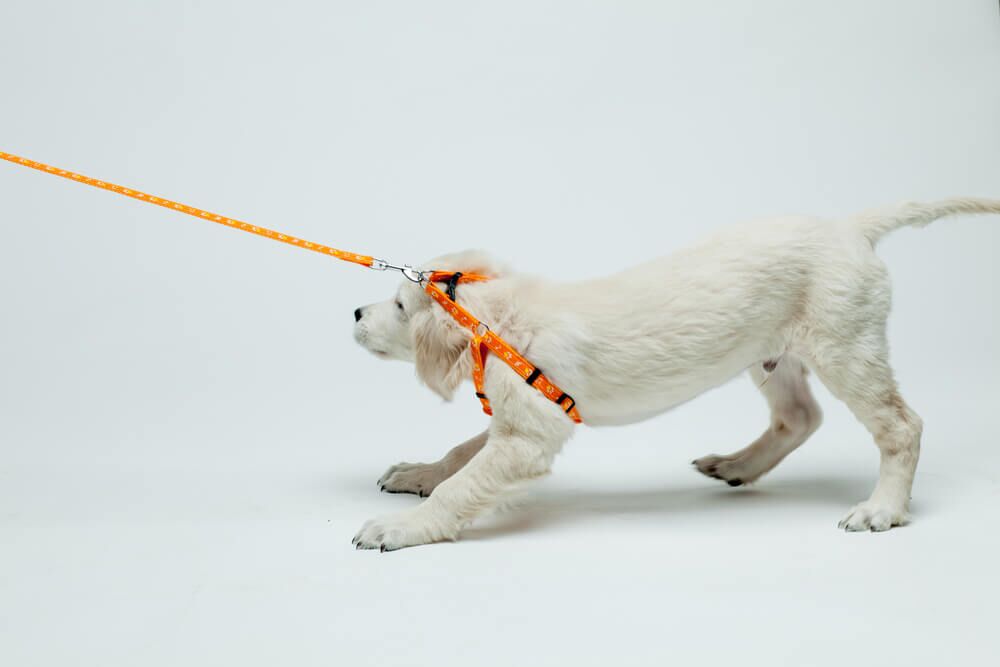
Image Source: cdn-ghckb.nitrocdn.com
Deciphering the Refusal: Why Your Dog Won’t Walk
Before we can address the problem, we need to figure out why your dog is being a reluctant dog walk participant. It’s crucial to rule out any medical conditions that might be causing pain or discomfort, which would naturally lead to dog hesitant to walk.
Potential Medical Causes
A sudden change in a dog’s willingness to walk can signal an underlying health problem.
Pain and Discomfort
- Arthritis or Joint Issues: Older dogs, or even younger ones with specific breeds prone to joint problems, might experience pain when moving. This pain can make walking unpleasant.
- Injuries: A sprained paw, a pulled muscle, or any other physical injury will make your dog avoid activities that aggravate it.
- Foot Problems: Cracked paw pads, thorns, or even ice balls stuck between toes can cause significant discomfort.
- Illness: General malaise from an illness can make any dog feel lethargic and unwilling to exert energy.
Sensory Changes
- Vision Problems: A dog with failing eyesight might be hesitant to walk in unfamiliar or dimly lit areas due to their reduced ability to see obstacles.
- Hearing Loss: While less likely to directly cause a refusal to walk, a dog with significant hearing loss might be more anxious in general, which can spill over into their willingness to explore.
Behavioral and Environmental Factors
Beyond physical ailments, many behavioral and environmental triggers can lead to your dog refusing to walk or exhibit dog pulling avoidance.
Fear and Anxiety
- Fear of the Outdoors: Some dogs, especially those who were not properly socialized as puppies, can develop a fear of the outside world. This can include fear of traffic, other animals, loud noises, or even specific locations.
- Negative Past Experiences: A frightening encounter during a previous walk – being chased by another dog, a startling loud noise, or a bad interaction with a person – can create a lasting aversion to walks. This can lead to dog fear of walking.
- Separation Anxiety: While not directly related to walking, a dog with separation anxiety might be more clingy and unwilling to leave their owner’s side, even for a walk.
- Traumatic Events: If a dog has experienced a traumatic event that occurred outdoors or during a walk, they may associate that fear with walking itself.
Equipment Issues
- Uncomfortable Collar or Harness: A poorly fitting collar or harness can chafe, pinch, or feel restrictive, making your dog want to avoid wearing it. This is a common cause of leash training refusal.
- Improper Leash Handling: If the leash has been yanked or used harshly in the past, the dog might associate the leash with unpleasant pressure or pain. This can lead to dog refuses leash.
Lack of Motivation or Boredom
- Monotony: If walks are always the same route, at the same pace, and without much stimulation, a dog might lose interest. This is a case where motivating dog for walks becomes key.
- Overstimulation: Conversely, too much stimulation – a busy street, lots of barking dogs, or crowds – can be overwhelming for some dogs.
- Not Understanding the Purpose: For puppies or young dogs, they might simply not grasp the concept of walking on a leash or what’s expected of them.
Strategies for Encouraging Your Dog to Walk
Once you have a better idea of why your dog is reluctant, you can start implementing targeted strategies. The goal is to make walks a positive and rewarding experience, building trust and confidence.
Making Walks Appealing: Positive Reinforcement is Key
The cornerstone of encouraging dog leash use and overcoming dog walk resistance is positive reinforcement. This means rewarding desired behaviors with things your dog loves.
High-Value Rewards
- Treats: Use small, soft, and incredibly tasty treats that your dog only gets during walks. Think bits of cooked chicken, cheese, or specialized training treats.
- Praise and Affection: Enthusiastic verbal praise and gentle petting can be very motivating for some dogs.
- Toys: If your dog is highly toy-motivated, bring their favorite squeaky toy or ball for a brief play session during the walk.
Gradual Exposure and Desensitization
If your dog exhibits dog fear of walking or dog hesitant to walk, a slow and steady approach is vital.
-
Familiarize with Equipment:
- Have your dog wear the collar or harness around the house for short periods.
- Give them treats and praise while they wear it.
- Attach the leash and let them drag it around the house (under supervision) to get used to the sensation.
- Practice clipping the leash on and off without going anywhere, rewarding calm behavior.
-
Short, Positive Outings:
- Start by just stepping outside the front door for a few seconds. Reward your dog for being calm and not pulling away.
- Gradually increase the duration, moving a few steps away from the door, then down the driveway.
- Keep these initial outings extremely short and always end on a positive note before your dog becomes anxious.
-
Desensitize to Triggers:
- If your dog is fearful of specific sounds or sights, work on associating those triggers with positive experiences from a distance.
- For example, if they are scared of cars, sit with them at a distance where they can see cars but aren’t stressed. Give them treats when a car passes. Gradually reduce the distance over many sessions.
Making the Leash a Positive Cue
When you pick up the leash, your dog should associate it with something fun.
- Leash Greeting: Make a ritual of picking up the leash and then engaging in a short, fun activity inside the house (like a quick game of fetch or a treat-scattering) before heading out.
- Leash as a Signal for Fun: Use the leash to lead your dog to exciting things – a favorite toy, a treat hidden in a snuffle mat, or their food bowl.
Addressing Specific Refusal Scenarios
Let’s look at how to handle common refusal behaviors:
The “Planted Feet” Dog
When your dog suddenly stops and refuses to move, resist the urge to pull or drag them.
- Positive Interruption: Try getting their attention with a happy voice or a high-value treat held in front of their nose.
- Entice Movement: Wiggle the leash playfully, do a little dance, or call them excitedly to come to you.
- Change Direction: Sometimes a simple change in direction can re-engage them.
- Short Session Break: If they remain stubbornly planted, it’s okay to cut the walk short for that moment and try again later. Don’t let the walk end in refusal.
The “Lying Down” Dog
This is a clear sign of resistance.
- Gentle Encouragement: Use a cheerful tone and a treat to entice them to stand up.
- Avoid Force: Never drag a dog who is lying down, as this can cause injury and increase their fear.
- Check Equipment: Ensure the harness or collar isn’t digging in or causing discomfort.
- Shorten the Walk: If they lie down repeatedly, it might be a sign they’re overwhelmed or tired. Return home and try a shorter, less demanding outing later.
The “Dog Refuses Leash” Scenario
If your dog actively tries to avoid the leash itself:
- Leash as a Game: Play games where the leash is involved but not attached to them (e.g., they chase a dropped leash, you briefly loop it over their neck for a second and then treat).
- Slow Introduction: As mentioned, get them comfortable with the leash on, off, and dragging before any actual walking pressure is applied.
Environmental Modifications for a Better Walk
Sometimes, the environment is the problem, not the dog.
Choosing the Right Time and Place
- Quieter Times: If your dog is fearful of other dogs or loud noises, opt for walks during quieter hours.
- Familiar and Safe Routes: Start with familiar, less stimulating routes where your dog feels secure.
- Variety: Once your dog is more confident, introduce new and exciting environments gradually to keep walks interesting.
Equipment Adjustments
- Harness Fit: A well-fitting harness, especially a front-clip harness, can offer better control and reduce pulling without causing discomfort. Ensure there are no pinch points or rubbing.
- Leash Material: Some dogs may dislike the feel of certain leash materials. Experiment with different textures if you suspect this is an issue.
- Leash Length: A shorter leash can offer more immediate control in challenging situations, while a longer lead might be better for allowing exploration in safe areas.
Building Confidence and Trust
The foundation for a happy walker is a confident dog.
Obedience Training and Mental Stimulation
- Basic Commands: A dog that knows and responds to basic commands like “sit,” “stay,” and “come” is often more attentive and easier to guide on walks.
- Puzzle Toys and Games: Engaging your dog’s mind with puzzle toys or scent games at home can increase their overall confidence and responsiveness, which can carry over to walk time.
- Positive Socialization: If your dog is fearful of other dogs or people, controlled, positive introductions can help them overcome these fears.
Patience and Consistency
- No Punishment: Never punish your dog for refusing to walk. This will only increase their anxiety and resistance.
- Celebrate Small Wins: Every little step forward, like willingly taking a few steps on the leash, is a victory. Reward it generously!
- Routine: Establishing a predictable routine can help anxious dogs feel more secure.
Advanced Techniques for Motivating Your Dog
When basic positive reinforcement isn’t enough, you might need to employ more nuanced strategies. These are particularly helpful for dogs with significant dog fear of walking or leash training refusal.
Clicker Training for Walks
Clicker training can be an excellent way to precisely mark and reward desired behaviors during walks.
- Mark and Reward: Click and treat when your dog willingly puts weight on the leash, takes a step forward, or looks at you with a relaxed expression.
- Shaping Behavior: You can “shape” the walking behavior by rewarding successive approximations – first standing, then shifting weight, then taking one step, then two, and so on.
Introducing Novelty
A lack of excitement can lead to dog hesitant to walk.
- “Sniff Walks”: Allow your dog ample time to sniff and explore their surroundings. For many dogs, sniffing is a primary form of enrichment. Designate walks as “sniff safaris.”
- Varying Routes: Explore different parks, trails, or even just different streets in your neighborhood.
- Enrichment Activities: Incorporate short training exercises or play sessions into your walk.
Addressing Specific Fears and Sensitivities
For dogs with intense fears, professional guidance might be necessary.
Dog Fear of Walking Specifics
- Identify the Fear: Is it a specific object, sound, or situation?
- Controlled Environments: Practice desensitization in a controlled setting, far from the actual trigger, at first.
- Counter-Conditioning: Pair the feared stimulus (at a very low intensity) with something highly positive (like tasty treats). For example, if your dog fears men in hats, show them a picture of a man in a hat from a distance and give treats.
Dog Pulling Avoidance Strategies
This often stems from the dog feeling uncomfortable with leash pressure.
- “Loose Leash Walking” Games: Play games that reward keeping slack in the leash. When the leash is slack, click and treat. If the leash tightens, stop walking.
- Front-Clip Harness: As mentioned, this can help redirect the dog back towards you when they pull, discouraging the behavior.
When to Seek Professional Help
If you’ve tried various methods and your dog continues to refuse walks, or if you suspect a significant fear or anxiety issue, it’s time to consult professionals.
Certified Professional Dog Trainers (CPDT-KA/SA)
A qualified trainer can assess your dog’s specific situation and provide personalized strategies. They are skilled in encouraging dog leash manners and helping to overcome dog walk resistance.
Veterinary Behaviorists
For severe cases of dog fear of walking, separation anxiety, or phobias, a veterinary behaviorist can offer a diagnosis and treatment plan, which may include medication in conjunction with behavioral modification.
Frequently Asked Questions (FAQ)
Q1: My dog suddenly won’t walk. What should I do?
A1: First, rule out any medical issues with your veterinarian. If your dog is healthy, then focus on identifying potential behavioral triggers like fear or past negative experiences. Gradually reintroduce walks using positive reinforcement.
Q2: Can I force my dog to walk if they are refusing?
A2: No, you should never force your dog to walk. This can create more fear and resistance, damage your bond, and potentially cause injury. Focus on making walks a positive experience through patience and rewards.
Q3: How can I stop my dog from refusing the leash?
A3: Start by making the leash a positive association. Let your dog wear it around the house with treats and praise. Practice attaching and detaching the leash without going anywhere. Gradually introduce it on short outings.
Q4: My dog is scared of going outside. How do I get them to walk?
A4: This requires patience and desensitization. Start by simply opening the door and rewarding calm behavior. Gradually increase their exposure to the outdoors, always pairing it with positive experiences like treats or praise. Avoid overwhelming them.
Q5: What are the best treats for motivating my dog on walks?
A5: Use high-value treats that your dog absolutely loves and only receives during walks. This could include small pieces of cooked chicken, cheese, hot dogs, or specialized training treats. The novelty and taste should be exciting enough to overcome their reluctance.
Q6: How long should a reluctant dog walk be?
A6: For a dog that is hesitant to walk, start with very short outings, perhaps just a few minutes. The goal is to end on a positive note, so it’s better to have several short, successful walks than one long, stressful one. Gradually increase the duration as your dog becomes more comfortable.
By employing these strategies with patience and consistency, you can help your canine companion overcome their reluctance and discover the joy of a good walk.